
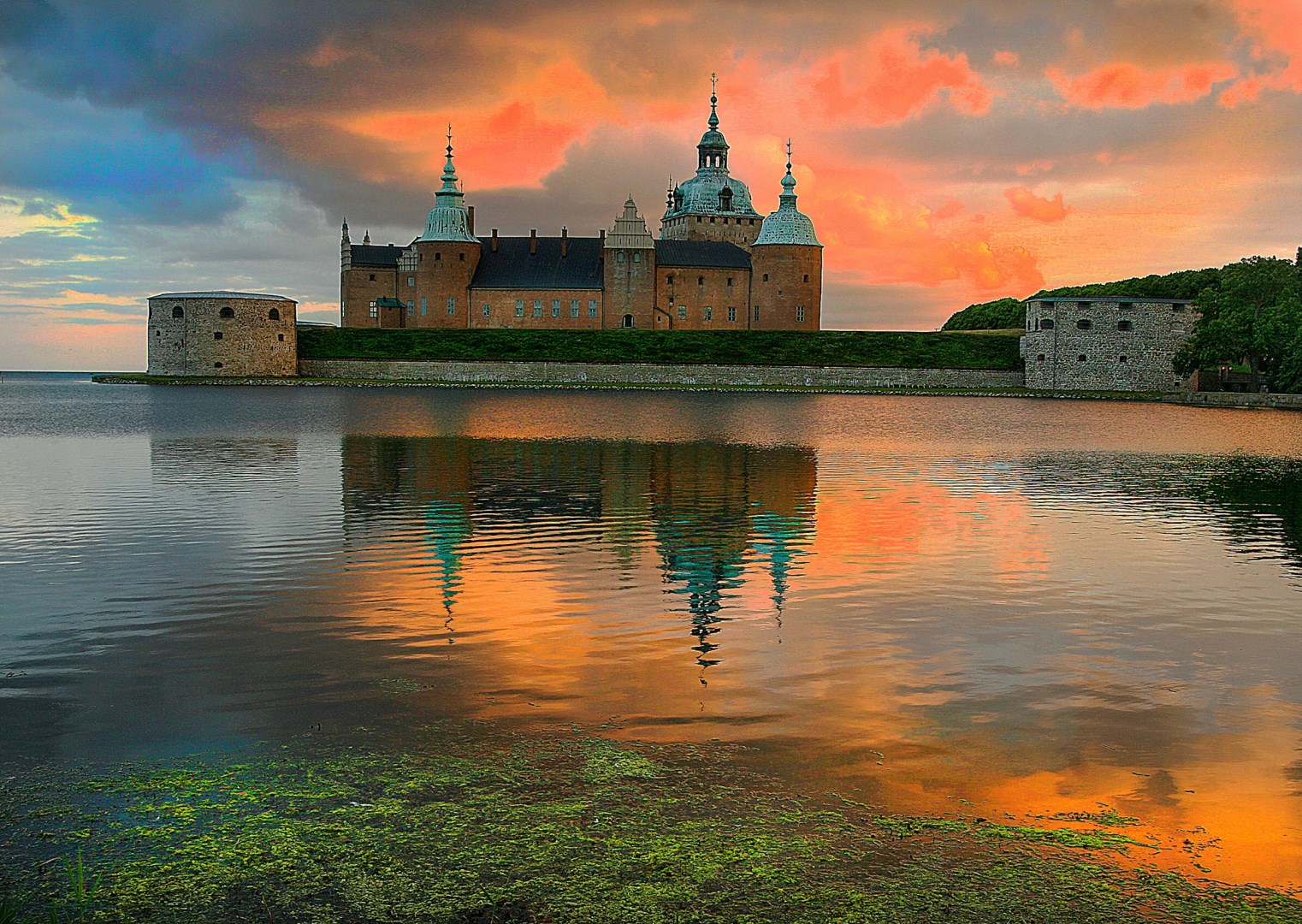
Kalmar
Kalmar Union, combination of the crowns of Denmark, Sweden, and Norway, effected at Kalmar, Sweden, by Margaret I in 1397. Because all three crowns were elective, the union could not be maintained by inheritance. Margaret's successors controlled Sweden intermittently until Gustavus I of Sweden dissolved the union (1523). Norway became independent in 1814.

Kruger National Park
Kruger National Park, located in northeastern South Africa, is one of the world’s premier wildlife reserves and a cornerstone of African conservation. Established in 1898, it spans nearly 20,000 square kilometers, making it larger than many countries.
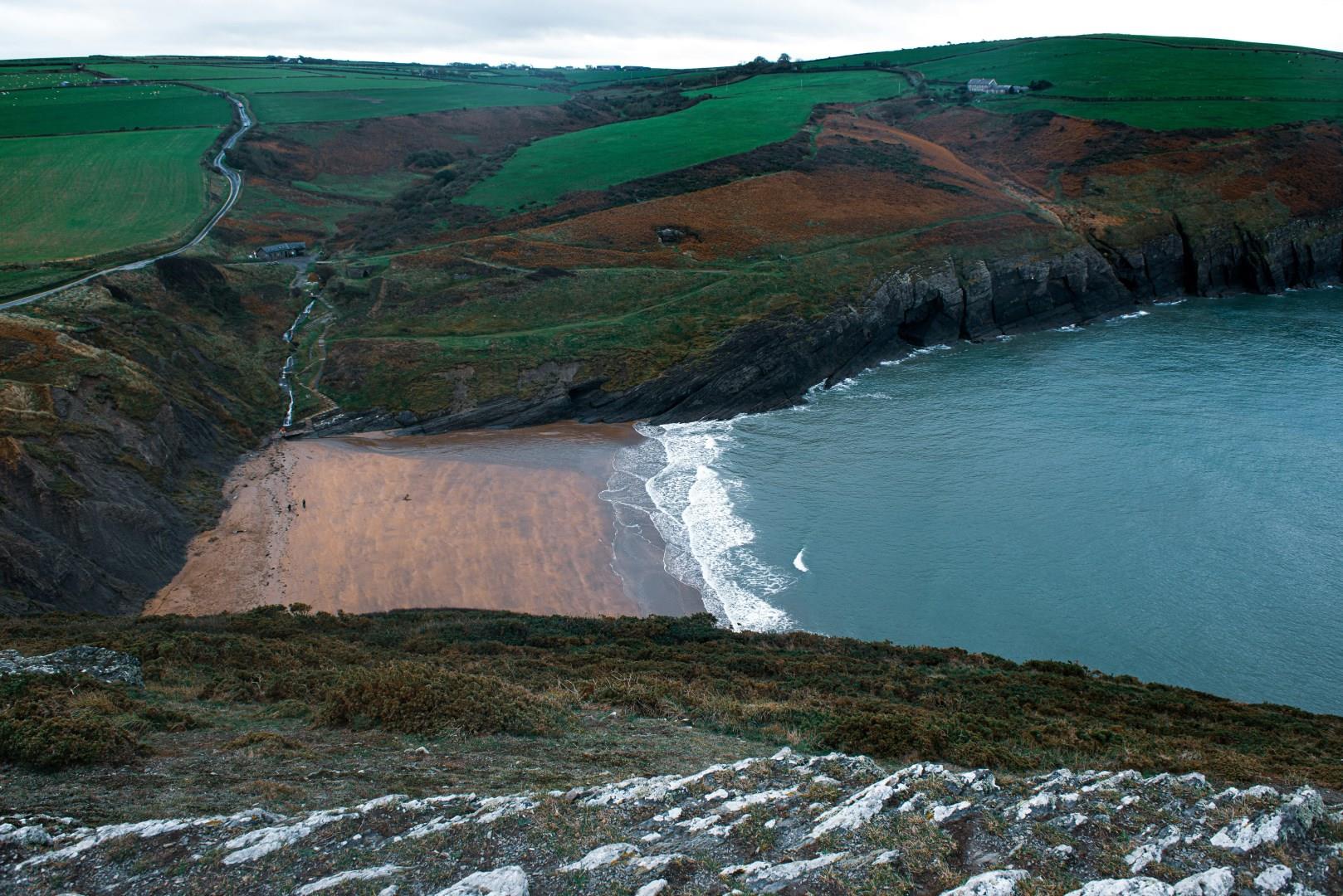
Cardigan
Cardigan sits on the west coast of Wales, where the River Teifi reaches the wide sweep of Cardigan Bay. At the heart of town stands Cardigan Castle, where battlements and gardens overlook the Teifi. The castle’s history includes the first recorded National Eisteddfod in Wales, a cultural competition of music, poetry and performance that still inspires events across the country.

Grand Canyon
Stretching 277 miles in length and more than a mile deep, this vast canyon reveals layers of geologic time stacked like pages in a book. Standing on the South Rim, visitors can look out over colorful cliffs and winding trails that have drawn explorers, artists, and travelers for generations. The views change with the light starting with crimson at sunrise, golden at sunset, and every hue in between.
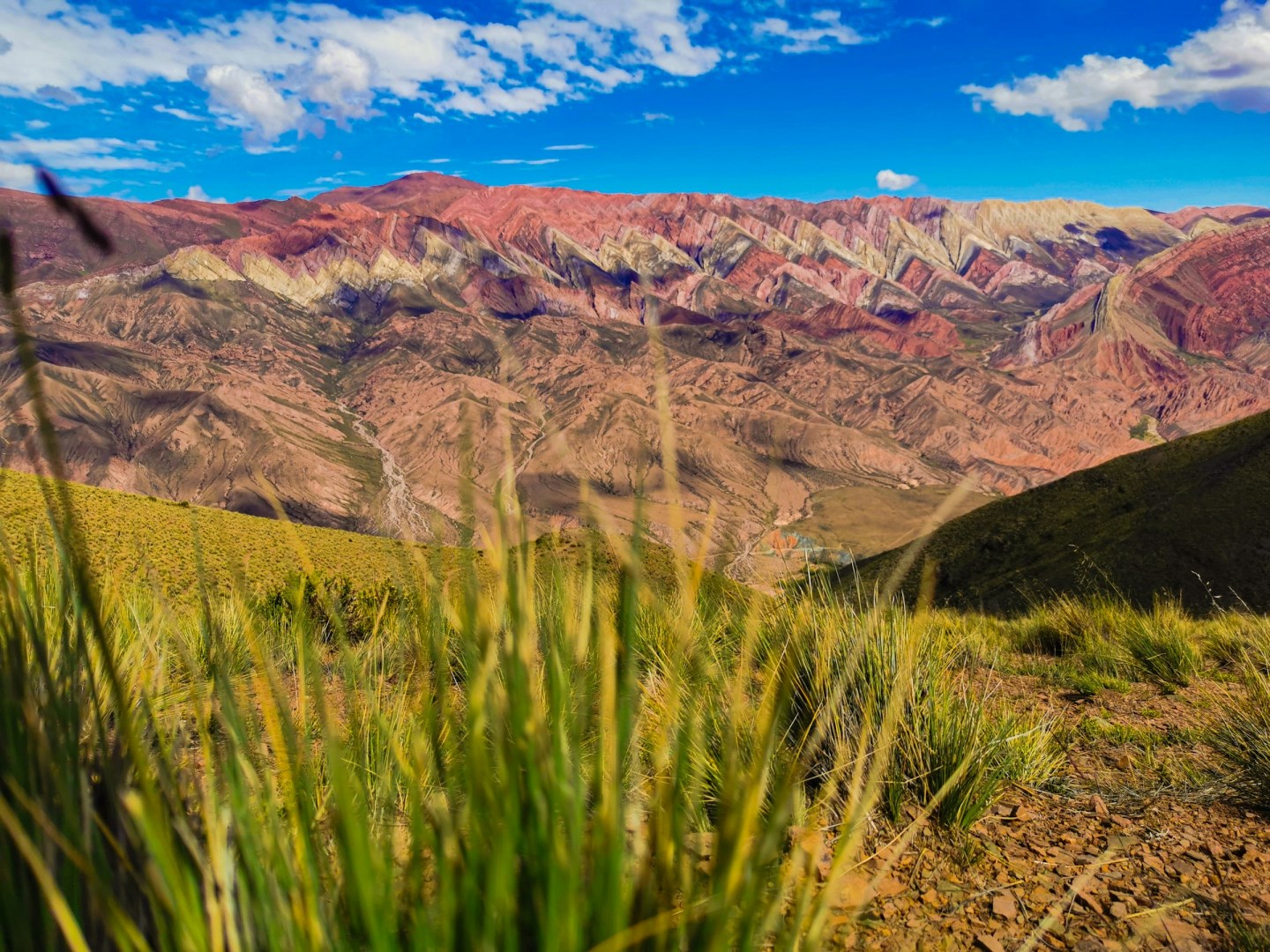
Humahuaca
Humahuaca is a small town in northern Argentina’s Jujuy Province, located in the Quebrada de Humahuaca, a long mountain valley shaped by the Río Grande. Its setting among dry, multicolored mountains gives the town a distinct Andean character. Narrow streets, adobe buildings, and traditional plazas reflect the region’s strong connection to Indigenous and colonial heritage. Humahuaca also serves as a cultural and transport center for communities across the surrounding highlands, where agriculture,
