
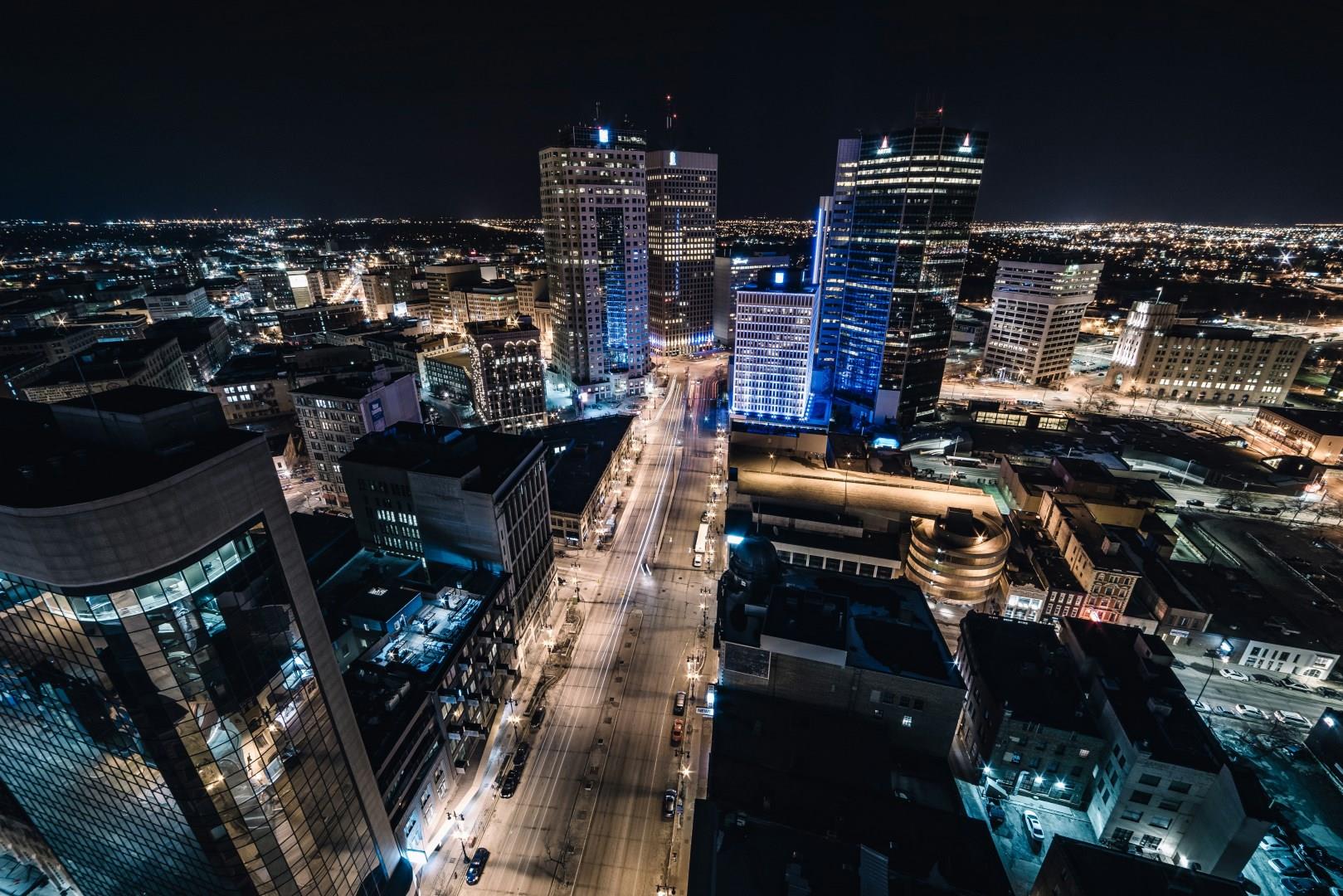
Winnipeg
Winnipeg sits at the meeting point of the Red and Assiniboine rivers, a location that has shaped its role as a gathering place for thousands of years. Long before it became a modern city, the area was central to Indigenous trade networks, a legacy that remains visible today through institutions like The Forks and the Canadian Museum for Human Rights.
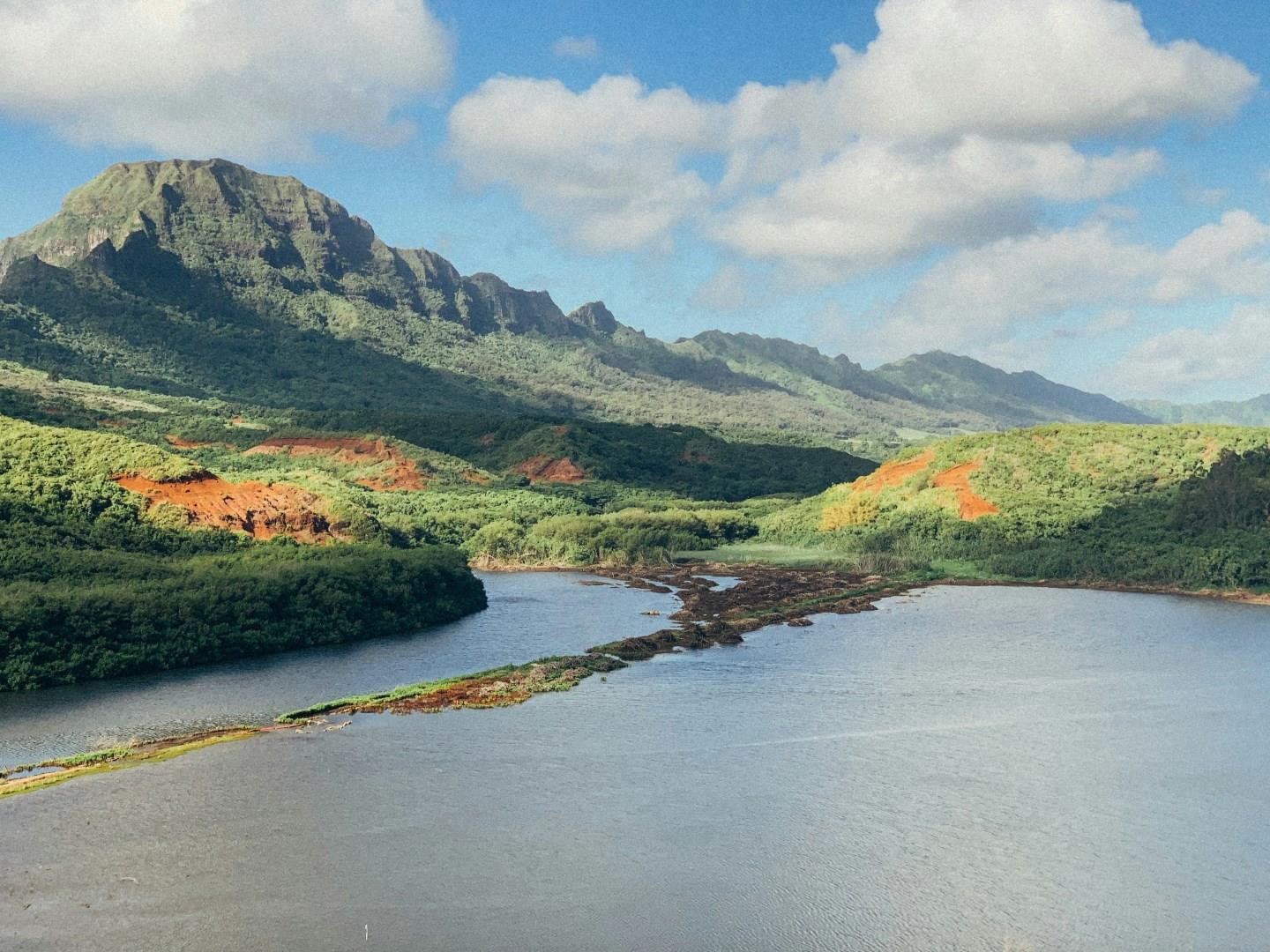
Lihue, Kauai
Lihue, the main town on the Hawaiian island of Kauai, blends administrative importance with island charm. As the county seat, it’s the hub of government and commerce, but it also serves as the welcoming gateway for travelers arriving at Lihue Airport or through its nearby harbor.
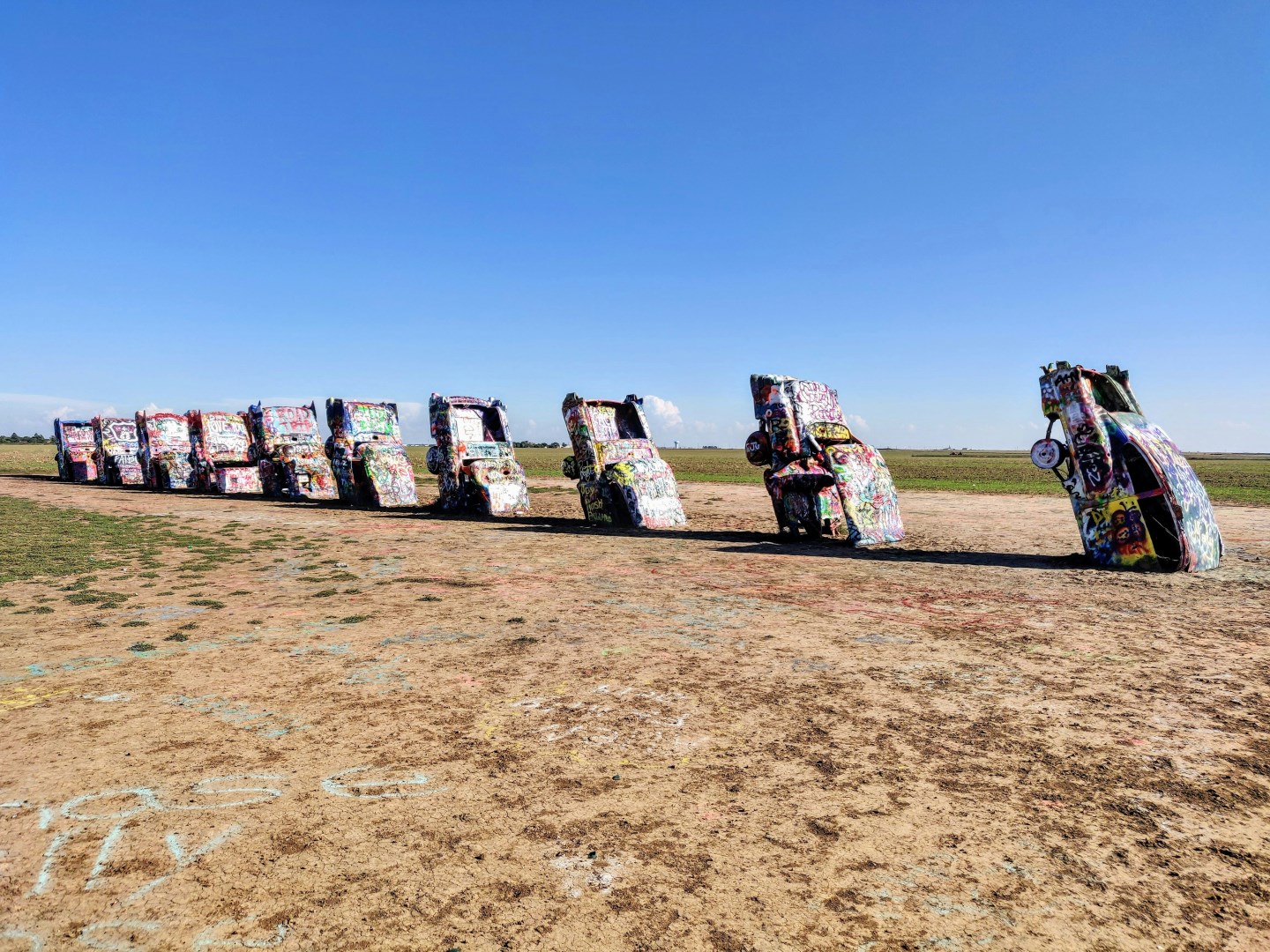
Amarillo
Amarillo is a city in the Texas Panhandle known for its wide-open plains, cattle industry, and strong connection to Route 66 culture. Positioned along Interstate 40, the city developed as a transportation and trade center serving ranching communities across the region.
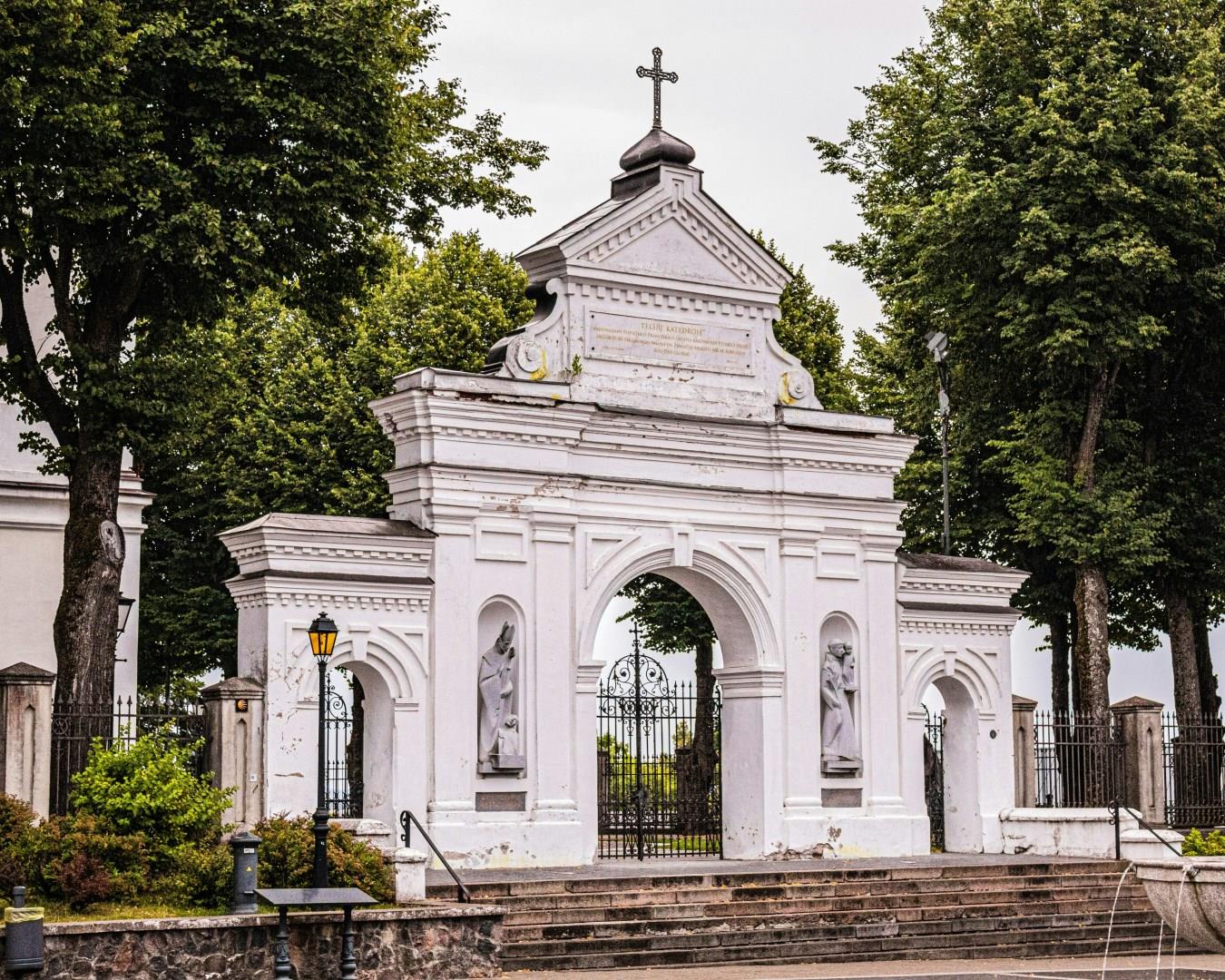
Telšiai
Telšiai, often called the capital of Lithuania’s Samogitia region, offers visitors a deep dive into a unique cultural heritage paired with striking natural settings. The town is set on the shores of Lake Mastis, where the reflections of historic buildings and lush forests create a calm and inviting atmosphere. Telšiai’s old market square bustles with life and is home to some of the town’s most notable landmarks, including the Neo-Gothic St. Anthony of Padua Cathedral.
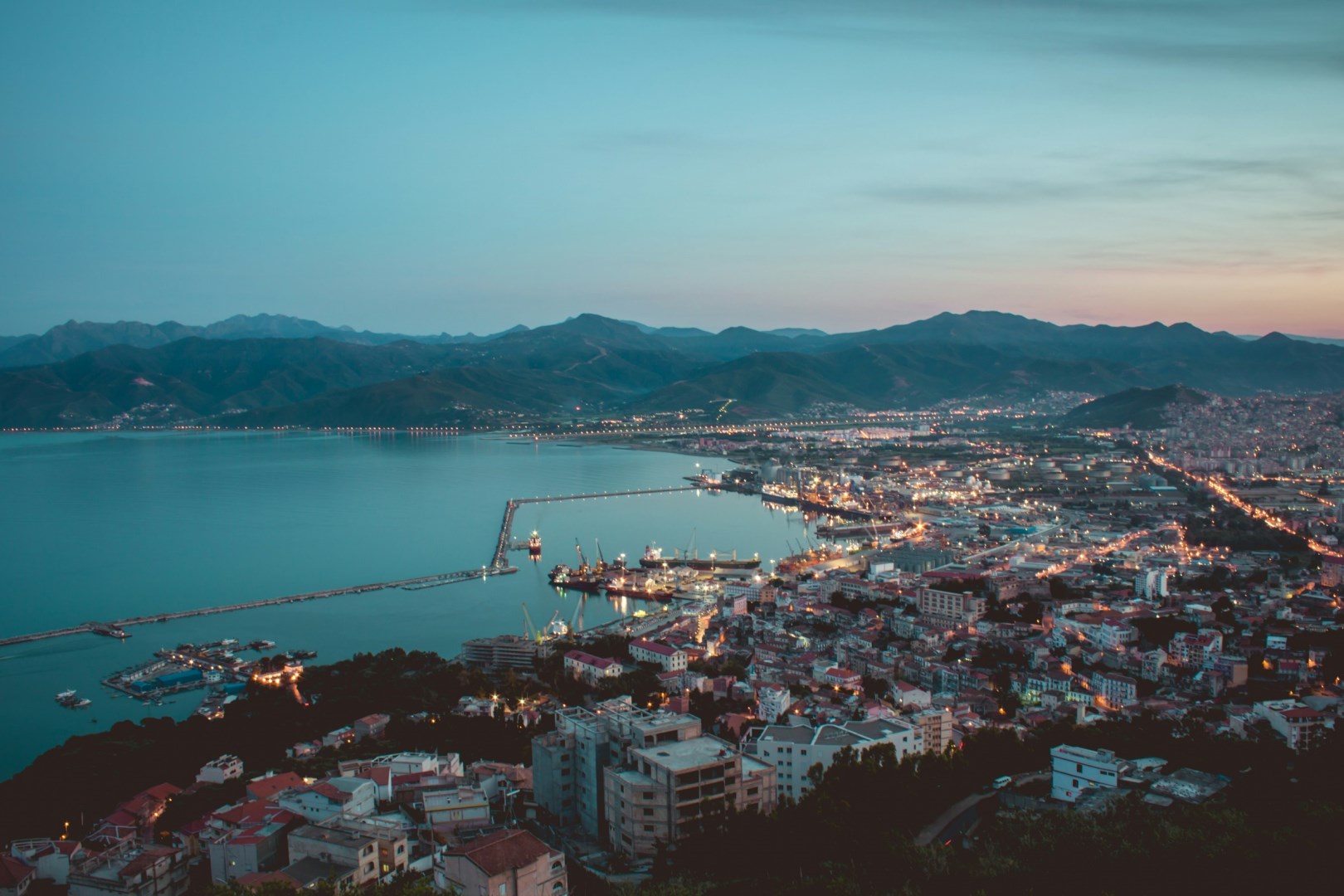
Béjaïa
Béjaïa is a Mediterranean port city on Algeria’s Kabylie coast, set between the sea and the wooded slopes of the Gouraya massif. Its setting brings together a working harbour, mountain terrain, coastal cliffs, and beaches within a compact area. The city is one of Algeria’s important historic centres and has long been connected to maritime trade and scholarship.
