
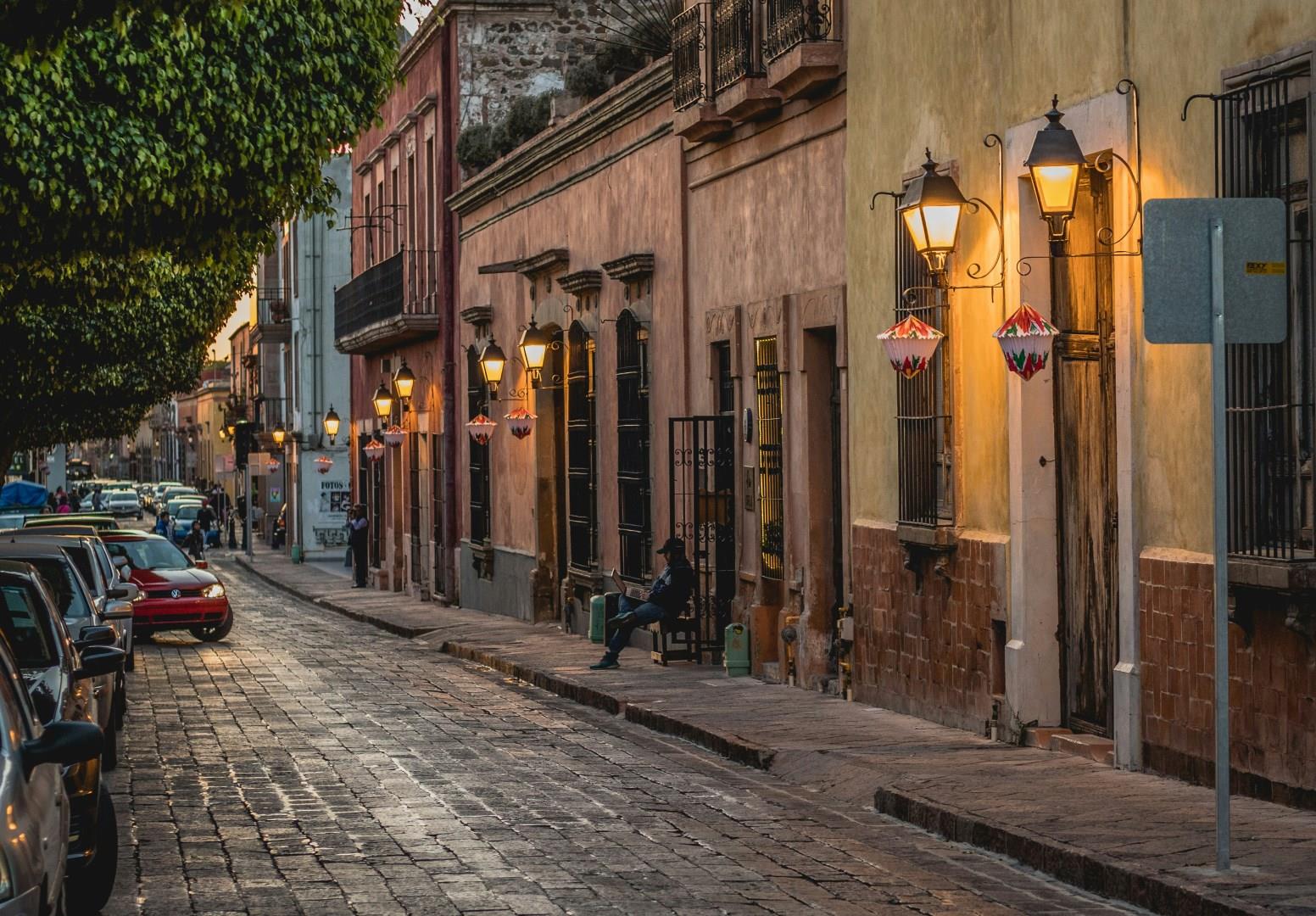
Querétaro
Querétaro, located in the heart of central Mexico, is a city where centuries of history are still visible in daily life. Its historic center, a UNESCO World Heritage Site, features narrow streets, elegant plazas, and baroque churches that reflect its colonial past. One of the city’s most iconic landmarks is the massive aqueduct, built in the 18th century with 74 stone arches stretching nearly a mile across the landscape.
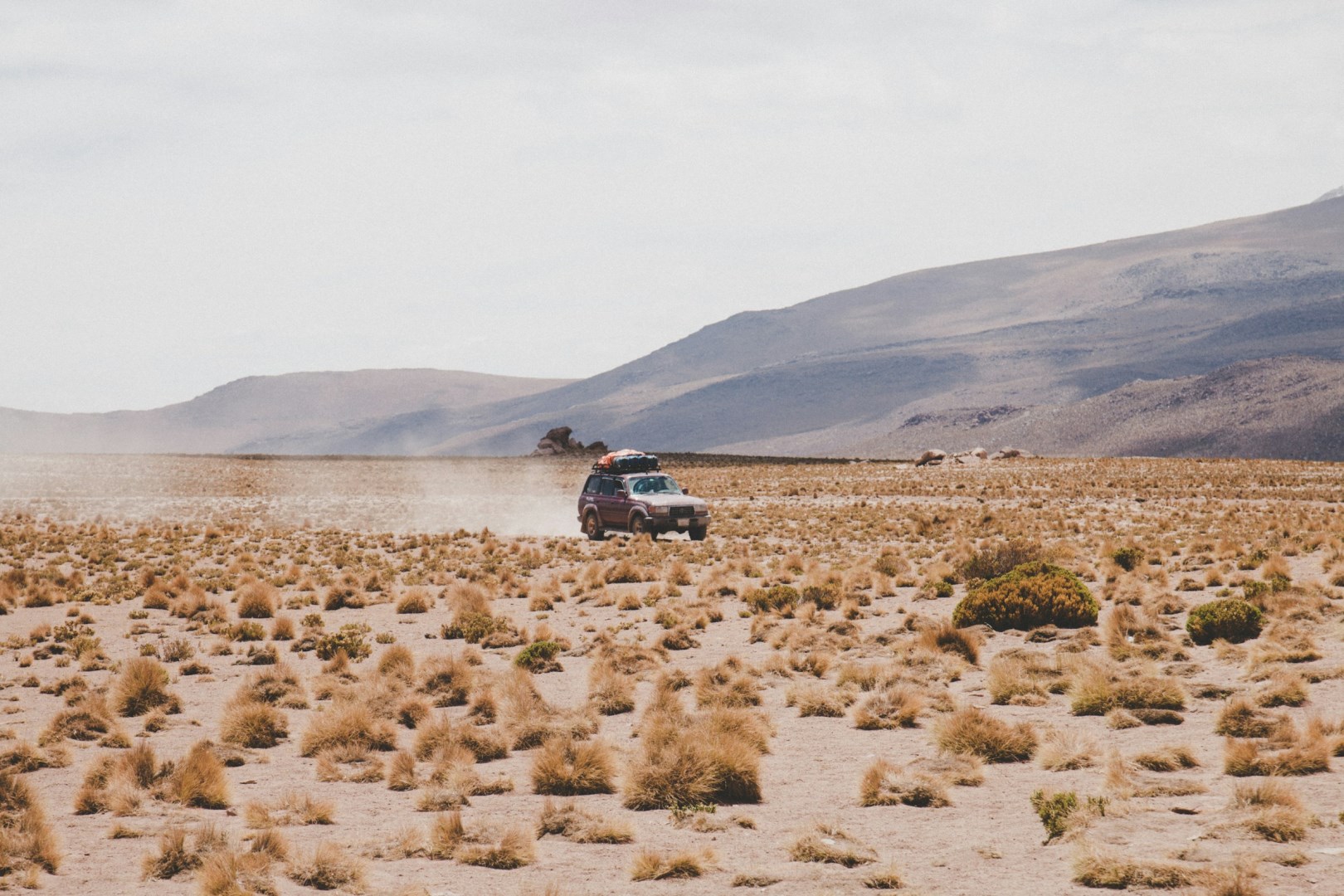
Eduardo Avaroa Andean Fauna National Reserve
Eduardo Avaroa Andean Fauna National Reserve is a vast protected area in southwestern Bolivia, close to the borders with Chile and Argentina. It covers a high-altitude landscape of volcanic mountains, deserts, salt flats, geothermal fields, and mineral-rich lagoons. The reserve forms part of the southern Altiplano and is one of Bolivia’s most distinctive protected areas.

Pompeii
Pompeii, Italy, is a mesmerizing time capsule that invites travelers to step back into the world of ancient Rome. Once a thriving city, Pompeii was abruptly buried under volcanic ash and pumice following the catastrophic eruption of Mount Vesuvius in 79 AD. This tragic event preserved the city in remarkable detail, allowing visitors today to walk the cobbled streets and witness a snapshot of Roman life, from grand villas and bathhouses to bakeries and amphitheaters.
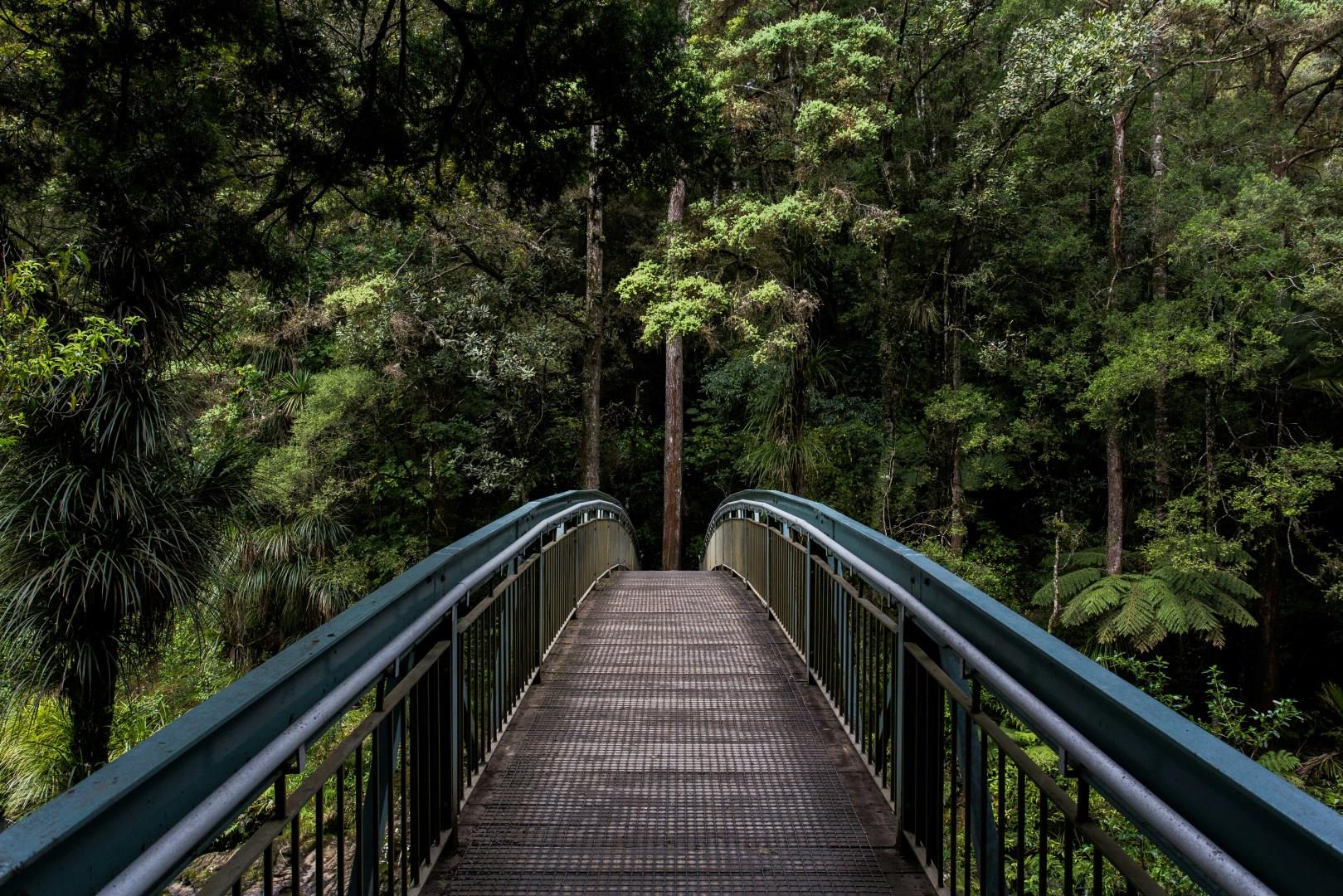
Whangarei
Whangarei sits at the head of a sheltered harbour in Northland, shaped by Māori settlement and later maritime trade.
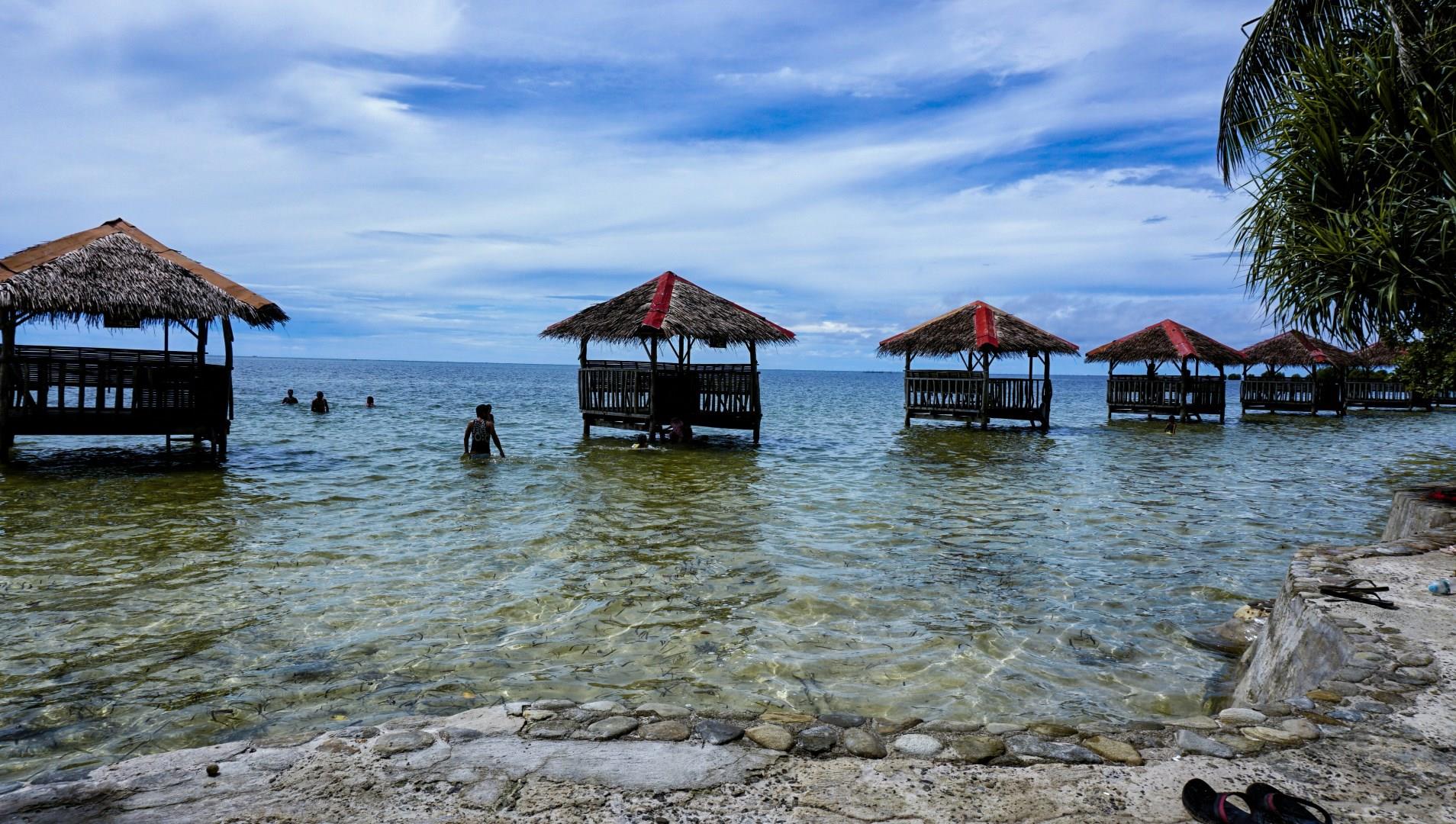
Puerto Princesa
Puerto Princesa, the capital of Palawan in the Philippines, is often seen as the gateway to some of the country’s most remarkable natural landscapes.
