

Heraklion
The capital of Crete, Heraklion is a Greek port city and a popular stop on Mediterranean and Greek cruises. The city is an historical marvel, replete with archaeological wonders and remnants of the region's past. Highlights include the Heraklion Archaeological Museum, the Rocca a Mare Fortress, the Venetian Loggia, and just past the city limits, the Palace of Knossos.
Holy Island
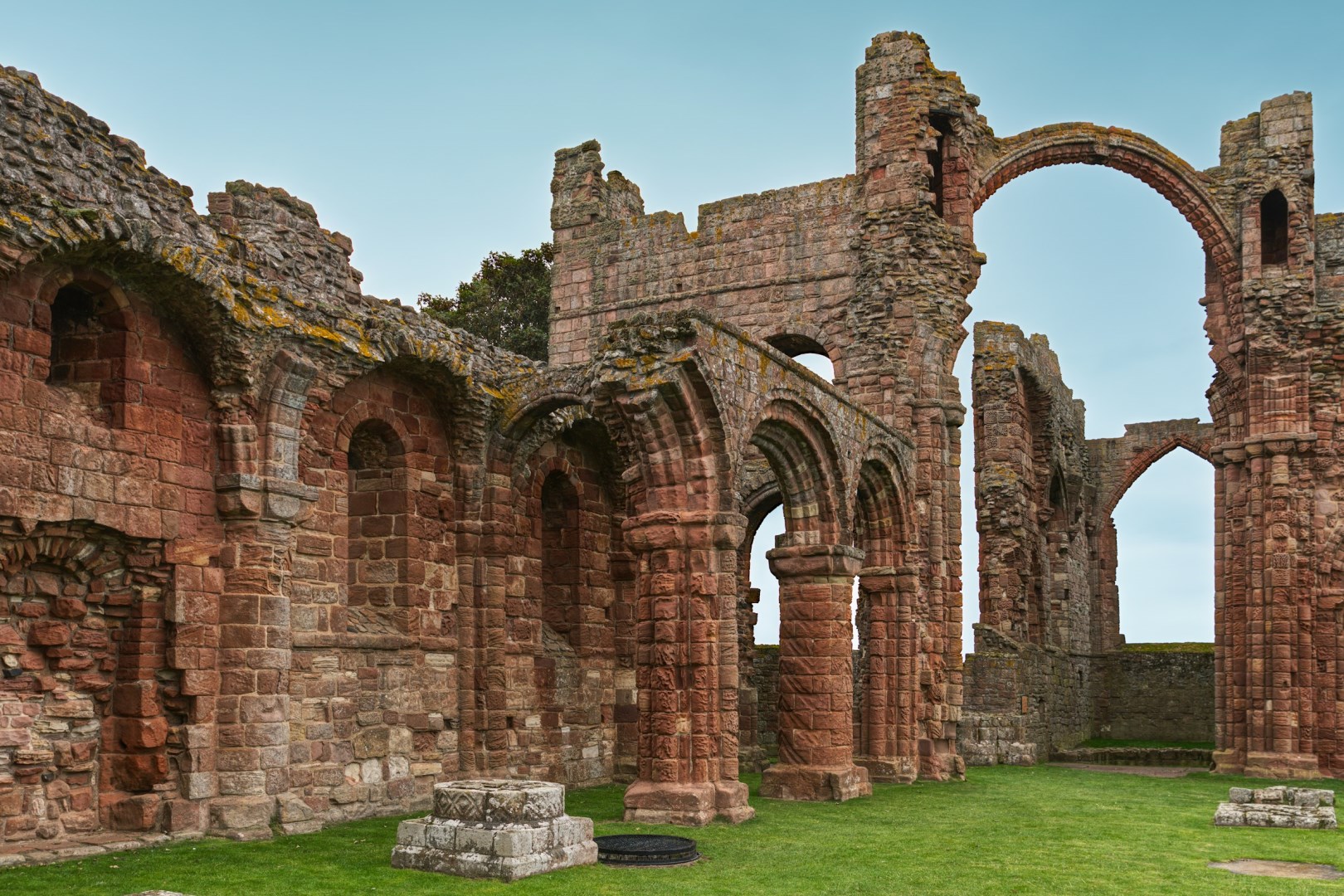
Holy Island, also known as Lindisfarne, is a tidal island off the Northumberland coast in northeast England. It is connected to the mainland by a causeway that is covered by the sea at high tide, making careful tide planning essential for access. The island’s compact village contains stone cottages, small shops, churches, and the remains of Lindisfarne Priory. Lindisfarne Castle stands on a rocky hill above the harbor, while beaches, dunes, salt marshes, and open shoreline surround the settlemen
Ruaha National Park
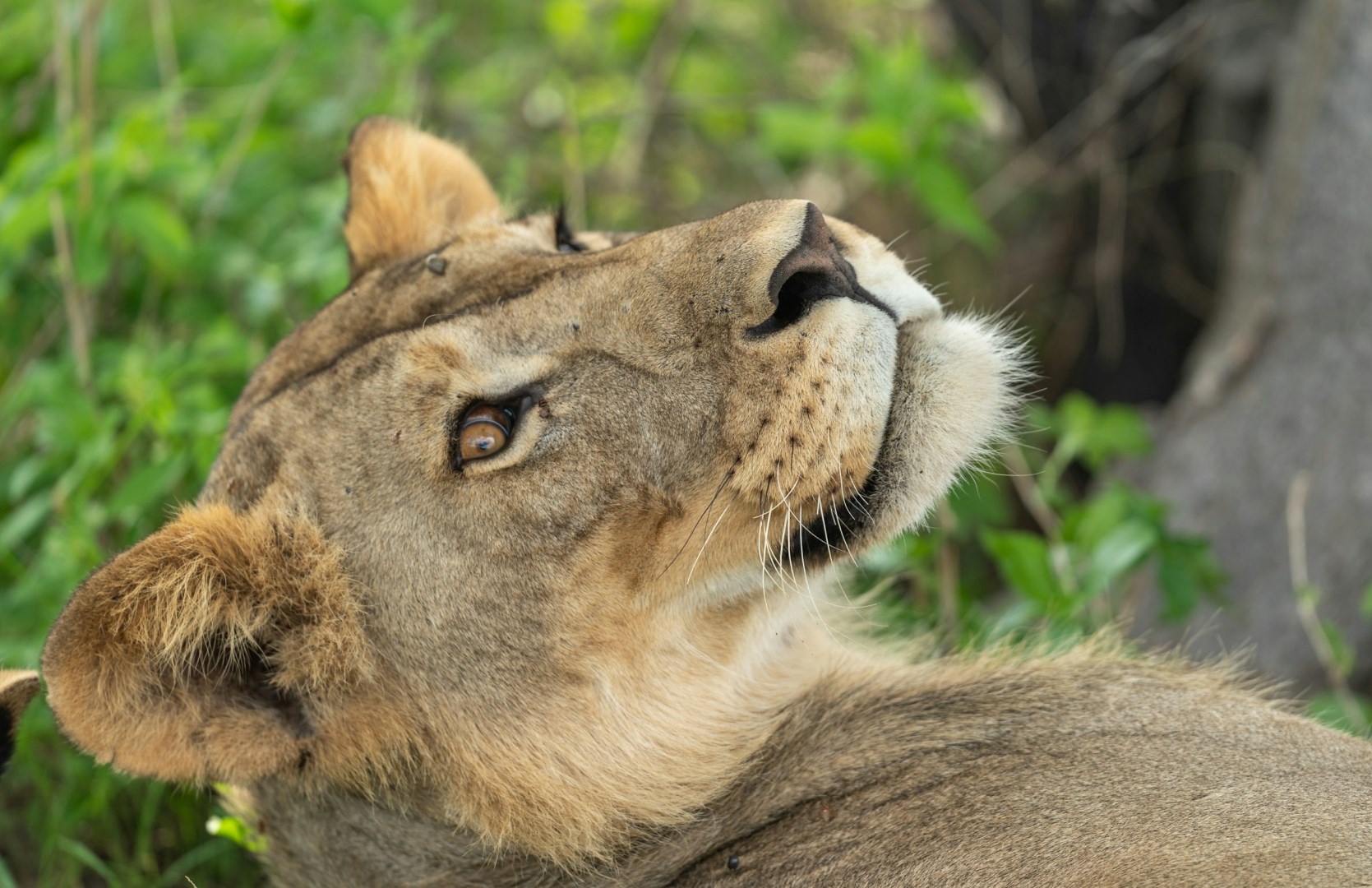
Ruaha National Park is a vast protected area in south-central Tanzania, covering about 20,226 square kilometres. The park is defined by a varied landscape of open savanna, miombo woodland, rocky hills, seasonal rivers, and large baobab trees. The Great Ruaha River forms one of its most important natural features, providing water and supporting wildlife across the surrounding plains.
Devon
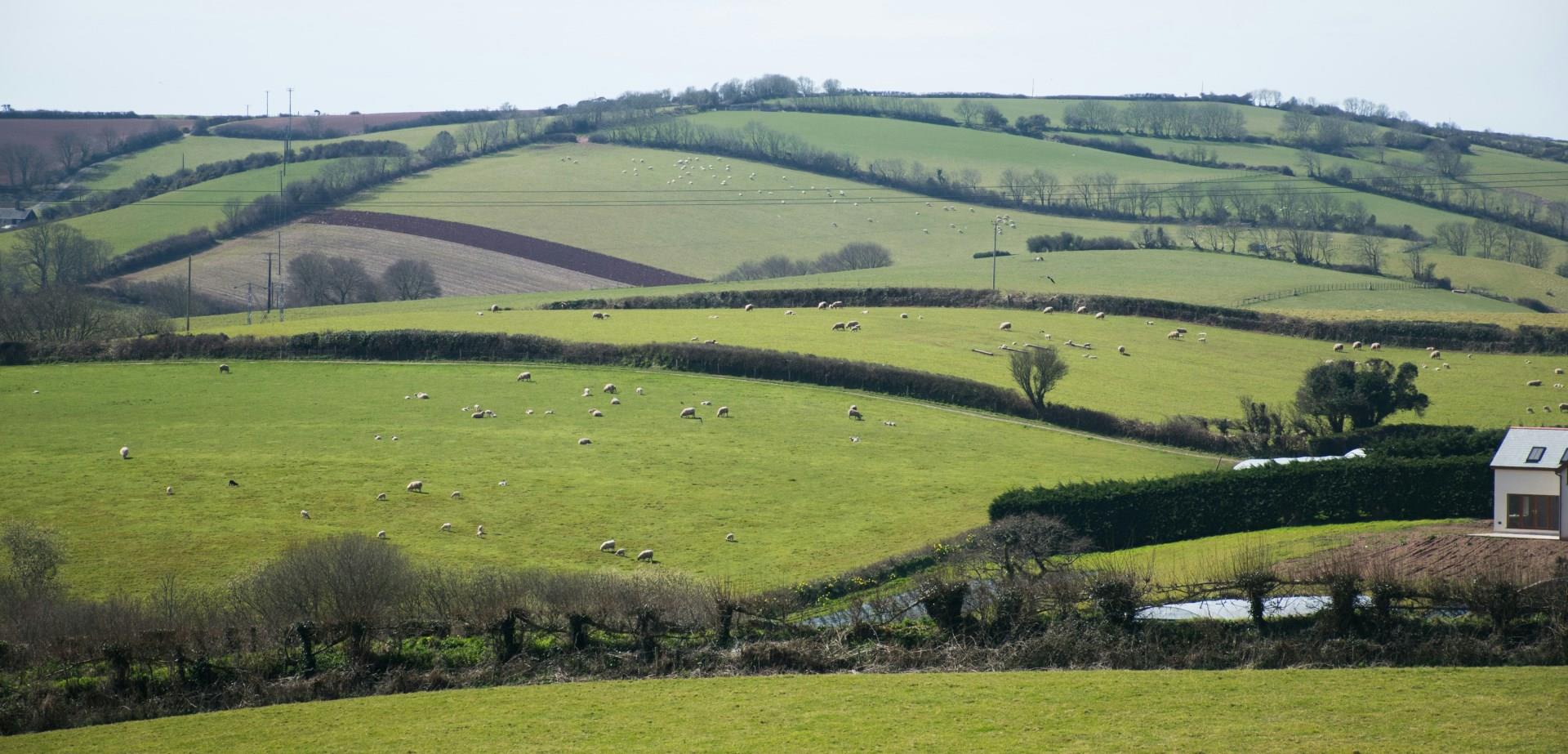
Devon occupies England’s southwest peninsula, a county shaped by seafaring, farming, and long continuity of settlement. Its history stretches from prehistoric sites on Dartmoor through Roman roads and medieval ports to towns that grew wealthy on trade and shipbuilding.
Detroit
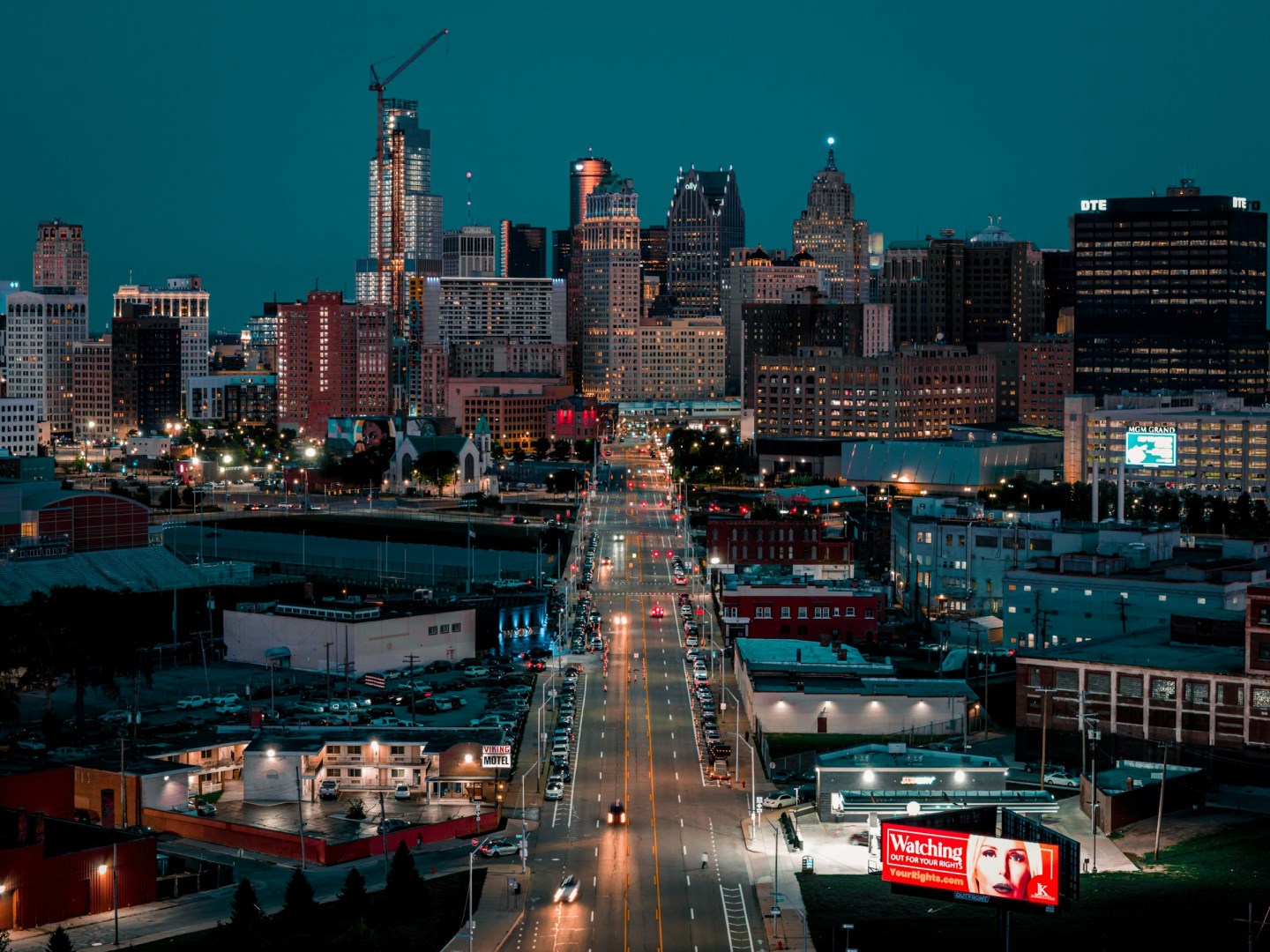
Located in southeast Michigan state between Lake Erie and Lake Huron, this is the "Motor City" - it is the center of the American Car industry.
