

Saudi Arabia
Saudi Arabia is revealing chapters long unseen by tourists. Al-Ula is home to Hegra, the first UNESCO World Heritage Site in the kingdom and hosts to ancient Nabatean tombs carved in sandstone cliffs. Nearby, the mirrored Maraya Concert Hall reflects the desert sky, its design both unexpected and elegant amid the sands. Visitors can wander through narrow canyons, step inside rock-hewn facades, and feel the weight of ancient civilizations still echoing across the dunes.
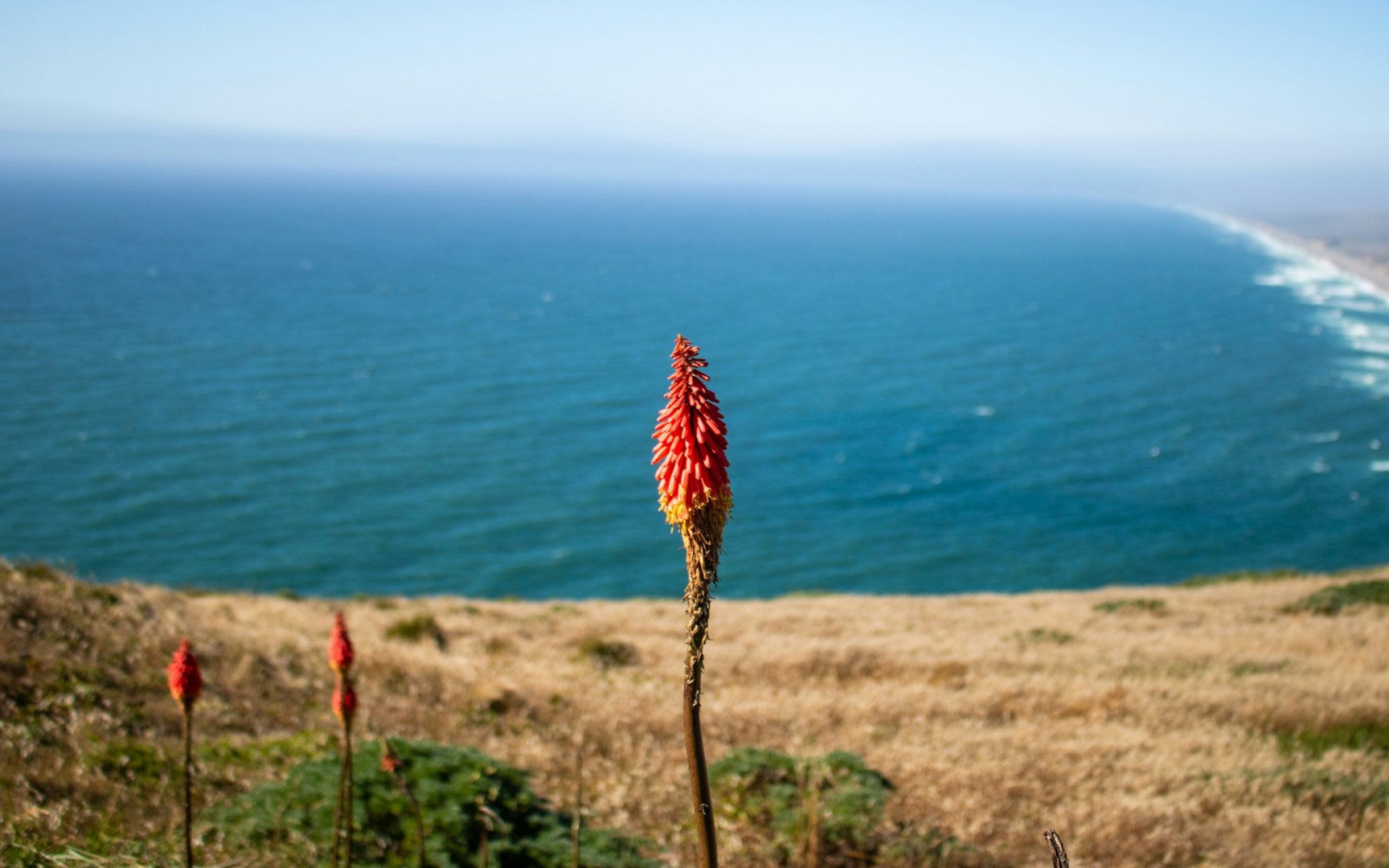
Point Reyes
Point Reyes is a rugged coastal region of Northern California, extending into the Pacific Ocean on the western side of Marin County. Much of the peninsula is protected within Point Reyes National Seashore, where windswept beaches, coastal cliffs, grasslands, forests, wetlands, and rocky headlands create a varied landscape.
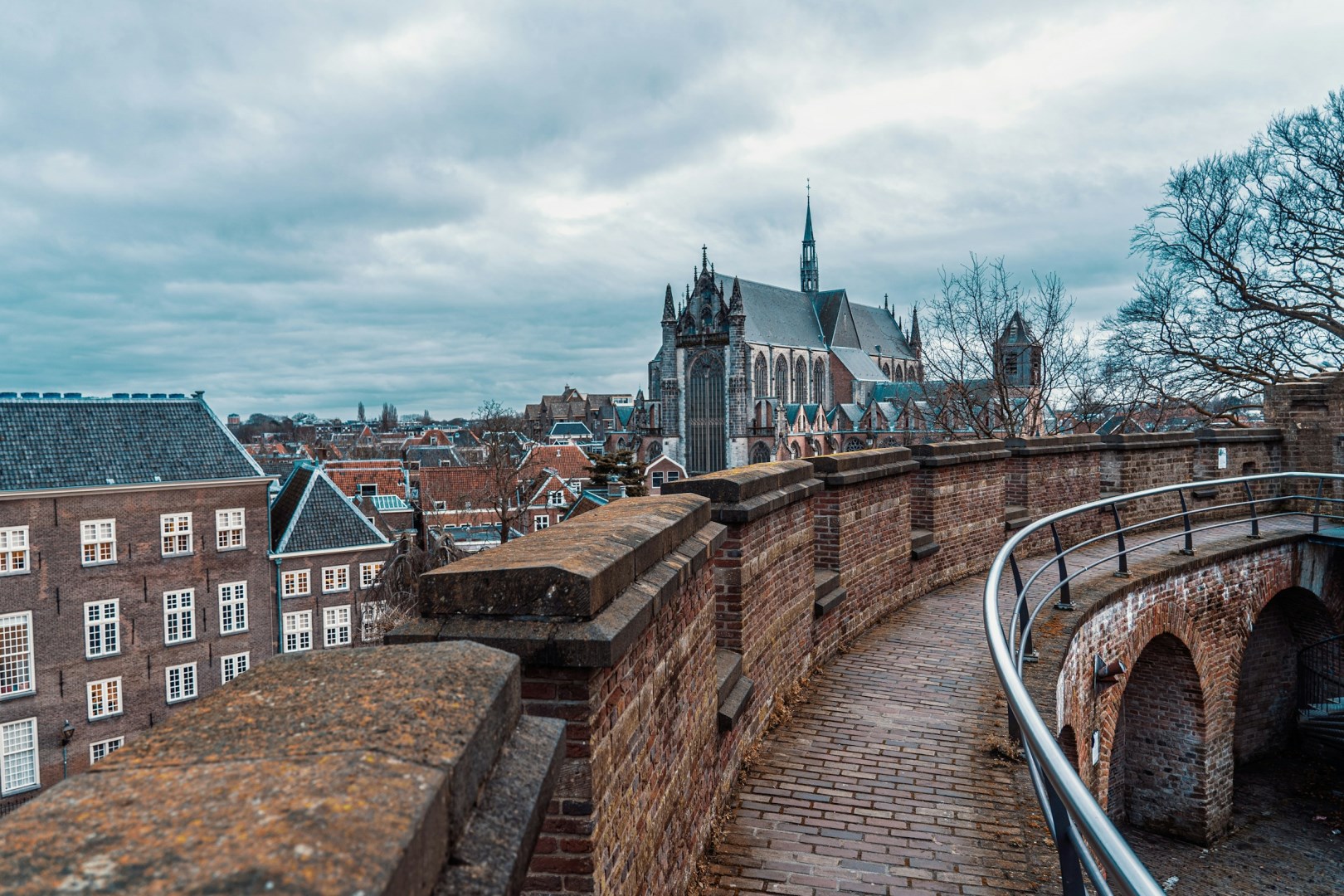
Leiden
Leiden or Leyden, city in the western Netherlands, in Zuid-Holland (South Holland) Province, on the Old Rhine River, near The Hague. Leiden is also the site of the State University of Leiden, one of the oldest and most distinguished universities in Europe. It was the birthplace of several important Dutch painters, including Rembrandt, Jan van Goyen, and Jan Steen. During the 17th century the English settlers who became known as the Pilgrims took refuge in Leiden before leaving for North America.
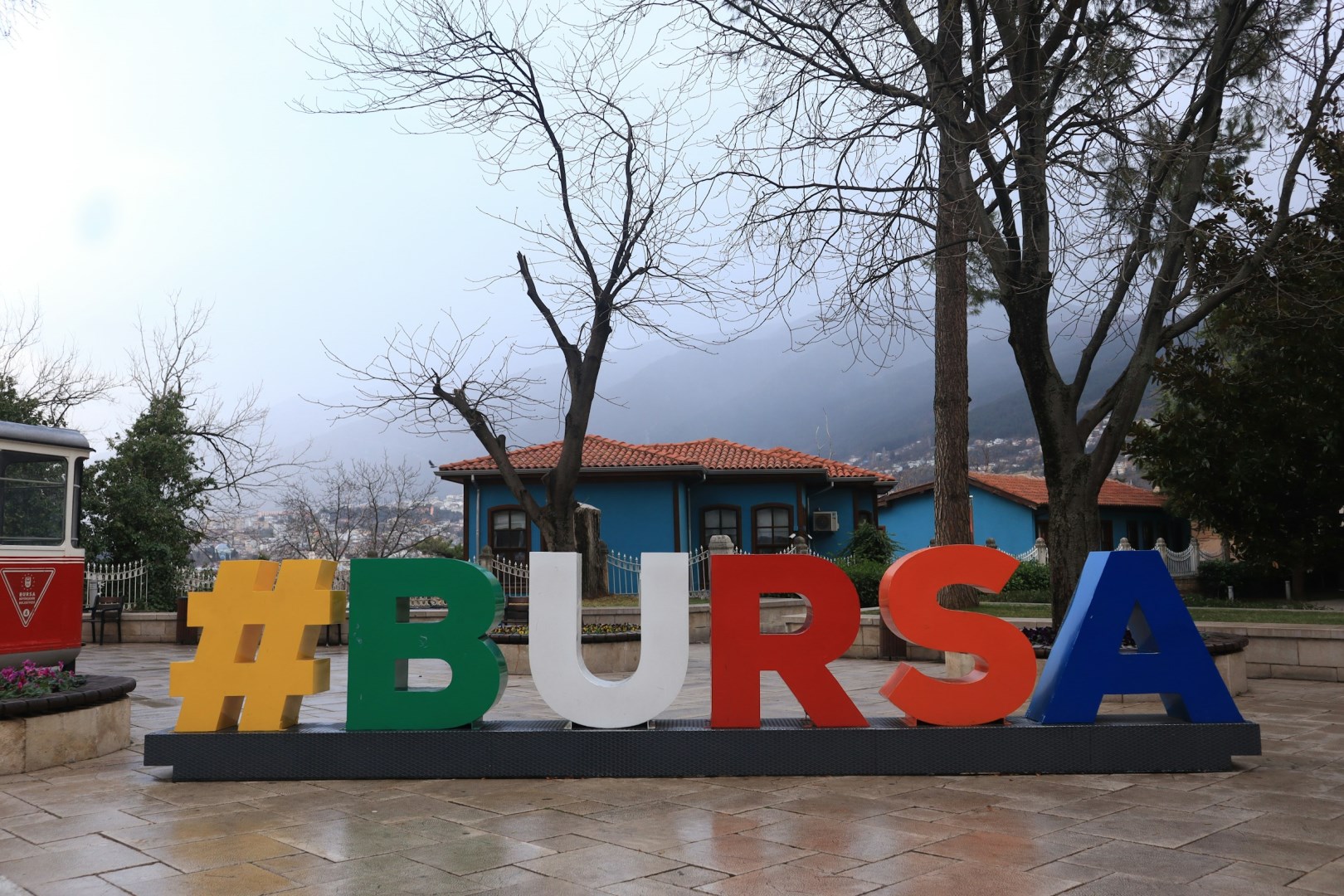
Bursa
Famous for its thermal baths and spas, it is said that the town was founded by Hannibal. It was originally called Prusa after Prusias I, king of Bithynia.
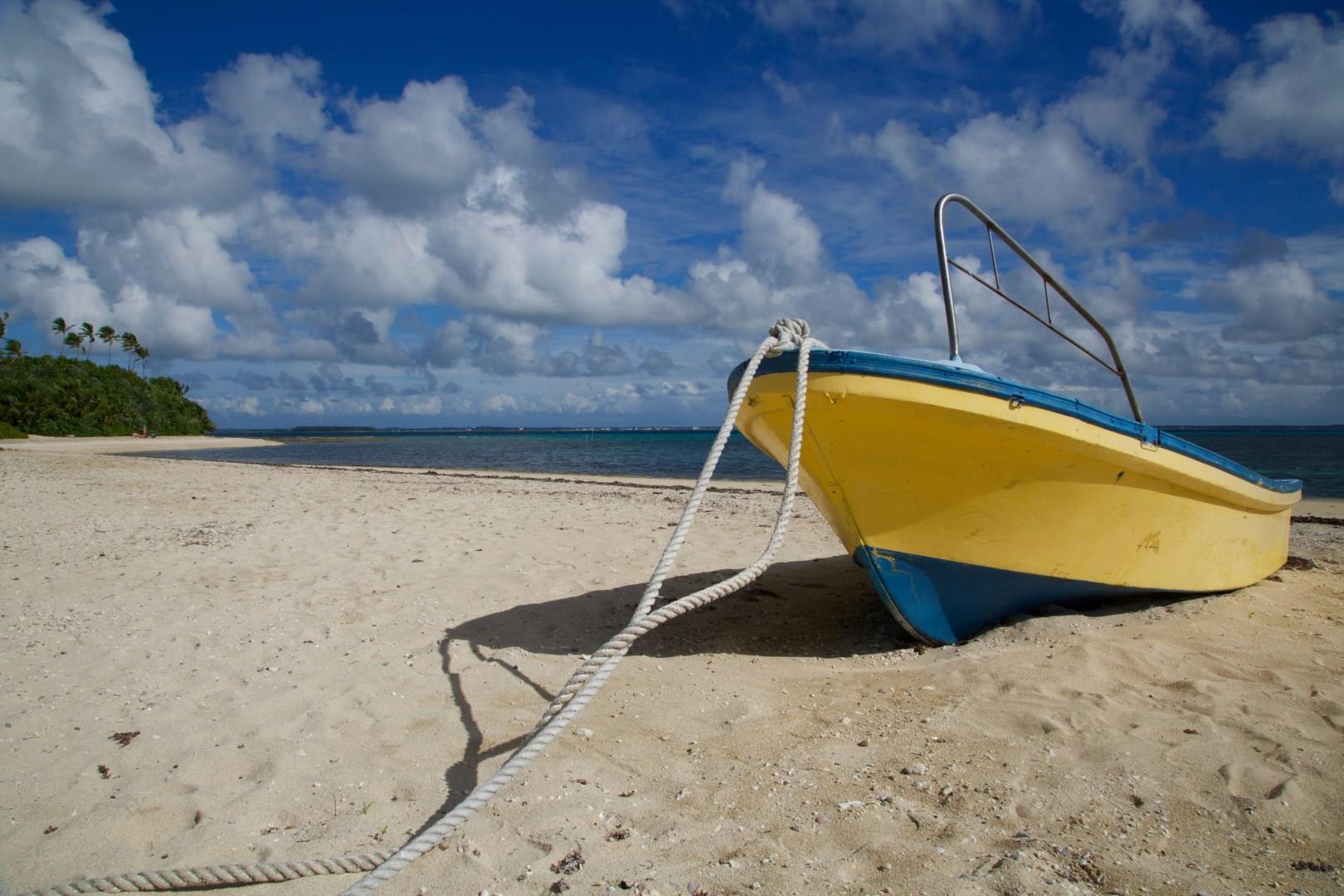
Tonga
Tonga is distinctly different to its neighboring island nations. This Polynesian kingdom, made up of 170 islands, carries a proud history that dates back over 3,000 years. On the main island of Tongatapu, travelers can explore ancient stone structures like the Haʻamonga ʻa Maui Trilithon—sometimes called the Stonehenge of the Pacific. Royal tombs in Lapaha offer a glimpse into the lineage of Tonga’s kings, while village life remains guided by customs that have changed little over centuries.
