
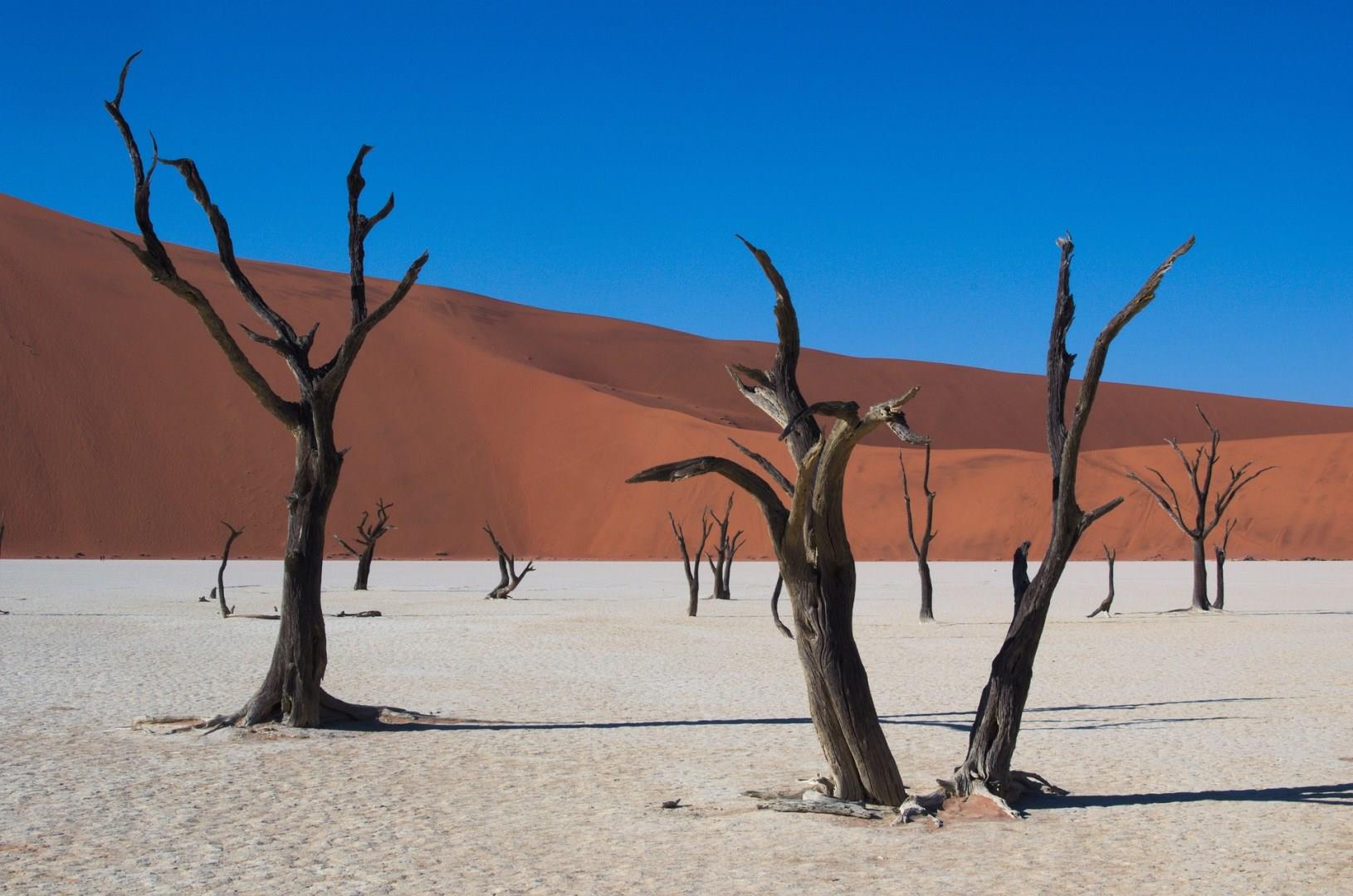
Deadvlei
Dramatic and otherworldly, Deadvlei in Namibia is one of the most surreal landscapes on the planet. Located within the Namib-Naukluft National Park, Deadvlei is a white clay pan that was once an oasis filled with acacia trees. Over 900 years ago, a shift in climate and the encroachment of the towering red sand dunes cut off the river that fed the pan, leaving behind a hauntingly beautiful scene of dead trees that have been perfectly preserved in the arid environment.
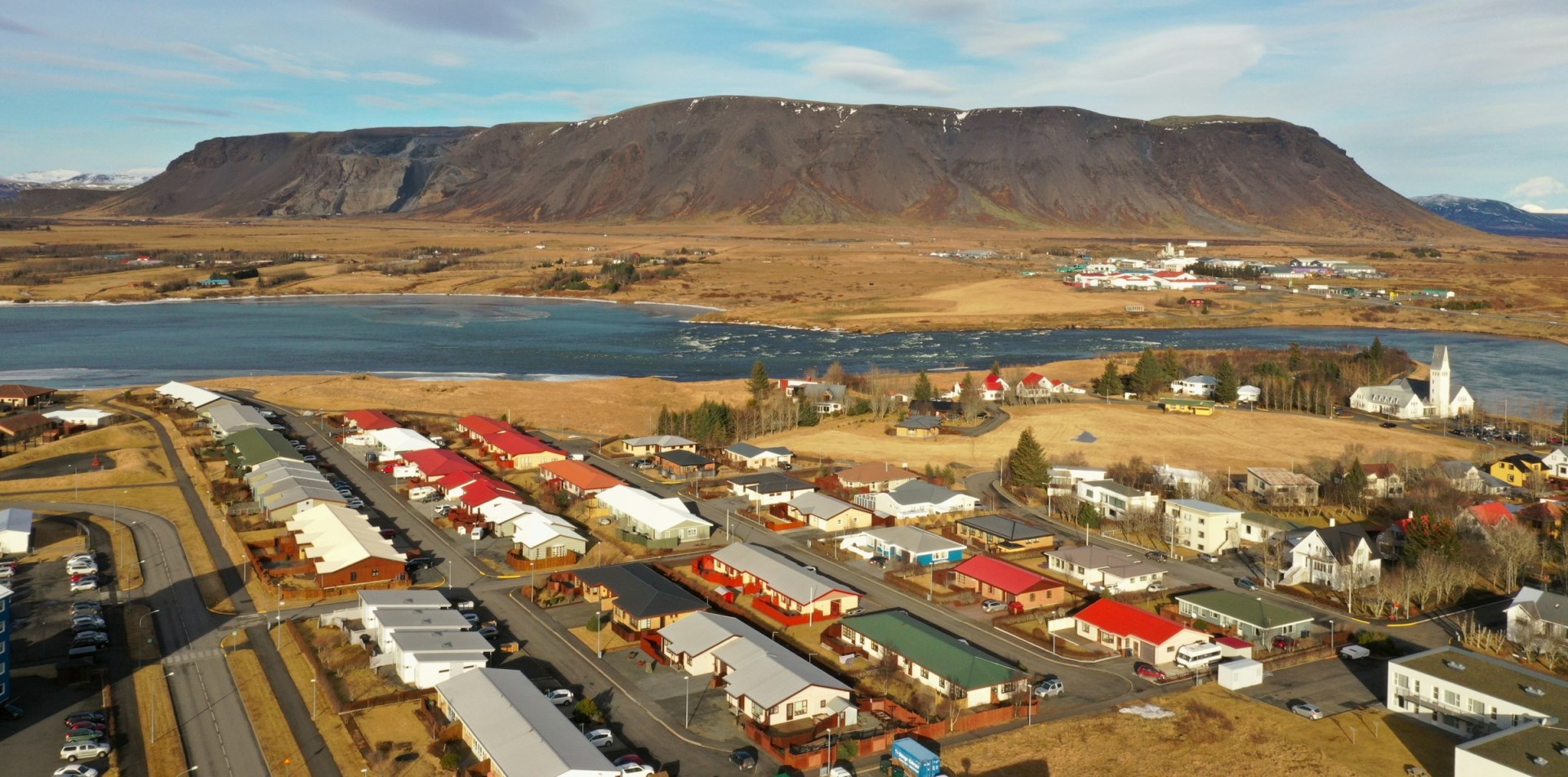
Selfoss
Selfoss is the largest town in South Iceland and an important service center for the surrounding agricultural communities. It stands on the Ölfusá River, whose broad waters are fed by the glacial rivers of Iceland’s southern highlands. The town is relatively modern in appearance, but its position beside the river has long made it an important crossing point and meeting place.
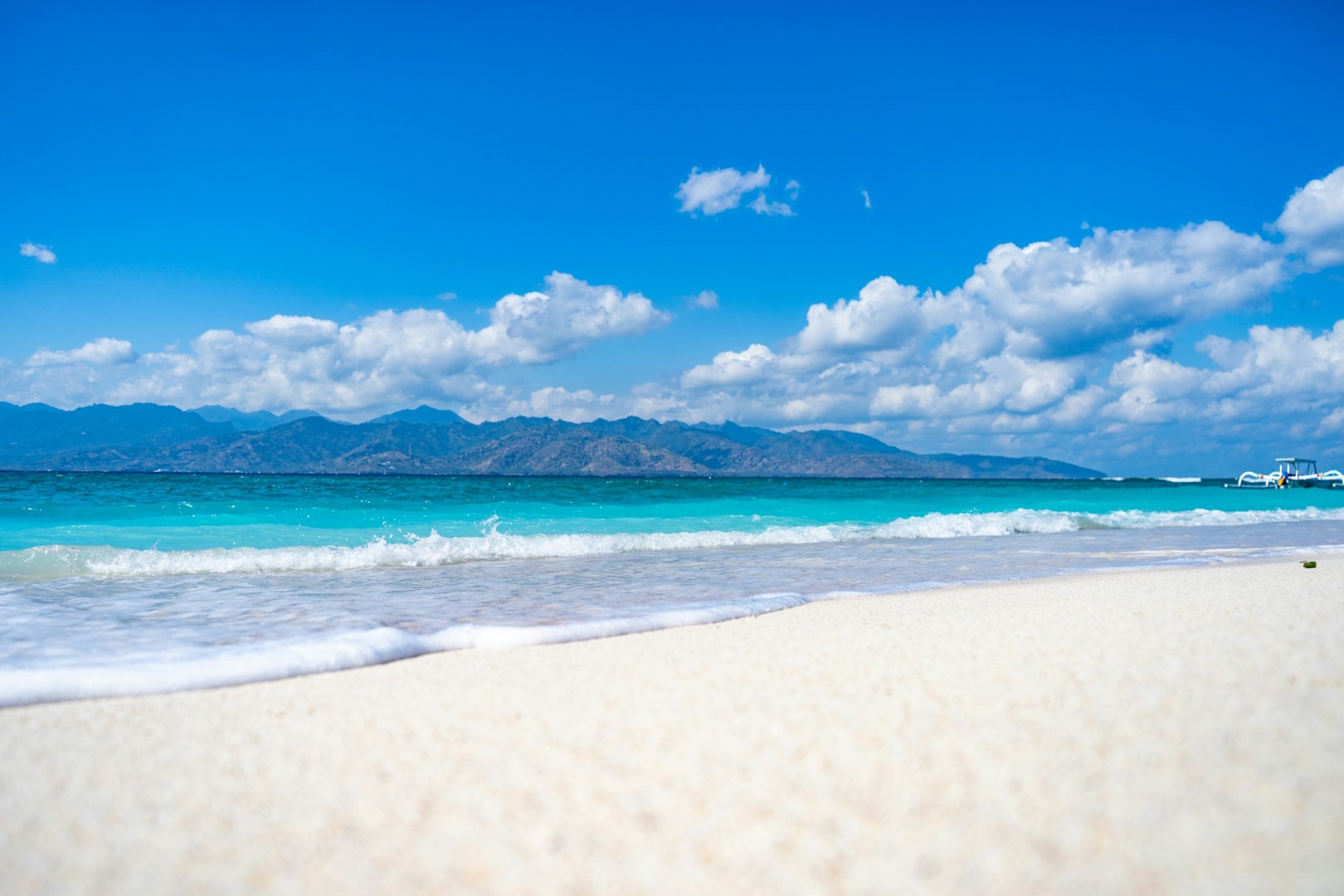
Gili Trawangan
Gili Trawangan is the largest of the three Gili Islands, located off the northwest coast of Lombok in West Nusa Tenggara. The island is surrounded by coral reefs and clear coastal waters, with a sandy shoreline extending around much of its perimeter. Its compact size makes it easy to explore by bicycle or on foot, while horse-drawn cidomo carts provide traditional local transport.
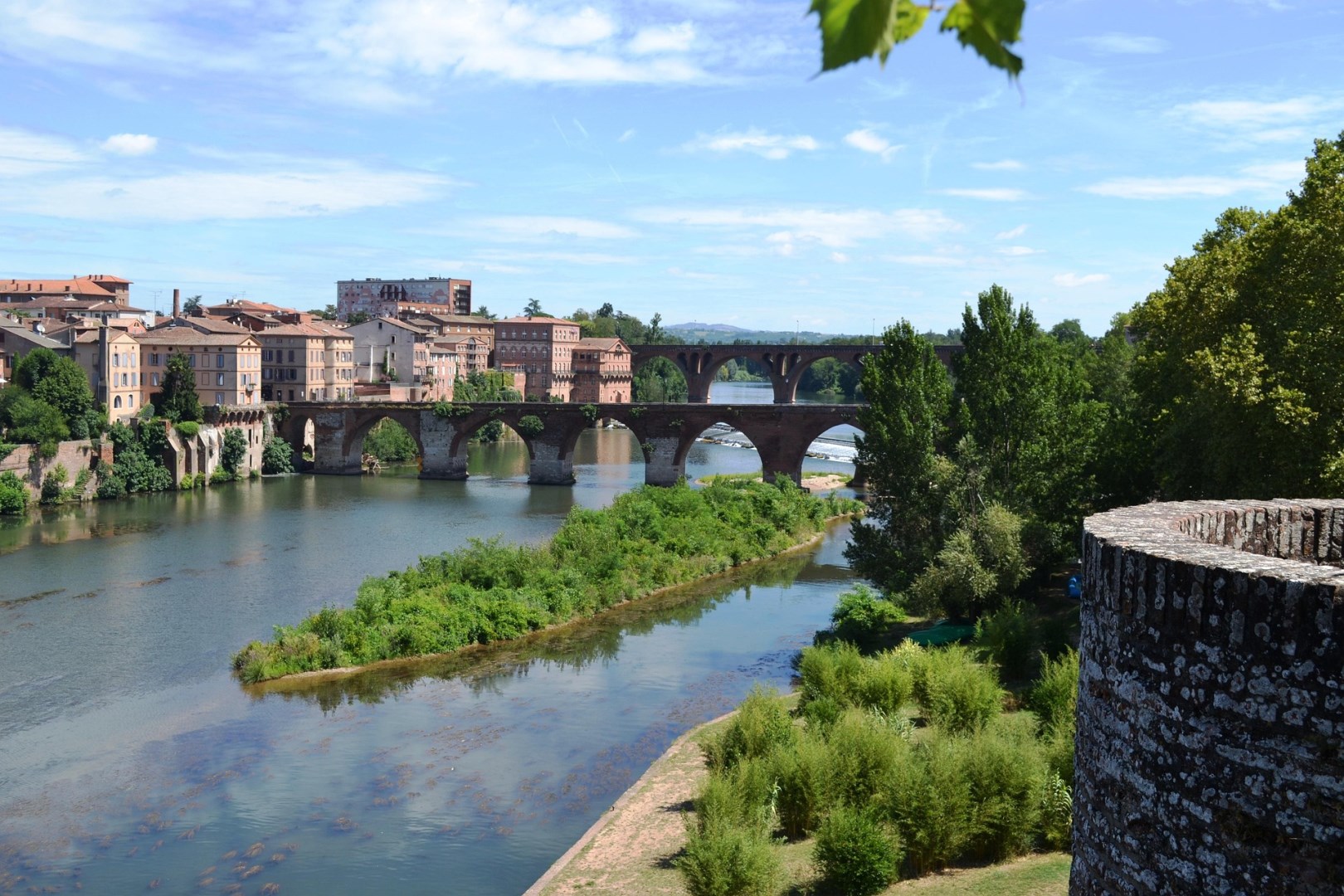
Albi
Albi is a city on the River Tarn in southwestern France, known for its distinctive red-brick architecture and compact historic centre. Its Episcopal City, a UNESCO World Heritage Site, brings together the imposing Sainte-Cécile Cathedral, the former Berbie Palace, the Saint-Salvi quarter, and the Pont-Vieux. The city is often called “Albi la rouge” because of the warm tones of its brick buildings.
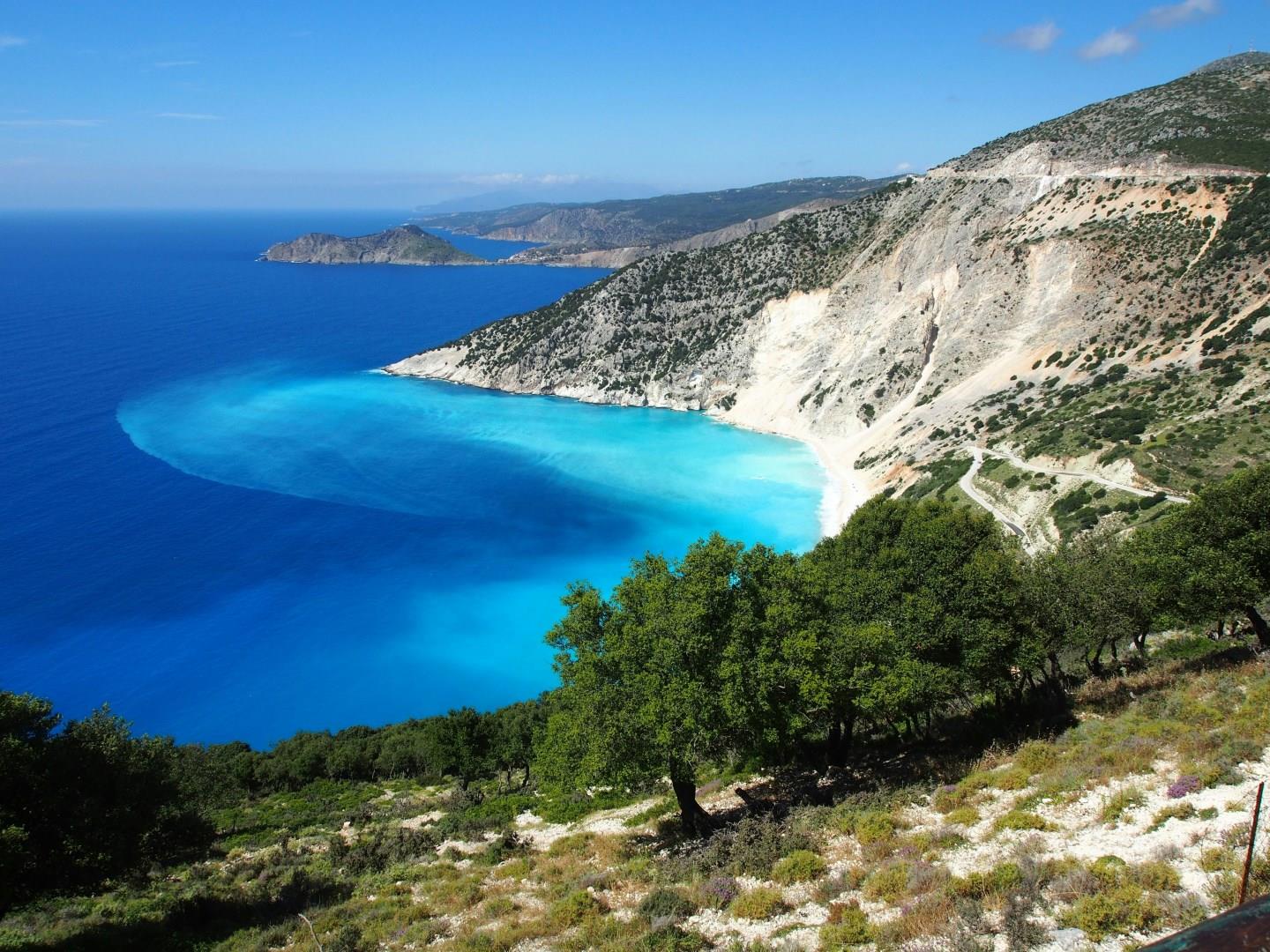
Argostoli
Argostoli sits on the west coast of Kefalonia, Greece’s largest Ionian Island, where a natural harbor meets the Koutavos Lagoon and a waterfront lined with cafés, tavernas, and shops. As the island’s capital, Argostoli blends everyday island life with moments of surprise, from sea turtles surfacing by fishing boats at dawn to historic sites hidden among palm trees and pedestrian streets.
