

England
Welcome to England. The green hills, the noble woodlands, the perfect flowering of architecture and remarkable cultural heritage beckon visitors from around the globe.
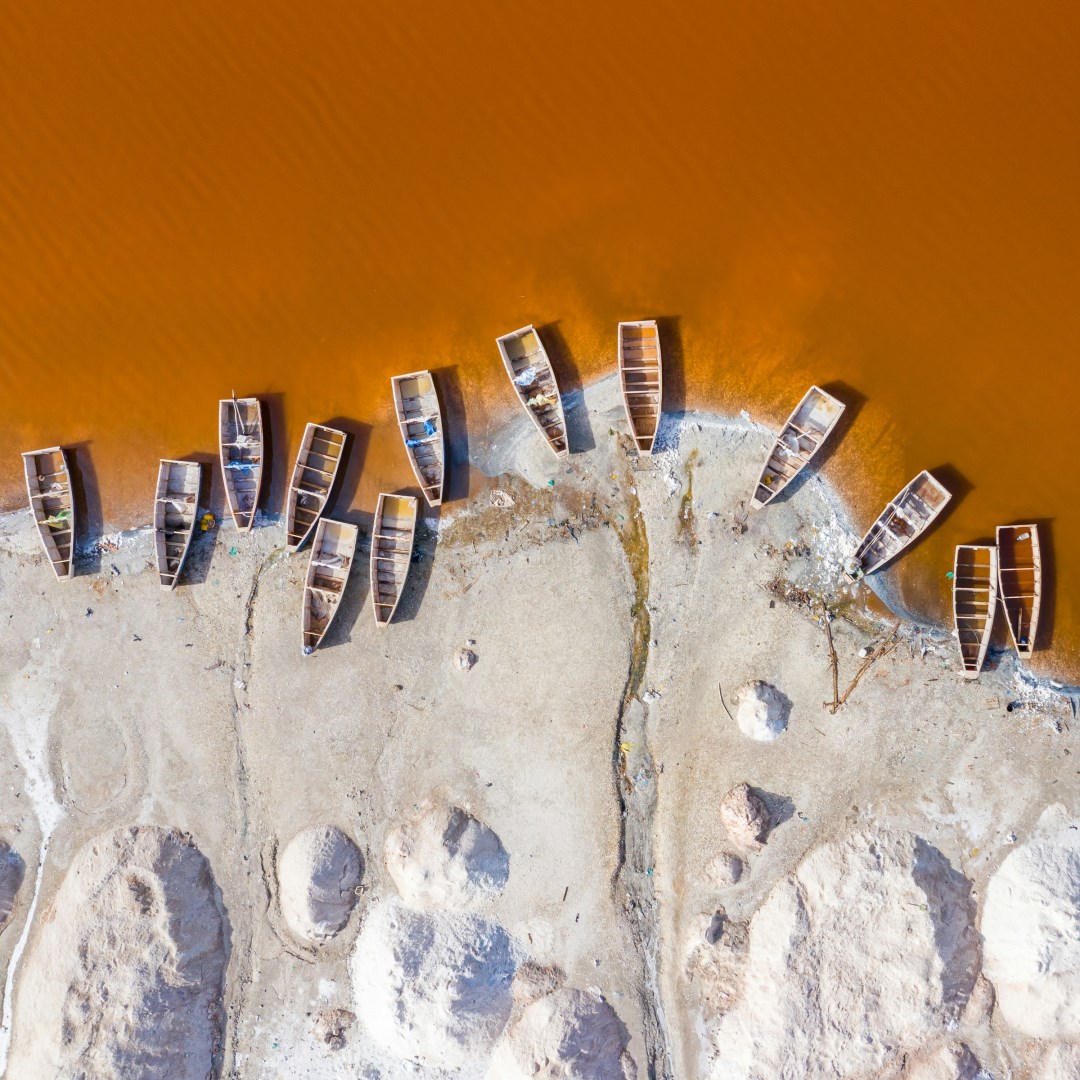
Lake Retba
Lake Retba, also known as Lac Rose, is a shallow salt lake near the Atlantic coast, north of Dakar. Its water is separated from the ocean by a narrow belt of dunes, creating a landscape of pale sand, salt flats, and low scrub. The lake is best known for its high salt concentration, which can produce pink, reddish, or mauve tones under particular conditions of sunlight and water chemistry. Its appearance changes with weather and light rather than remaining one fixed color.

Nanortalik
Nanortalik is a destination that combines pristine natural beauty, thrilling outdoor activities, and authentic cultural experiences. Whether climbing rugged peaks, kayaking through fjords, or simply immersing oneself in the town’s serene atmosphere, Nanortalik provides a unique glimpse into Greenland’s awe-inspiring Arctic world.
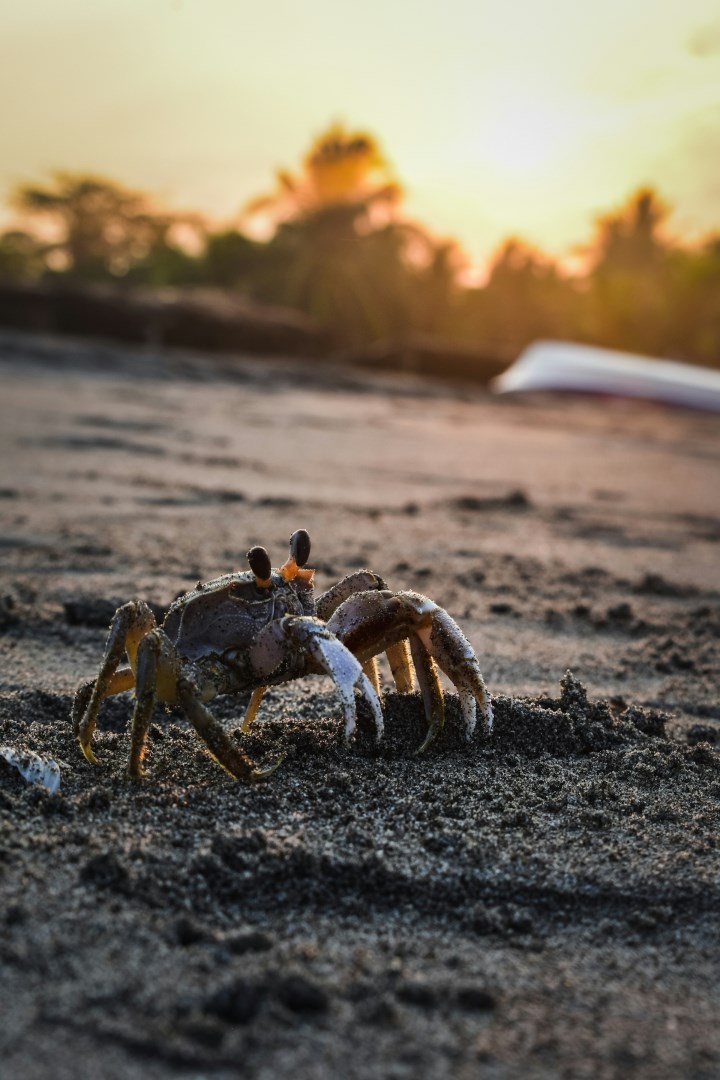
Costa del Sol
Costa del Sol is a coastal resort area in the department of La Paz, extending along a long sandbar between the Pacific Ocean and the estuary system of the Jaltepeque River. Its landscape combines broad sandy beaches, coastal vegetation, tidal channels, mangroves, and calm waterways, creating a setting that differs from El Salvador's more rugged volcanic coastline.
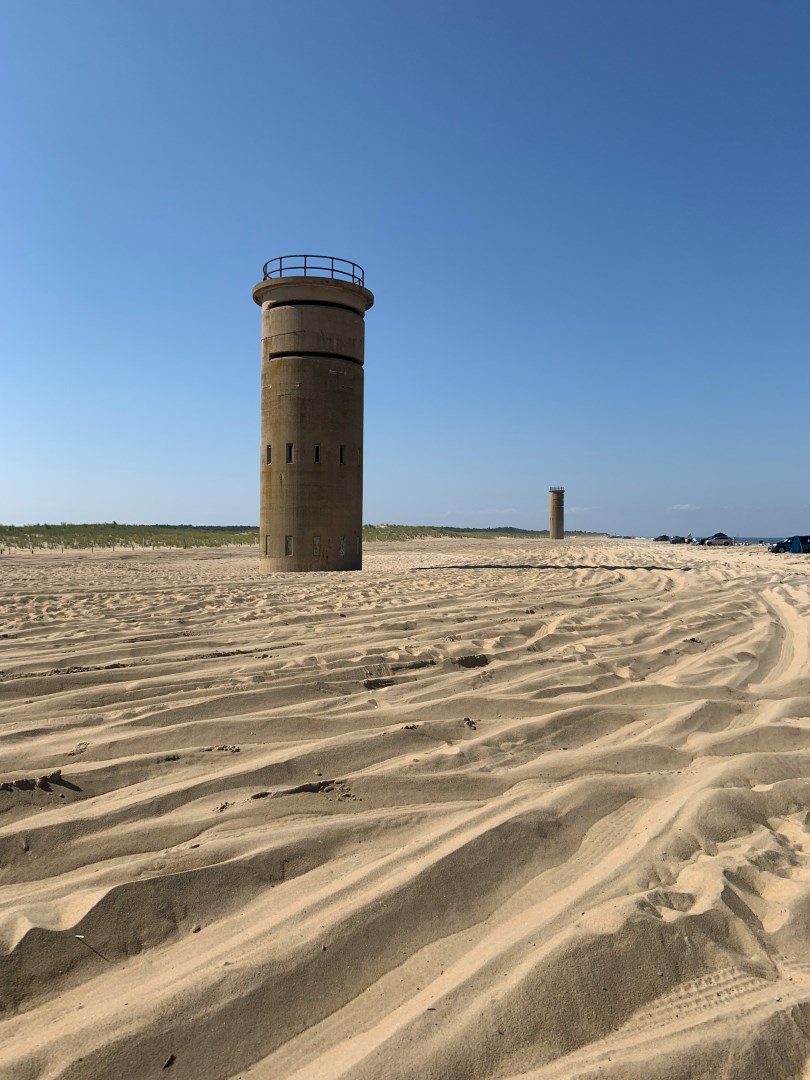
Delaware
Delaware, often called the "First State" for being the first to ratify the U.S. Constitution, offers visitors a unique blend of historical charm, natural beauty, and coastal allure. In Wilmington, history enthusiasts can explore Old New Castle, a preserved colonial town featuring cobblestone streets and beautifully maintained 17th-century buildings.
