
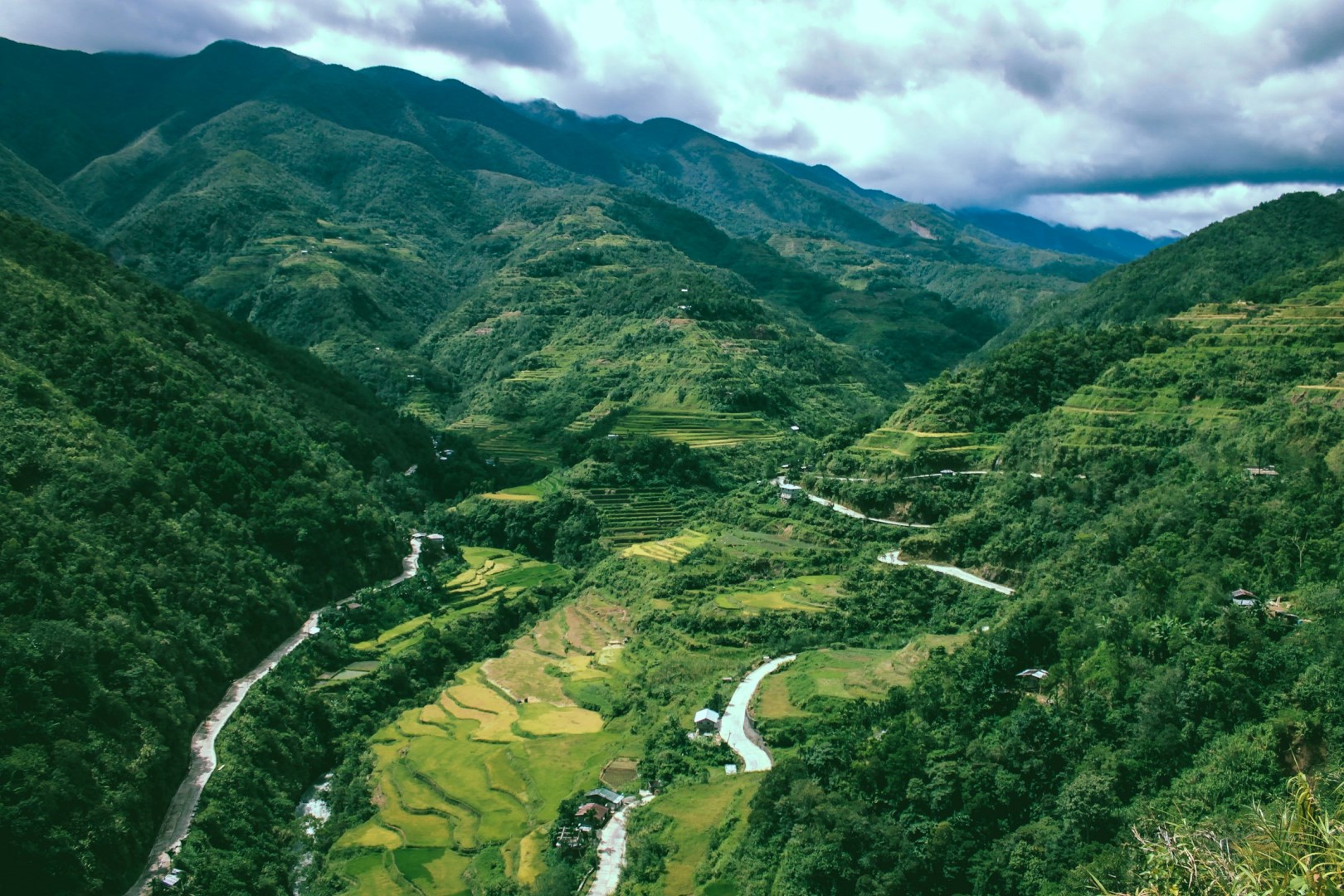
Luzon
Luzon is the 15th largest island in the world, and the most populous island in the Philippines, home to 53 million people and the country’s capital, Manila. Luzon boasts a unique and eye-catching topography, with a variety of terrains and distinct geographical features. The north’s flat coastline and tropical pine forests meet at the site of Mount Pulag, Luzon’s tallest mountain peak.
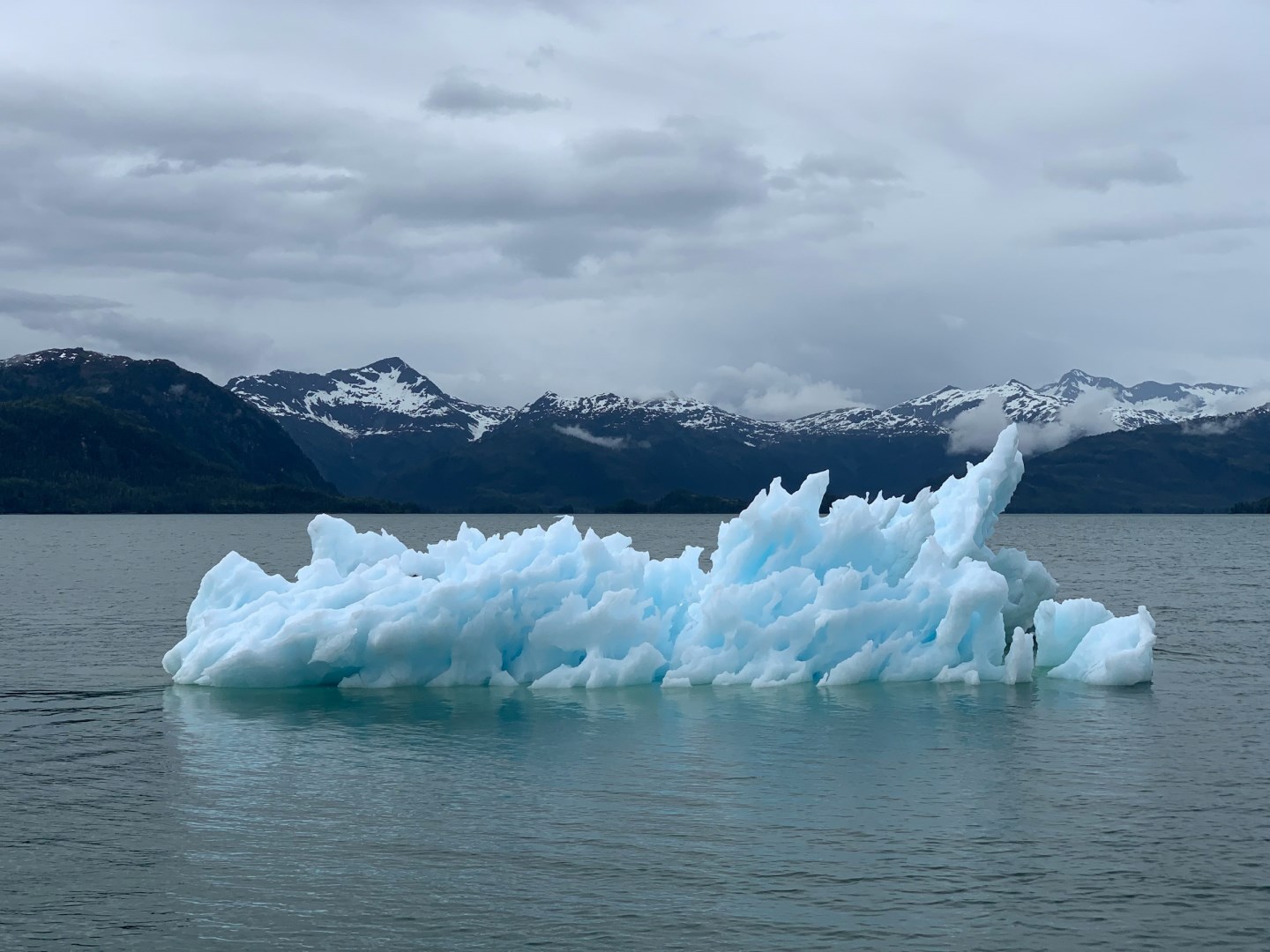
Prince William Sound
Prince William Sound and Resurrection Bay are premier ecosystems with a diversity of wildlife and habitat. Enclosed by high mountains and glaciers, and protected from the high seas by barrier islands, the area is a boater’s paradise. Fiords, bays, coves, lakes, glaciers, mountains and hundreds of islands provide a rich and unspoiled beauty.
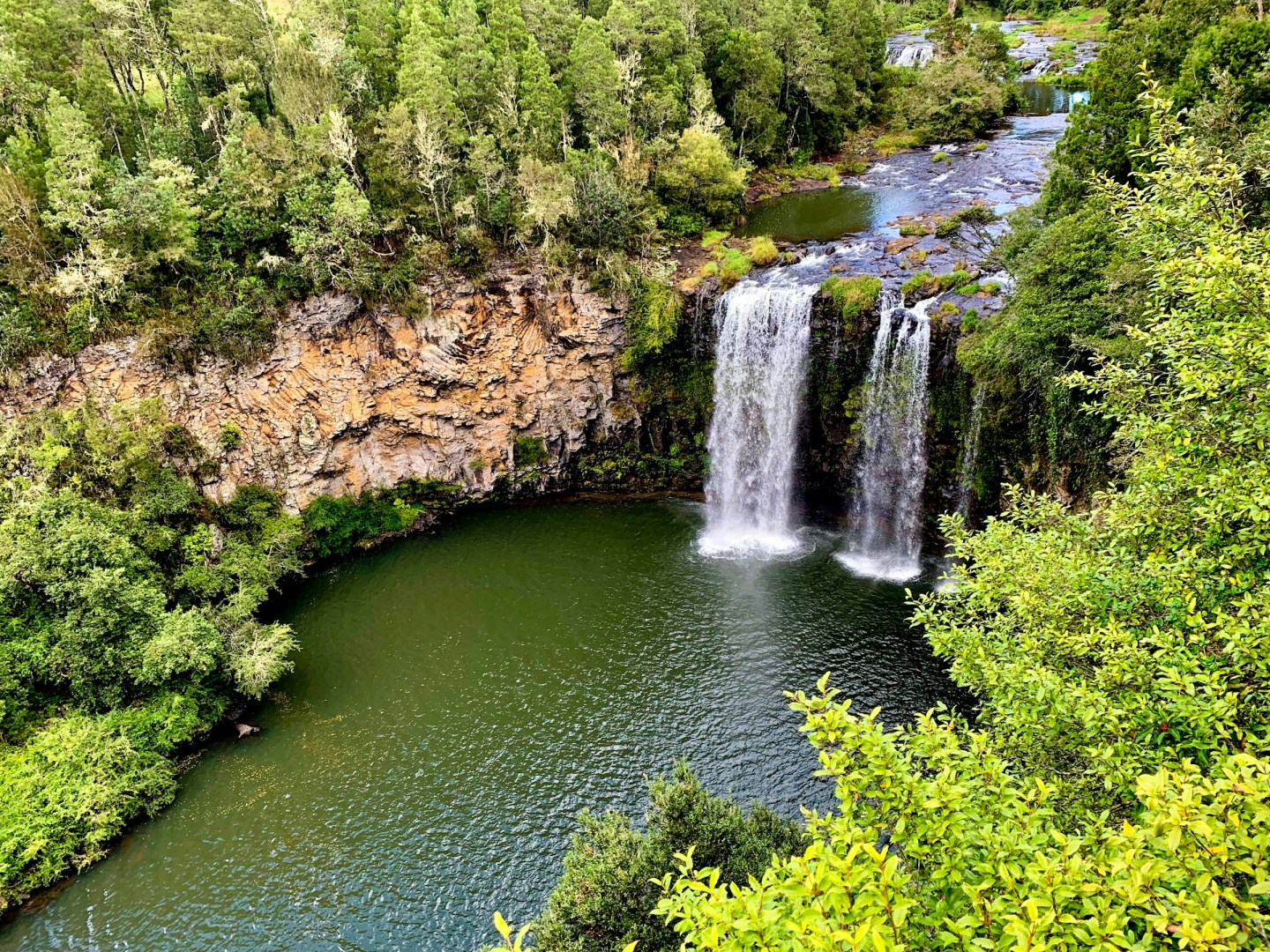
Dorrigo National Park
Dorrigo National Park lies on the escarpment of northern New South Wales, about an hour from Coffs Harbour, where subtropical rainforest covers steep valleys and high country. The park forms part of the Gondwana Rainforests of Australia World Heritage Area, protecting plant communities that preserve links to ancient forests. Its elevated position creates broad views toward the Bellinger Valley and the coast, while dense forest keeps many walking tracks cool and shaded.
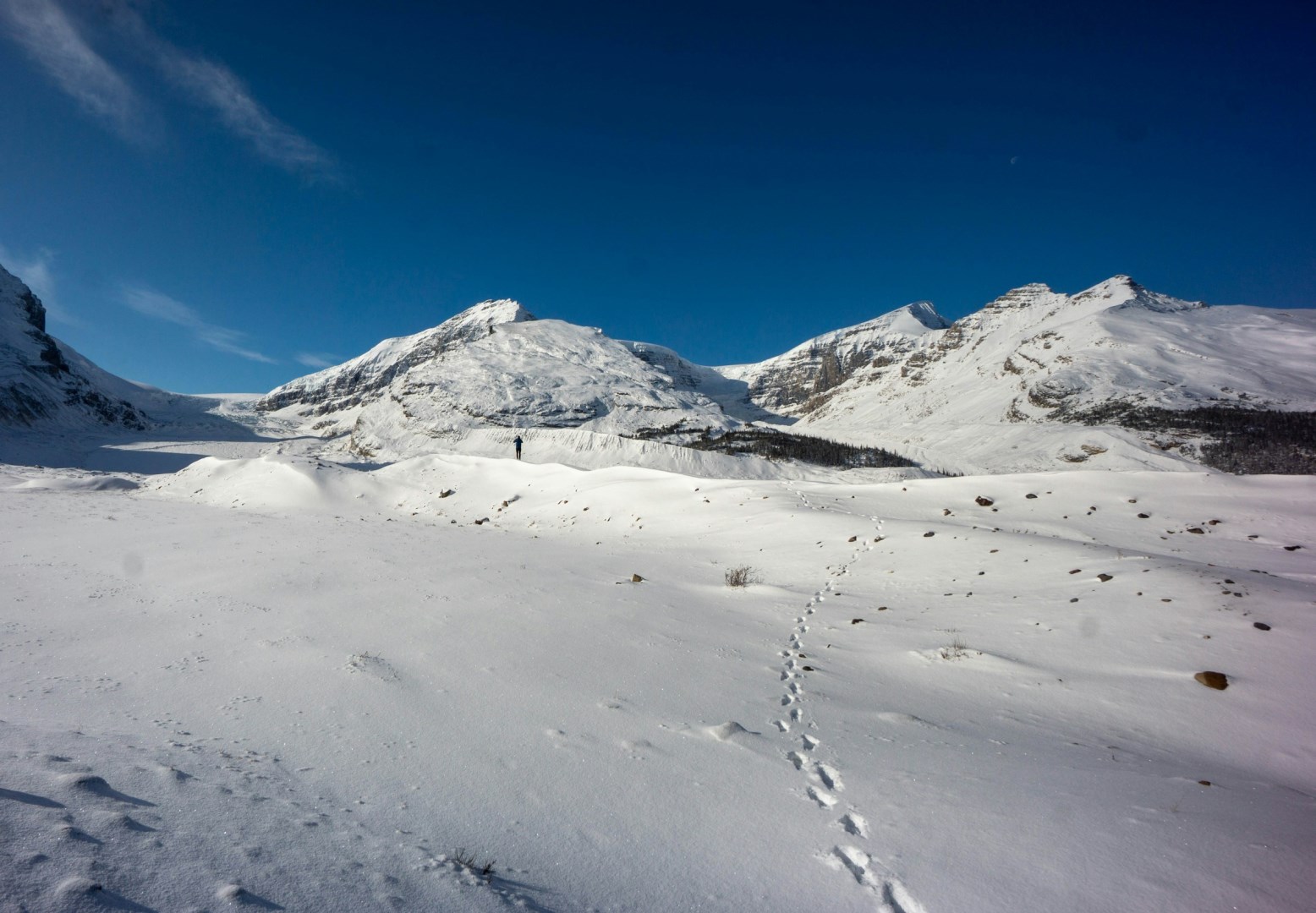
Athabasca Glacier
Athabasca Glacier is one of the most accessible glaciers in the Canadian Rockies, located in Jasper National Park along the Columbia Icefield Parkway in Alberta. It forms part of the Columbia Icefield, a vast area of ice and snow that feeds several major river systems. The glacier extends down from the icefield between rugged mountain peaks, with its lower section visible from a marked viewpoint and trail.
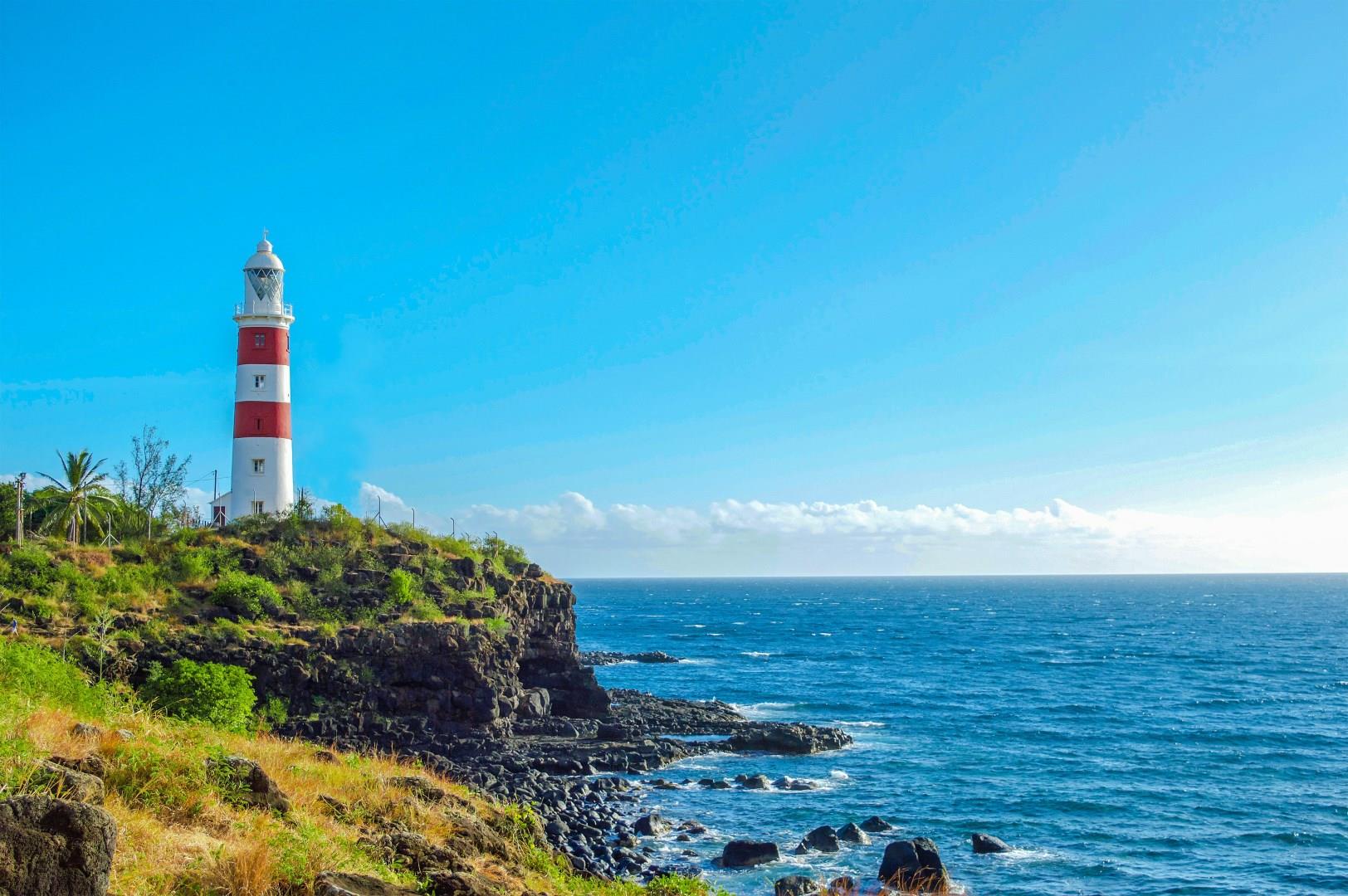
Albion
Albion, a small coastal town on the west coast of Mauritius, is known for its peaceful atmosphere and scenic setting by the Indian Ocean. Unlike some of the island’s more crowded resort areas, Albion offers a quieter escape while still showcasing the natural beauty that makes Mauritius a favorite destination.
