
West Virginia
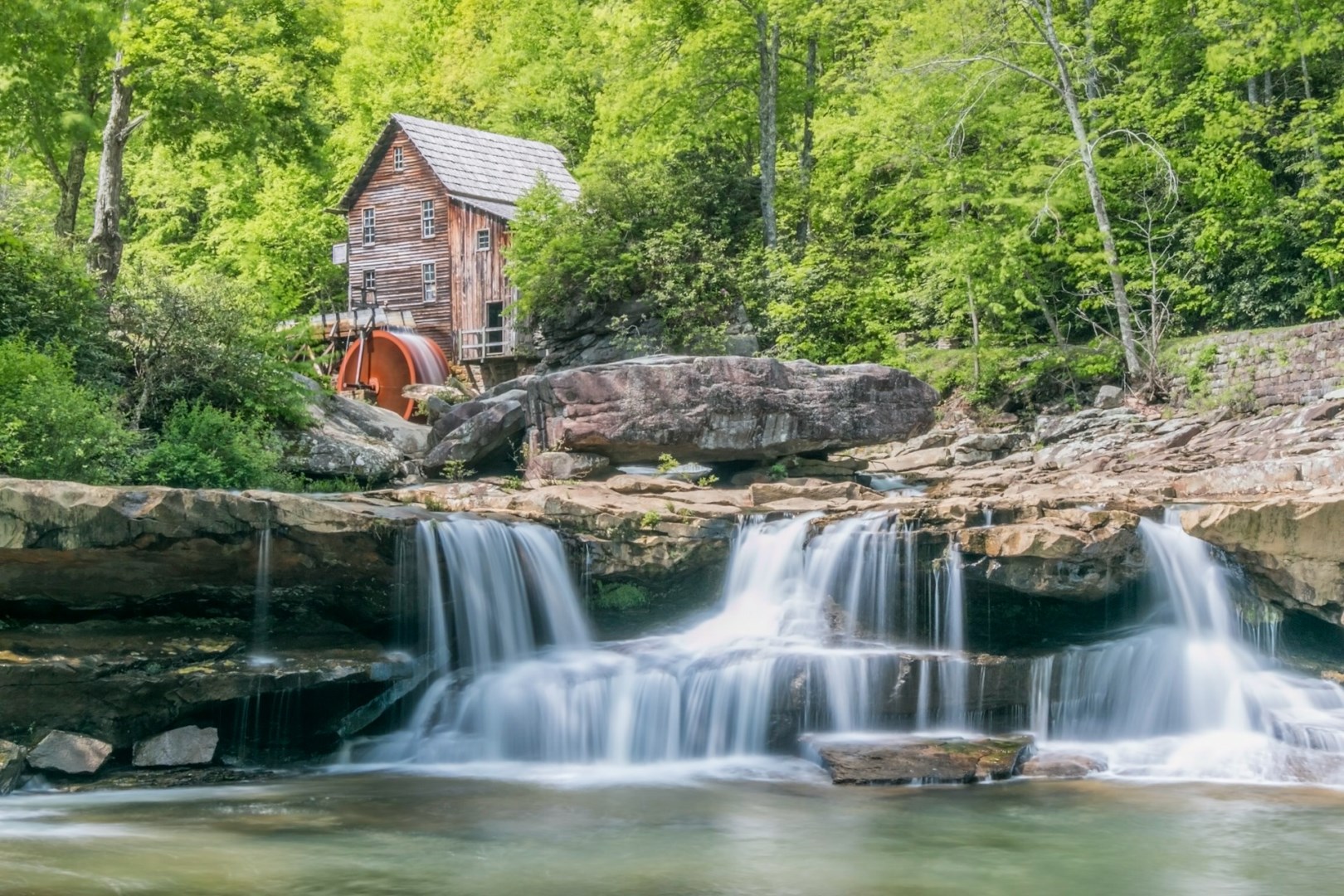
West Virginia offers a travel experience shaped by mountain traditions, surprising culinary finds, and deep historical roots. Today, towns like Harpers Ferry preserve that legacy. Perched at the confluence of the Potomac and Shenandoah rivers, Harpers Ferry feels like a living museum with 19th-century buildings, historical reenactments, and trails that lead directly into the Appalachian Mountains.
Hope Bay
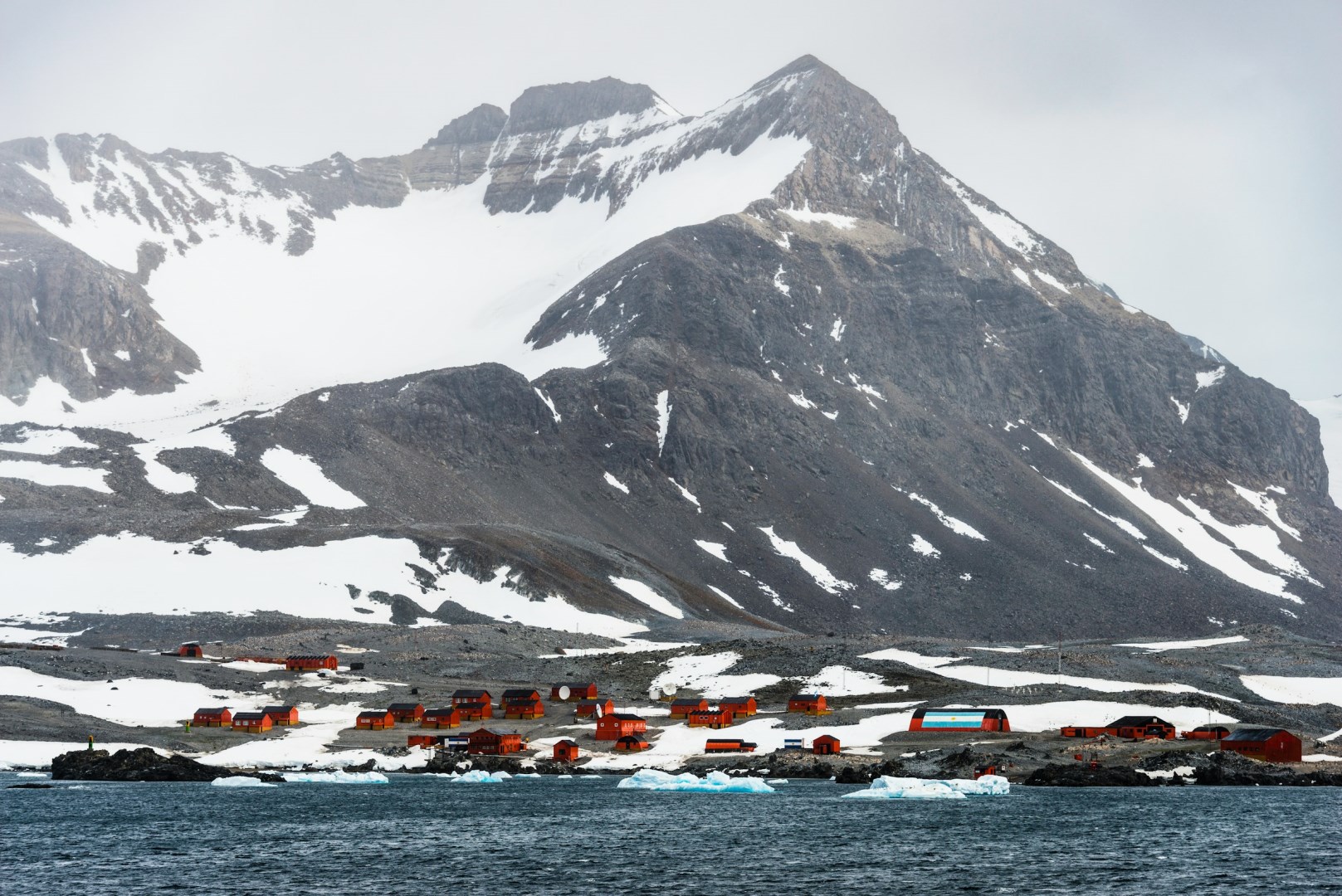
The bay’s environment supports a variety of Antarctic wildlife. Gentoo penguins breed around the shoreline, while skuas and other seabirds can be seen near the colony. Weddell seals and Antarctic fur seals may also occur in the area, particularly around beaches and sea ice. Mount Flora and the surrounding slopes provide a striking backdrop, with exposed rock contrasting against snowfields and glaciers.
Crown Point
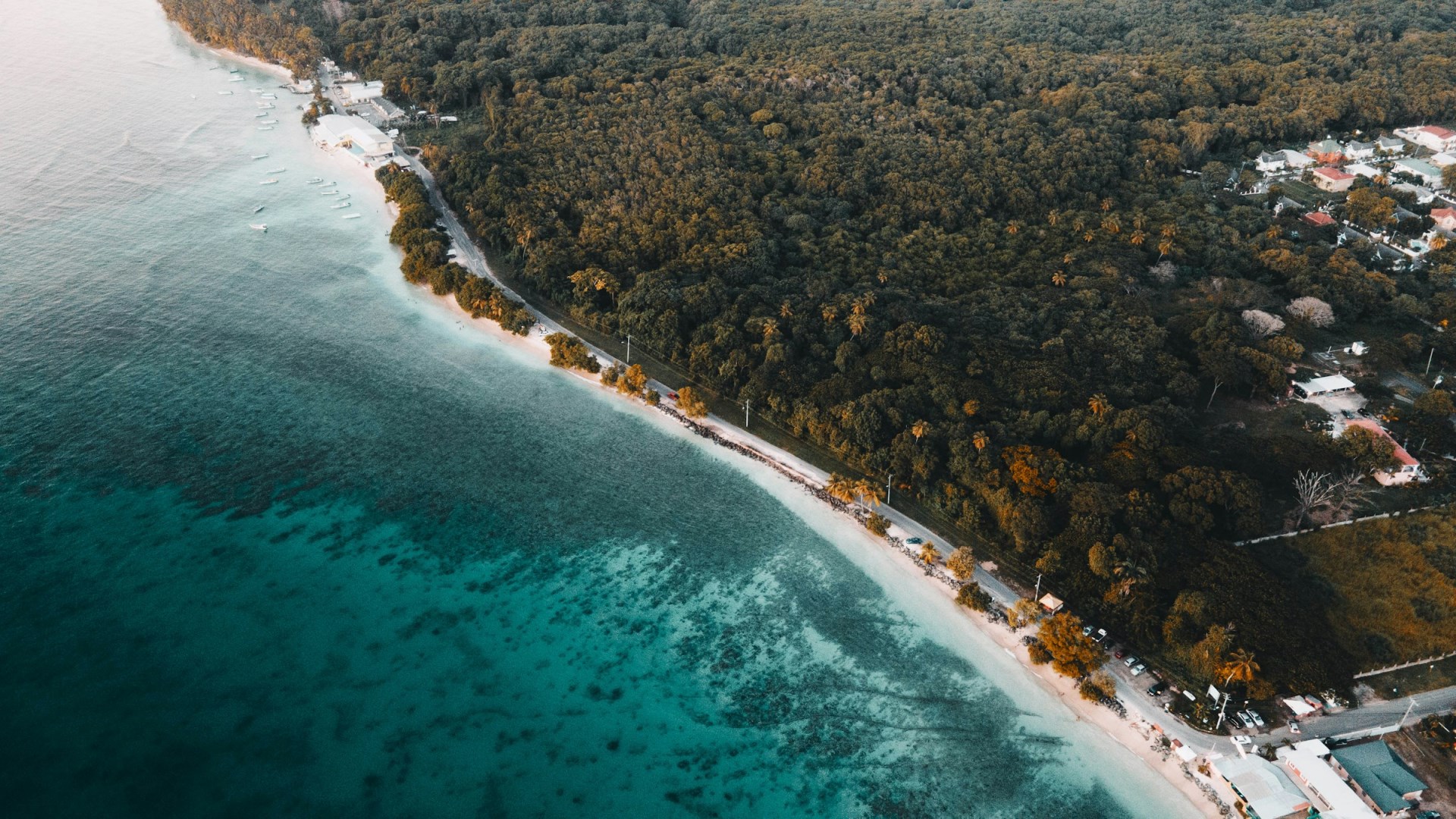
Crown Point is a coastal area at the southwestern tip of Tobago, known for sandy beaches, shallow Caribbean waters, and its proximity to the island’s main airport. The area sits between Store Bay and the shoreline around Pigeon Point, with low hills and tropical vegetation extending inland. Crown Point forms part of Tobago’s main visitor district, with hotels, guesthouses, restaurants, shops, and small businesses spread through the surrounding communities.
Lugano
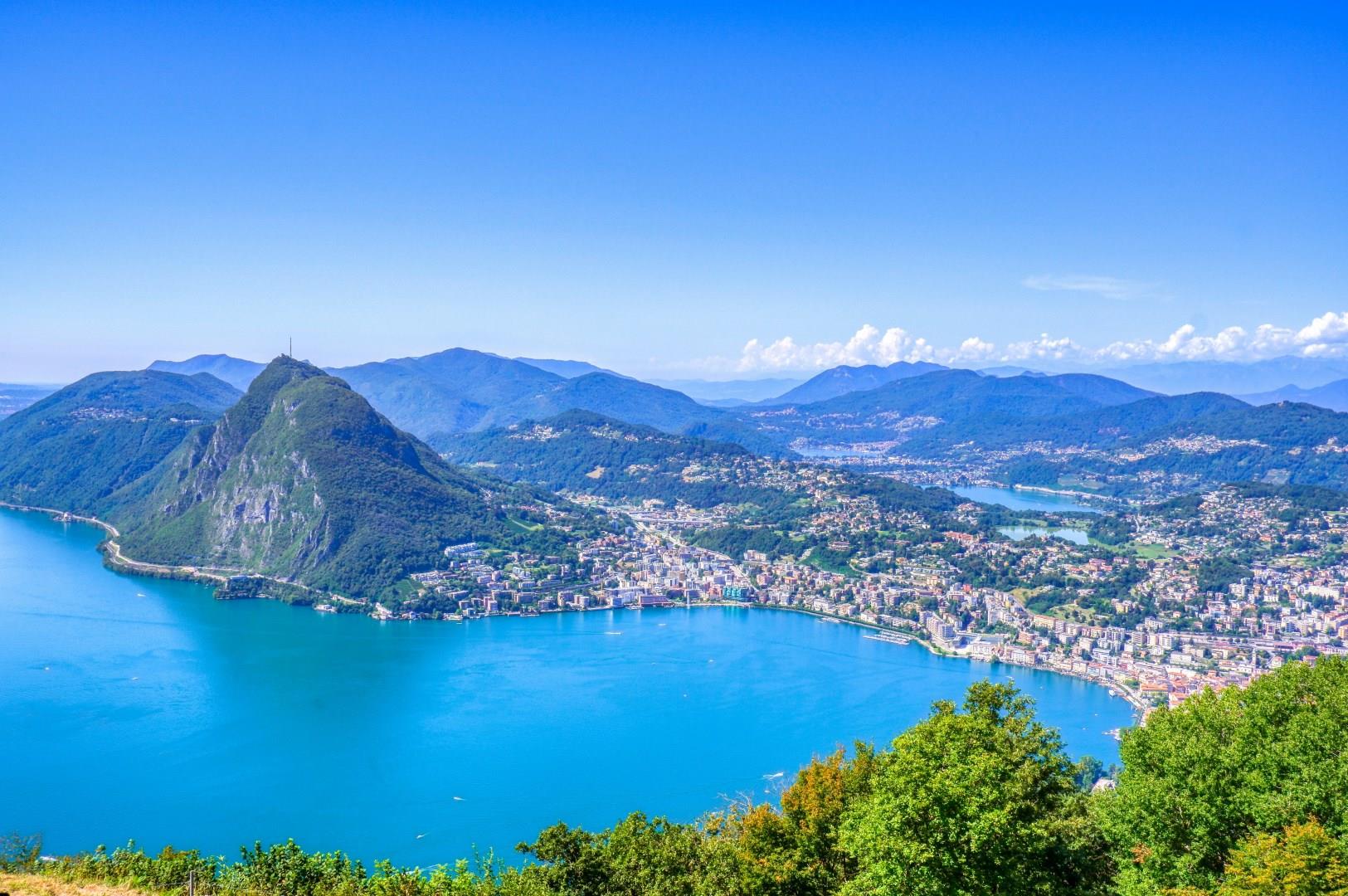
Lugano, tucked into Switzerland’s Italian-speaking Ticino region, blends Mediterranean flair with Alpine elegance. The city sits on the northern shore of Lake Lugano, its pastel-colored villas and palm-lined promenades framed by surrounding mountains such as Monte Brè and Monte San Salvatore.
Robe
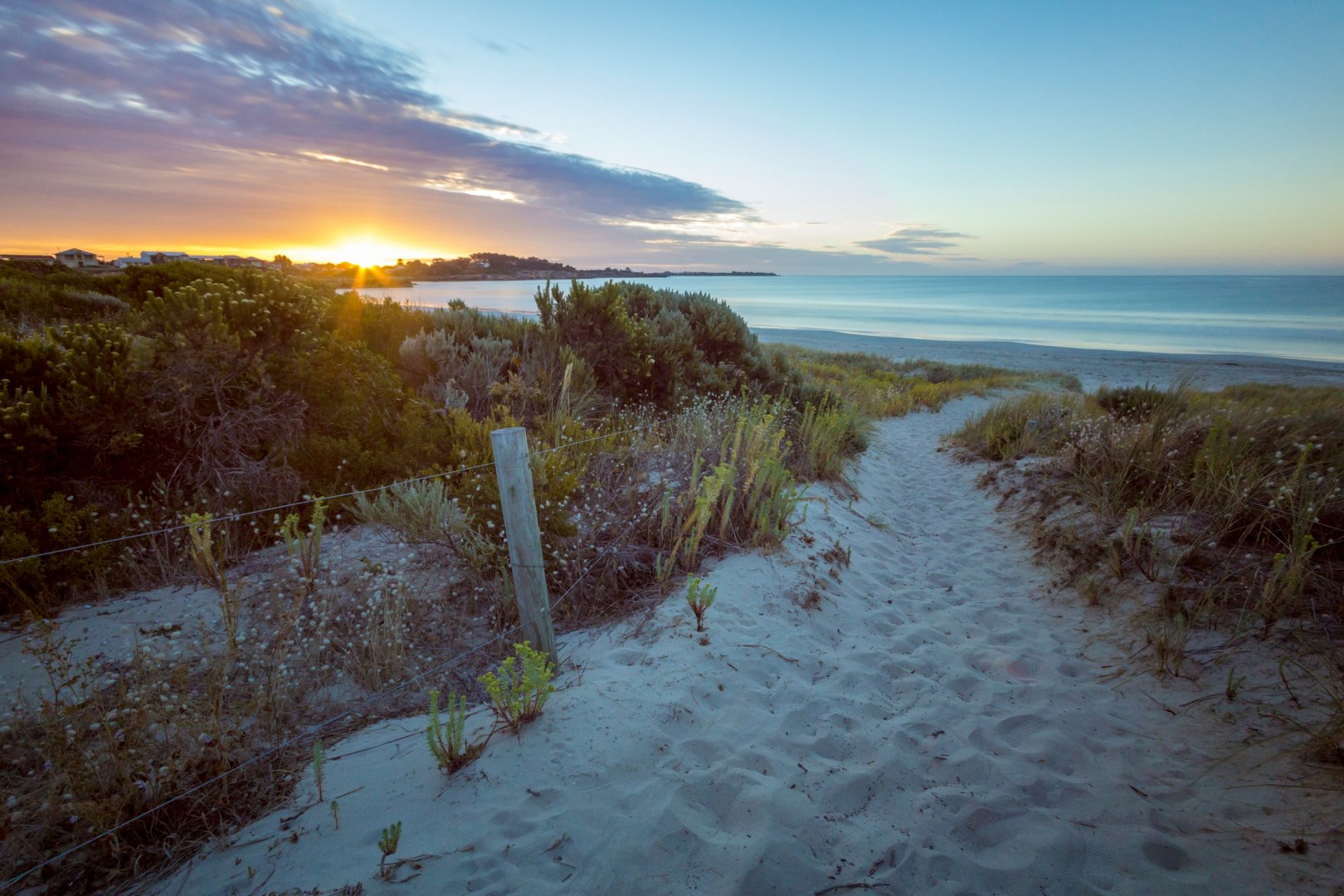
Robe is a small coastal town on South Australia’s Limestone Coast, overlooking Guichen Bay between long beaches, low dunes, lakes, and rocky headlands. Its setting combines a working fishing community with a historic town center containing numerous heritage-listed buildings. Robe developed as a port serving the pastoral districts of the southeast, and its maritime character remains visible around the harbor and waterfront.
