
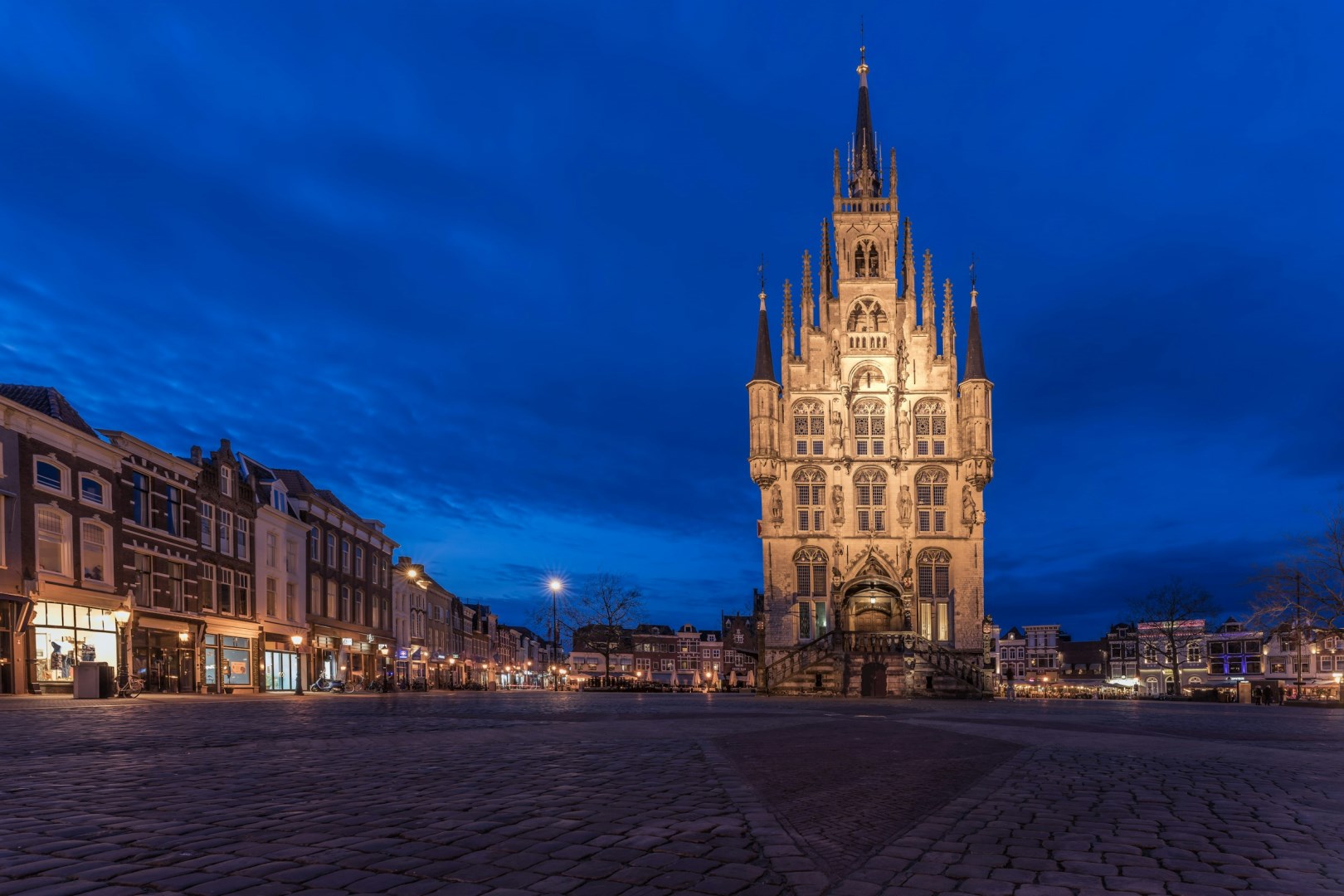
Gouda
Gouda is a historic city in South Holland, situated where the Gouwe and Hollandse IJssel waterways meet. Its compact center is known for canals, brick houses, bridges, and a network of narrow streets surrounding the Markt, one of the Netherlands’ largest historic town squares. The Gothic St. John’s Church dominates the square and is particularly notable for its extensive collection of stained-glass windows.
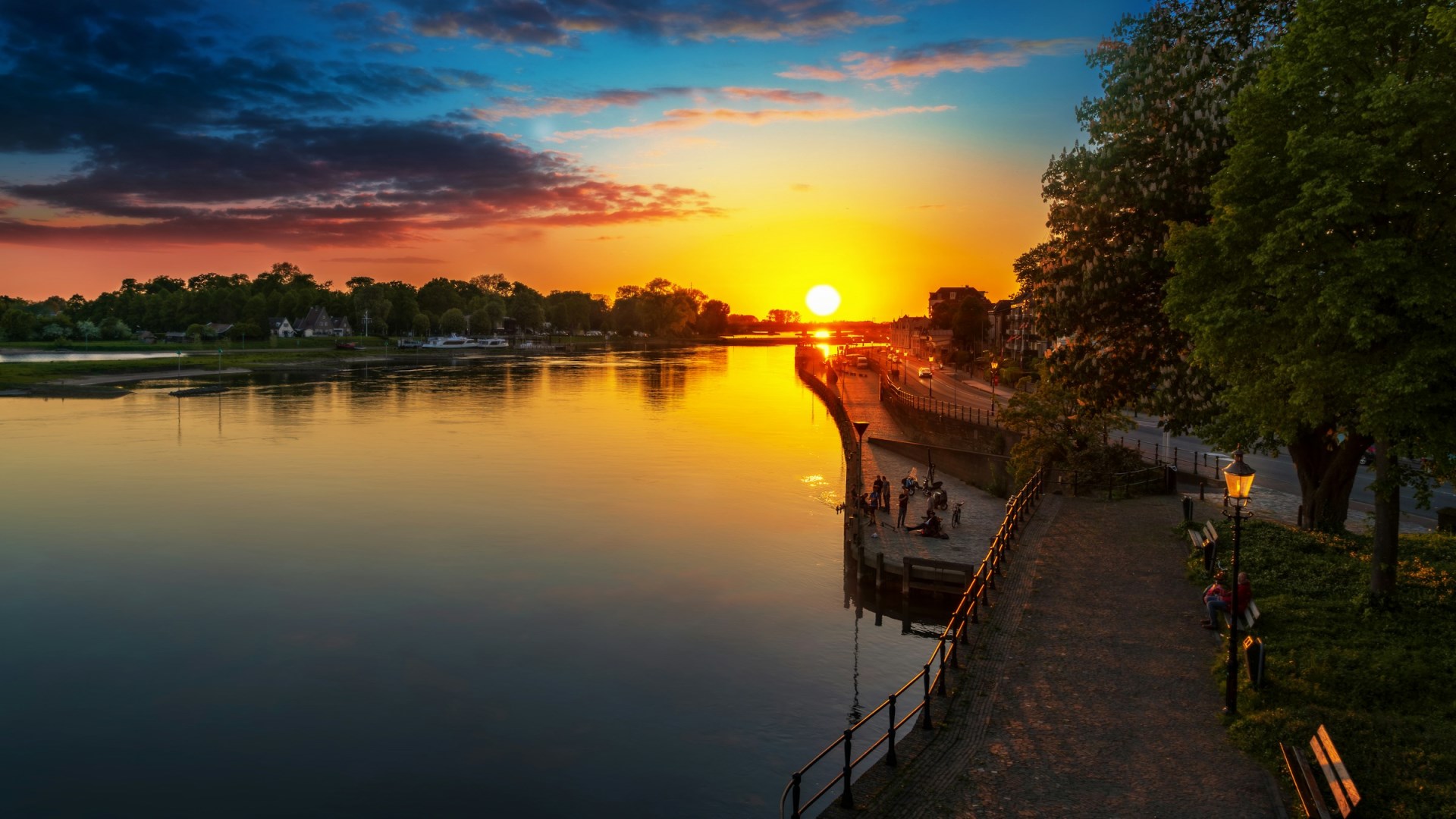
Ijssel River
The Ijssel is is a slow-moving lowlands river flowing northeastward through the Netherlands as a distributary of the Rhine.
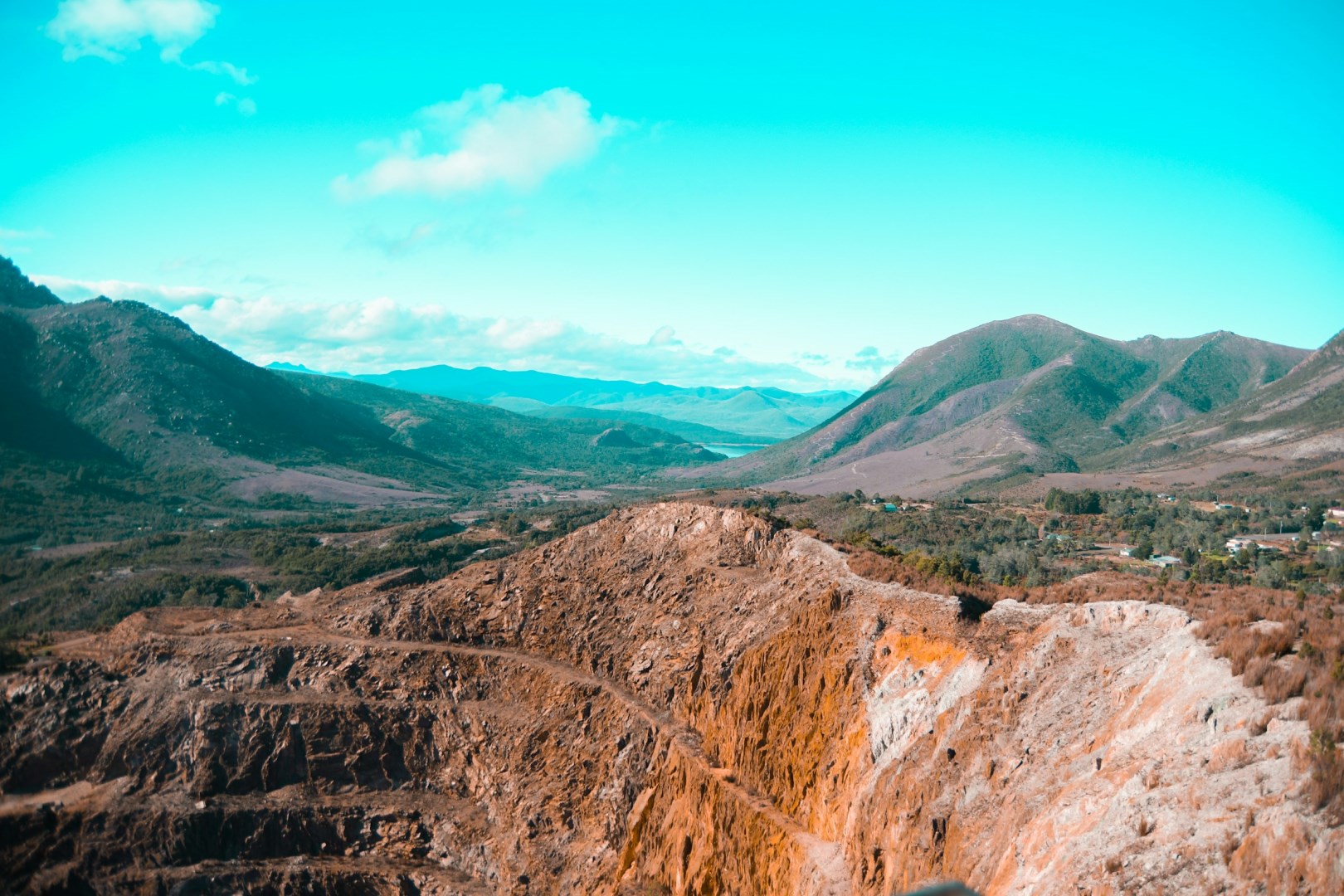
Queenstown Tasmania
Queenstown started off as a major gold mining area, based around the Queen River Valley. This then developed into a profitable copper mining area, which was still running until 1969. There are a variety of things to do in Queenstown, and it is a good base from which to explore western Tasmania.

Australia & New Zealand
Australia and New Zealand each have their own identities, shaped by indigenous heritage, colonial history, and vibrant contemporary cultures. Visitors can travel between the two in just a few hours, yet find themselves in entirely different worlds.
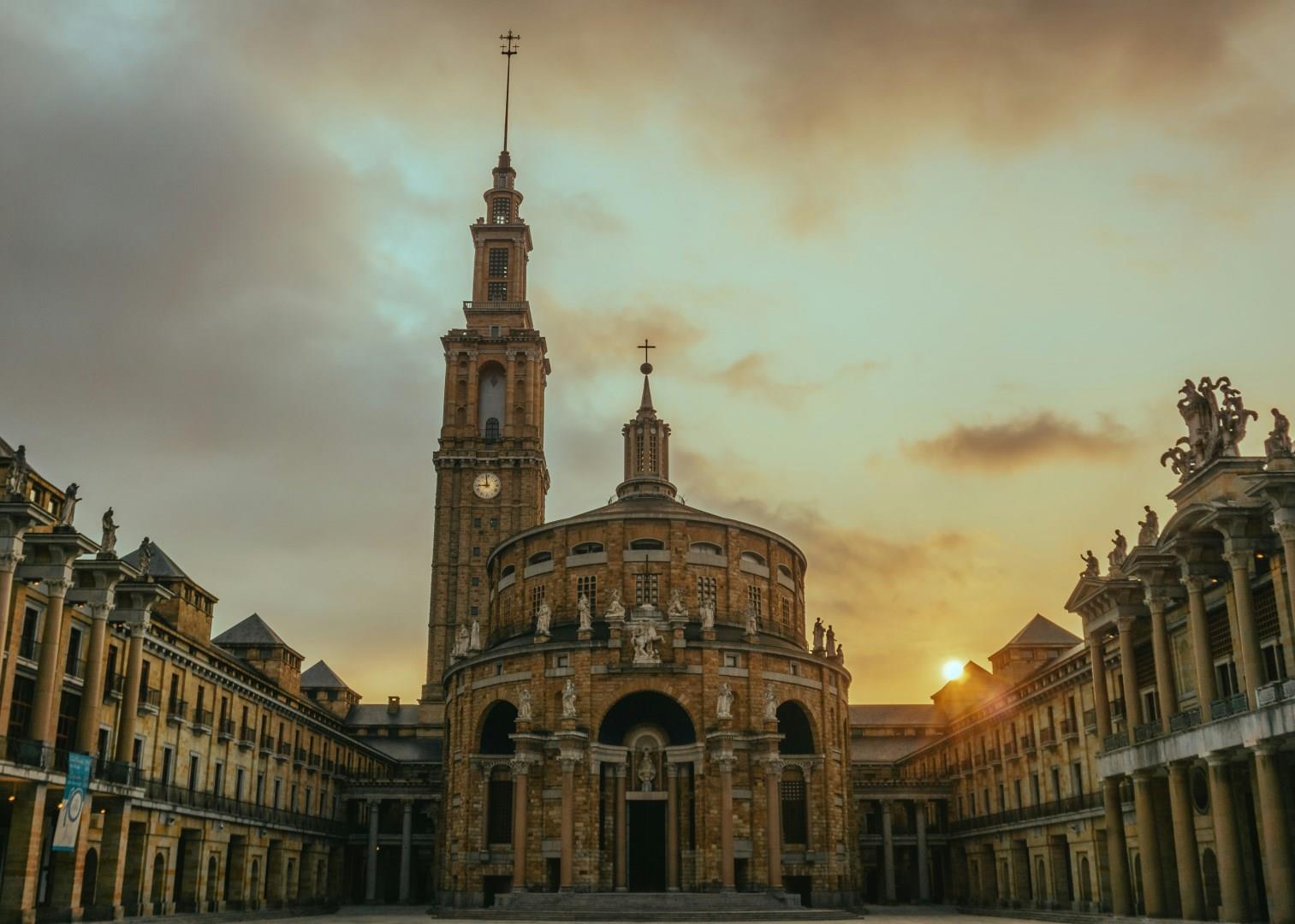
Gijon
Gijón sits on Spain’s northern coast in Asturias, shaped by its long relationship with the Cantabrian Sea. From its origins as a Roman settlement to its later growth as an industrial and port city, Gijón has balanced maritime work with civic life.
