
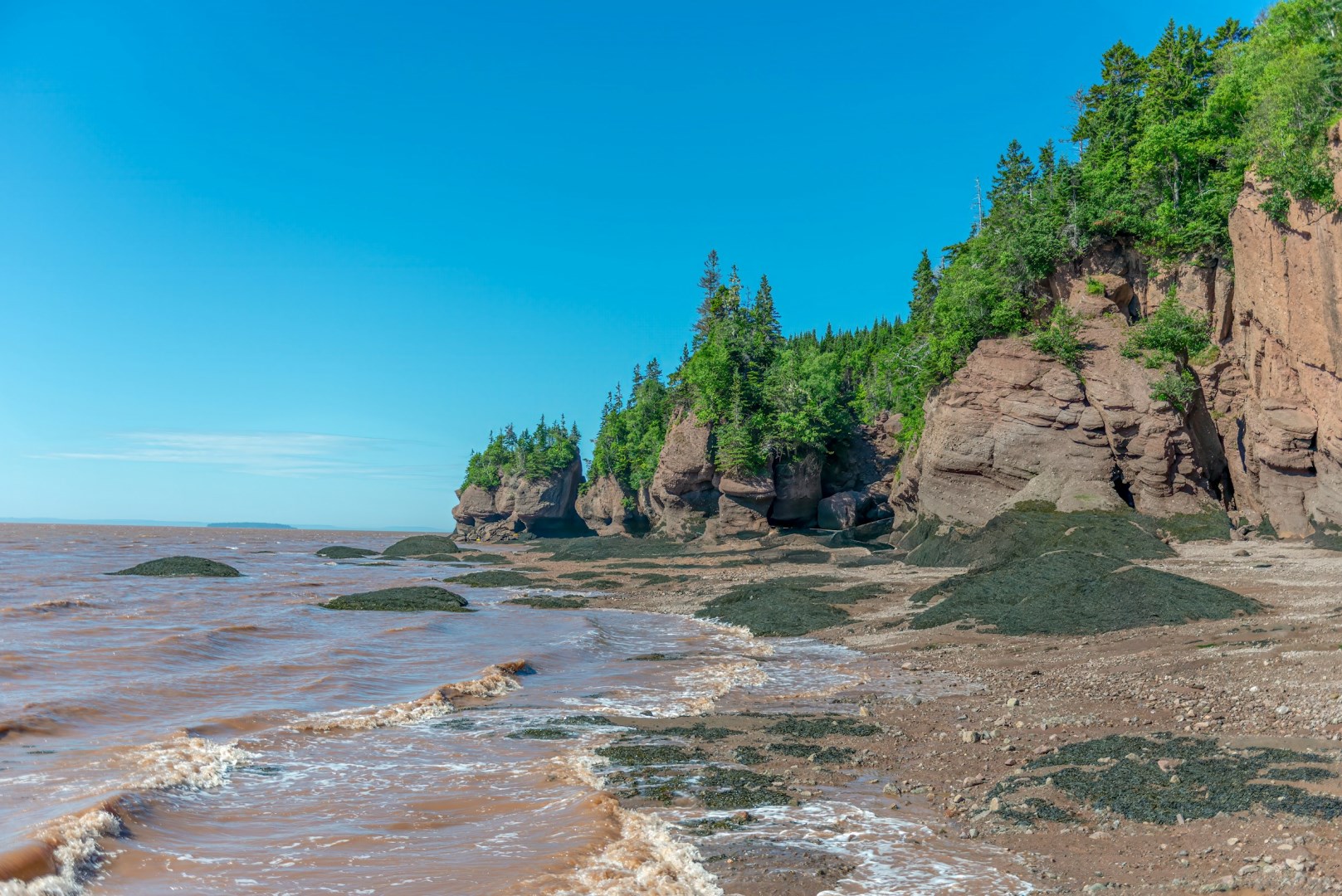
Fundy National Park
Fundy National Park is located along the Bay of Fundy coast in southeastern New Brunswick, where forested hills meet one of the world’s most pronounced tidal environments. The park protects a varied landscape of coastal cliffs, salt marshes, dense Acadian forest, lakes, and river valleys. Its shoreline experiences dramatic changes in water level as the Bay of Fundy’s tides move in and out. T
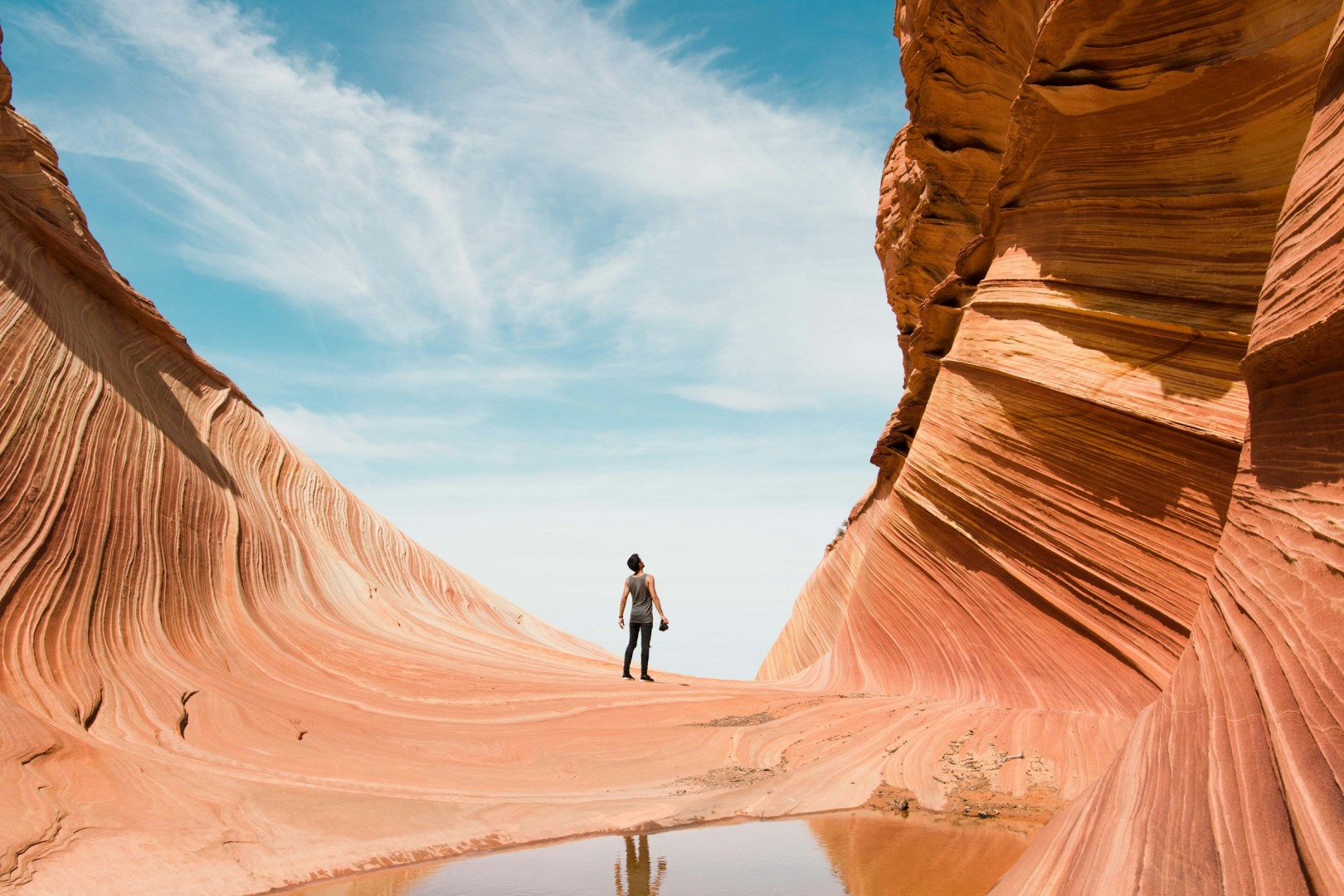
Kanab
Kanab, located near the southern border of Utah, is the gateway to Bryce and Zion National Parks and has been the location for hundreds of movies.

Shetland Islands
Whether exploring ancient ruins, spotting wildlife along the dramatic coastline, or simply soaking in the calmness of this unique destination, the Shetlands provide a truly extraordinary travel experience.

Victoria
Victoria, the capital of Seychelles, is often described as one of the world’s smallest capitals, yet it brims with color and character. Located on Mahé Island, the city is both a cultural hub and a gateway to the surrounding beaches and mountains.

Yokohama
Yokohama, Japan's vibrant port city, offers a delightful blend of historical charm and modern excitement. Located just a short train ride from Tokyo, Yokohama is renowned for its picturesque waterfront and cultural attractions.
