

Granada
Granada, nestled at the foot of the Sierra Nevada mountains in southern Spain, is a city where history and culture converge in a mesmerizing blend. The jewel of Granada is the Alhambra, a stunning palace and fortress complex that dates back to the 13th century. This UNESCO World Heritage Site is a testament to the city's Moorish past, showcasing intricate Islamic art and architecture.

Canary Islands
The Canary Islands, a Spanish archipelago off the northwest coast of Africa, offer far more than just sunshine and beaches. Made up of eight main islands, each with its own personality, the Canaries are a place where lunar landscapes, cloud forests, volcanic peaks, and historic towns coexist within short travel distances. On Tenerife, Mount Teide looms over a landscape of solidified lava and craters that look like a science fiction set.
Gumbane
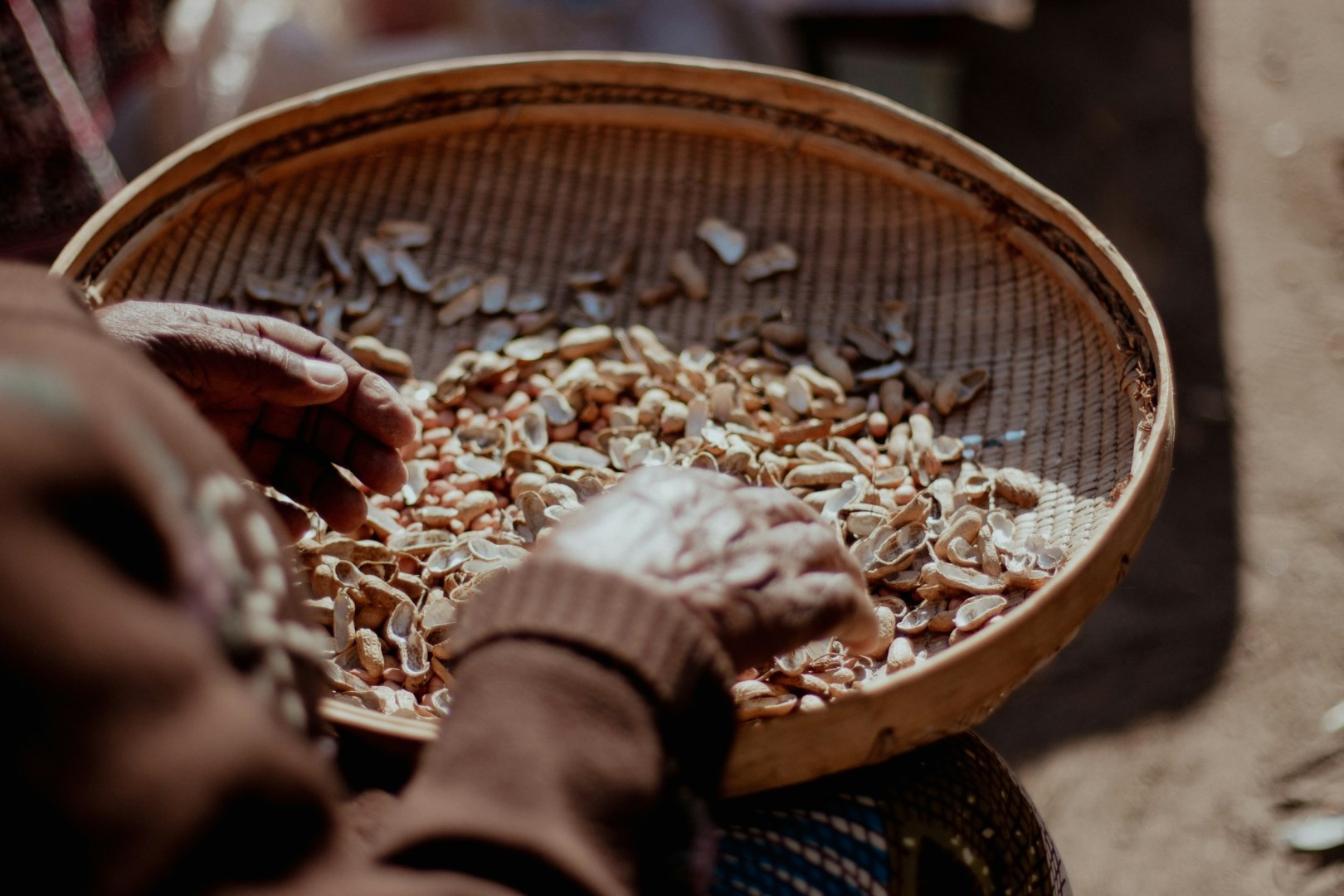
Gumbane is a rural community in southern Mozambique, in Inhambane Province, where sandy soils, woodland and cultivated plots shape much of the surrounding landscape.
Danube
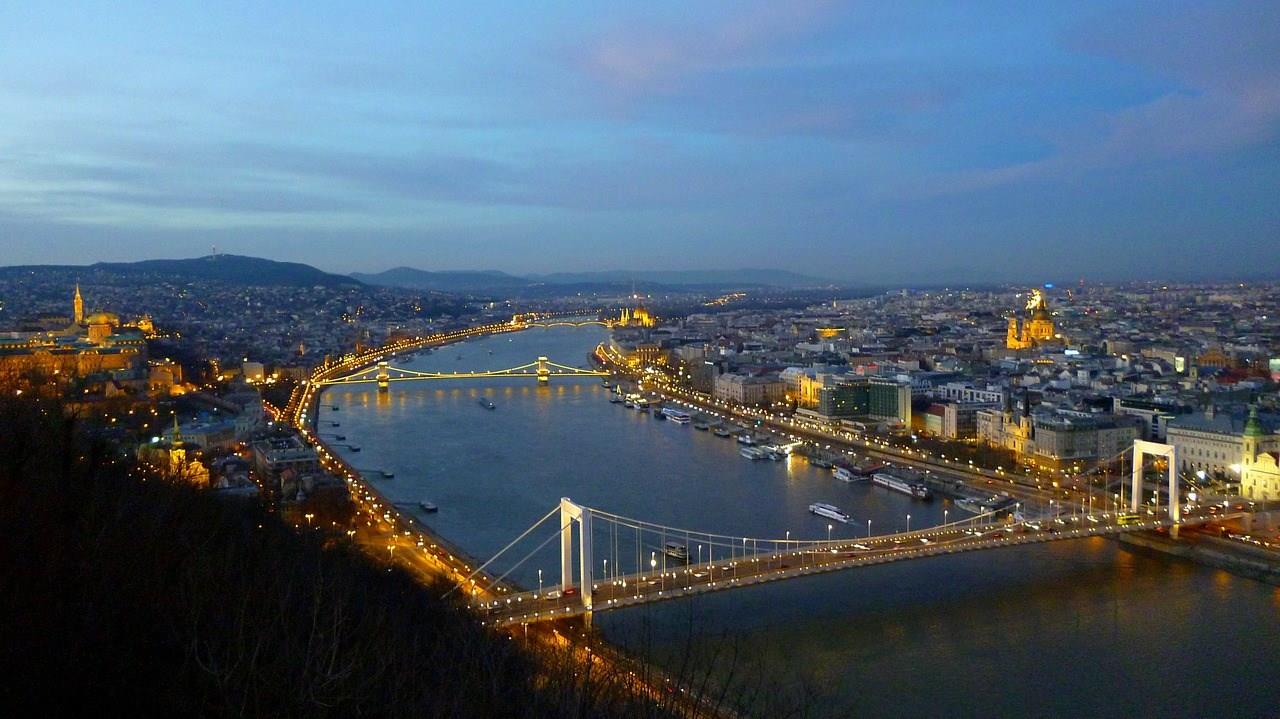
Coursing through 10 countries, the Danube is the second-longest river in Europe. This waterway, lined with fortresses and castles, rises in Germany's Black Forest and runs for 1,770 miles to the Black Sea. The Danube is an essential commercial thoroughfare for central and southeastern Europe, and several river cruise companies sail vessels on it year-round. Destinations along this river include Vienna, Budapest, Passau and Bratislava.
Sturgis
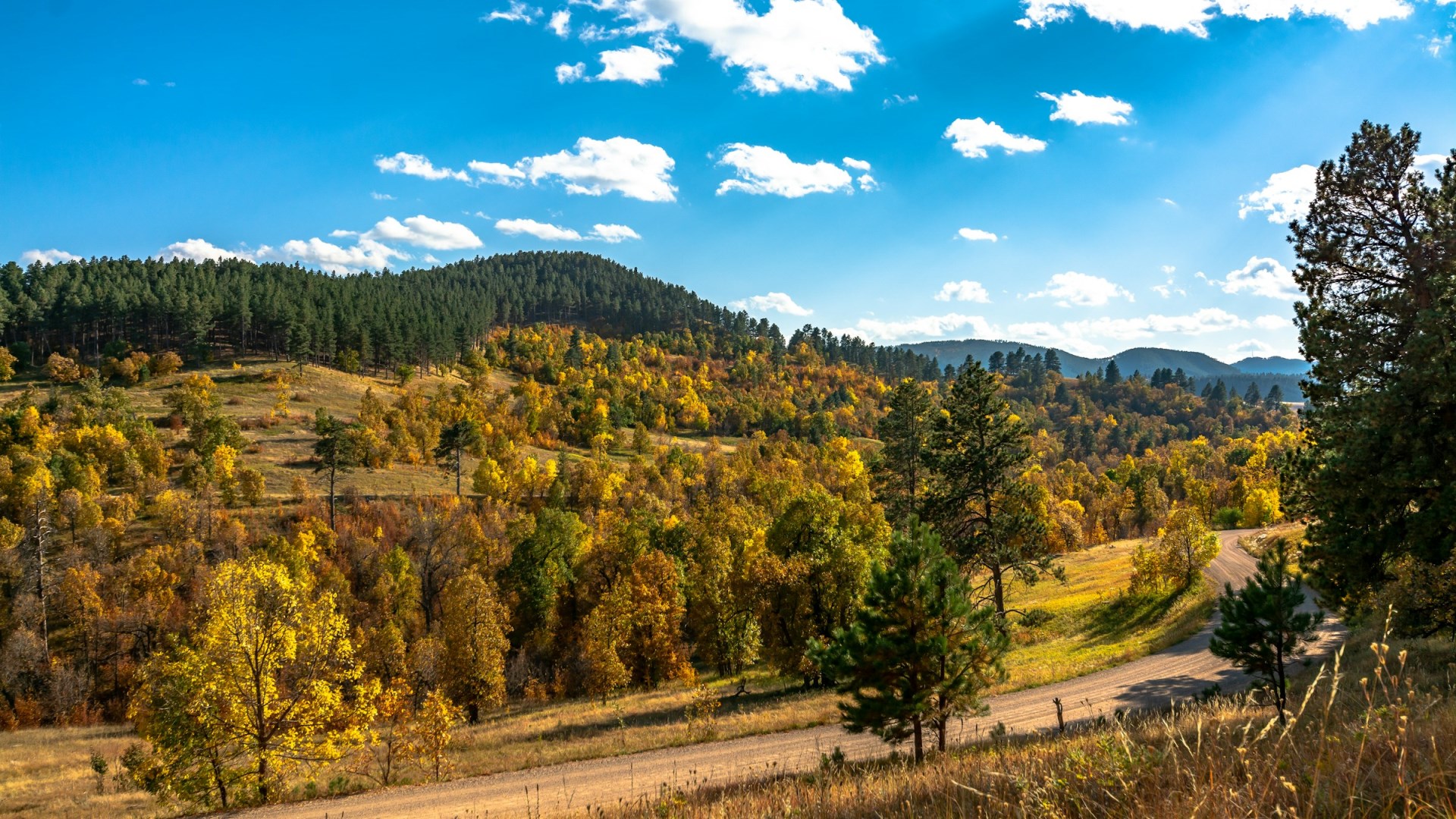
Sturgis is a small city in western South Dakota, positioned on the northern edge of the Black Hills where forested mountains meet the open Great Plains. The city is surrounded by ponderosa pine hills, rocky ridges, and broad prairie landscapes, with Bear Butte rising prominently to the northeast. Sturgis serves as a gateway to the northern Black Hills and provides access to scenic roads, hiking areas, and nearby communities such as Deadwood and Spearfish.
