

Vilnius
Vilnius, the charming capital of Lithuania, is a city where historical grandeur meets vibrant modernity. The heart of Vilnius is its UNESCO-listed Old Town, one of the largest and most well-preserved medieval city centers in Europe. Wander through its cobblestone streets and admire the stunning Baroque architecture.
Blaye
Blaye is a small town on the Gironde estuary in southwestern France, north of Bordeaux, known for its riverside setting, historic citadel, and connection with the vineyards of northern Gironde. The town rises gently from the estuary, with the fortified Citadel of Blaye occupying a prominent position above the water. Its old streets contain stone houses, cafés, and shops, while the waterfront provides views across the broad estuary toward the Médoc peninsula.
Hwange National Park
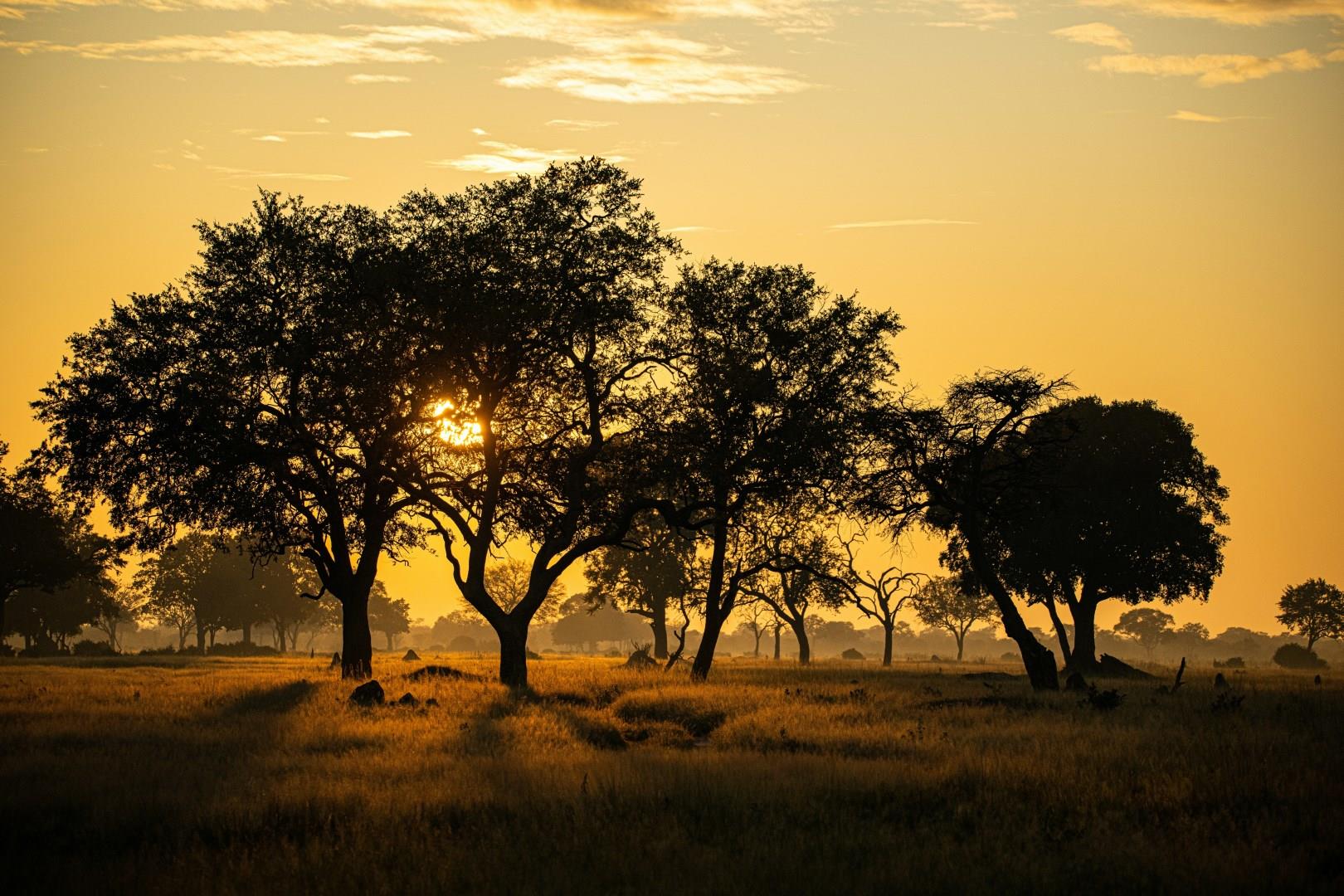
Hwange National Park, located in western Zimbabwe, is the country’s largest protected area and one of Africa’s premier wildlife reserves. Covering more than 14,600 square kilometers, it is renowned for its extraordinary diversity of animals and habitats.

Taranto
Taranto is a coastal city in Puglia known as the “City of Two Seas,” positioned between the open Mar Grande and the sheltered Mar Piccolo. Its location has shaped a strong maritime identity, with fishing, mussel farming, and naval activity remaining important parts of local life. The historic center occupies an island connected to the newer city by the Ponte Girevole, while the waterfront extends around the two bodies of water.
Tetouan
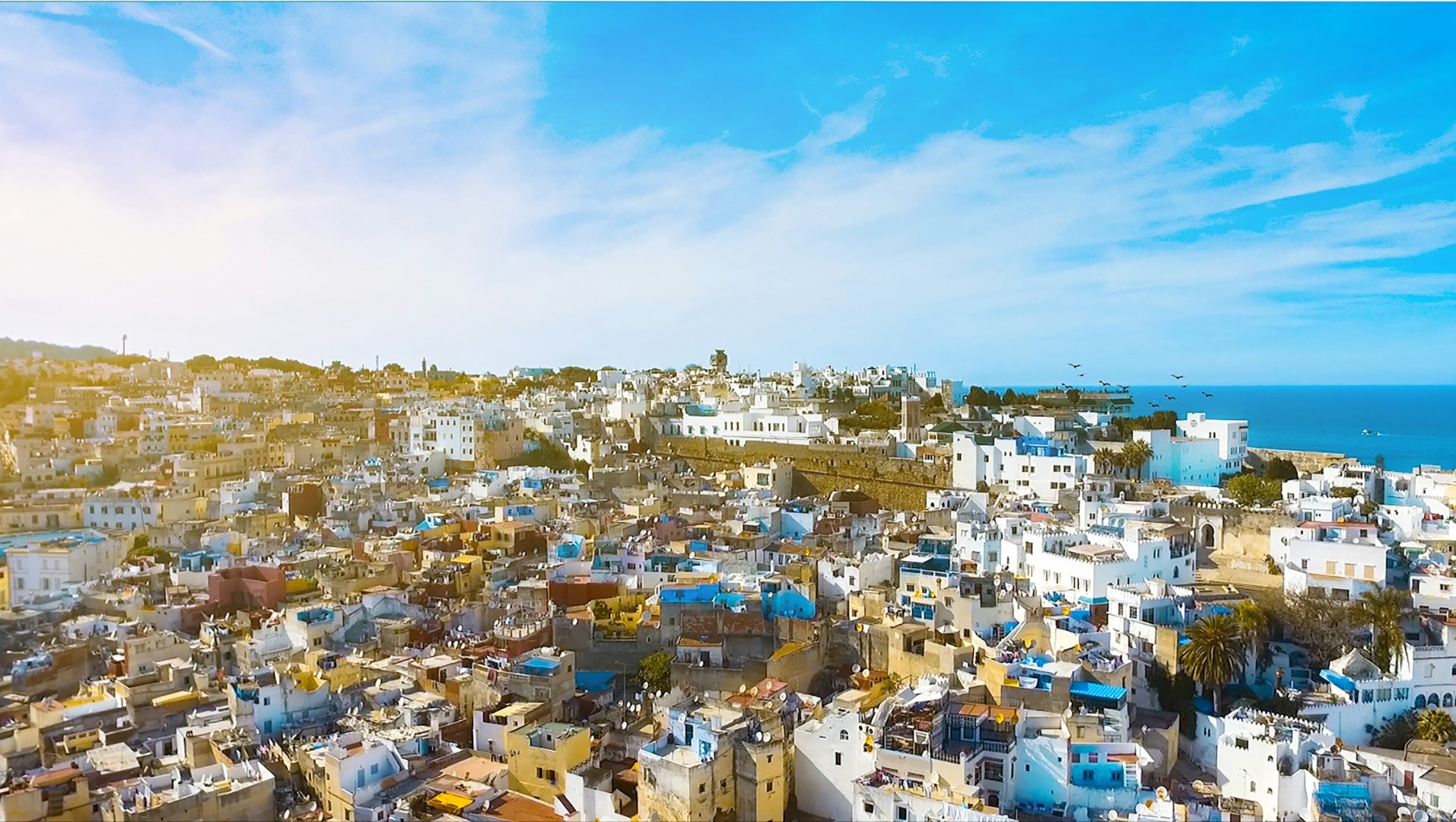
Tetouan is a northern Moroccan city set between the Rif Mountains and the Mediterranean coast. Its whitewashed buildings, compact medina, and Andalusian-influenced architecture give it a distinctive identity within Morocco. The old city climbs the slopes of Jebel Dersa and is enclosed by historic walls with several gates leading into souks, artisan quarters, mosques, and residential lanes.
