
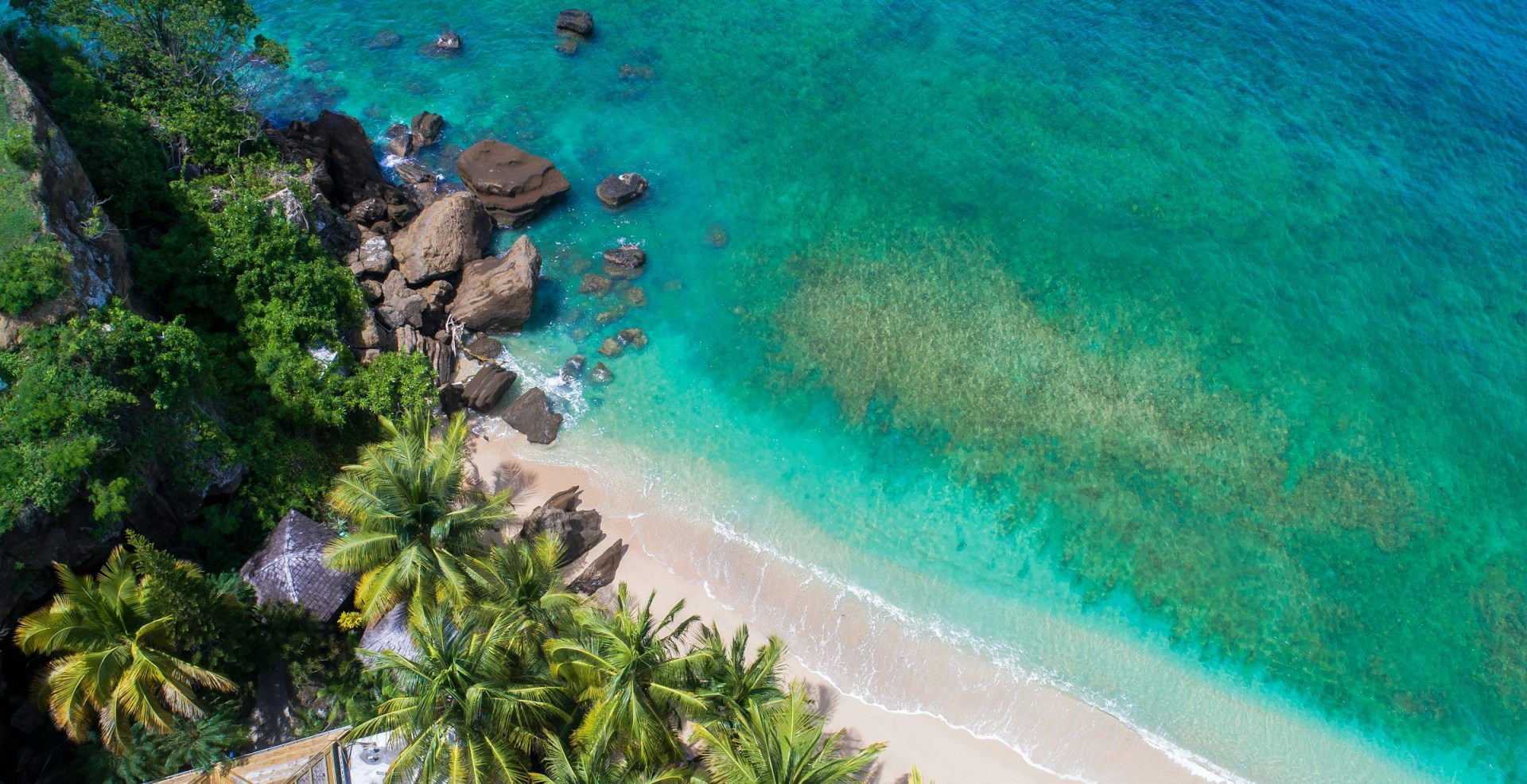
Grenada
You'll know why picturesque Grenada is known as the "spice island" when you notice the scent of nutmeg, vanilla and cocoa in the air. Grenada's waterfalls, lush rain forests, volcanic crater lake, tiny villages, cocoa, nutmeg and banana plantations, rum distilleries, scenic hiking trips, pristine coral reefs, and hidden-away unspoiled beaches all make Grenada one of the most popular ecotourism destinations for those who like to discover off-the-beaten-track natural beauty and charm.
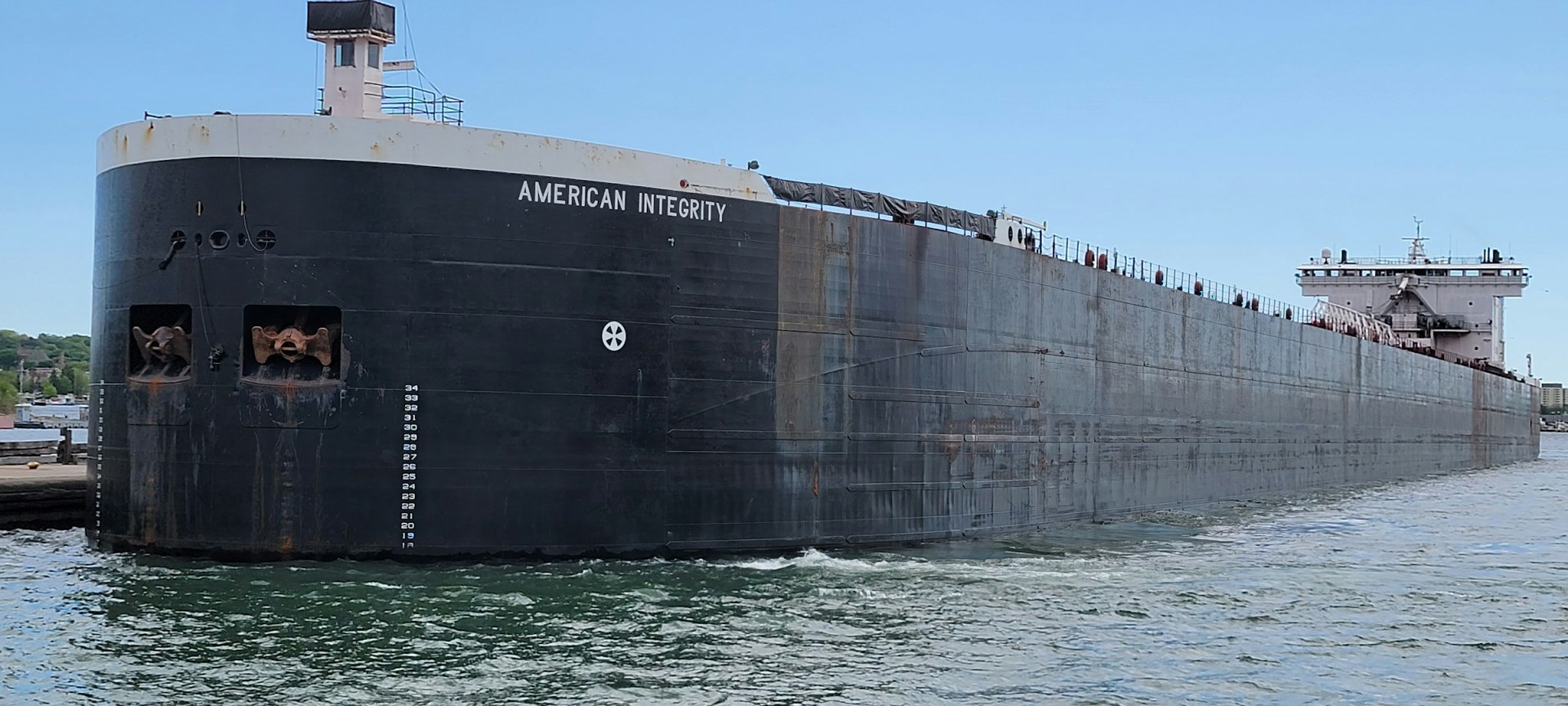
Sault Sainte Marie
On the Canadian border where Lake Huron and Lake Superior meet, a canal built in 1895 still is used to have boats bypass the rapids of the St. Mary's river.
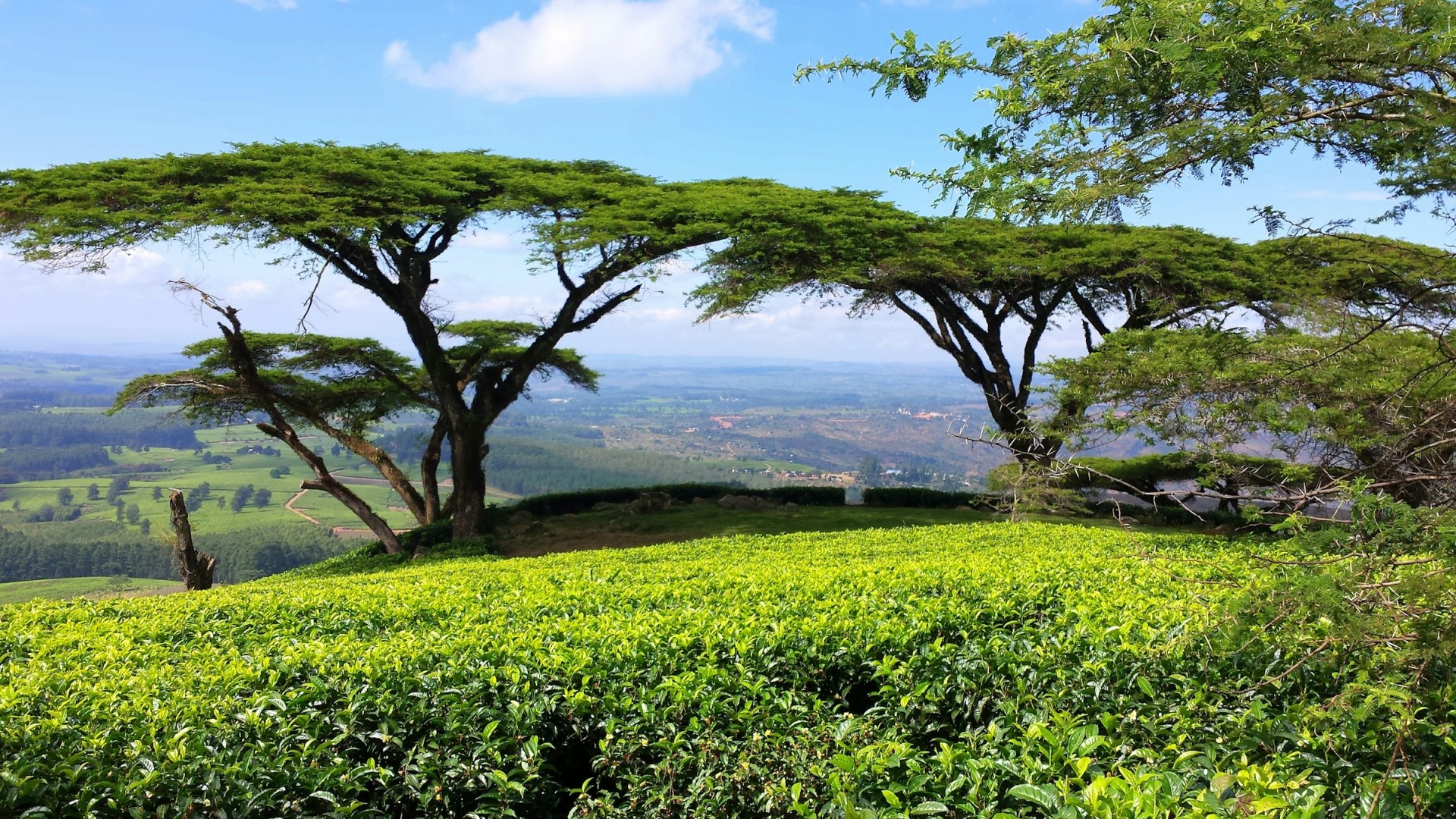
Malawi
Malawi, often called the “Warm Heart of Africa,” is a landlocked country in southeastern Africa known for its welcoming people and breathtaking natural scenery. Despite its small size, the country offers remarkable diversity, from high mountain plateaus and fertile valleys to sweeping savannas and vast lakeshores.

Inverness
Inverness, the cultural capital of the Scottish Highlands, is a city where ancient history meets stunning natural beauty. Situated at the mouth of the River Ness, Inverness is often called the "Gateway to the Highlands" and serves as the perfect starting point for exploring Scotland's rugged landscapes and rich heritage. One of the city’s most iconic landmarks is Inverness Castle, perched on a hill overlooking the River Ness.
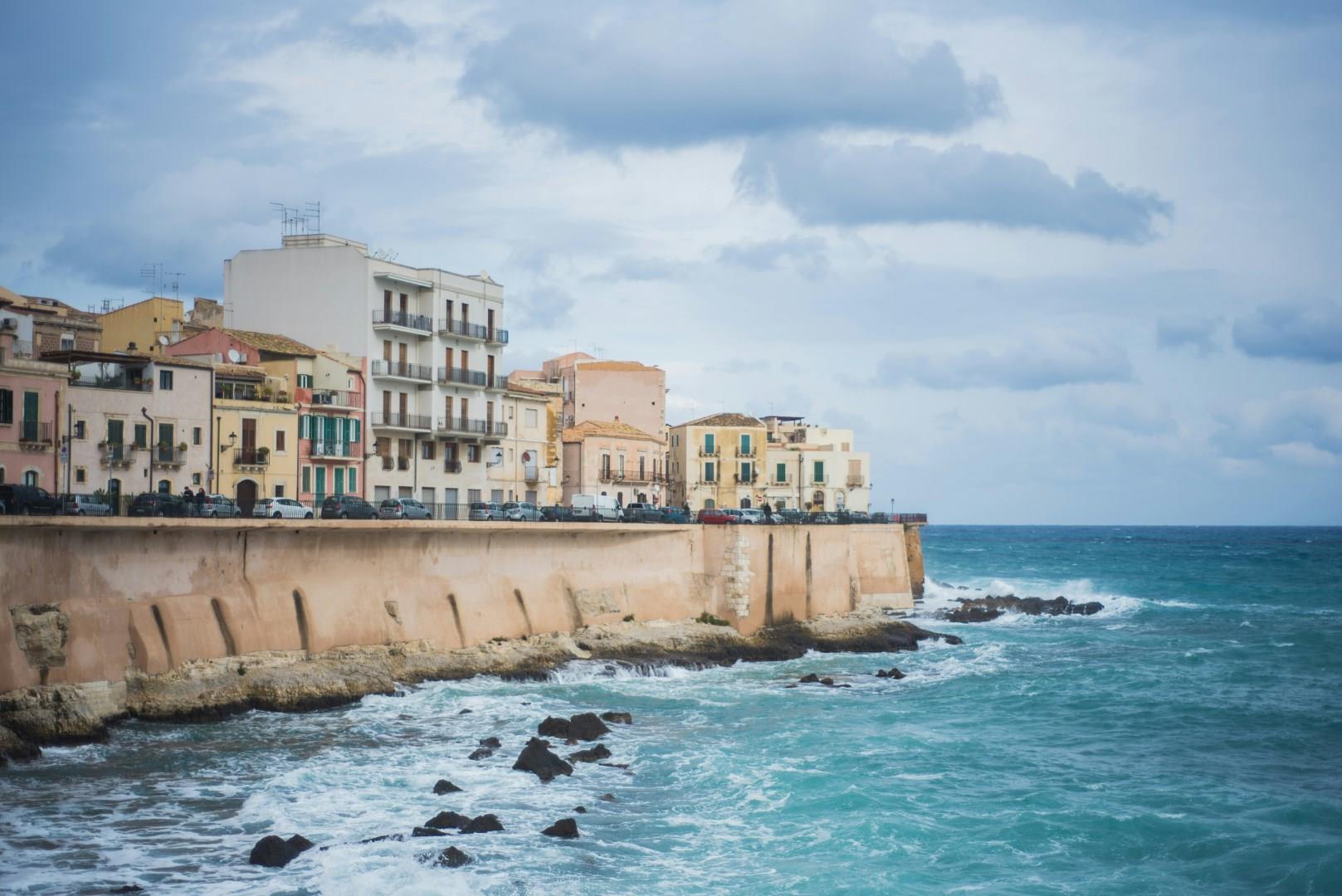
Syracuse
Syracuse, located on the eastern coast of Sicily, is a city where history and the sea converge in unforgettable ways. Founded by ancient Greeks in the 8th century BC, it became one of the most powerful city-states of its time. Today, visitors can explore the impressive archaeological park of Neapolis, which features a vast Greek theatre, Roman amphitheater, and the Ear of Dionysius, a limestone cave known for its remarkable acoustics.
