
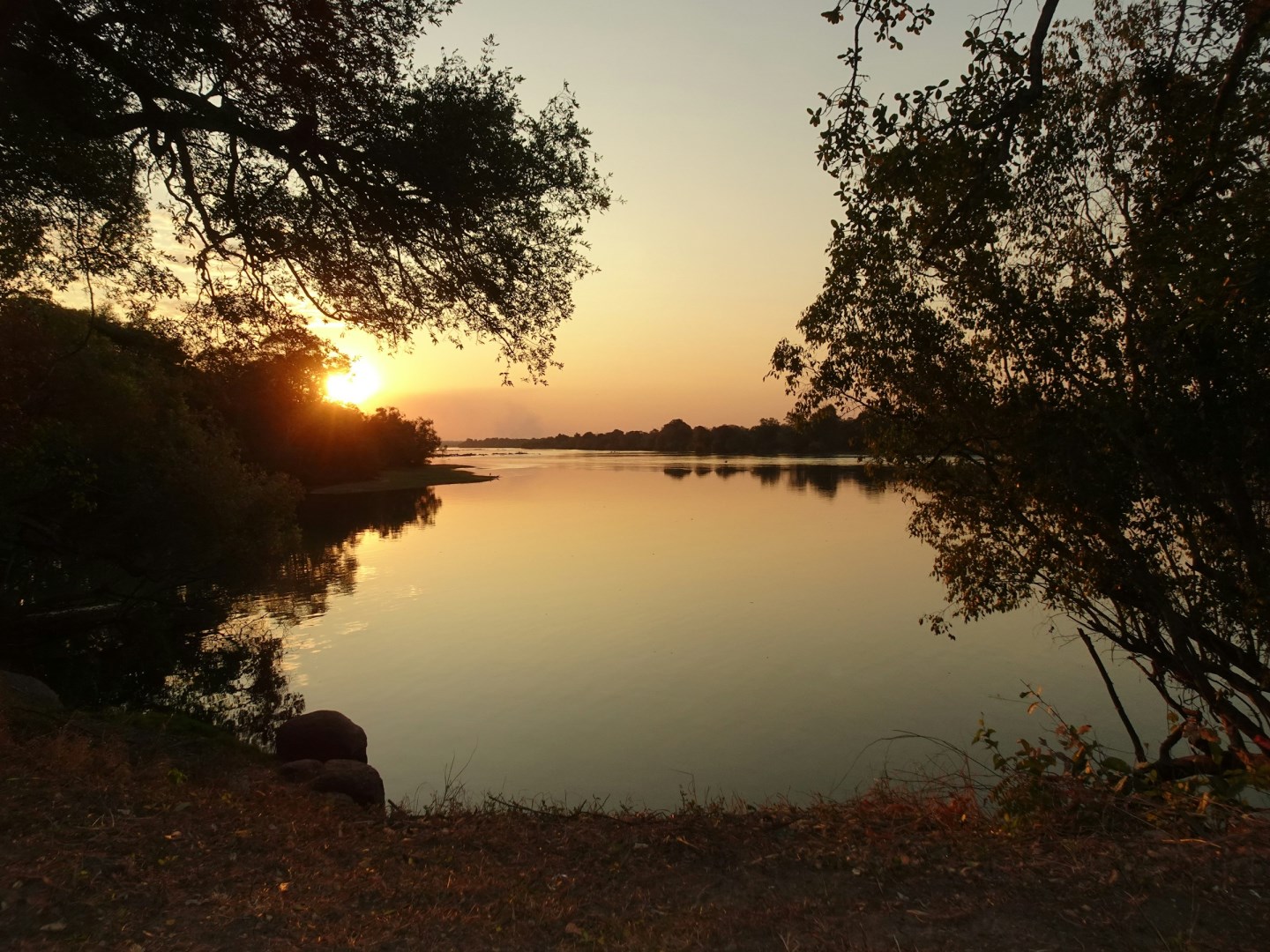
Kafue National Park
Kafue National Park is in western and central Zambia and is the country’s largest national park, covering about 22,400 square kilometers. The park takes its name from the Kafue River, which runs through the protected area and supports a wide range of wetlands, floodplains, grasslands, and woodland. Much of the park is covered by miombo woodland, while the northern Busanga Plains form extensive seasonal wetlands that become open grassland as floodwaters recede.

Fort Lauderdale
Fort Lauderdale is known for its sun-soaked beaches, diverse culture, and network of scenic canals that stretch over 300 miles. Visitors can take a water taxi or book a sunset cruise to explore the city from a different perspective.
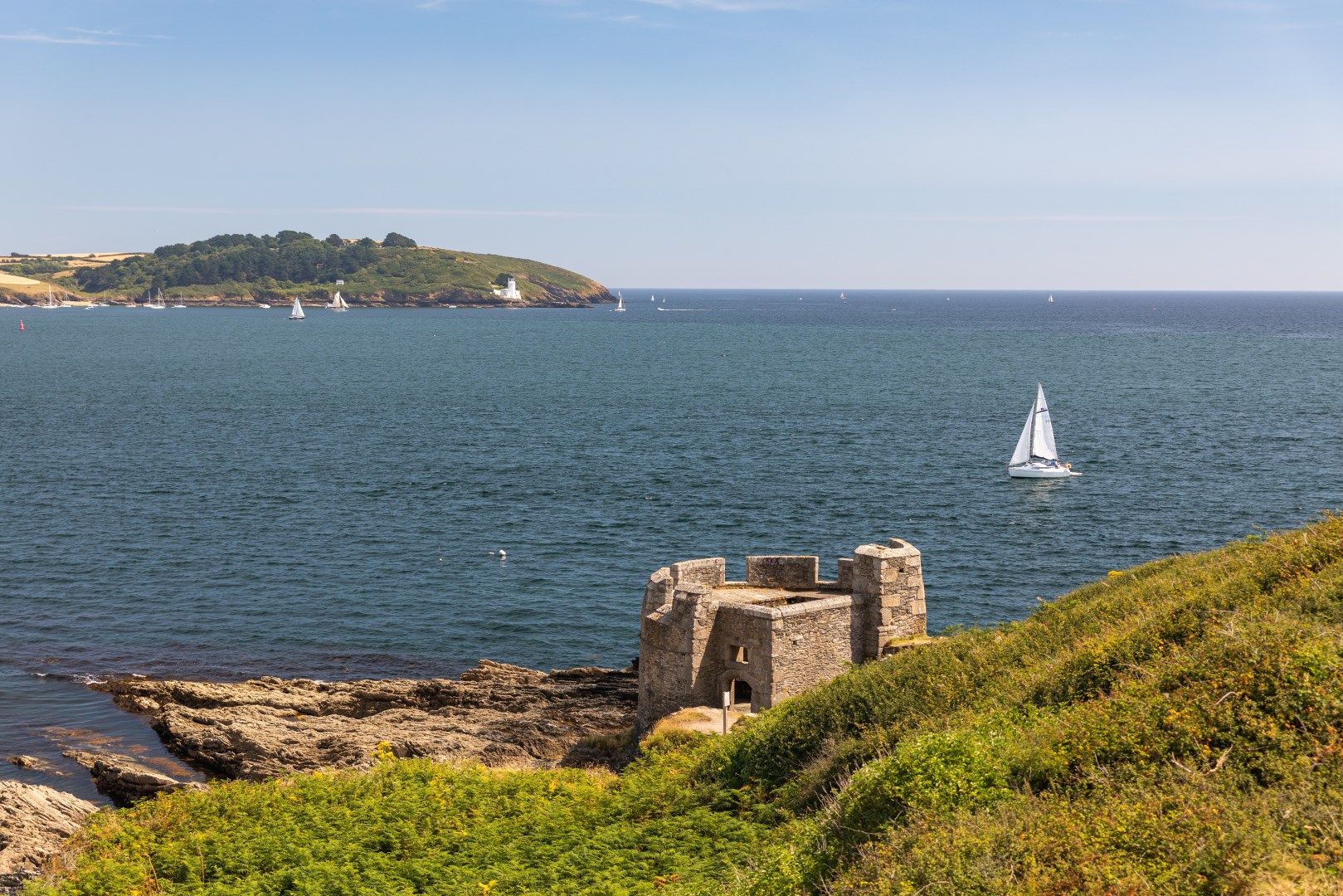
Falmouth
Falmouth is a small harbour settlement on the southern coast of Antigua, adjoining English Harbour and surrounded by hills and sheltered bays. Its waterfront is closely connected to Antigua's sailing industry, with marinas, boatyards, restaurants, and services lining the harbour.

Mount Kilimanjaro
Mount Kilimanjaro, located in Tanzania, stands as Africa’s highest peak and an iconic symbol of adventure. This majestic stratovolcano rises 5,895 meters (19,341 feet) above sea level, making it one of the world’s most accessible high summits. Climbing Kilimanjaro offers a unique opportunity to traverse multiple climate zones, from lush rainforests and alpine meadows to the icy summit.
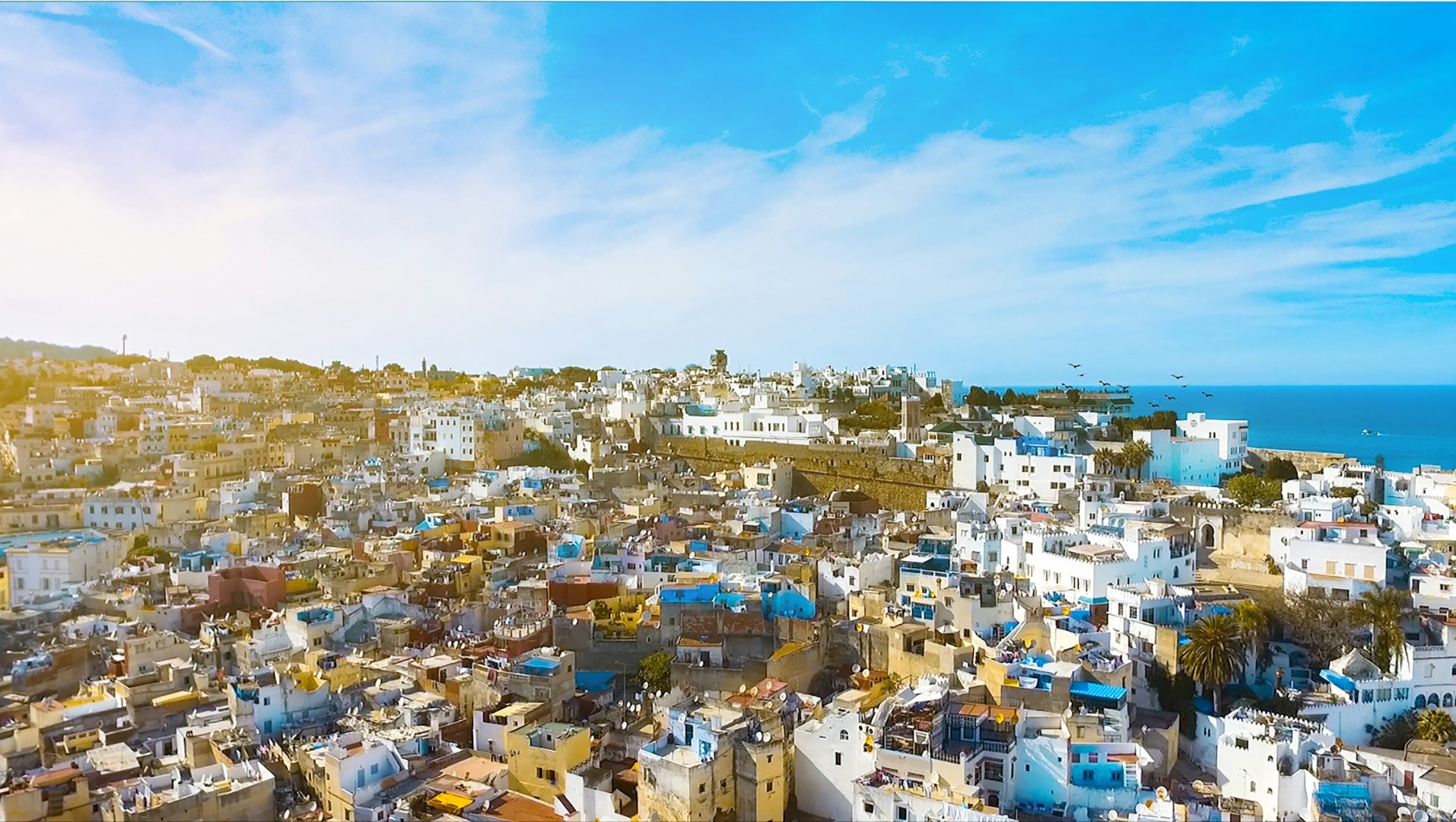
Tetouan
Tetouan is a northern Moroccan city set between the Rif Mountains and the Mediterranean coast. Its whitewashed buildings, compact medina, and Andalusian-influenced architecture give it a distinctive identity within Morocco. The old city climbs the slopes of Jebel Dersa and is enclosed by historic walls with several gates leading into souks, artisan quarters, mosques, and residential lanes.
