
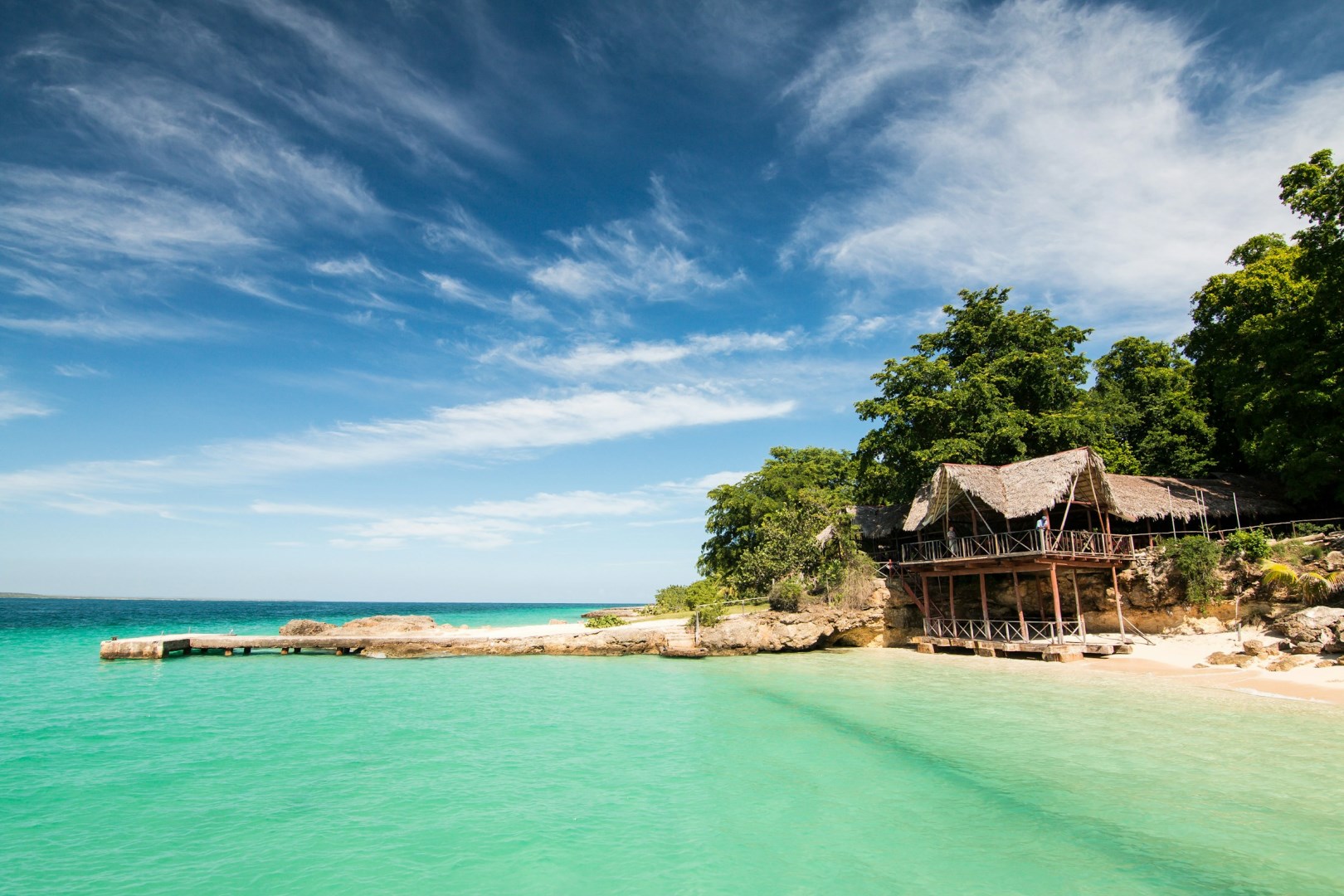
Mayarí
Mayarí is a town and municipality in Holguín Province in eastern Cuba, surrounded by a landscape of low mountains, forests, farmland, and rivers. The municipality extends from inland agricultural areas toward the northern coast, giving it a varied geography that includes the Sierra Cristal and fertile valleys. Mayarí is closely associated with agriculture and the cultivation of sugarcane, coffee, cacao, and other crops, while nearby reservoirs and rivers support farming and local communities.
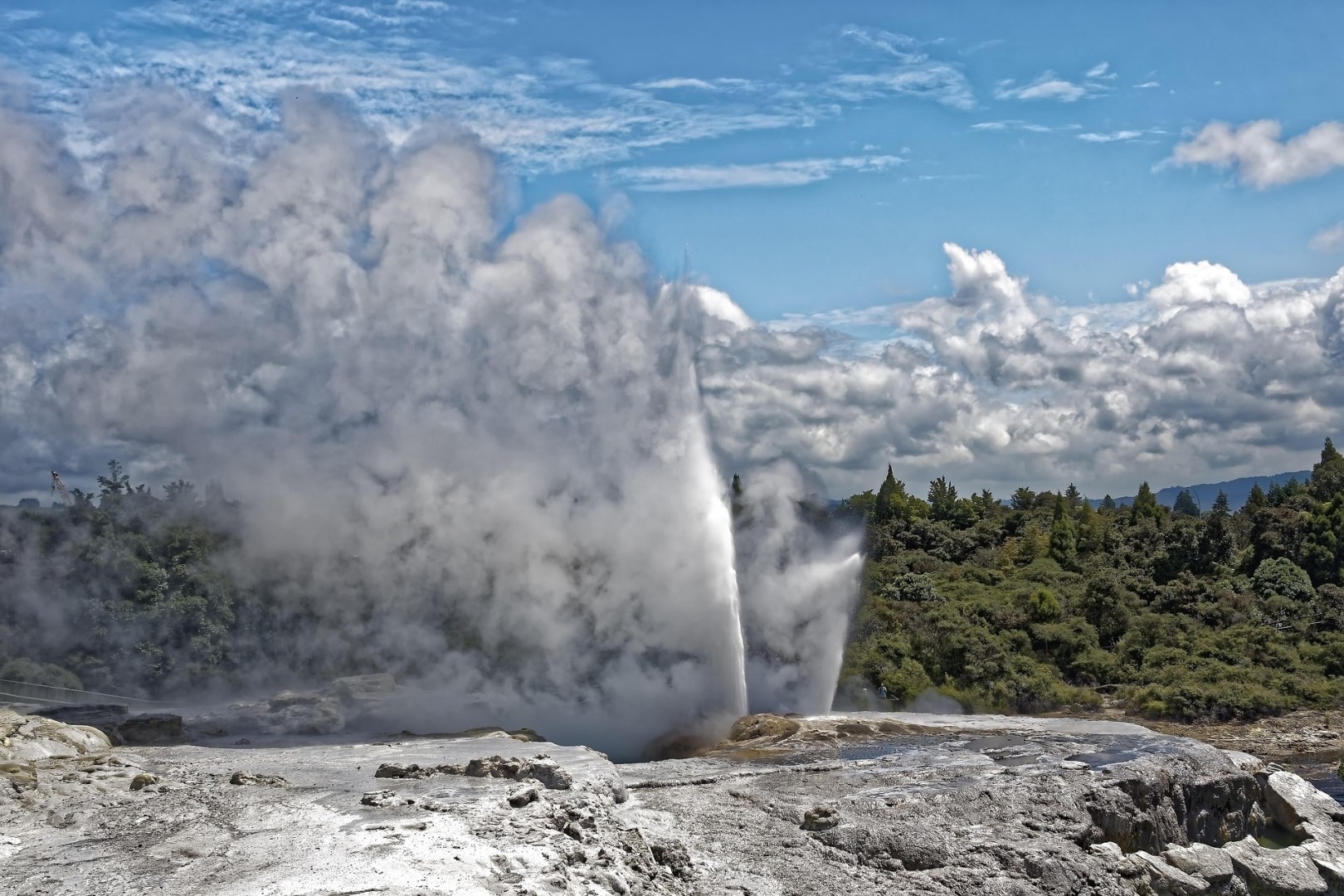
Rotorua
Natural wonders await you in the steaming, geothermally active North Island city of Rotorua, New Zealand. Pohutu Geyser erupts several times per day, and blistering mud pools provide a truly unique sightseeing experience. When in Rotorua, tourists also visit its living Maori village, as well as Te Puia (New Zealand Maori Arts and Crafts institute), where weaving and woodcarving is featured.

Copan
Copán, Honduras, is a hidden gem in Central America that beckons travelers with its extraordinary blend of ancient history, lush landscapes, and vibrant local culture. Known as the "Athens of the Maya," Copán is home to one of the most significant and well-preserved archaeological sites of the Mayan civilization, a UNESCO World Heritage Site.
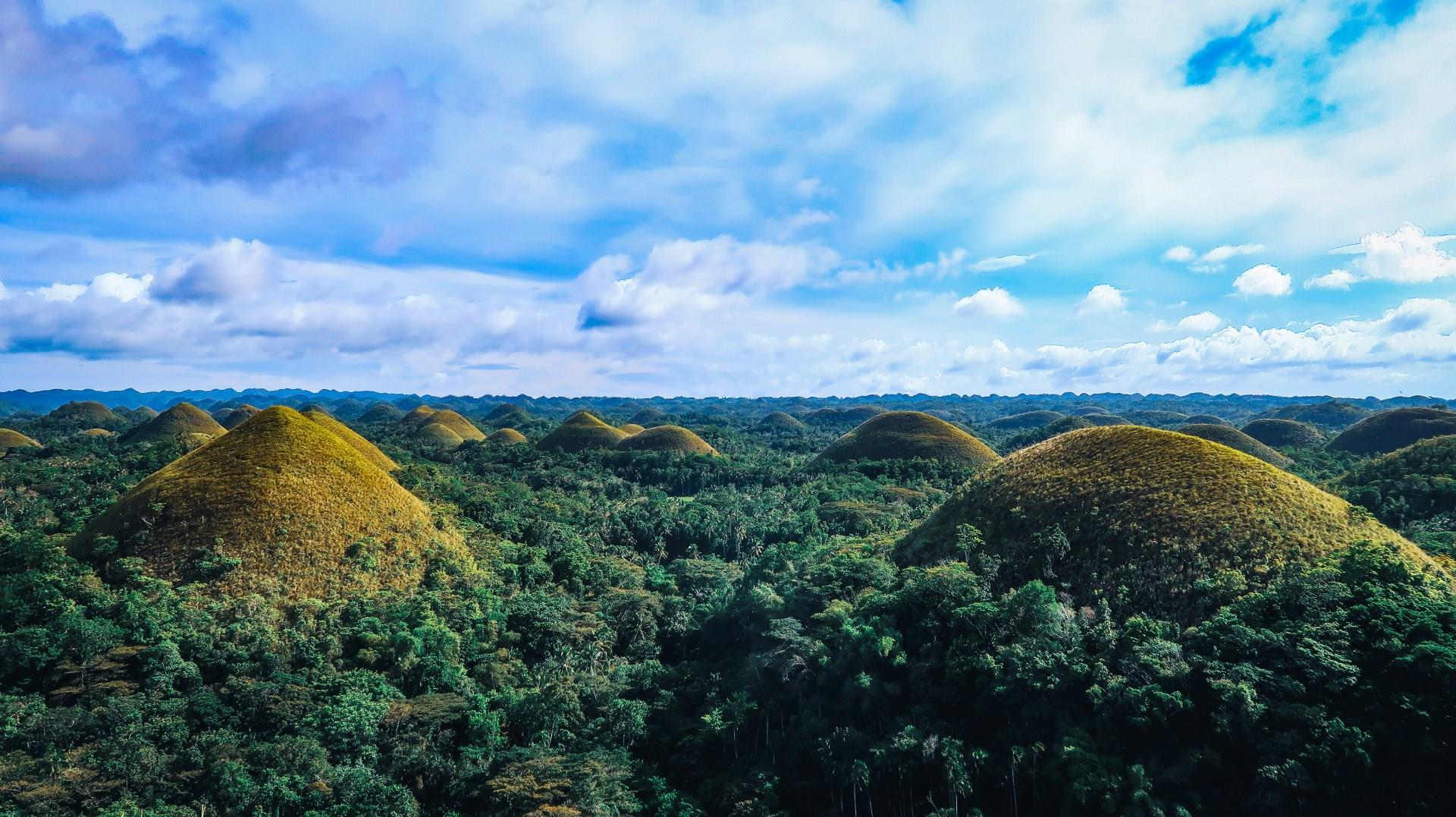
Bohol
Bohol sits in the central Philippines, shaped by early Spanish contact and long-established rural communities. The island is known for its historic churches and for maintaining strong ties to agriculture and local governance, which have helped preserve a sense of continuity.
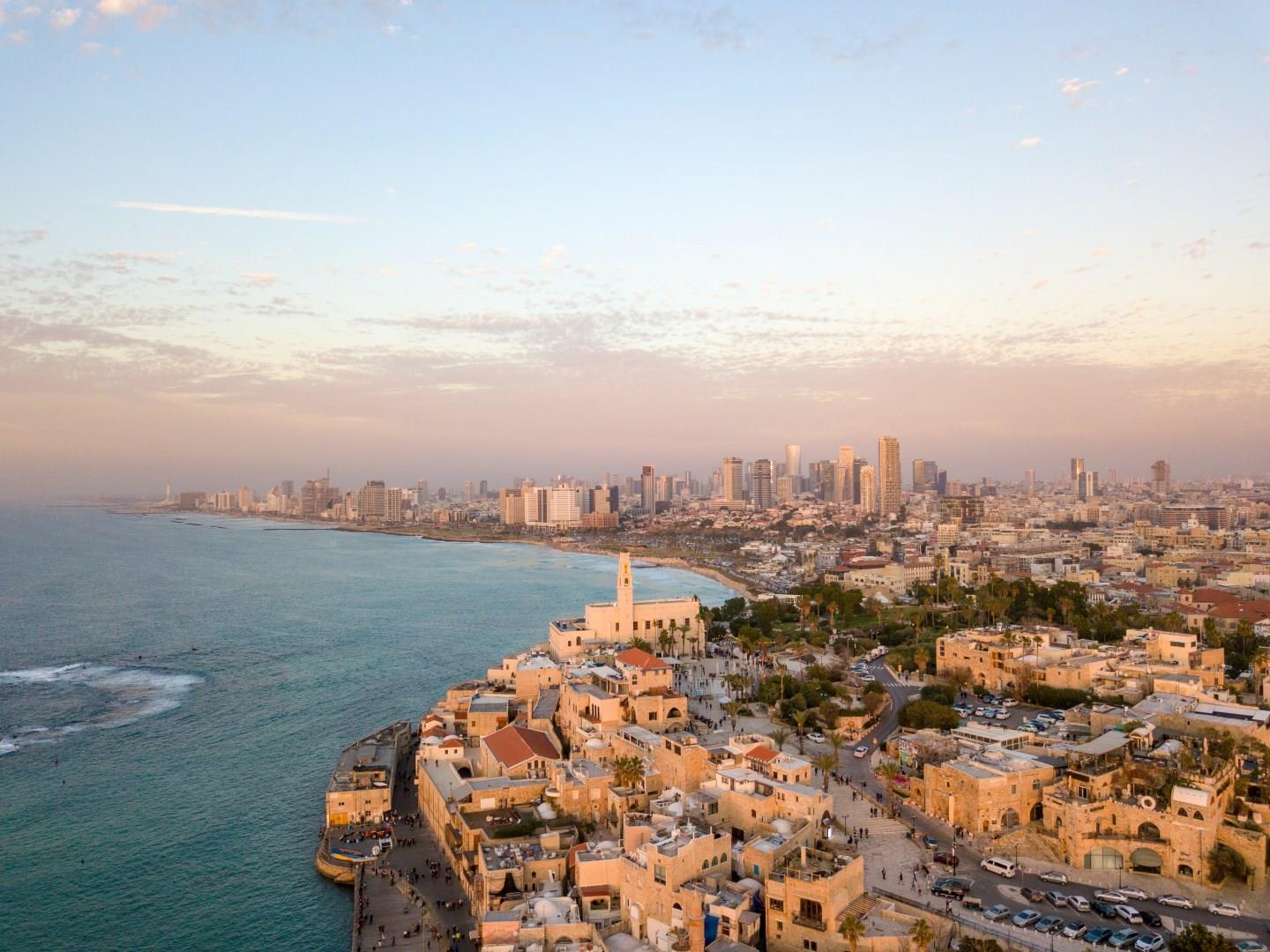
Tel Aviv
Tel Aviv began in 1909 as a new neighborhood beside the ancient port of Jaffa. The city is now home to the largest cluster of Bauhaus-style buildings in the world which earned UNESCO recognition for its early 20th-century urban planning. Visitors can explore those structures on guided architectural walks through streets like Rothschild or Dizengoff.
