
Zeeland
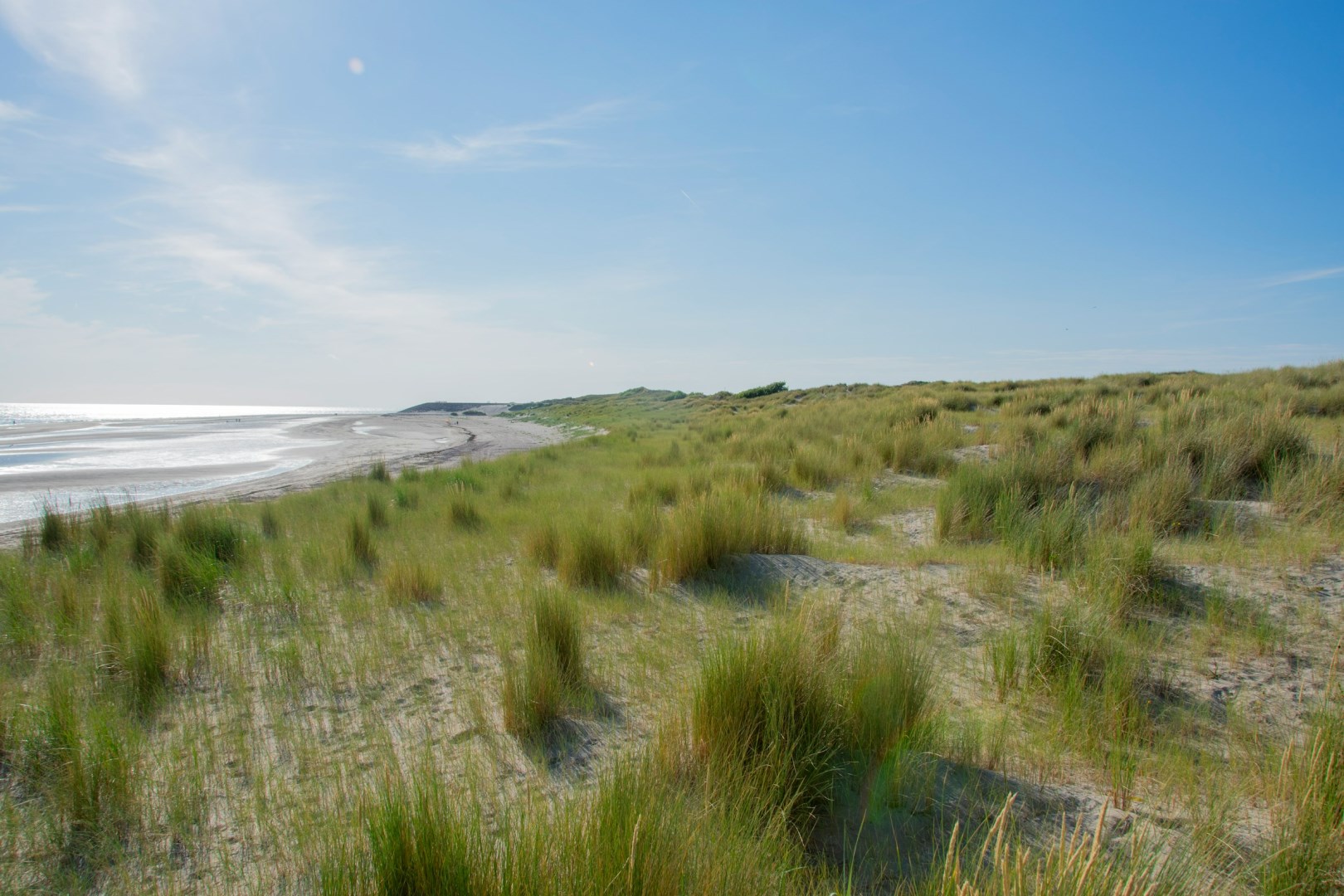
Zeeland is a southwestern province of the Netherlands shaped by its position between the North Sea and the Scheldt estuary. Much of the region consists of islands, peninsulas, polders, dikes, dunes, and tidal waterways, with towns such as Middelburg, Zierikzee, Veere, and Goes providing historic centers within the wider landscape. Zeeland has about 650 kilometers of coastline, and its relationship with water influences settlement, agriculture, transport, and daily life.

Dusseldorf
The commercial and cultural center for the Ruhr region on the Rhine River, Duseldorff is also the site of the Felderhof Cave where Neanderthal man was found in 1856.
León
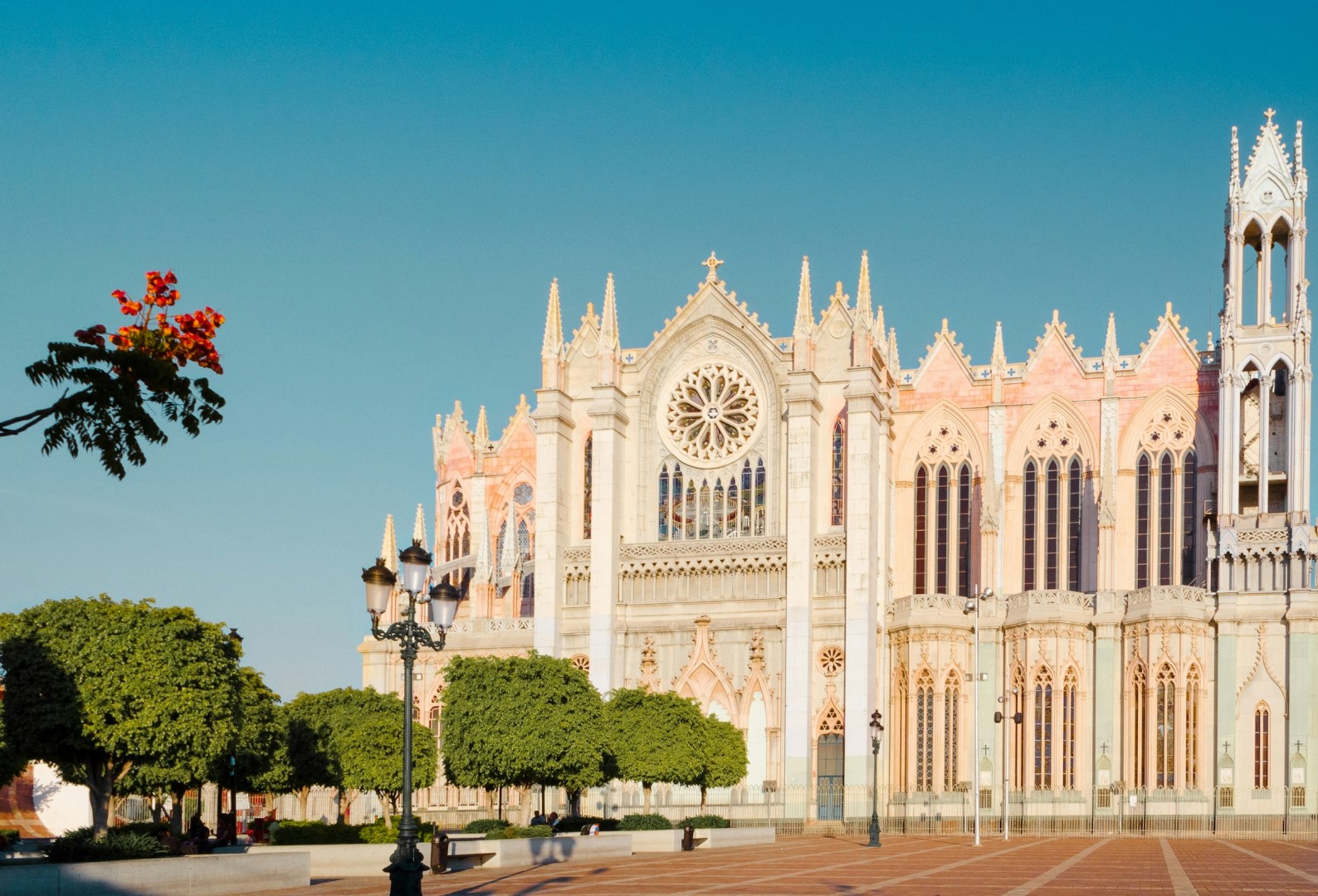
León, central Mexico, in Guanajuato State, in a fertile river valley, at an altitude of about 6000 ft. León is the industrial, commercial, and transportation center for a rich agricultural region and is a shoe-manufacturing center. Founded in 1576, León was a Spanish colonial administrative center.

Reggio Calabria
Reggio Calabria, located at the tip of Italy’s toe, is a city where ancient history and natural beauty converge in spectacular fashion. One of the city's most renowned landmarks is the Bronzi di Riace, two magnificent bronze statues from the 5th century BC that were discovered off the coast of Riace in 1972.
Ilulissat
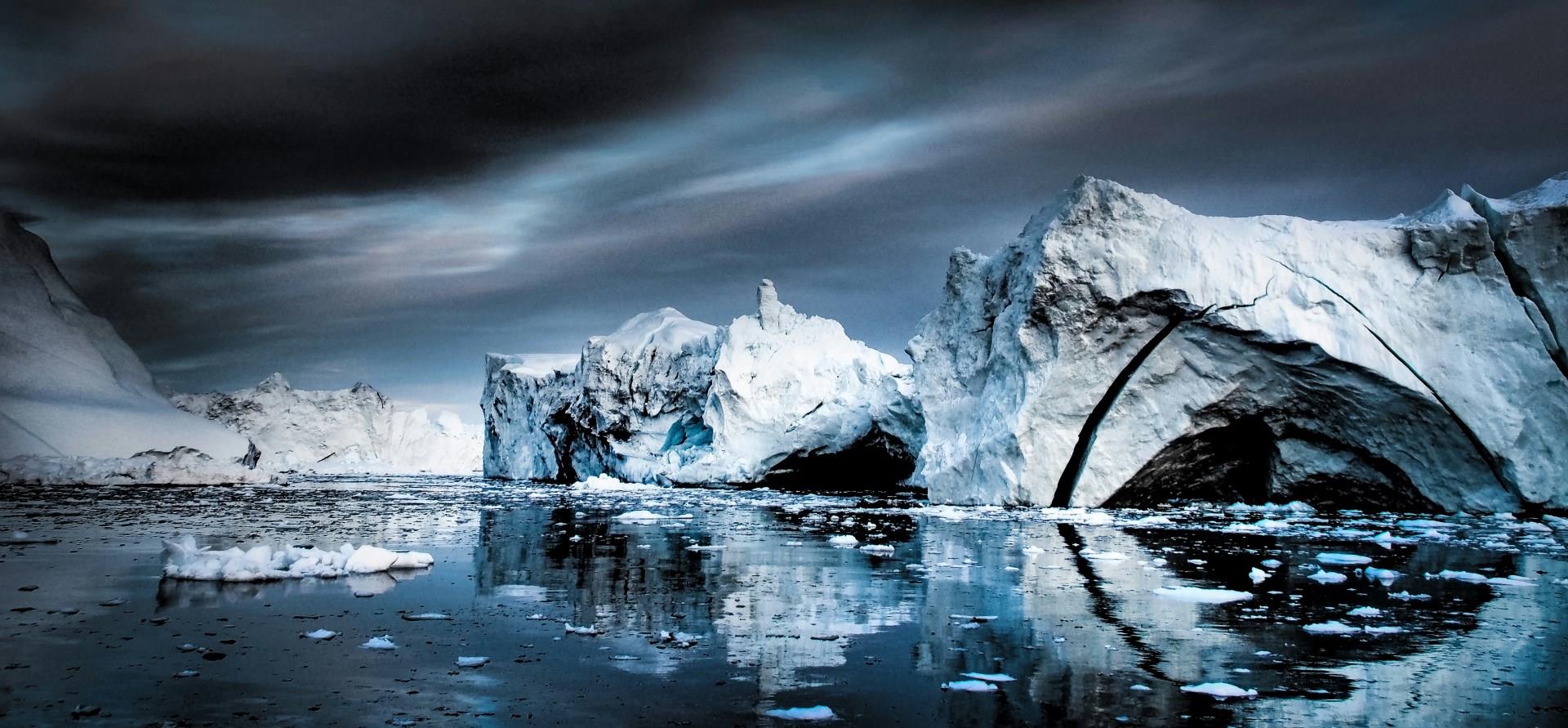
On Greenland’s west coast, Ilulissat (once known as Jakobshavn) welcomes travelers with astonishing ice scenery and a sense of scale that feels almost otherworldly. The town sits beside Disko Bay, where immense icebergs drift silently past, glowing pink and gold in the Arctic light. The name “Ilulissat” means “icebergs,” and it could not be more fitting. Here, every turn toward the sea offers a fresh view of towering ice forms, each one sculpted by nature into something fleeting and beautiful.
