
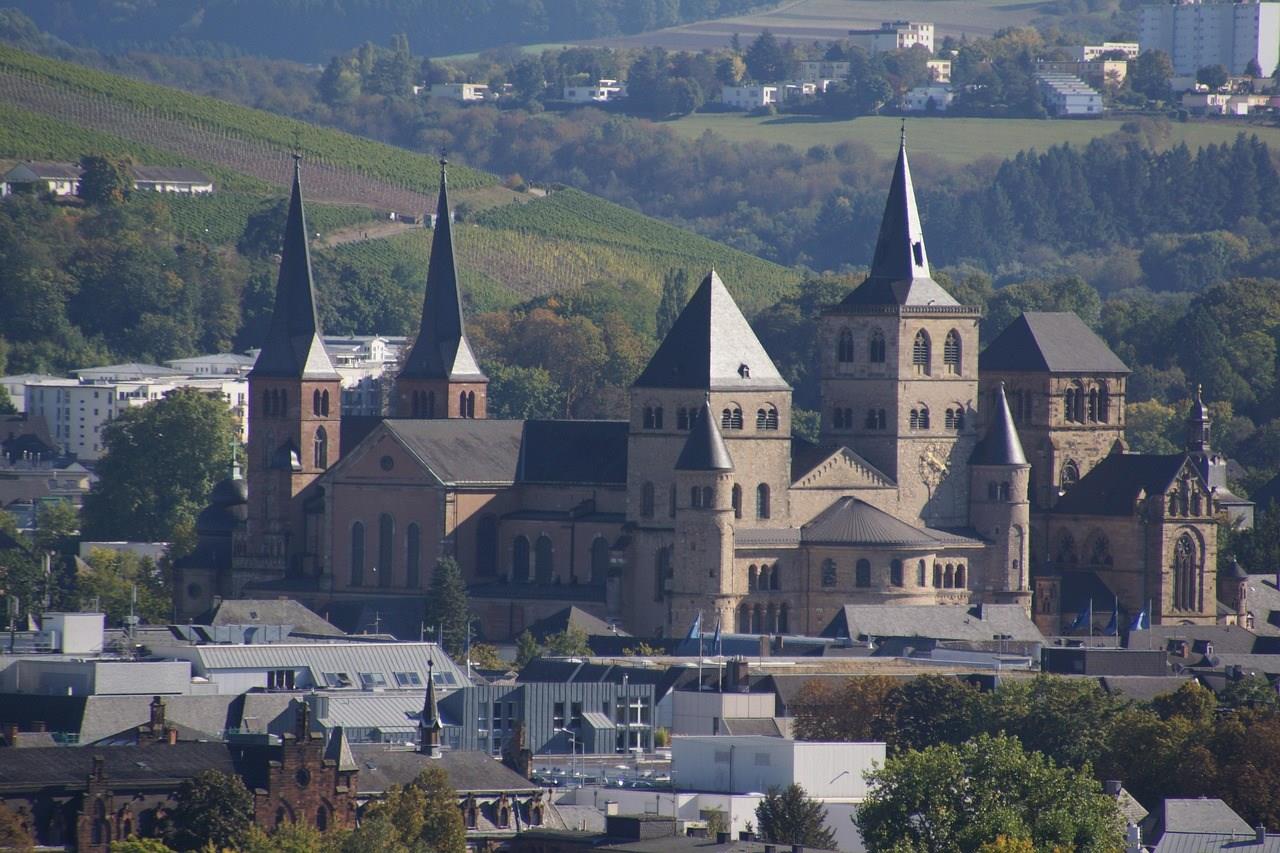
Trier
Trier, Germany’s oldest city, is a living museum nestled in the Moselle Valley, where Roman ruins rise beside medieval churches and bustling market squares. Founded by the Romans in 16 BCE, Trier was once known as “Roma Secunda,” the second Rome, and still boasts the largest collection of Roman architecture north of the Alps. The Trier Cathedral (Dom St. Peter), which is a UNESCO World Heritage Site, is the oldest church in Germany and houses a relic said to be the Holy Robe of Christ.

Coromandel Peninsula
The Coromandel Peninsula on New Zealand’s North Island is a place where coastline and culture come alive in ways that stay with visitors long after they’ve left. Stretching for about 110 kilometers between the Hauraki Gulf and the Bay of Plenty, this region has deep roots that go back to the arrival of Māori long before Europeans stepped ashore.
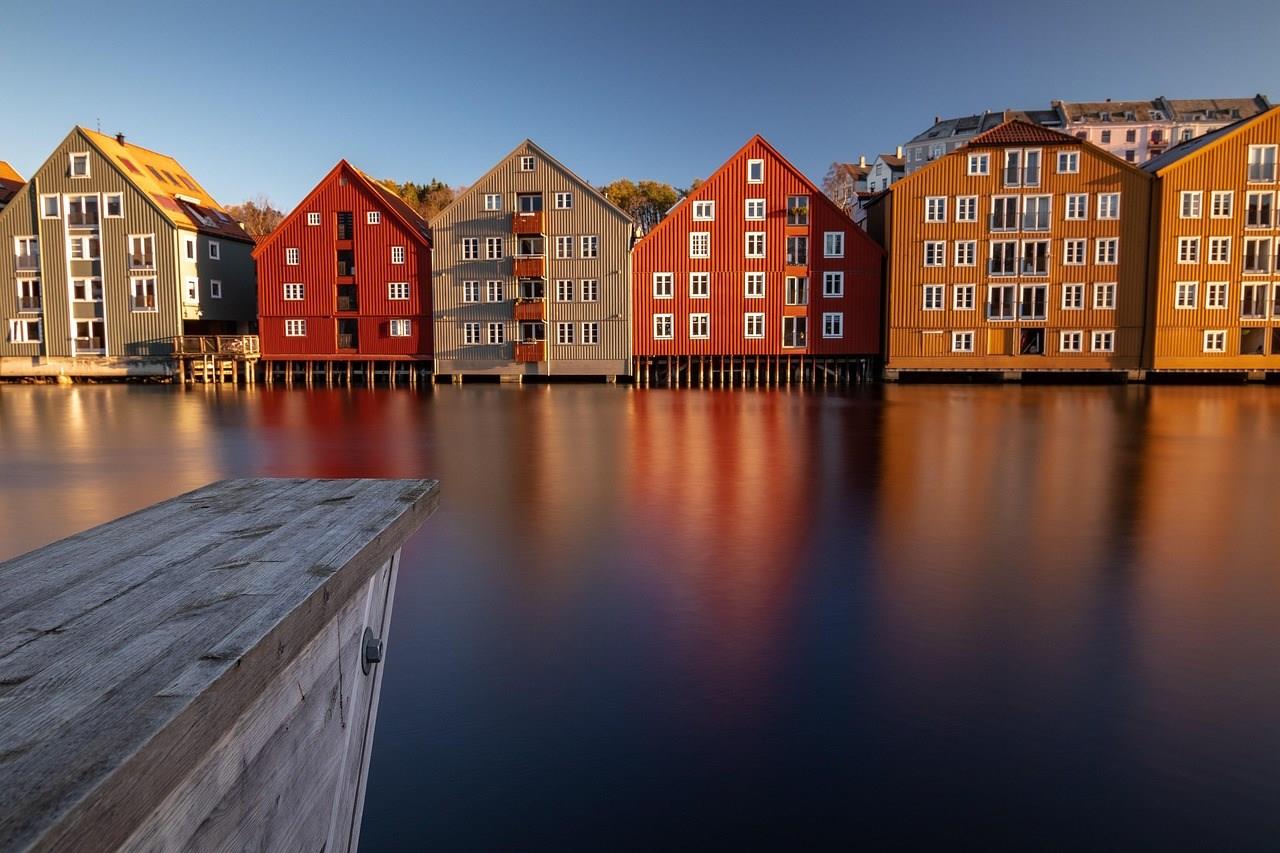
Sognefjord
Sognefjord stretches over 200 kilometers into Norway’s mountainous interior, making it the country’s longest and deepest fjord.
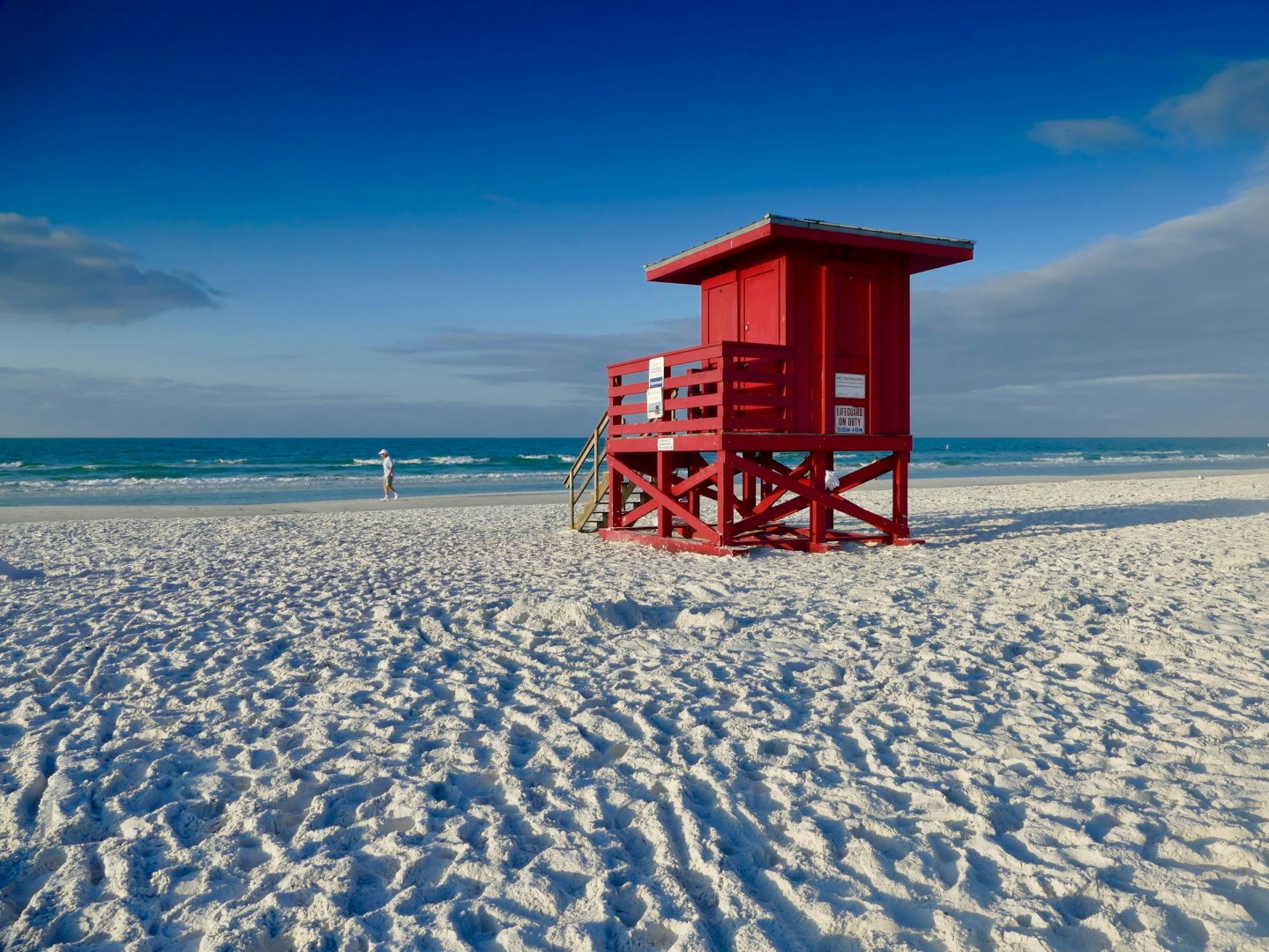
Siesta Key
Siesta Key is a barrier island off Sarasota on Florida’s Gulf Coast, known for its broad beaches and unusually fine quartz-crystal sand. Siesta Beach is the island’s best-known public beach, with a wide shoreline, shallow Gulf waters and facilities that include concessions, parking and beach access. The island is more than a beach destination, with Siesta Key Village providing a compact center of restaurants, shops and casual entertainment.
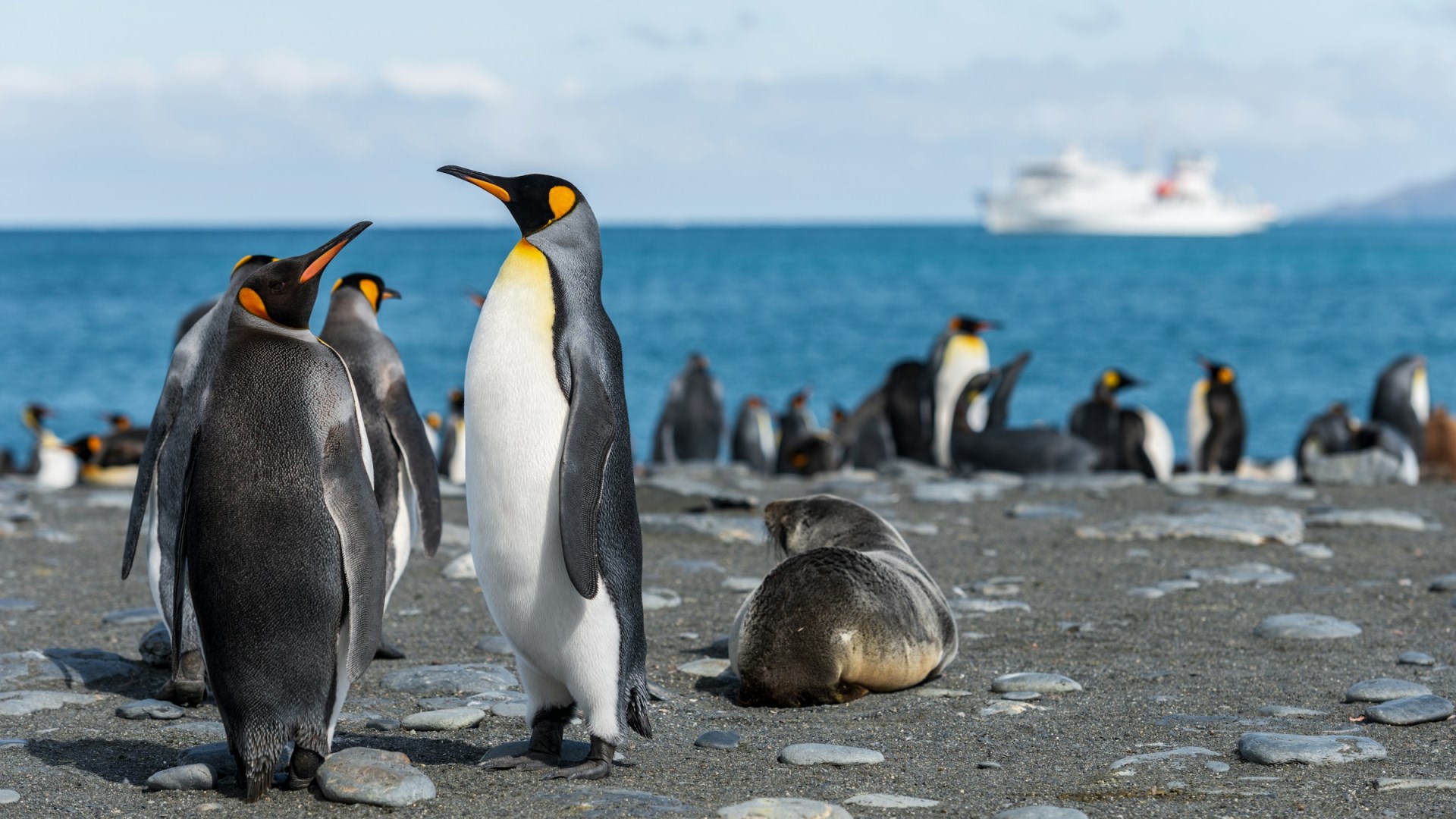
Gold Harbour
Gold Harbour is a small bay on the southeastern coast of South Georgia, where a narrow beach sits beneath steep mountains and hanging glaciers. The site is known for its rich concentration of wildlife and its dramatic setting, with the snow-covered Salvesen Range forming a backdrop behind the shoreline. The name reflects the golden appearance of the cliffs and mountains when illuminated by low sunlight.
