

Guatemala
Guatemala is a country where ancient history and living tradition meet in unexpected ways. The ruins of Tikal, once a major center of the Maya civilization, rise from the dense Petén jungle. Visitors can climb stone temples that pierce the forest canopy and listen for howler monkeys echoing through the trees. Tikal National Park, a UNESCO World Heritage Site, contains over 3,000 structures and still holds secrets under layers of earth and vegetation.
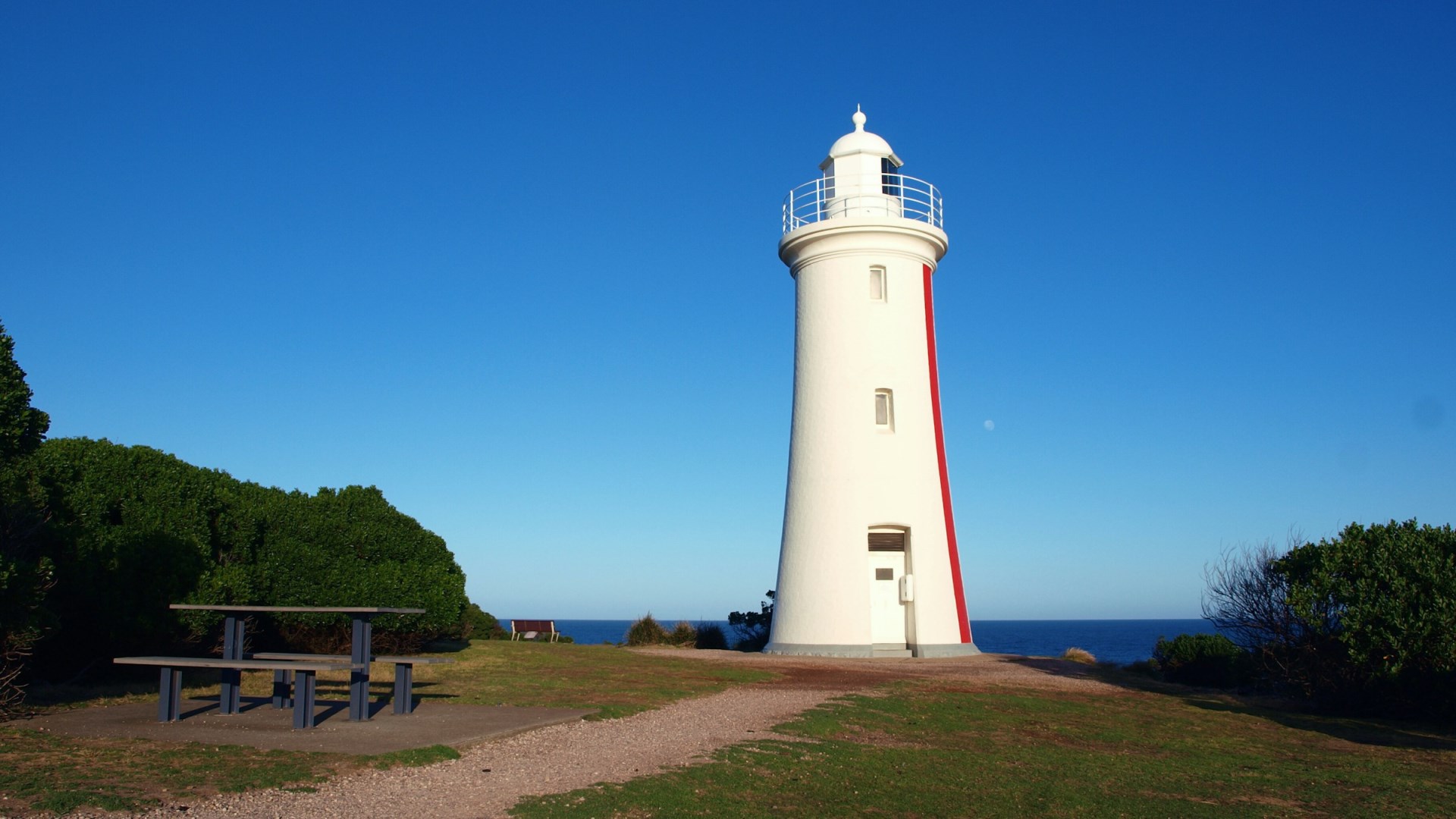
Devonport Tasmania
If you are travelling to Tasmania on the Spirit of Tasmania, then Devonport will be your first port of call. On arriving at Tasmania the first thing you will see, will probably be the Mersey Bluff and the Bluff Lighthouse. Along with passenger ferries, the port is still active with the exportation of products from north Tasmania.
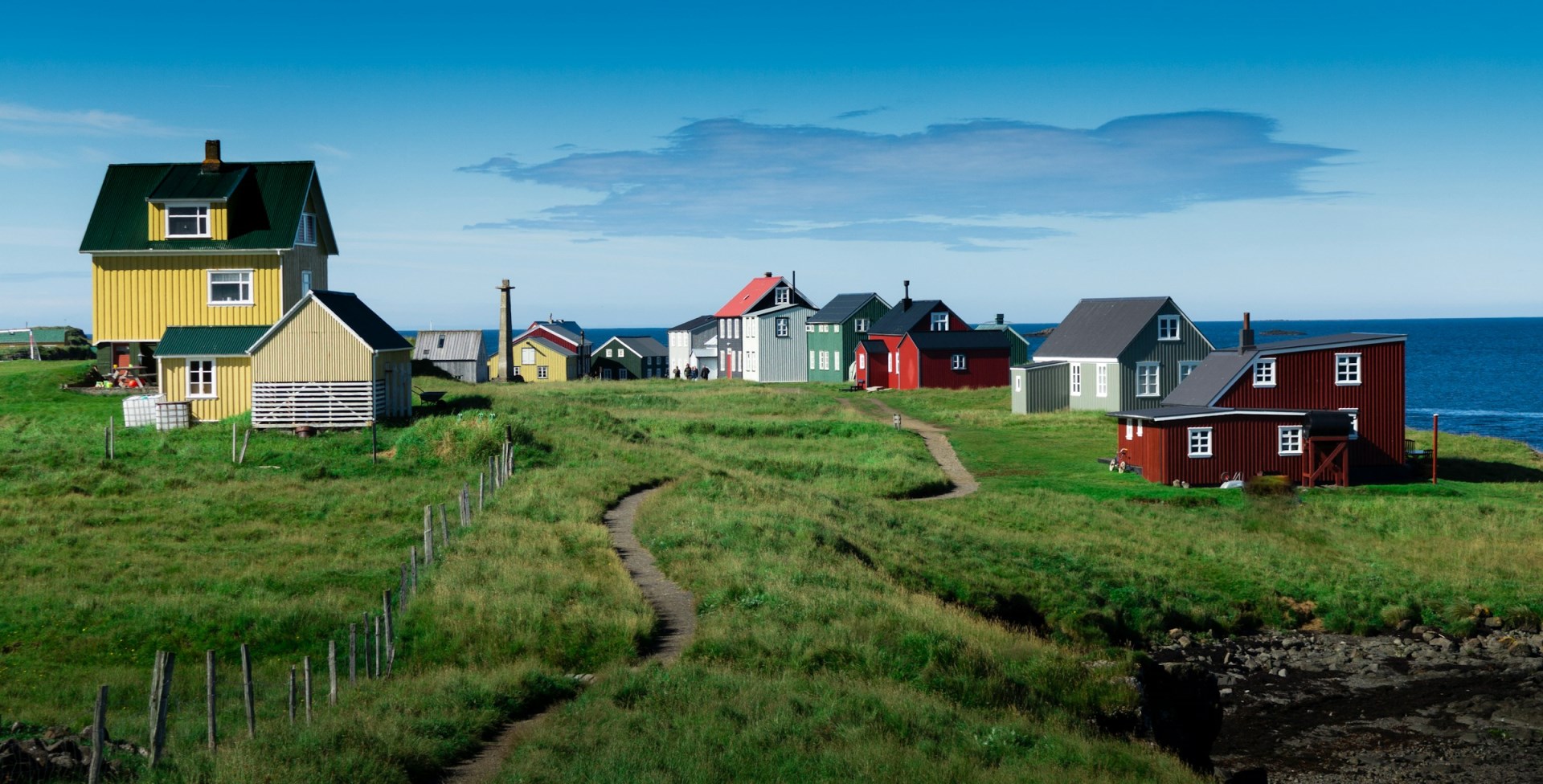
Flatey
Flatey is a small island in Breiðafjörður in western Iceland, known for its compact settlement, historic buildings, and quiet coastal landscape. The island is almost entirely flat, with low fields and rocky shores extending between the surrounding skerries. Its main settlement consists of a cluster of colorful wooden houses, many of which have been preserved as part of the island’s heritage.
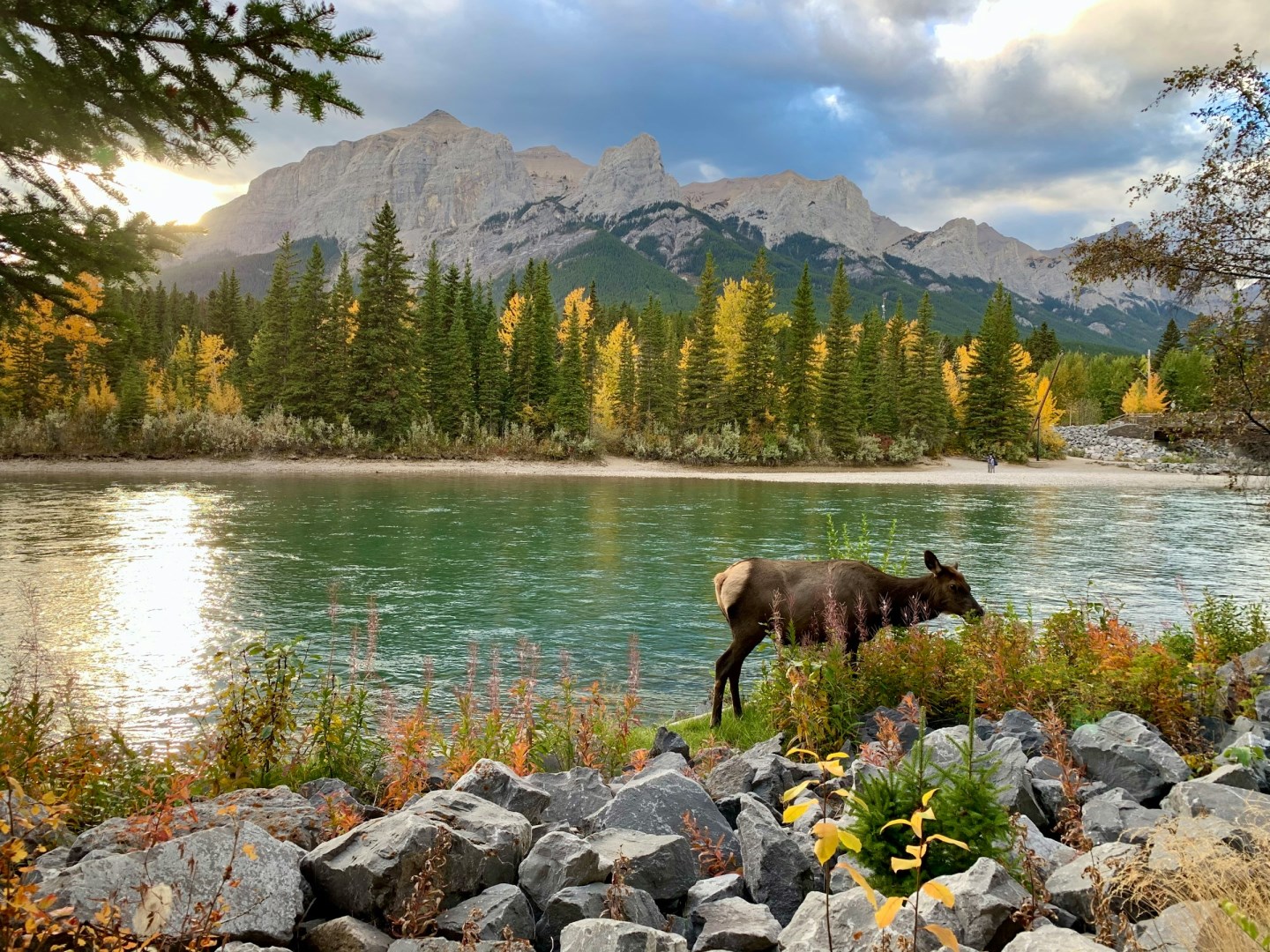
Bow River
The Bow River is one of Alberta’s best-known waterways, flowing from the Canadian Rockies through Banff National Park before continuing across the foothills and plains toward Calgary. Its headwaters are fed by glaciers and mountain snow, giving the river a cold, clear character and connecting high alpine landscapes with the prairie environment downstream.

Cape Horn
Located off the southern coast of Chile, Cape Horn is a coastal headland on Isla Hornos, the southernmost island in the Tierra del Fuego archipelago. The Cape Horn Monument provides a spectacular panoramic view of the Pacific and Atlantic Oceans. This rocky cliffside is a popular stop for Antarctic and South American cruises.
