
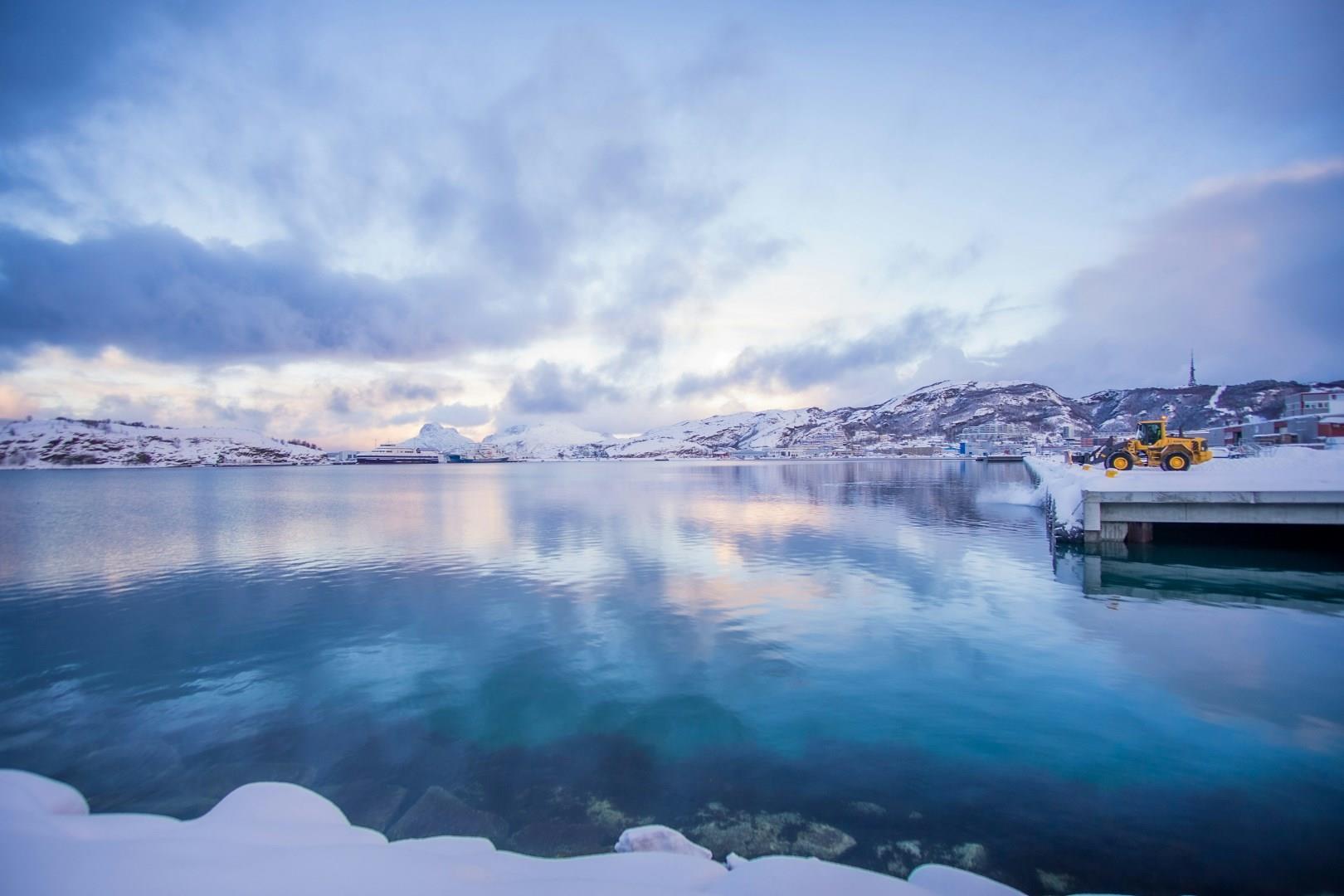
Bodø
Bodø, located just north of the Arctic Circle, is a coastal city where dramatic landscapes meet a surprising blend of modern culture and outdoor access. As the largest town in the Nordland region of Norway, Bodø has become a key stop along the Norwegian Scenic Route and a gateway to the Lofoten Islands. Located just a short drive away, the Saltstraumen maelstrom, which is one of the world’s strongest tidal currents, visitors can watch whirlpools form in the sea with astonishing power.
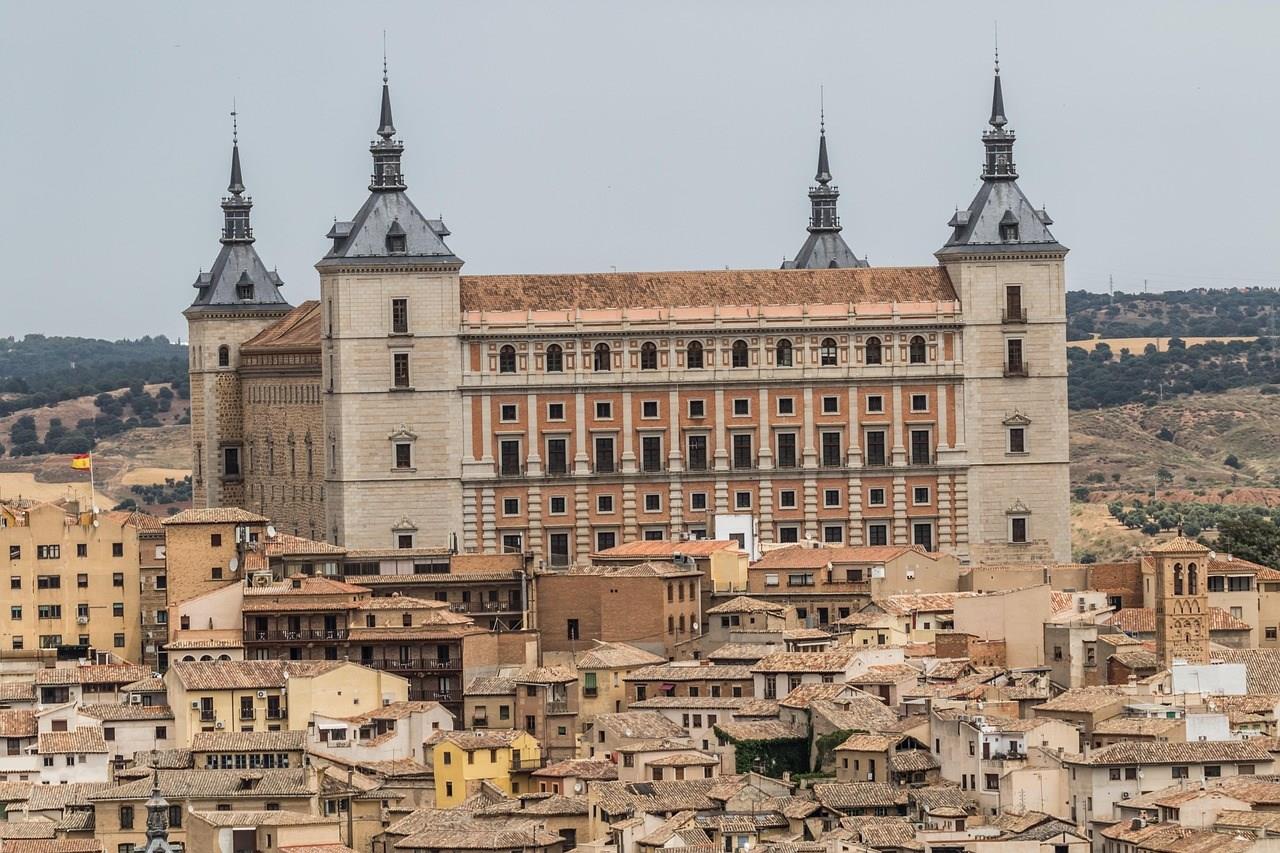
Toledo
Toledo, high above the Tagus River in central Spain, is a city where layers of history are visible around every corner. For centuries it was an important Roman settlement, a Visigothic capital, and later a stronghold during the medieval Christian reconquest, before becoming the seat of royal power and a crossroads of cultures. Because of this long span of stories and architectural richness, the whole old town has been recognized as a UNESCO World Heritage Site.
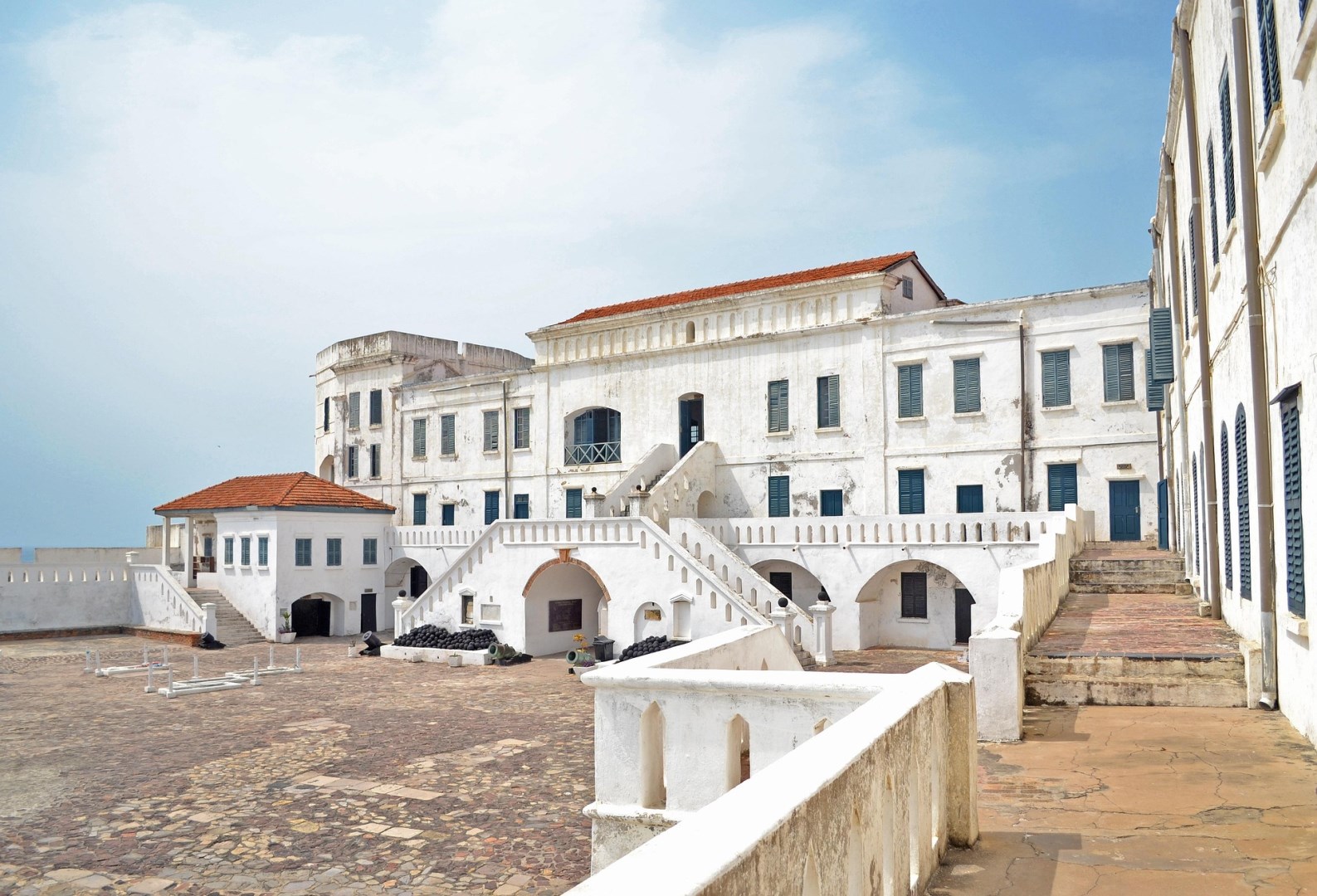
Cape Coast
Cape Coast is a historic coastal city in Ghana’s Central Region, positioned along the Gulf of Guinea west of Accra. Once an important centre of European trade on the Gold Coast, the city is now known for its historic architecture, fishing communities, beaches, and connection to Ghana’s coastal culture. Cape Coast Castle dominates the waterfront and remains the city’s best-known landmark. The city is also home to the University of Cape Coast and serves as a base for exploring nearby attractions,
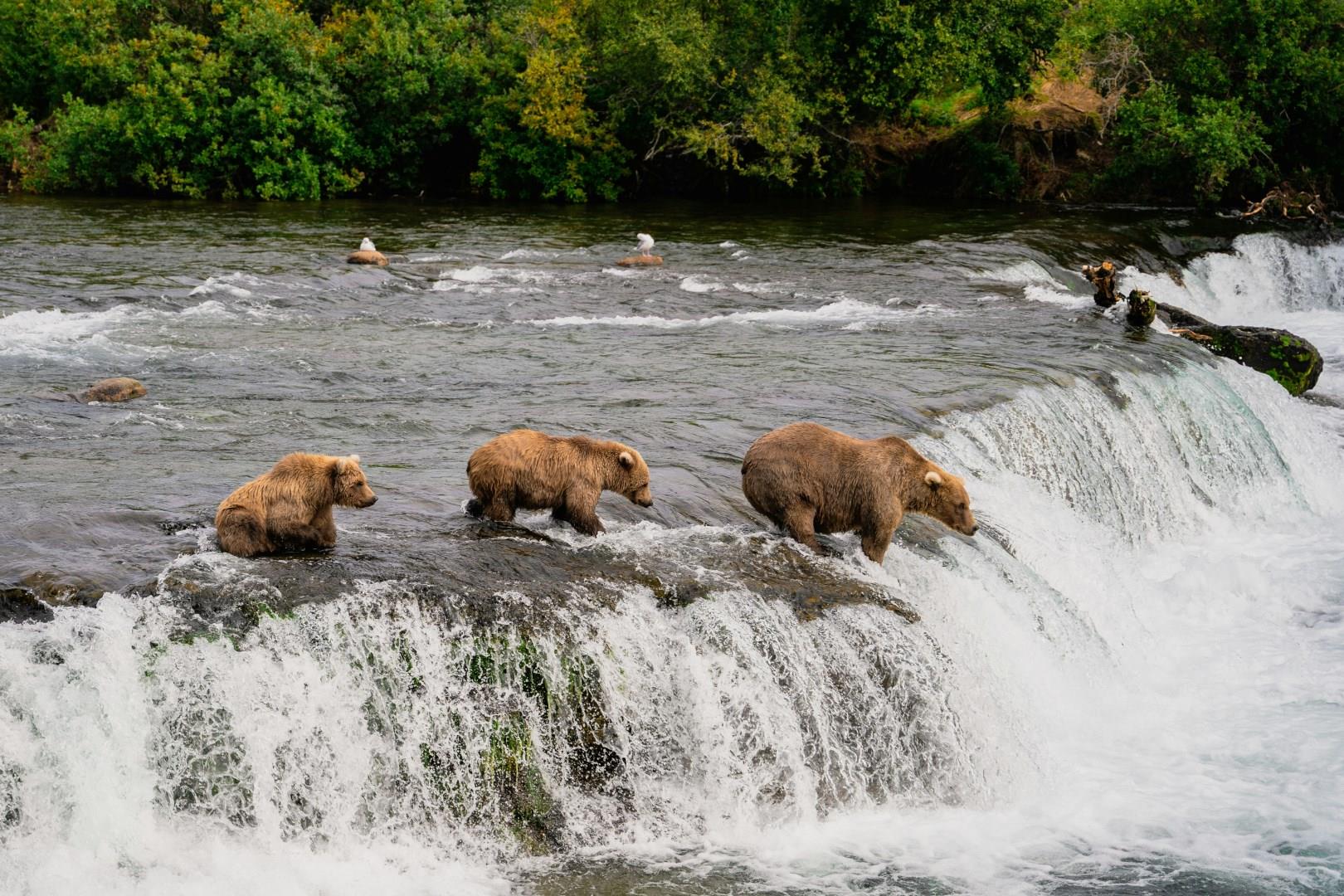
Katmai National Park
Katmai National Park and Preserve lies along Alaska’s remote Pacific coast, shaped by volcanism, glaciers, and deep time. The area gained prominence after the 1912 Novarupta eruption, one of the largest volcanic events of the 20th century, which transformed the landscape and led to the creation of the Valley of Ten Thousand Smokes.
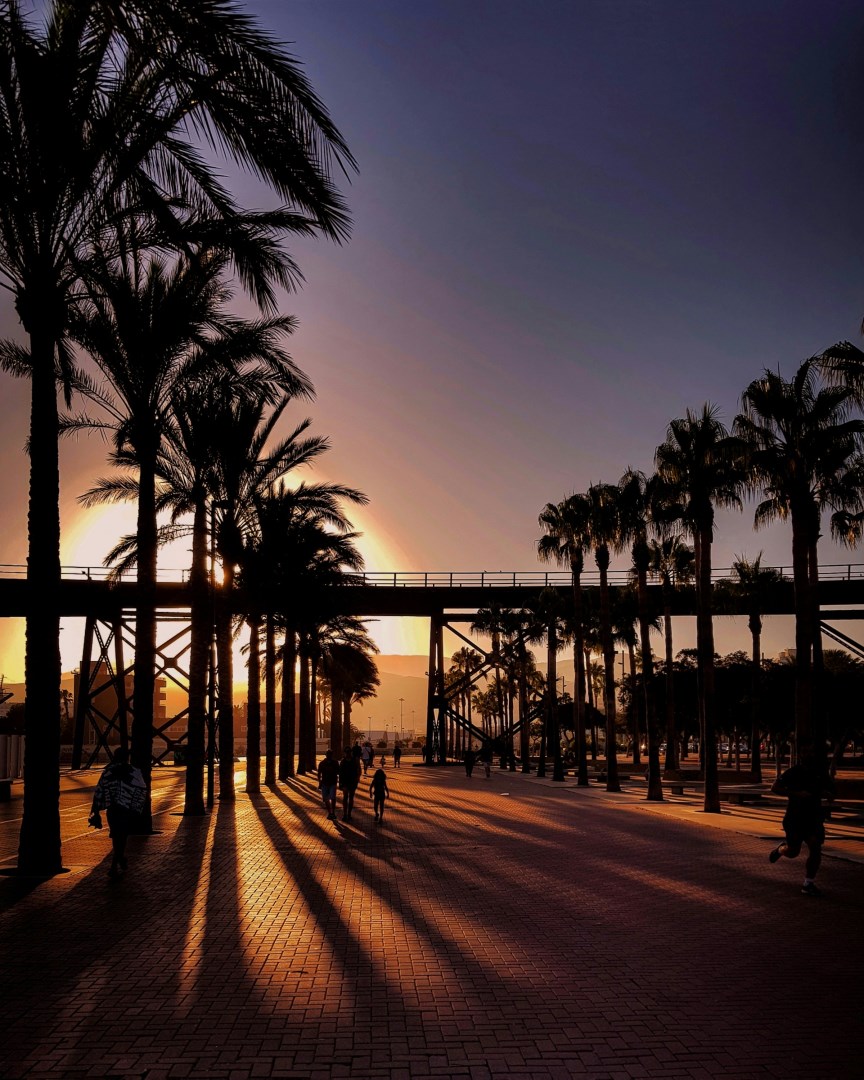
Almería
Almería is a coastal city and provincial capital in southeastern Spain, facing the Mediterranean Sea. It lies between a working port, dry coastal plains, and rugged mountains in one of the driest areas of mainland Europe.
