
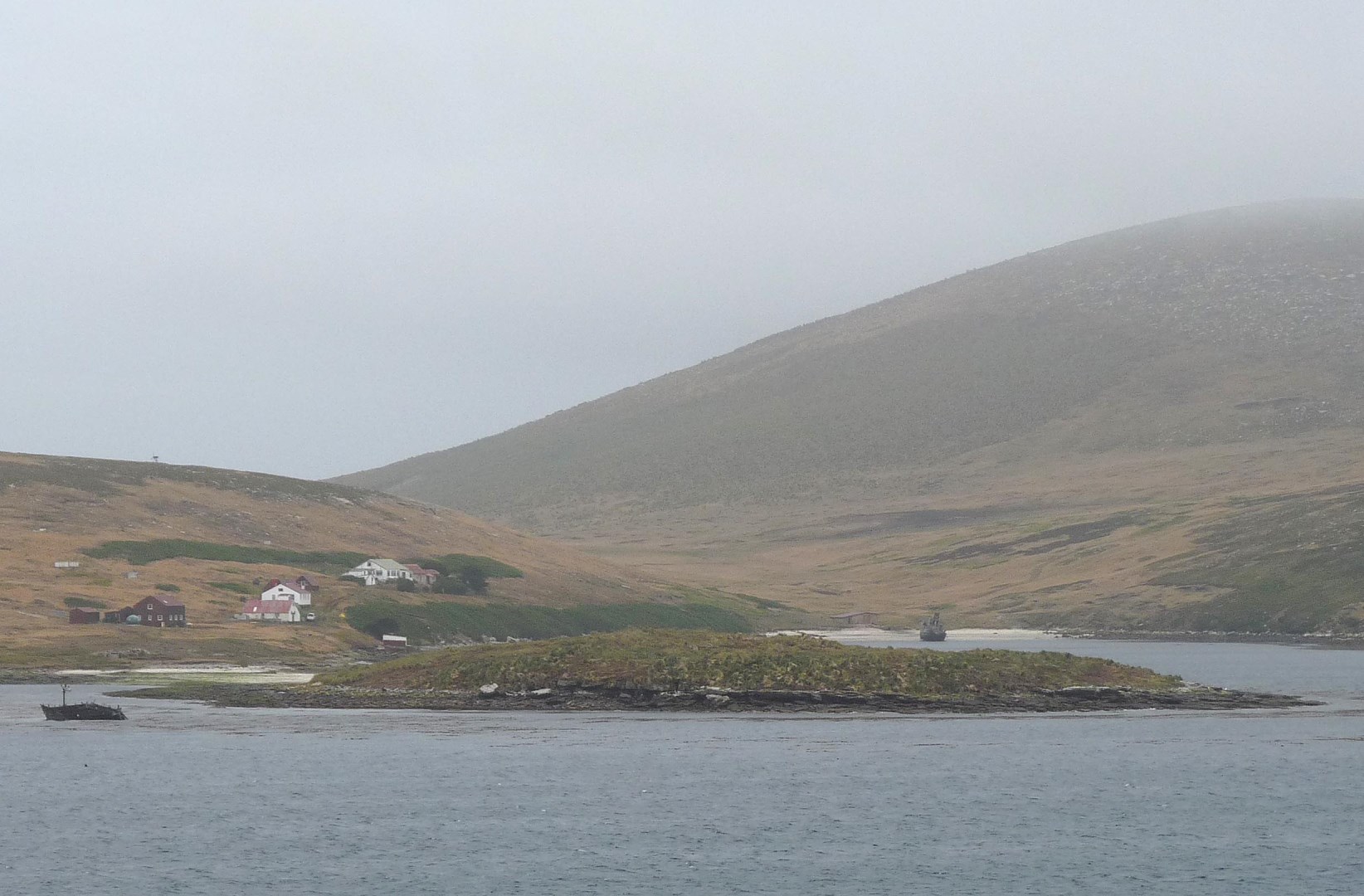
New Island
The Falklands are a remote and beautiful group of islands with a temperate climate, warm and friendly people of British decent, unbelievably rich wildlife, colorful homes and gardens, and a unique way of life. There is a surprising variety of scenery with rolling moorlands, grassy plains dotted with lakes, mountains over 2000 feet high, and a magnificent coastline with wide white beaches and dramatic bluffs.
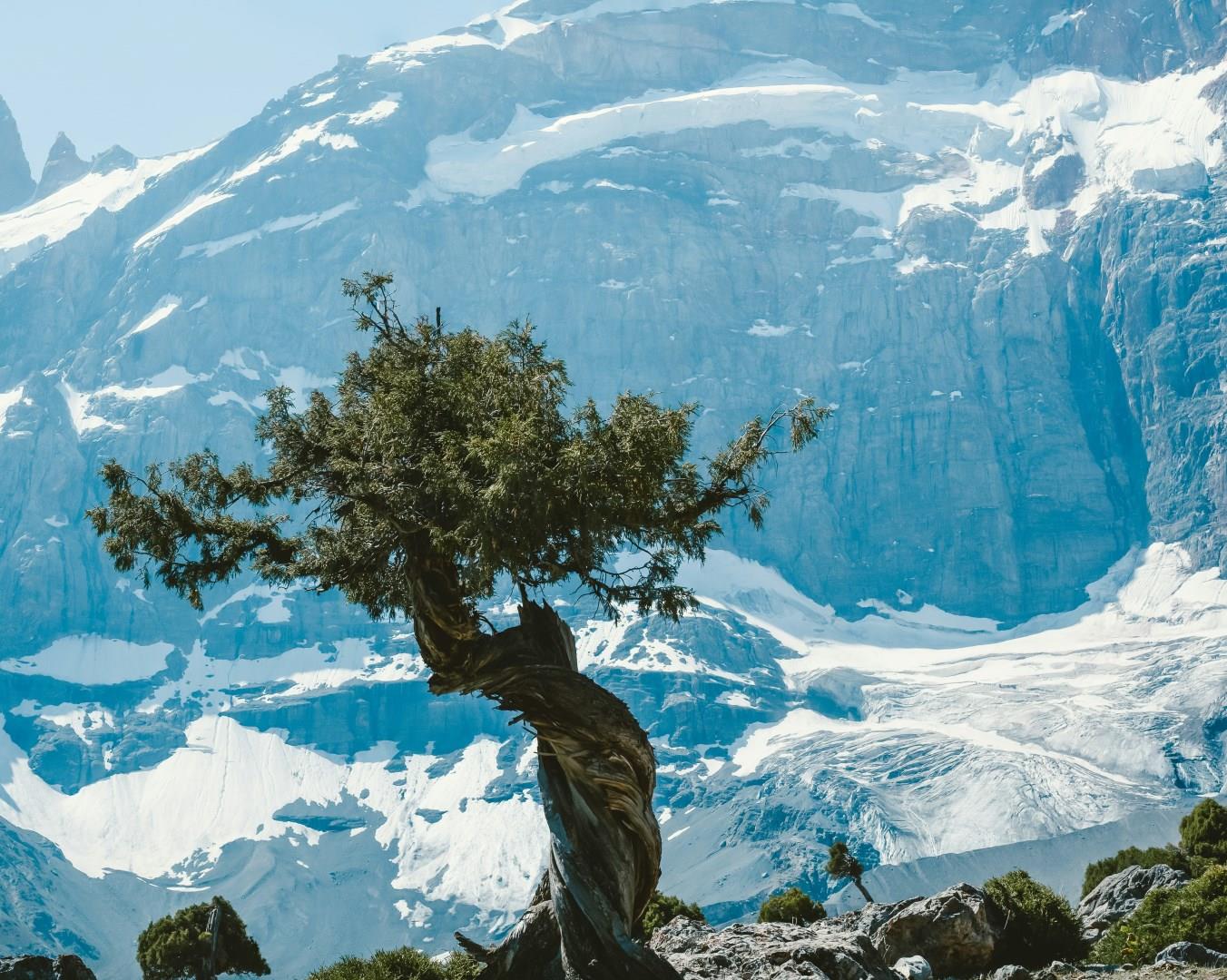
Tajikistan
Tajikistan, a landlocked country in Central Asia, is defined by its dramatic mountain landscapes, including the towering Pamir and Fann ranges. These rugged peaks and deep valleys create a striking backdrop for ancient Silk Road sites and traditional villages, reflecting the country’s historical importance as a crossroads of cultures.
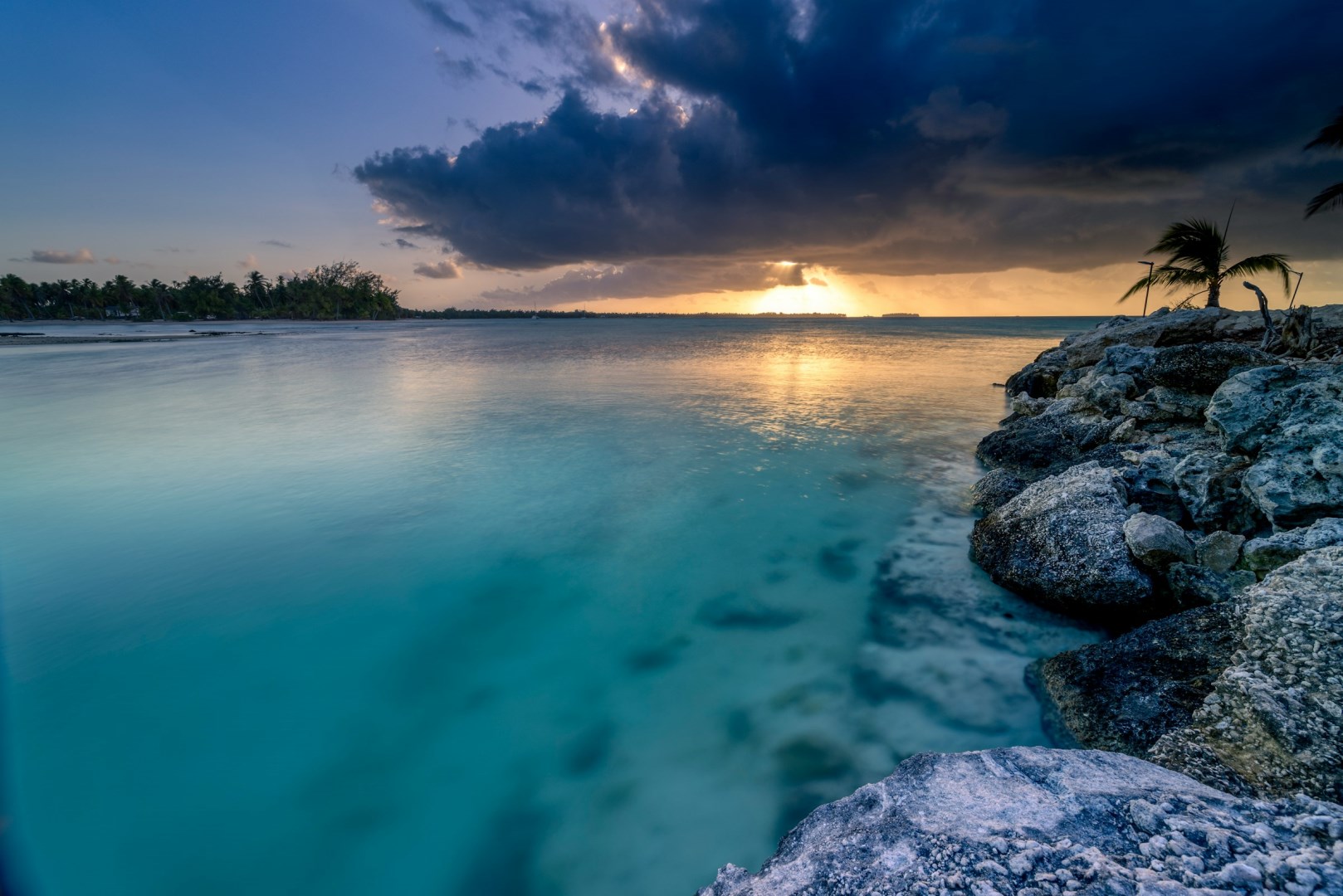
Tikehau
Tikehau is a small coral atoll in the Tuamotu Archipelago of French Polynesia, northeast of Tahiti. Its oval lagoon is enclosed by a narrow chain of coral islets known as motu, with only a few channels connecting the lagoon to the open Pacific. Most of the land is low and covered with coconut palms, coastal vegetation, and white- and pink-tinged sand.
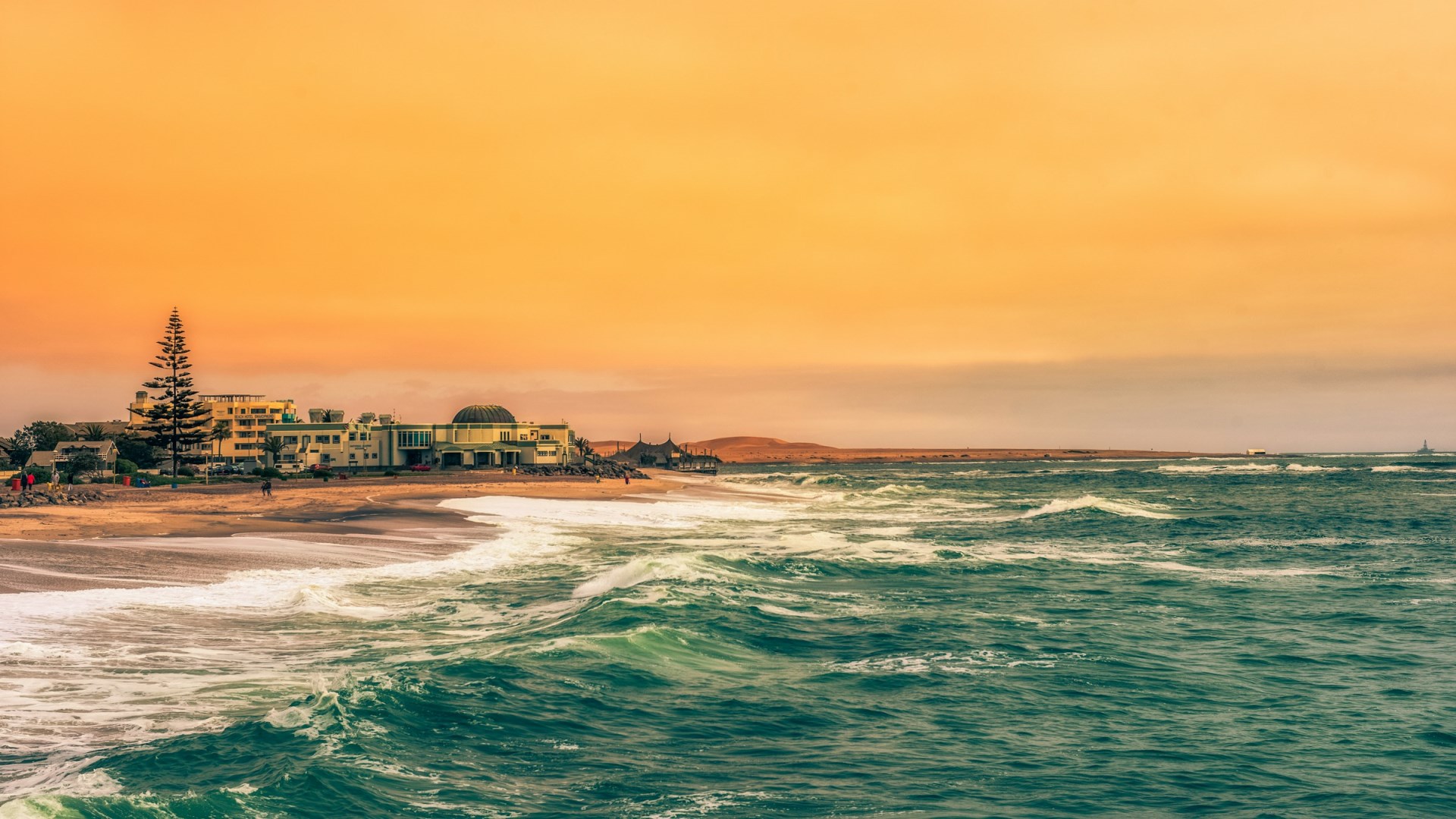
Swakopmund
Swakopmund, on Namibia’s Atlantic coast, is a town where desert meets ocean in striking contrast. Founded by German colonists in the late 19th century, its streets are lined with colonial-era buildings painted in pastel colors, giving the town a distinctly European feel.
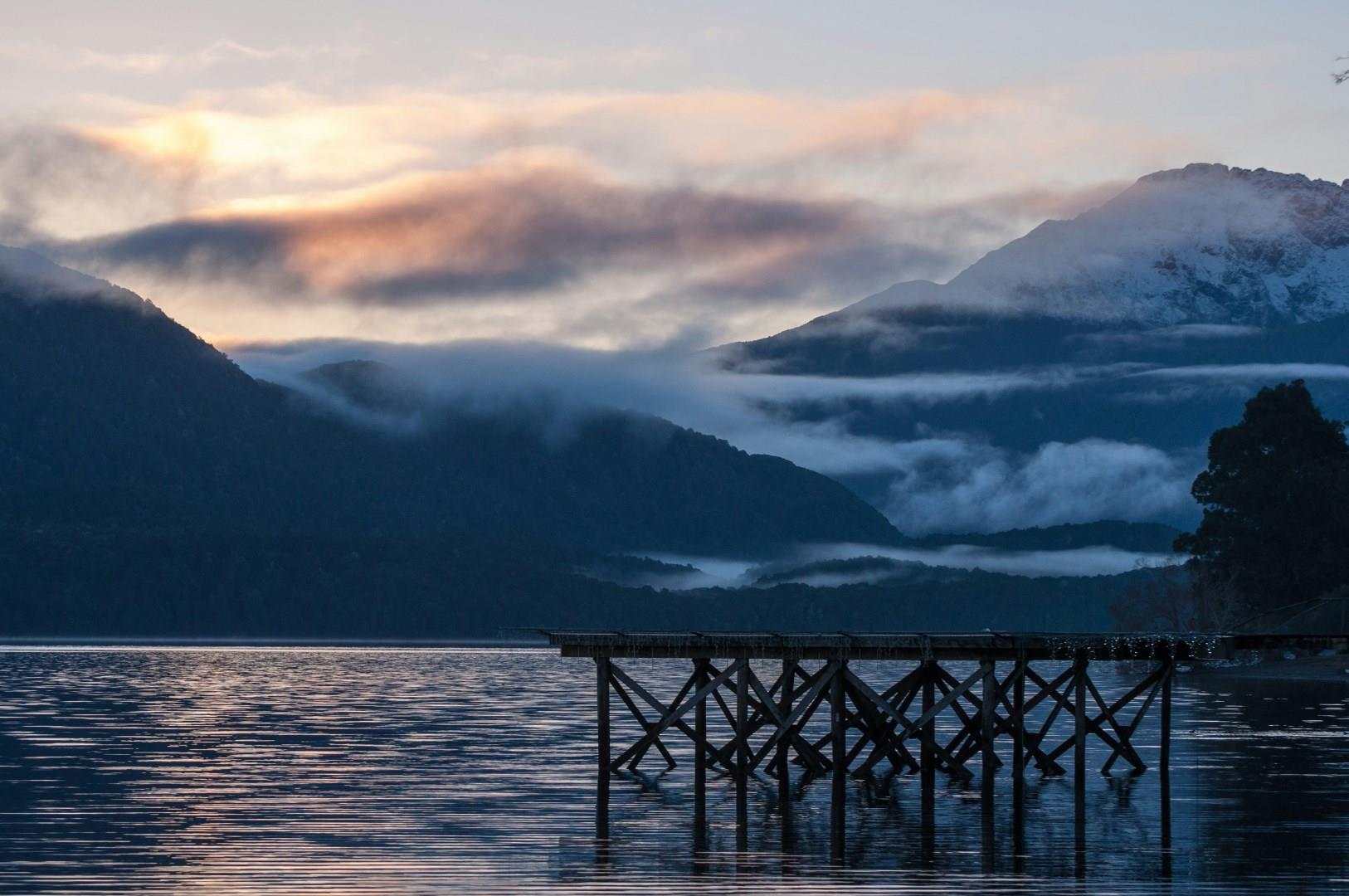
Te Anau
Te Anau sits on the edge of New Zealand’s second-largest lake, acting as the unofficial gateway to Fiordland National Park. While it’s often viewed as a starting point for trips to Milford Sound, the town itself offers a slower, more scenic way to experience the South Island’s dramatic landscapes. Te Anau’s lakefront is a mix of walking paths, local birdlife, and wide-open views across snow-dusted peaks.
