

Cuenca
Nestled in the Andes Mountains, Cuenca, Ecuador, is a city that seamlessly blends colonial charm, cultural richness, and natural beauty. Known as the “Athens of Ecuador” due to its vibrant intellectual and cultural life, Cuenca's historic center is a UNESCO World Heritage Site that delights visitors with its cobblestone streets, whitewashed buildings, and red-tiled roofs.
Jebel Akhdar
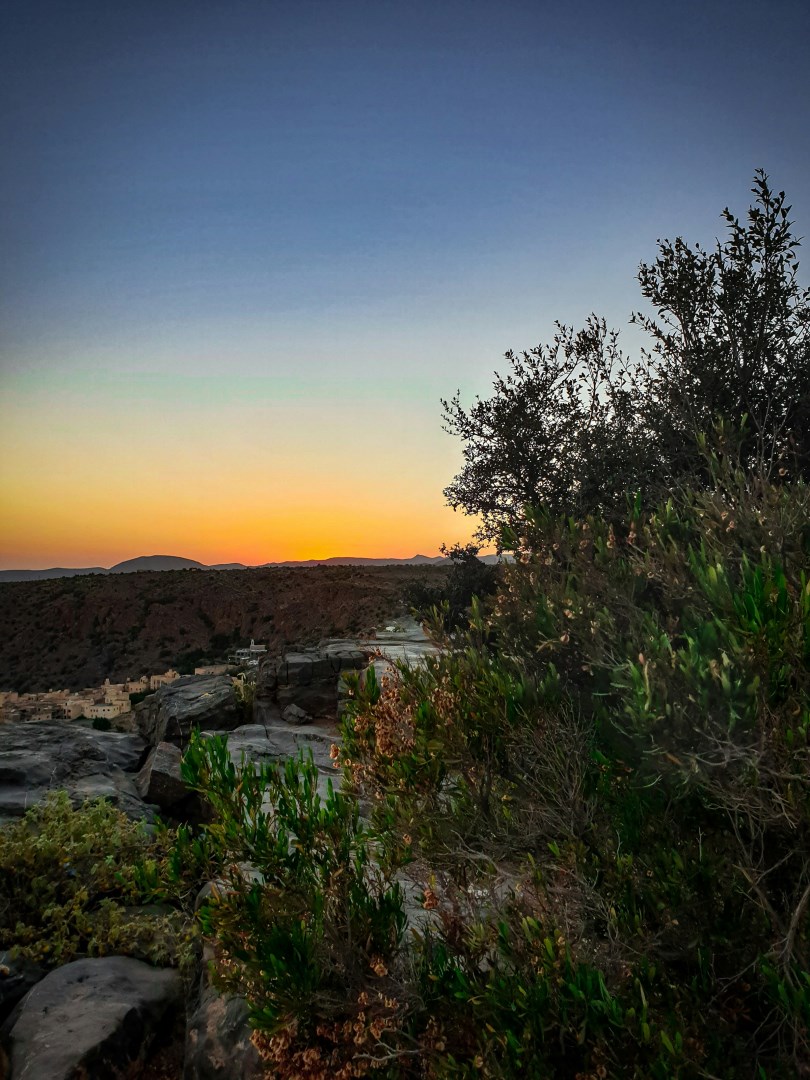
Jebel Akhdar, meaning “Green Mountain,” is a highland area within Oman's Al Hajar Mountains in Ad Dakhiliyah Governorate. The mountain rises to about 2,980 meters, with the Saiq Plateau located around 2,000 meters above sea level. Its cooler mountain climate supports terraced orchards, villages, and vegetation that differs from the dry lowlands below.
Hot Springs
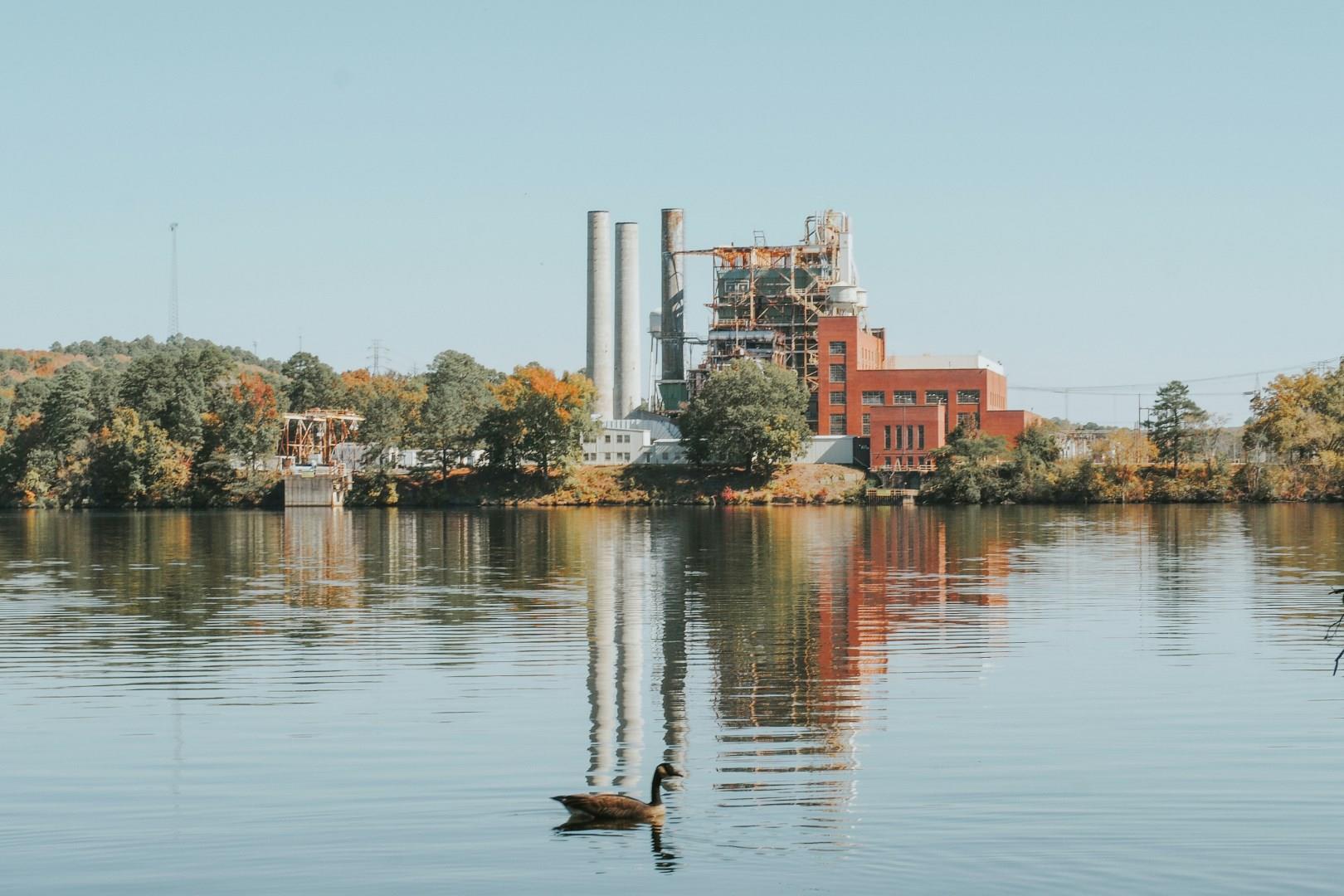
Hot Springs, Arkansas has been drawing visitors for centuries, and it all starts with the water. The city sits atop a natural thermal spring system that produces nearly a million gallons of 143-degree water each day. These springs gave rise to Bathhouse Row, a stretch of eight historic bathhouses within Hot Springs National Park. Some, like the Fordyce Bathhouse, now serve as museums, while others still offer traditional thermal soaks.
Inveraray
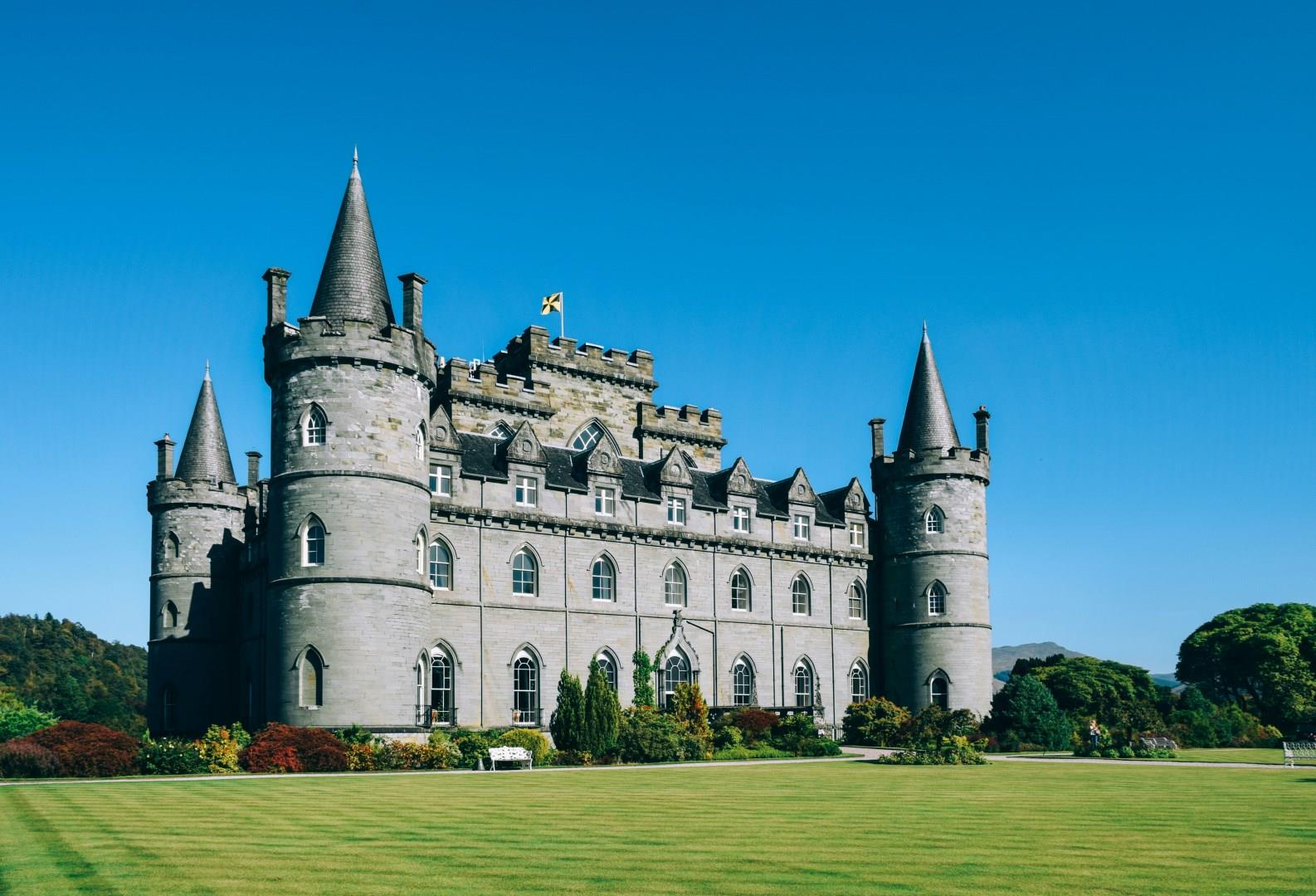
Inveraray, a small town on the western shore of Loch Fyne in Argyll and Bute, Scotland, offers visitors a glimpse into 18th-century planning and Highland heritage. Built largely in the mid-1700s under the direction of the 3rd Duke of Argyll, the town features Georgian architecture, wide streets, and an unusual level of symmetry for a rural Scottish settlement. The main street, lined with whitewashed buildings, leads down to the loch’s edge, where fishing boats and leisure vessels come and go.
Geraldton
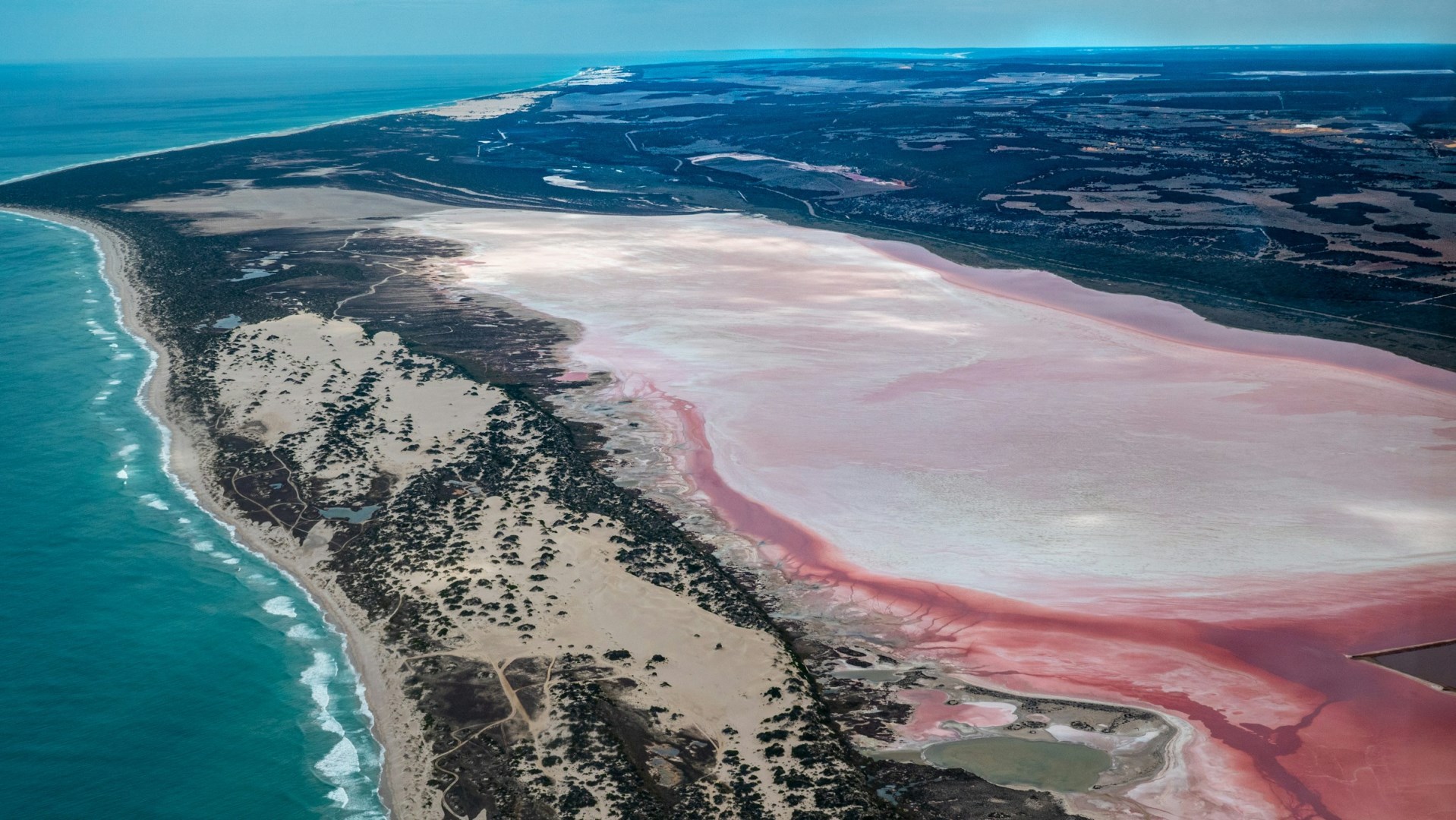
A major town in the midwest region of Western Australia on the coast, it is also the site of a maritime museum that houses the relics of numerous ship wrecks that occurred off its coastline.
