

Dominica
Dominica, known as the “Nature Island of the Caribbean,” is a haven for eco-tourists and adventure seekers. Nestled between the French islands of Guadeloupe and Martinique, this lush island boasts a remarkable landscape of volcanic mountains, dense rainforests, and stunning waterfalls. Dominica’s most iconic natural wonder is the Boiling Lake, the second-largest hot spring in the world.
Borneo
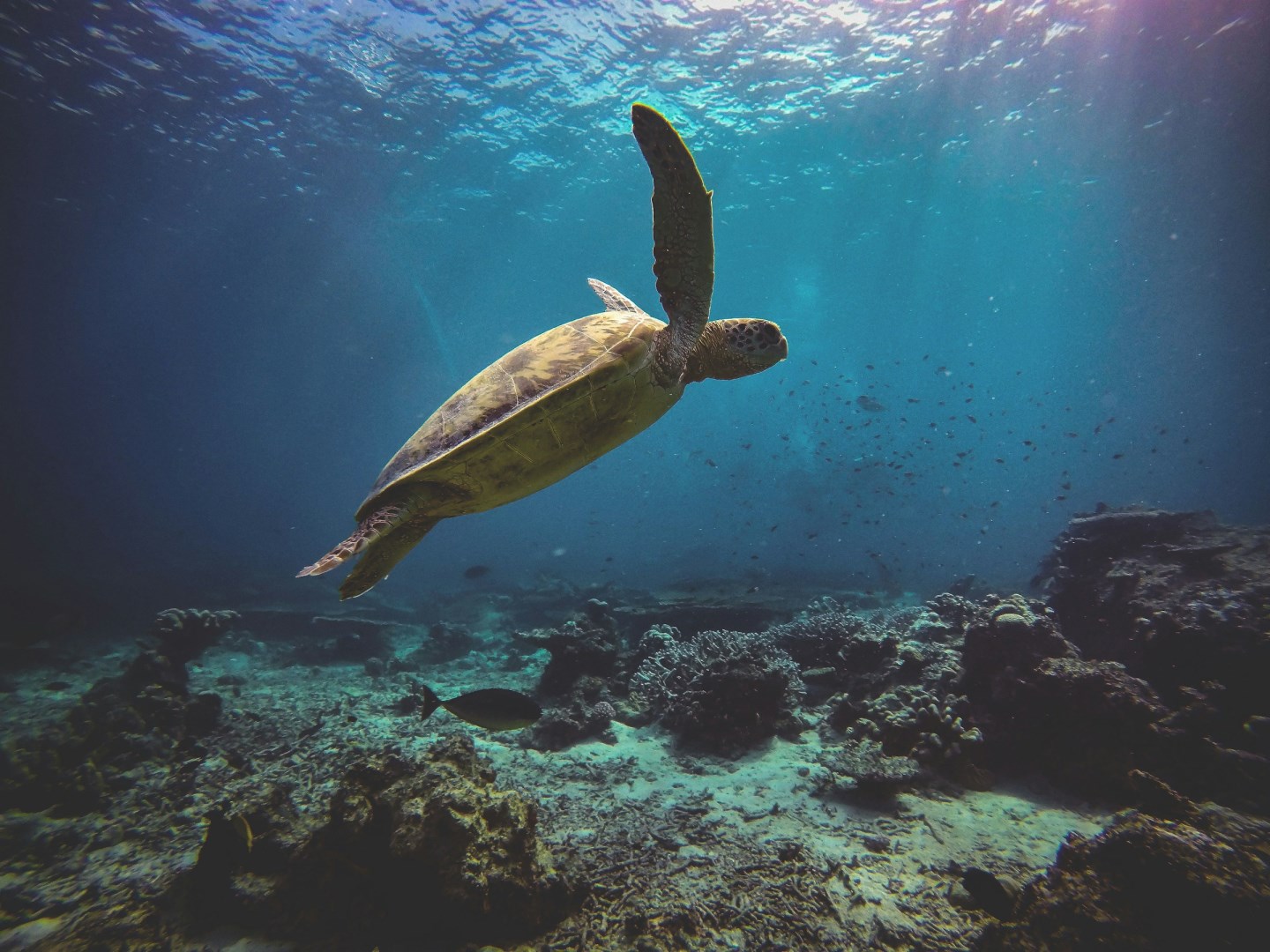
Malaysian Borneo occupies the northern part of Borneo, the world's third-largest island, and consists of the states of Sabah and Sarawak together with the federal territory of Labuan. The region is marked by extensive rainforests, rivers, mountains, limestone formations, and a long coastline along the South China, Sulu, and Celebes seas. Kota Kinabalu and Kuching are the principal urban centers, while smaller communities extend into forest and river regions.

Ishigaki
Ishigaki, the vibrant hub of the Yaeyama Islands in Japan, is a tropical paradise renowned for its stunning natural beauty and unique cultural heritage. As the largest island in the Yaeyama group, Ishigaki is celebrated for its breathtaking beaches and crystal-clear waters, such as the pristine Kabira Bay, famous for its turquoise hues and coral reefs.
Lüderitz
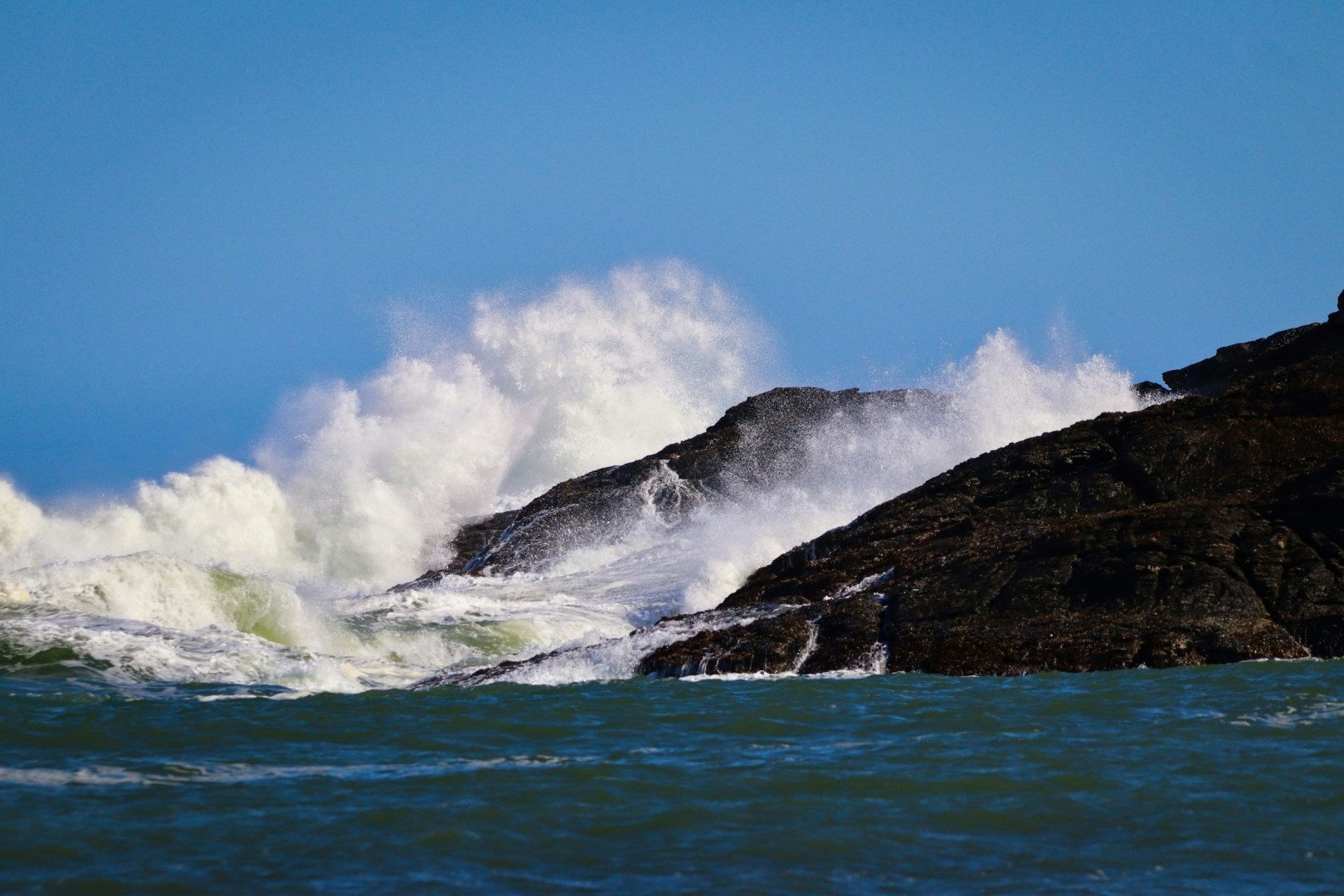
This coastal town in southwestern Namibia is known for its German colonial buildings, including the art nouveau Goerke Haus, built into the rock face on Diamond Hill. Nearby, Felsenkirche is a hilltop church with panoramic bay views stretching around to Robert Harbor. The Lüderitz Museum has displays about the town’s diamond mining past as well as local and natural history.
Chivay
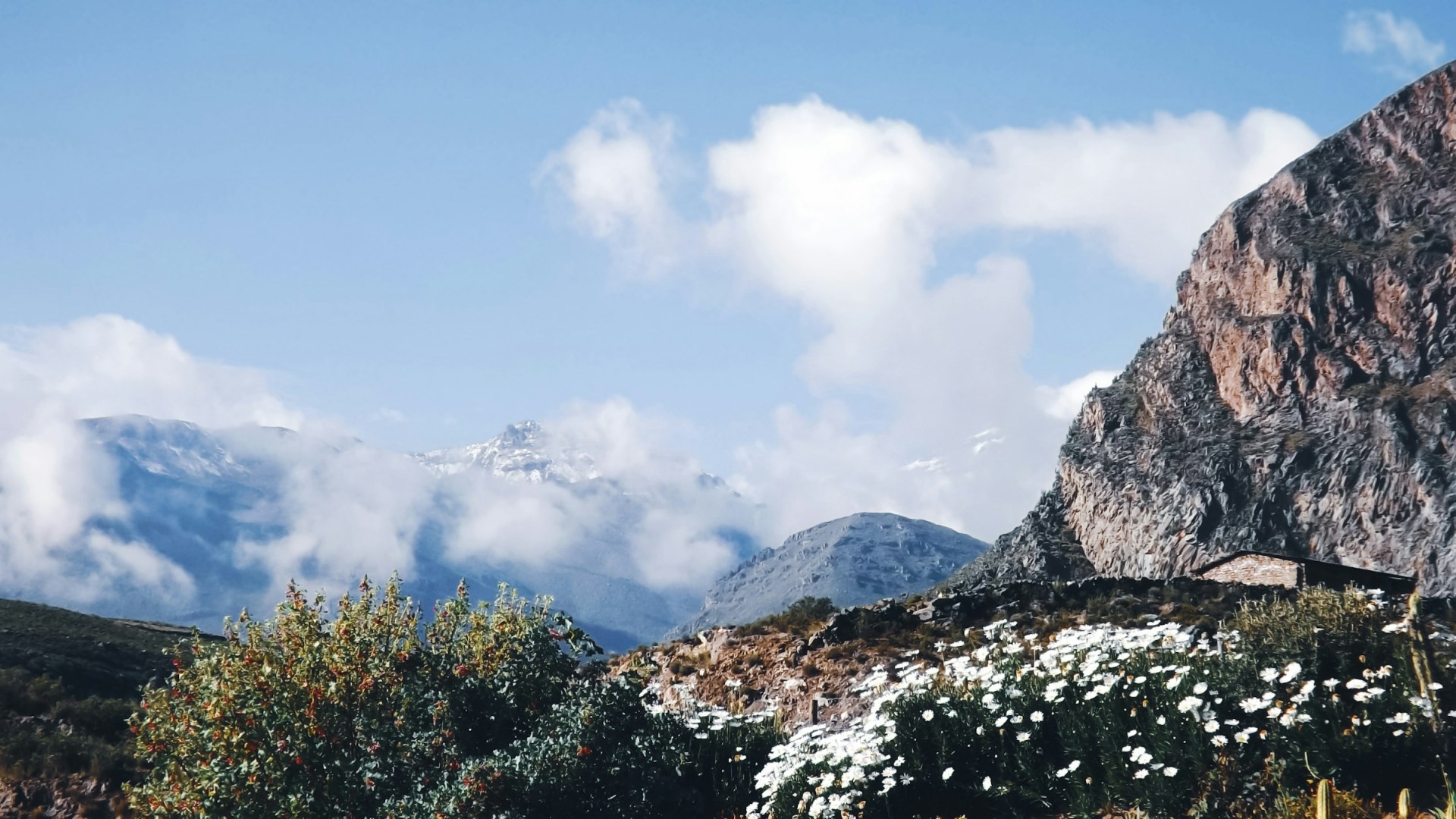
Chivay is a highland town in Peru’s Arequipa Region and the main urban center of the Colca Valley. Set at more than 3,600 meters above sea level, it lies among cultivated slopes, rugged mountains, and deep valleys shaped by the Colca River. The town serves as an important gateway to the Colca Canyon and surrounding communities, with accommodations, restaurants, markets, and transport connections supporting visitors exploring the area.
