
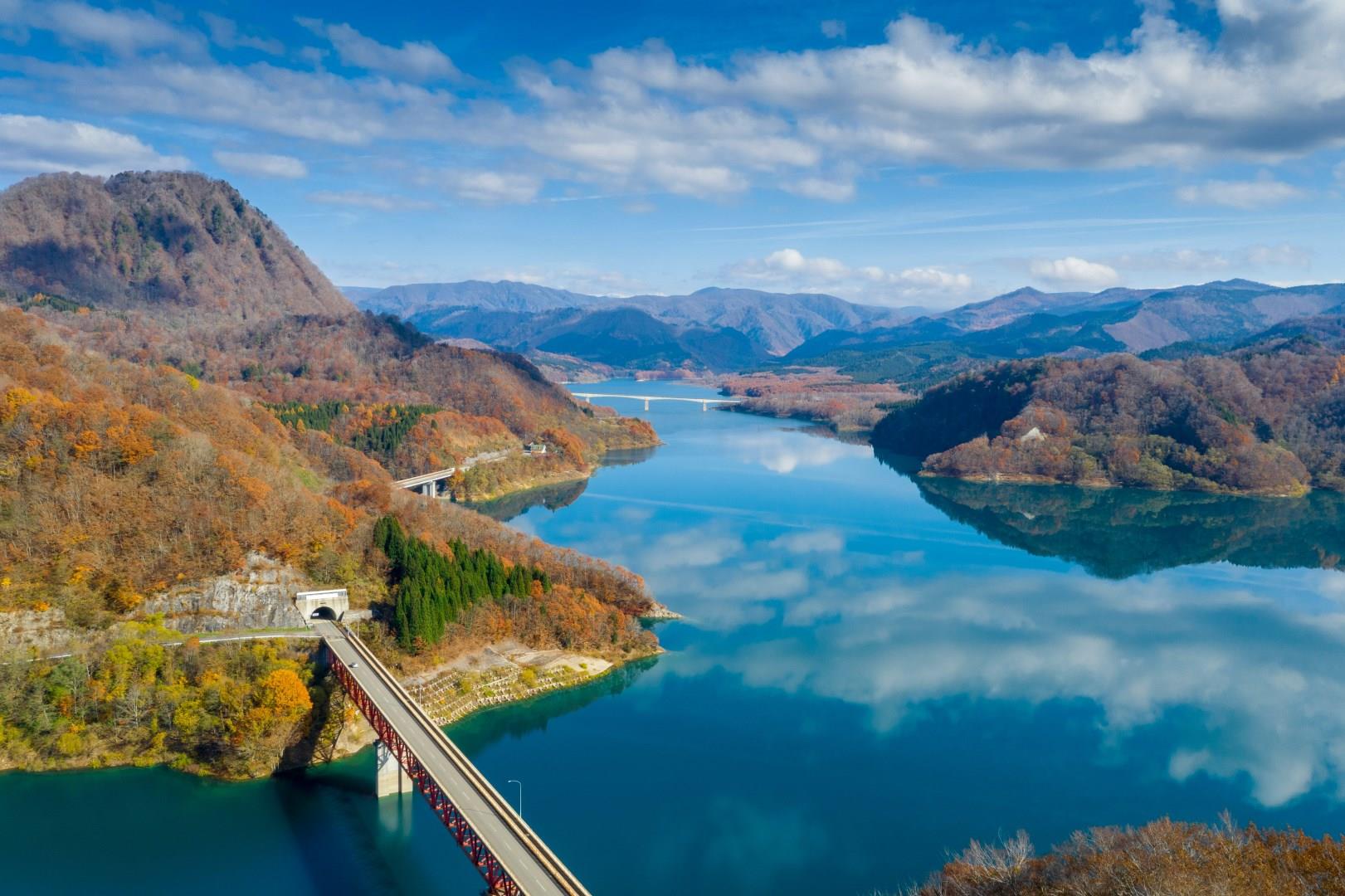
Akita
Akita sits in the northern part of Japan’s Tōhoku region and offers travelers experiences rooted in long-held traditions, lively festivals, and scenic valleys. Its capital city blends seasonal appeal with cultural offerings, from Senshu Park, once the site of Kubota Castle, where cherry blossoms and lotuses draw locals and visitors alike, to the Akita Museum of Art, a striking building designed by famed architect Tadao Ando that displays works including pieces by Tsuguharu Foujita.
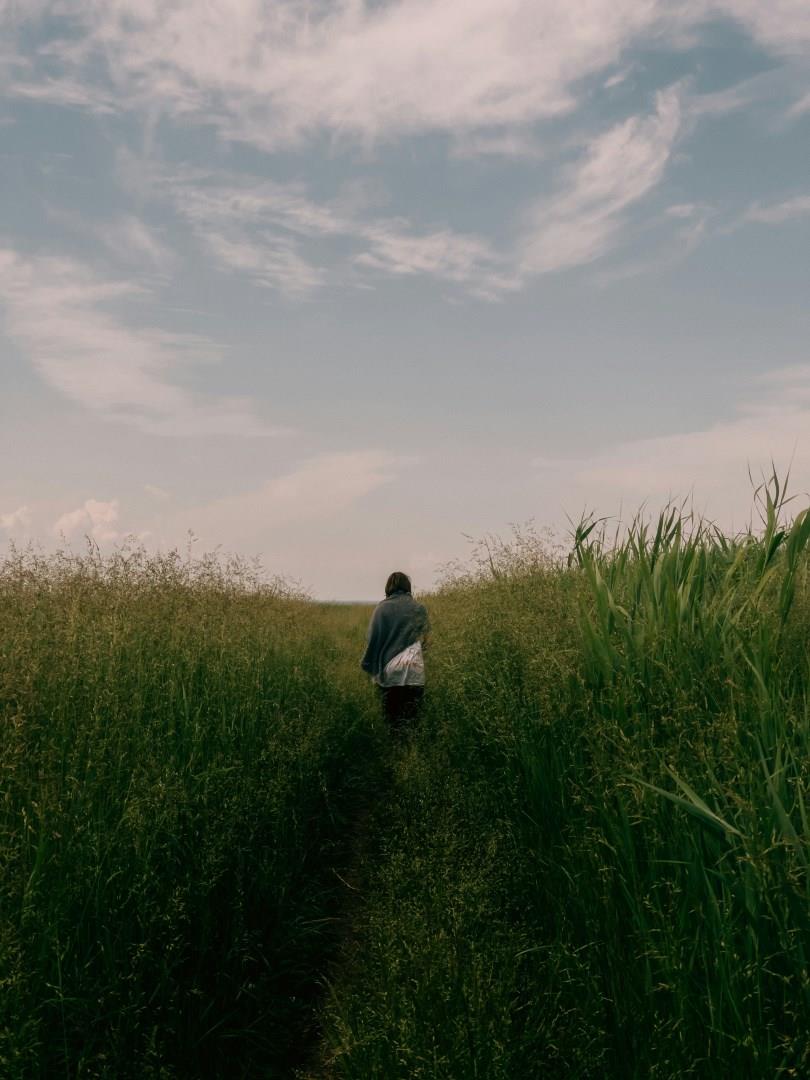
Parnu
Pärnu, often called Estonia’s “summer capital,” is a charming seaside city known for its long sandy beaches, historic architecture, and vibrant spa culture. Located along the coast of the Gulf of Riga, Pärnu has been welcoming visitors since the 19th century, when it became one of Northern Europe’s premier spa destinations.

Xi'an
Xi’an, located in central China’s Shaanxi Province, served as the starting point of the ancient Silk Road and was the capital of 13 imperial dynasties. Its long history is most famously represented by the Terracotta Army, an underground army of life-sized warriors discovered in 1974. Each figure has distinct facial features, hairstyles, and armor, designed to protect Emperor Qin Shi Huang in the afterlife.
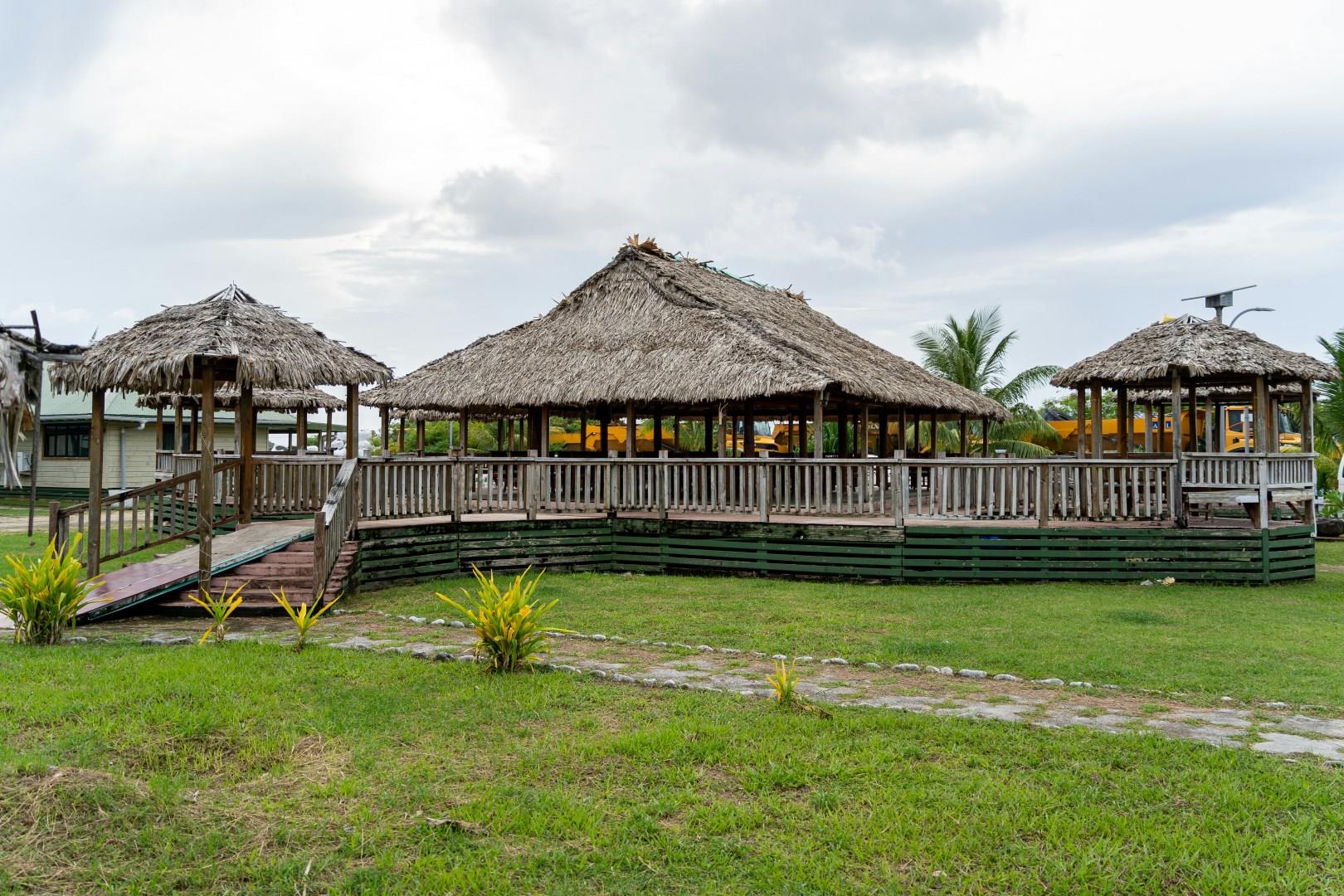
Funafuti Atoll
Funafuti Atoll, the capital of Tuvalu, is a narrow strip of land wrapped around a brilliant turquoise lagoon that stretches over 20 kilometers across. Despite being just 600 meters at its widest point, Funafuti is the heartbeat of the country, where government buildings, homes, schools, and the island’s only airport all coexist along sandy roads lined with coconut trees.

Villefranche
Set in the heart of one of the world's most beautiful bays, Villefranche-sur-Mer sits on the steps of a natural amphitheater - the terraced hills of the Riviera - gazing out over the sea. The plentiful sunshine of the Côte d'Azur, reflected in the enclosed bay, has given Villefranche-sur-Mer a warmth and climate all of its own and its famous rich, exotic vegetation.
