
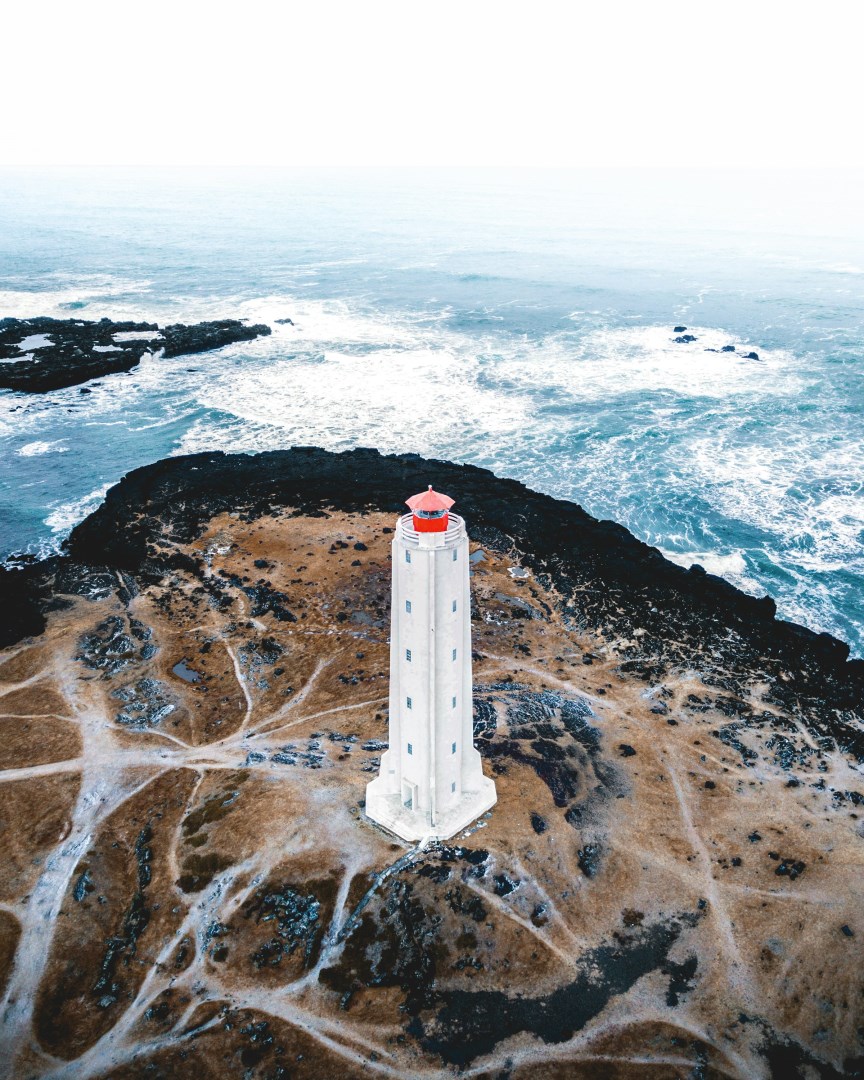
Snæfellsnes
The Snæfellsnes peninsula in western Iceland is sometimes referred to as "Iceland in Miniature" thanks to the many national sights found in the nearby area. The diverse landscape includes fascinating vistas of glistening fjords, dramatic volcanoes, and rugged seascapes.

Ghent
If it wasn't for Paris, Ghent would be medieval Europe's largest city. Steeped in history both rebellious and industrious, it sits at the junction of the Leie and Scheldt rivers and was once the site of armed battles by its townsfolk, who raged against heavy taxes and restricted civil liberties.
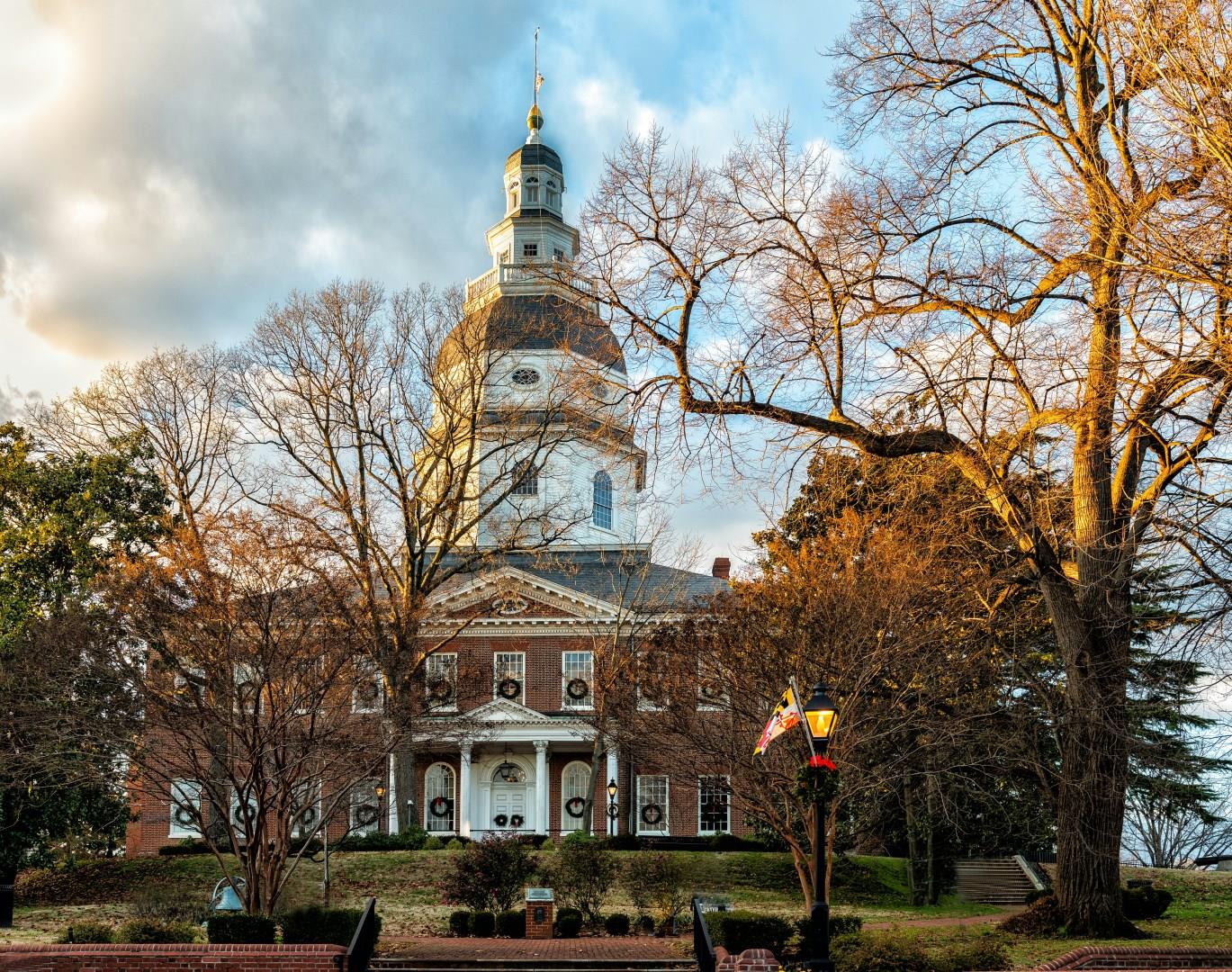
Annapolis
Annapolis may be best known as the state capital, but its real charm lies in its deep maritime history, walkable streets, and Chesapeake Bay lifestyle. Founded in 1649, Annapolis served as the temporary capital of the United States in 1783 and is still home to the oldest state house in continuous legislative use. A visit to the Maryland State House, where George Washington famously resigned his military commission, offers a direct link to the early days of American democracy.
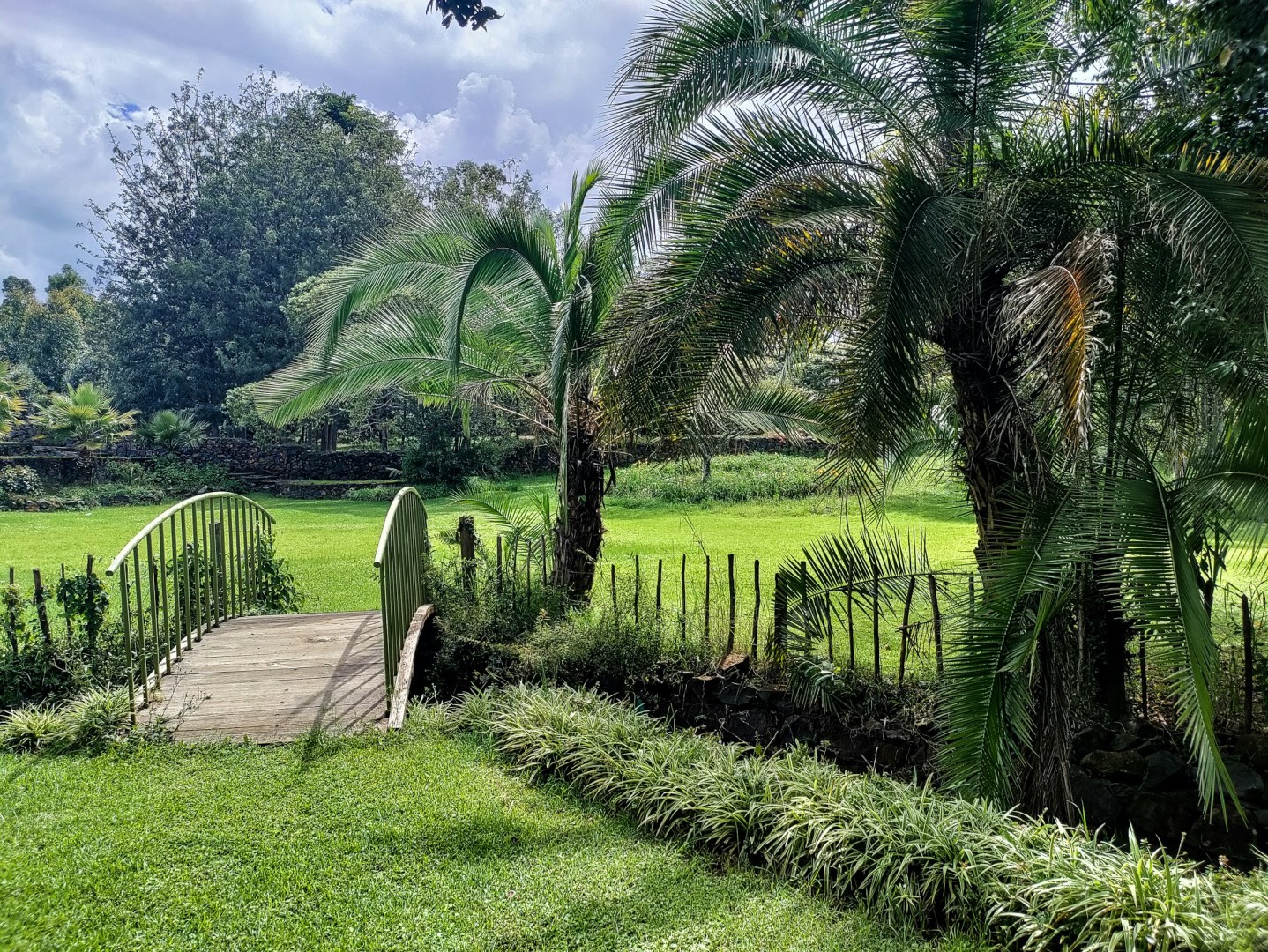
Eldoret
The town of Eldoret is located in western Kenya, eastern Africa, on the Uasin Gishu Plateau west of the Great Rift Valley. Situated at an elevation of 6,857 feet (2,090 m) above sea level, its healthful climate attracted many European settlers during the colonial period. It serves an agricultural area; chief crops are corn (maize), wheat, and pyrethum.
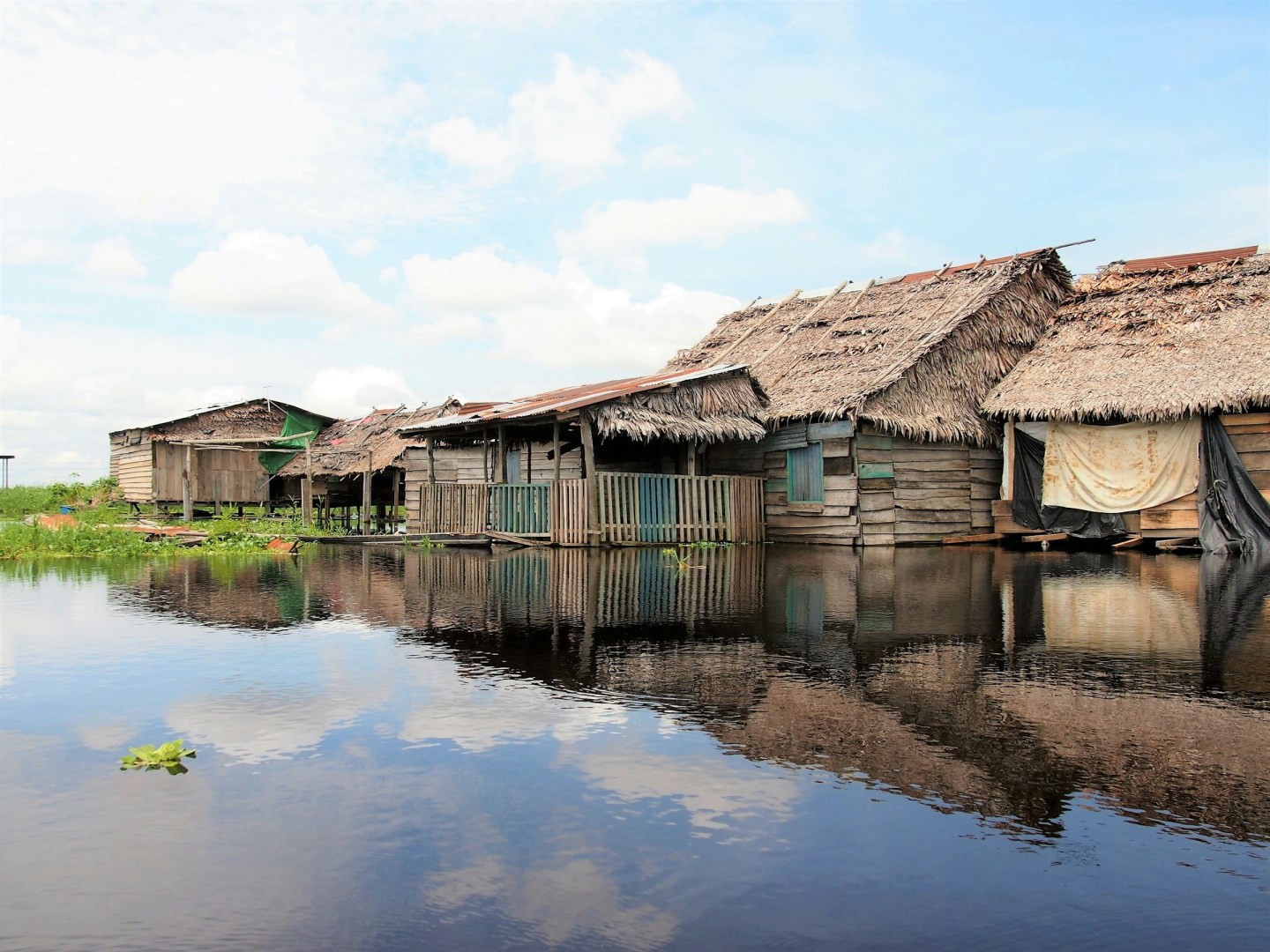
Iquitos
Although not accessible by road, it is Peru's most important commerical center in the east. It is on the Amazon which is wide enough to allow freighters at their busy port. The 1880's saw the rubber boom and recently oil has been the boom.
