
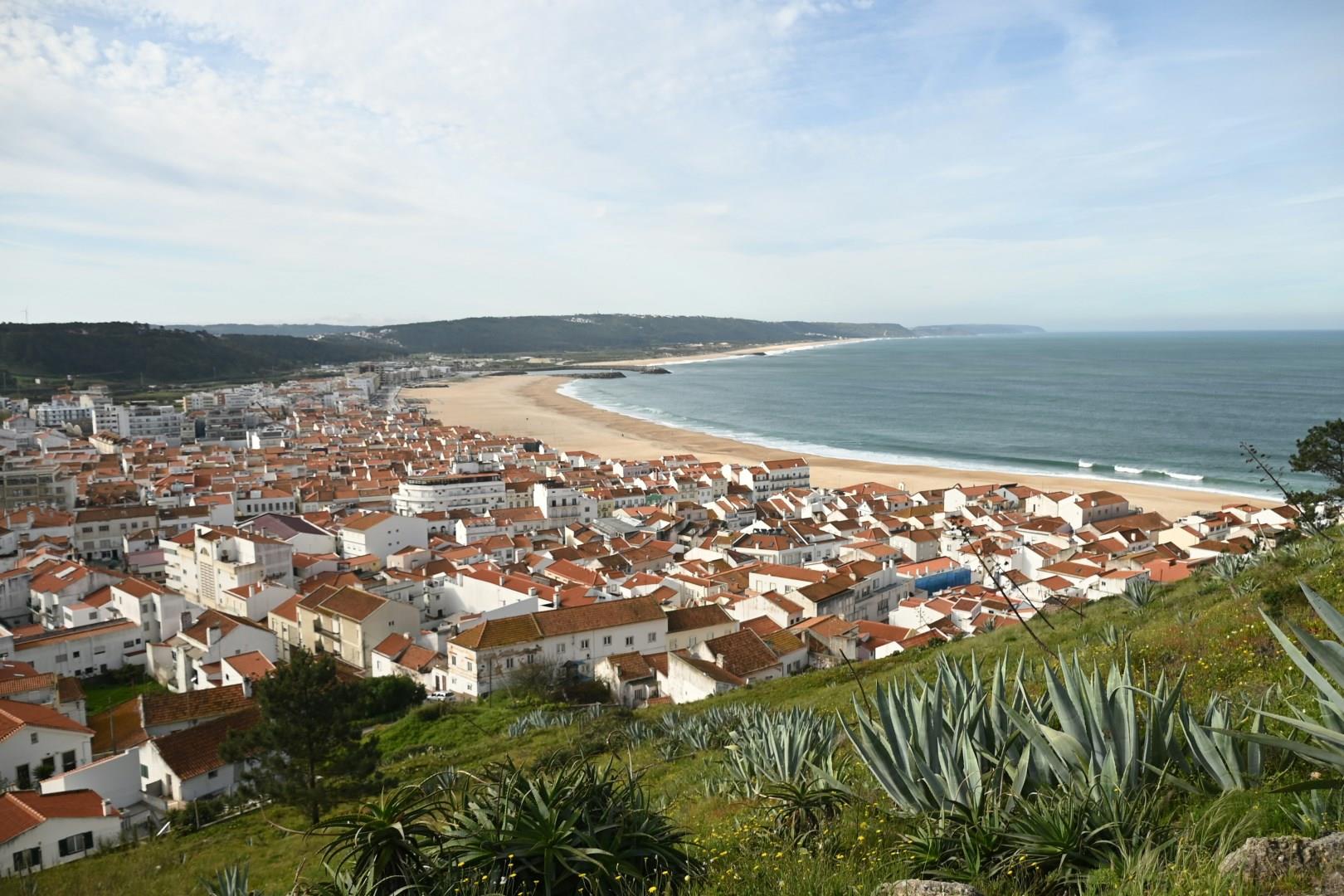
Nazare
Nazaré, set along Portugal’s wild Atlantic coast, is a fishing town transformed into one of the world’s most dramatic surf destinations. Its identity is deeply tied to the sea, both in its centuries-old maritime traditions and in the awe-inspiring waves that now draw visitors from around the globe.
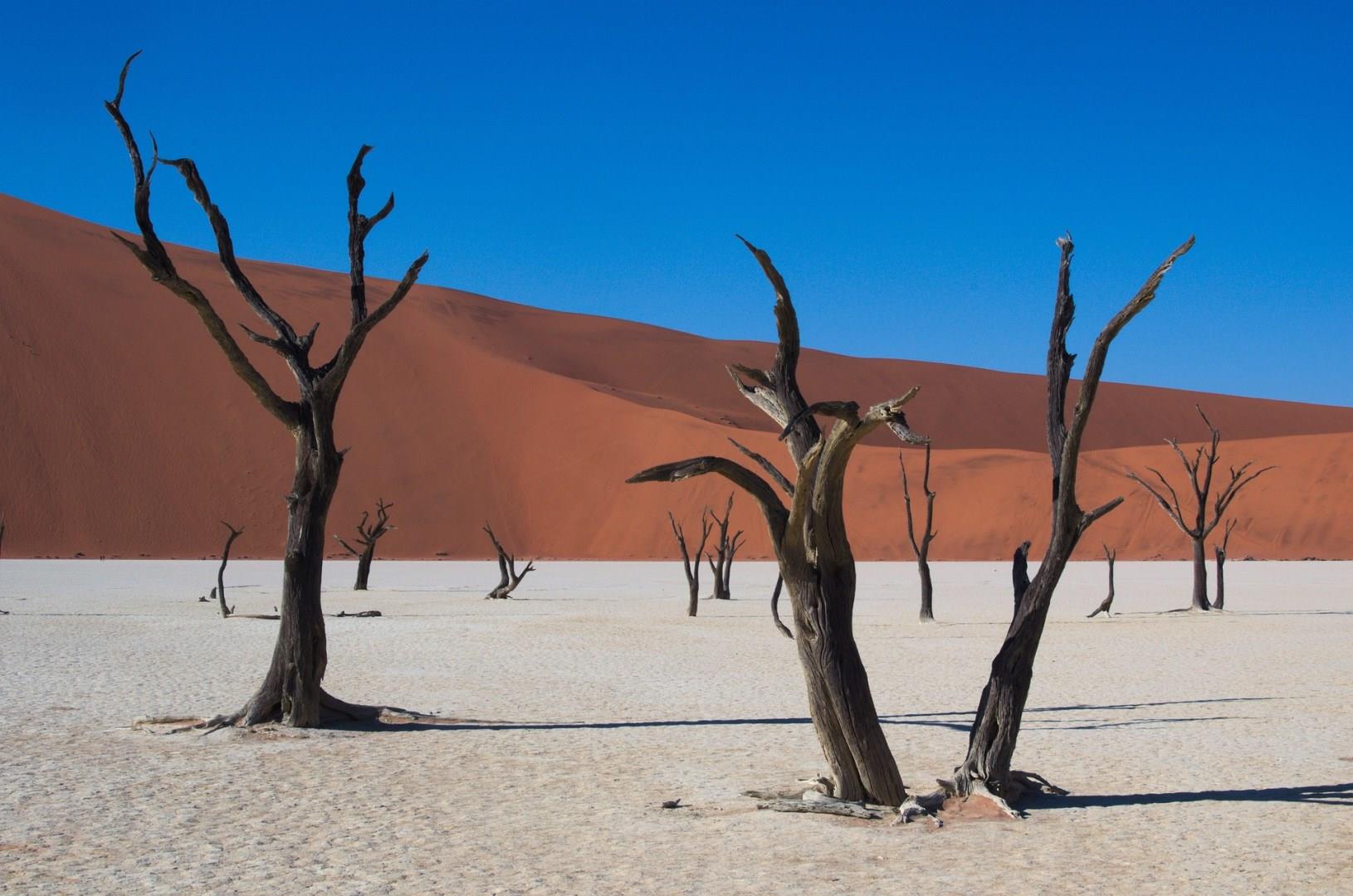
Deadvlei
Dramatic and otherworldly, Deadvlei in Namibia is one of the most surreal landscapes on the planet. Located within the Namib-Naukluft National Park, Deadvlei is a white clay pan that was once an oasis filled with acacia trees. Over 900 years ago, a shift in climate and the encroachment of the towering red sand dunes cut off the river that fed the pan, leaving behind a hauntingly beautiful scene of dead trees that have been perfectly preserved in the arid environment.

Seychelles
The Seychelles, an archipelago of 115 islands in the Indian Ocean, is renowned for its turquoise waters, white-sand beaches, and lush tropical landscapes.
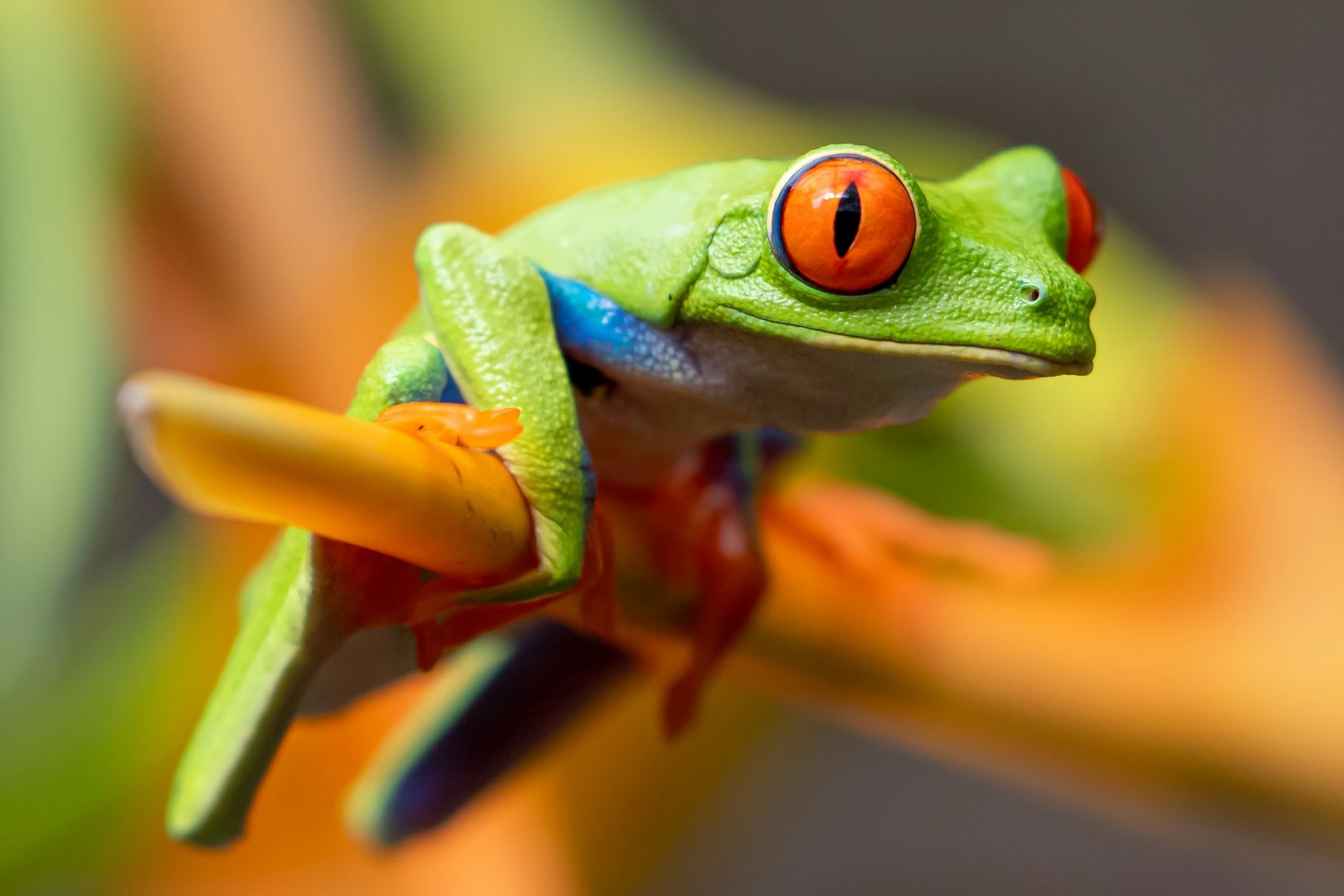
Sarapiquí
Sarapiquí is a rural region in northeastern Costa Rica, known for its network of rivers, rainforest reserves, and agricultural landscapes. Centered around Puerto Viejo de Sarapiquí, the area serves as a gateway to the Caribbean lowlands while remaining distinct from coastal destinations.
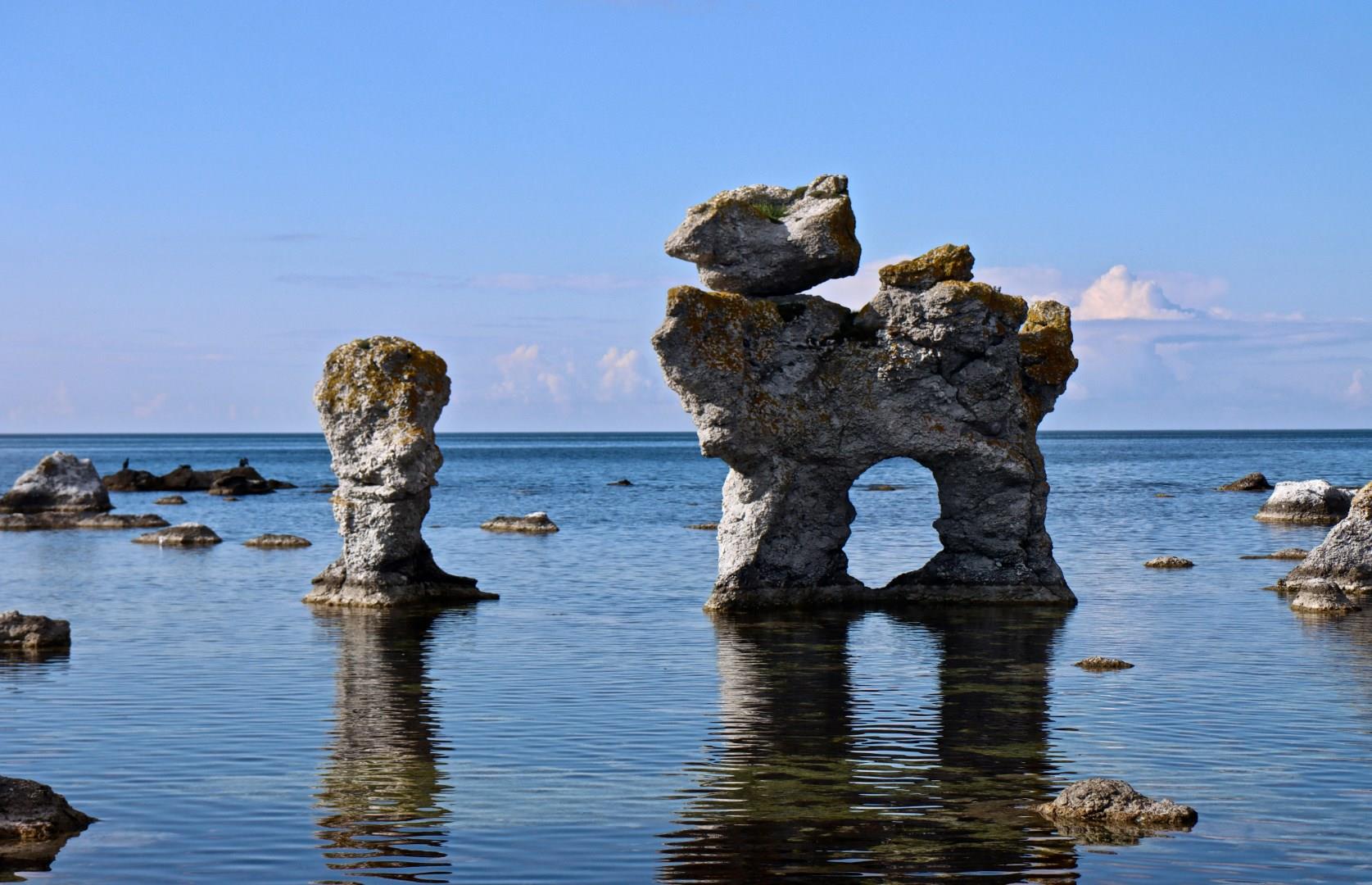
Gotland
Gotland, Sweden’s largest island, sits in the Baltic Sea and feels like a world of its own. Its main town, Visby, is a UNESCO World Heritage site and one of the best-preserved medieval towns in Northern Europe. Surrounded by a 3.5-kilometer stone wall with original towers still intact, Visby once served as a key Hanseatic trading hub. Visitors can walk along cobbled streets lined with rose-covered cottages, explore Gothic church ruins, and climb up the city wall for views over the harbor.
