
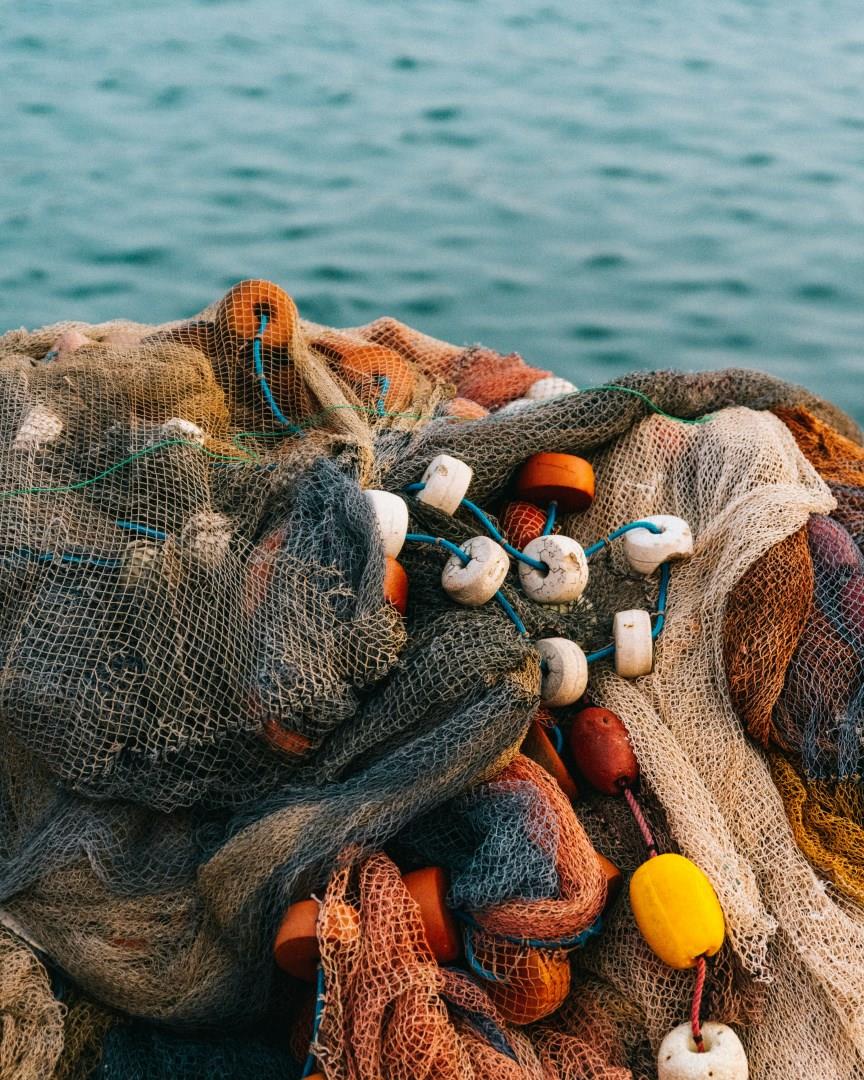
Palmeira
On the north-western coast of Sal Island in Cape Verde sits Palmeira, an authentic fishing settlement where day-to-day life still revolves around the sea. The village’s seaside restaurants serve grilled tuna, octopus, and flying fish fresh from the day’s catch. Just a short trip from the centre lies Buracona, a natural lava rock pool famous for the “Blue Eye,” a glowing underwater cave that shines when the sunlight hits at just the right angle.
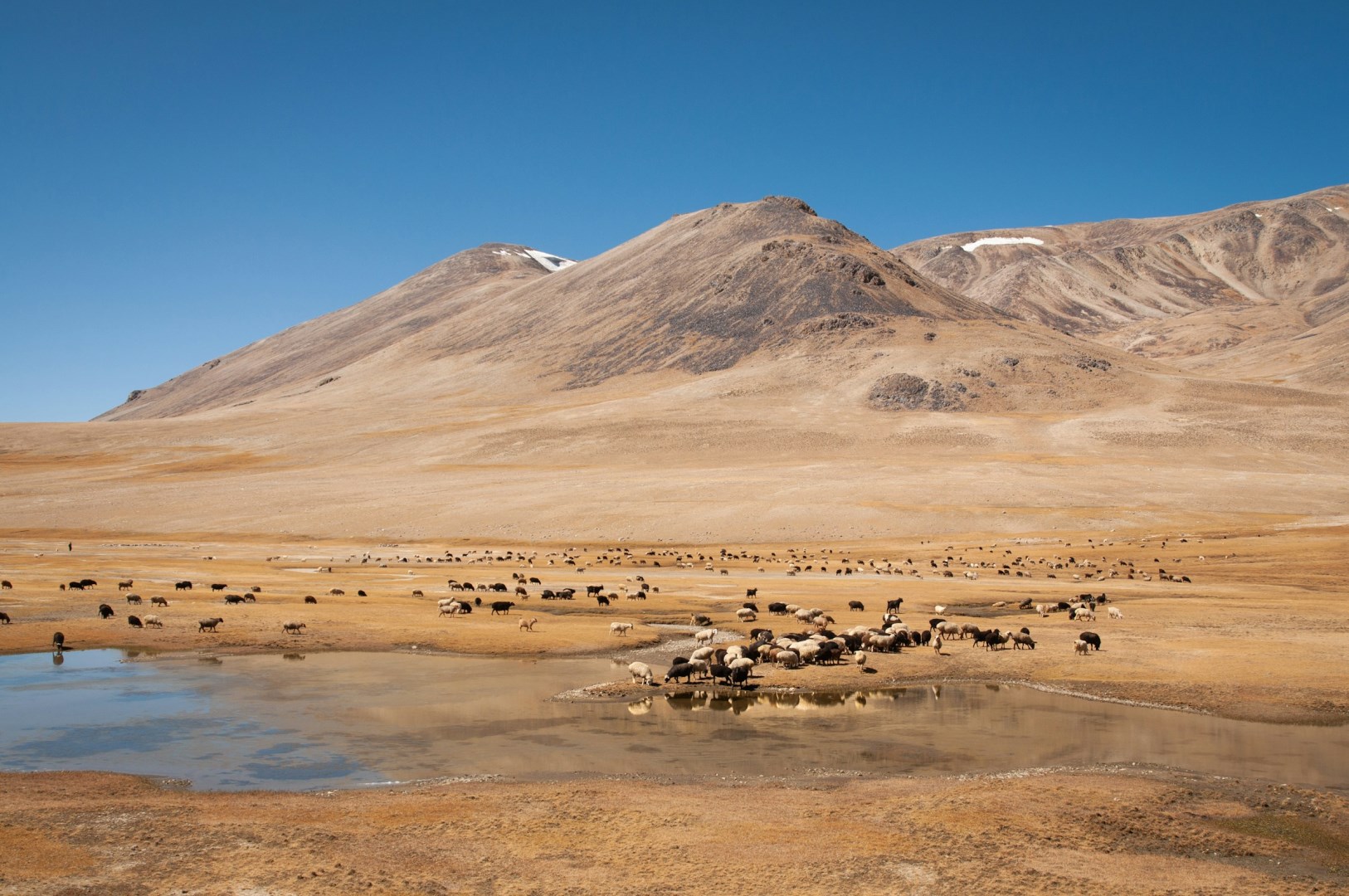
Murghab
Murghab is a remote mountain town in eastern Tajikistan, located in the high-altitude Pamirs of the Gorno-Badakhshan Autonomous Region. It sits within a broad, dry landscape of gravel plains, mountain ranges, and sparse alpine vegetation, where trees are largely absent. Murghab is an important stopping point on the Pamir Highway, connecting eastern and western parts of the Pamirs and continuing toward Kyrgyzstan.

Aghios Nikolaos
Agios Nikolaos is a seaside town in eastern Crete, Greece, set around Mirabello Bay and known for its unusual waterfront setting around Lake Voulismeni. The small lagoon lies at the center of the town, surrounded by cafés, tavernas, shops, and narrow streets that rise toward the surrounding hills. The harbor and marina extend the town toward the sea, while beaches and coves are found along the nearby coast.
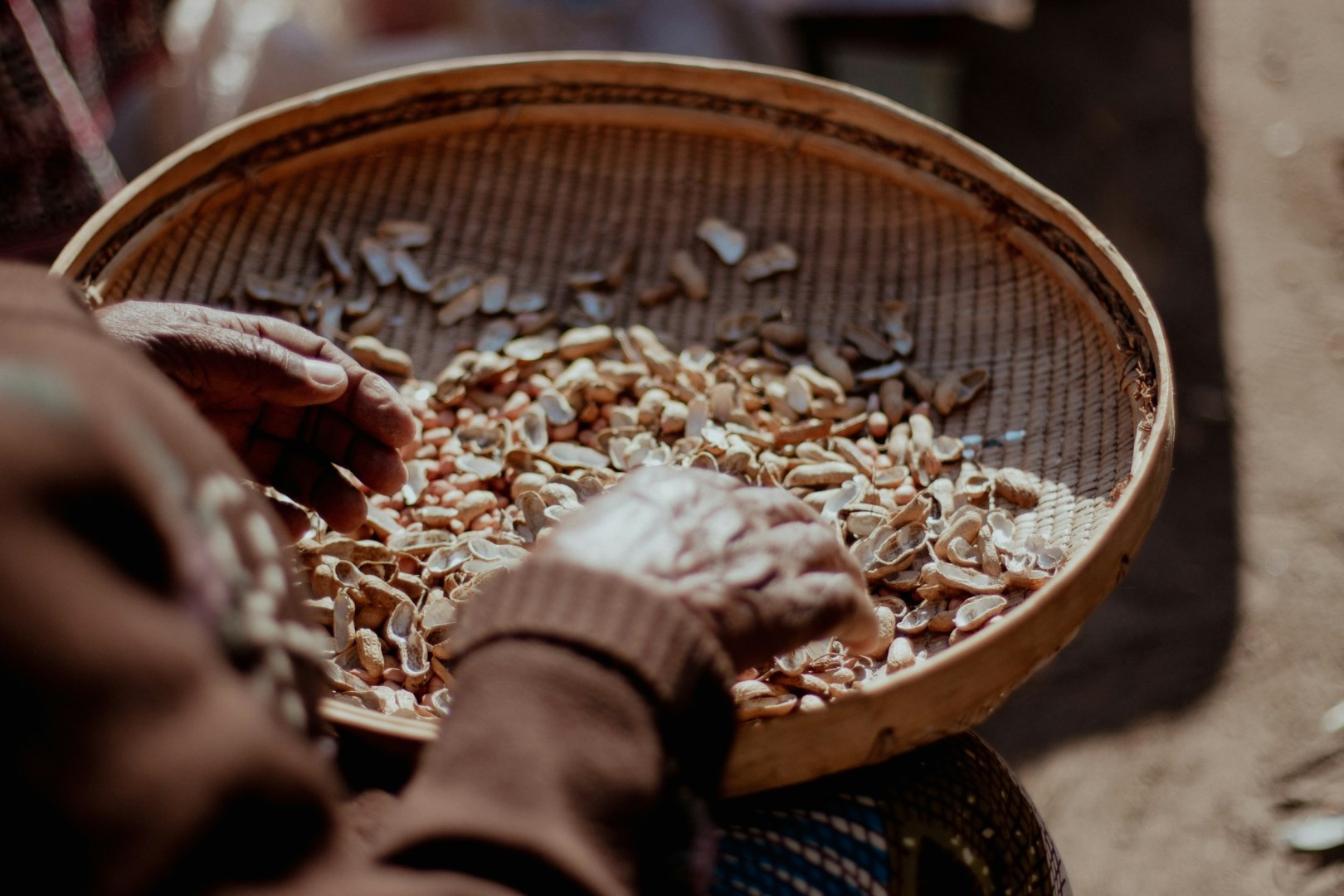
Gumbane
Gumbane is a rural community in southern Mozambique, in Inhambane Province, where sandy soils, woodland and cultivated plots shape much of the surrounding landscape.
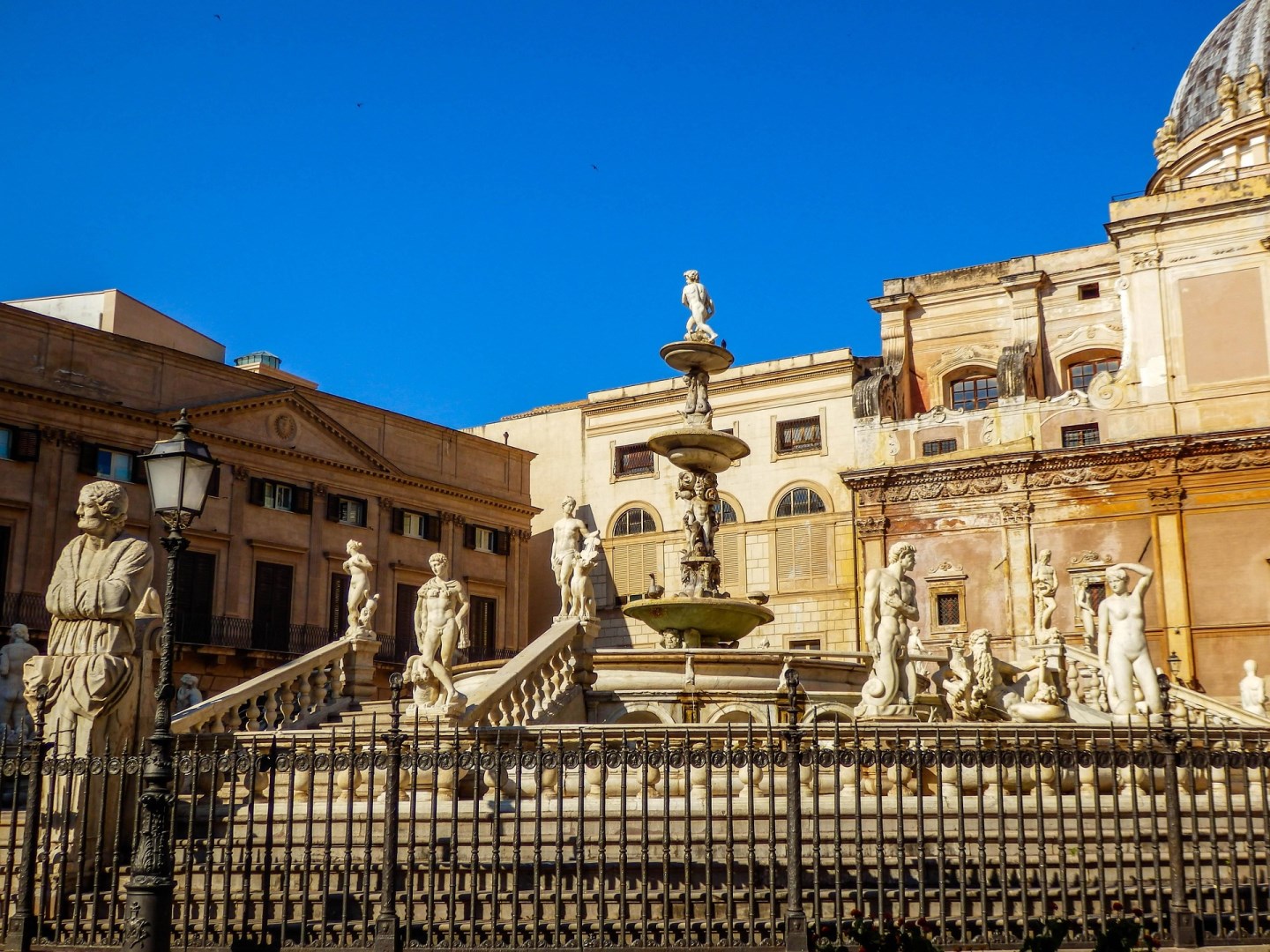
Pretoria
Pretoria, one of South Africa’s three capital cities, serves as the administrative capital and is renowned for its stately architecture, tree-lined avenues, and historical significance. Established in the mid-19th century, it reflects a blend of colonial Dutch, British, and Afrikaner influences.
