

Lake Louise
Nestled within the stunning Banff National Park in Alberta, Canada, Lake Louise is a paradise for nature lovers and adventure seekers alike. This world-renowned destination is famous for its striking turquoise lake, surrounded by the majestic Rocky Mountains. The lake, often described as one of the most beautiful in the world, is fed by the melting glaciers, creating its characteristic vibrant blue hue.
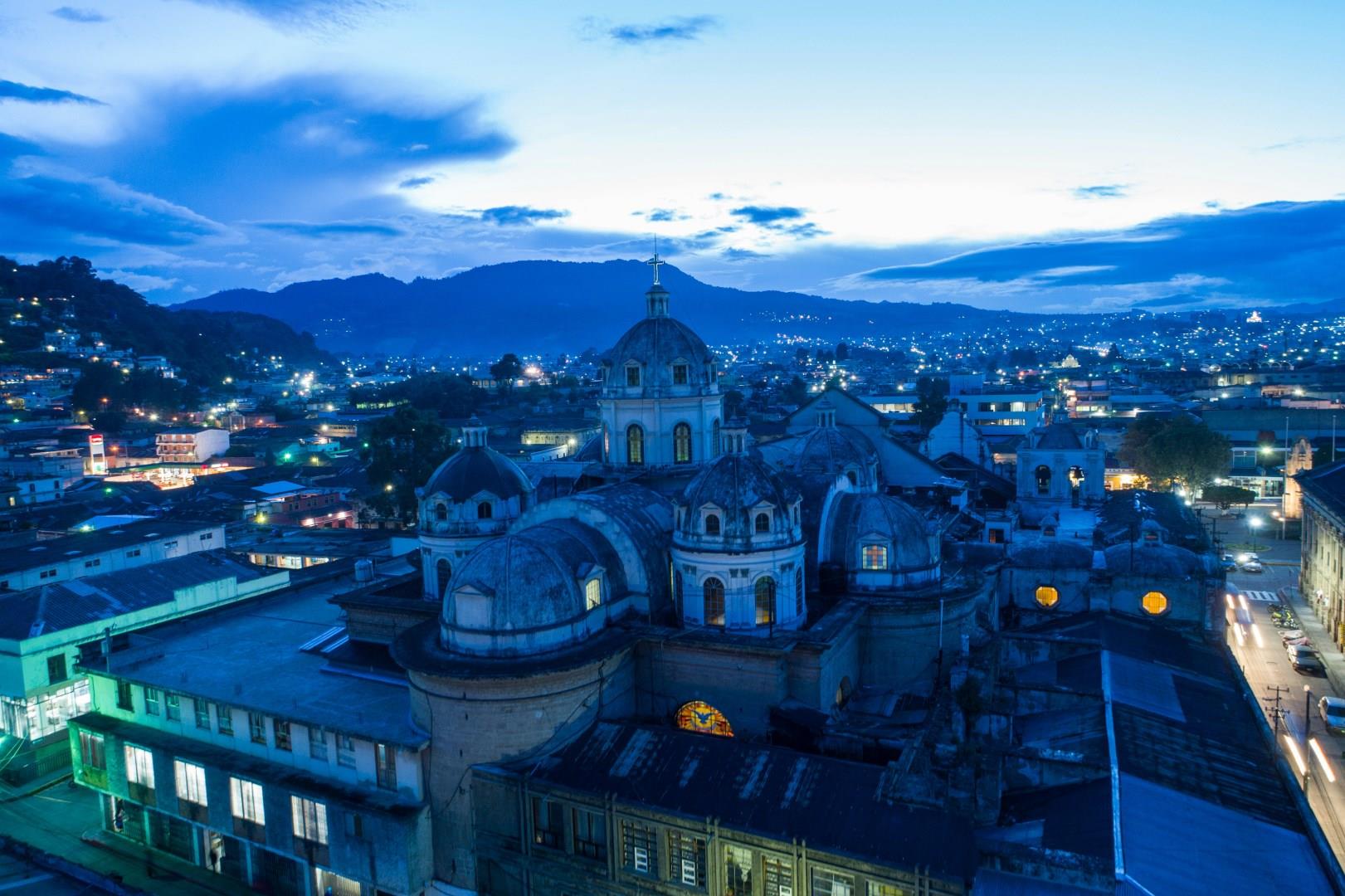
Quetzaltenango
Quetzaltenango, often called Xela by locals, is Guatemala’s second-largest city and a hub of indigenous culture, colonial history, and highland landscapes. Surrounded by volcanoes, including the towering Santa María, the city sits at over 7,600 feet above sea level, giving it a crisp mountain climate that contrasts with the country’s tropical lowlands.

Slovakia
Slovakia is a country shaped by mountains, castles, and centuries of shifting borders. Tucked in the heart of Europe, it offers visitors a chance to explore medieval towns, alpine peaks, and deep-rooted traditions still practiced in daily life. Bratislava, the capital, sits along the Danube River and is one of the few national capitals that borders Austria and Hungary.
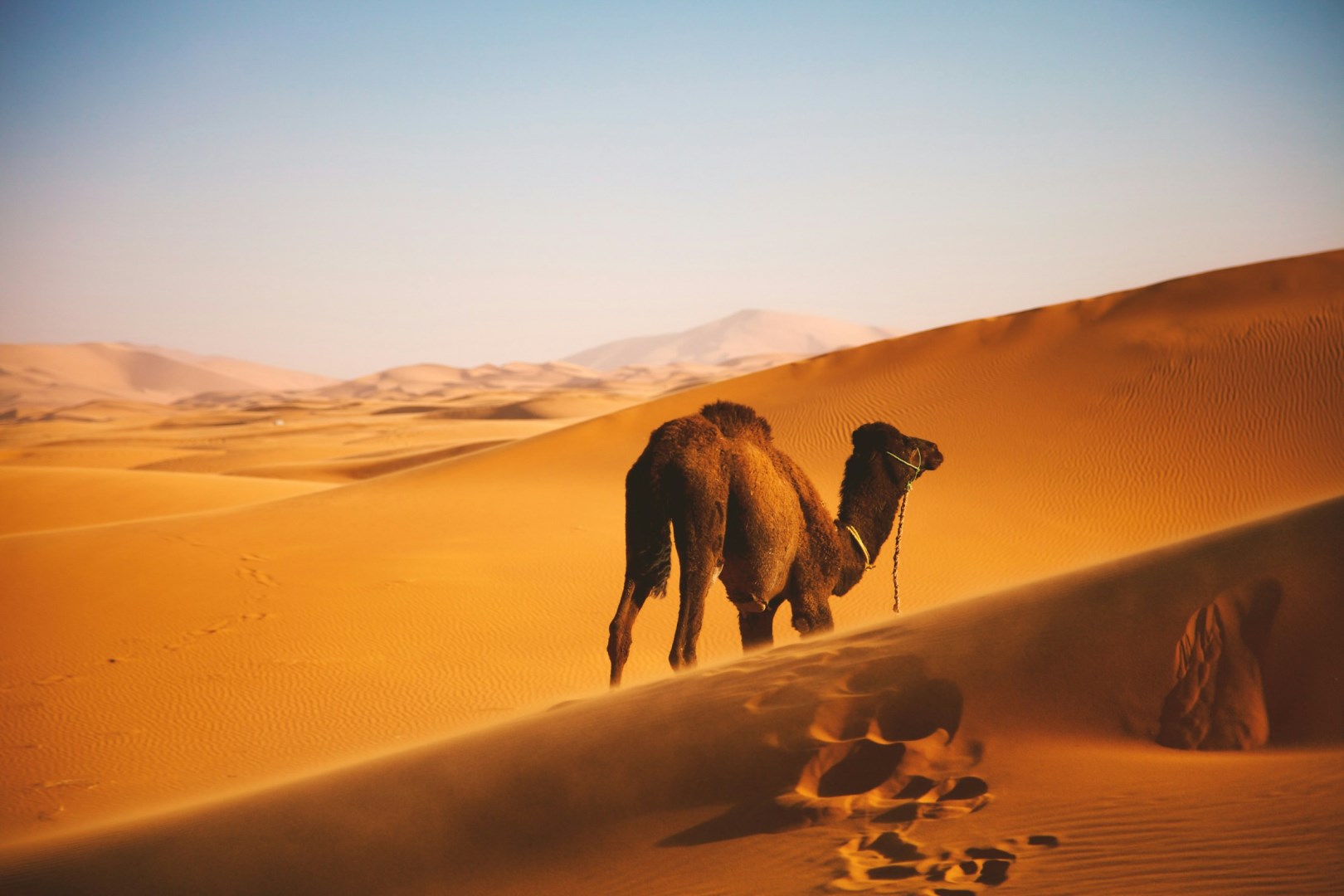
Erg Chebbi
Erg Chebbi is a large field of wind-shaped sand dunes in southeastern Morocco, near the village of Merzouga in the Drâa-Tafilalet region. It forms one of Morocco’s best-known Sahara landscapes, rising abruptly from the surrounding rocky desert. The dunes stretch for roughly 28 kilometres from north to south, with some of the highest crests reaching about 150 metres. Their deep orange and golden tones change noticeably with the position of the sun.
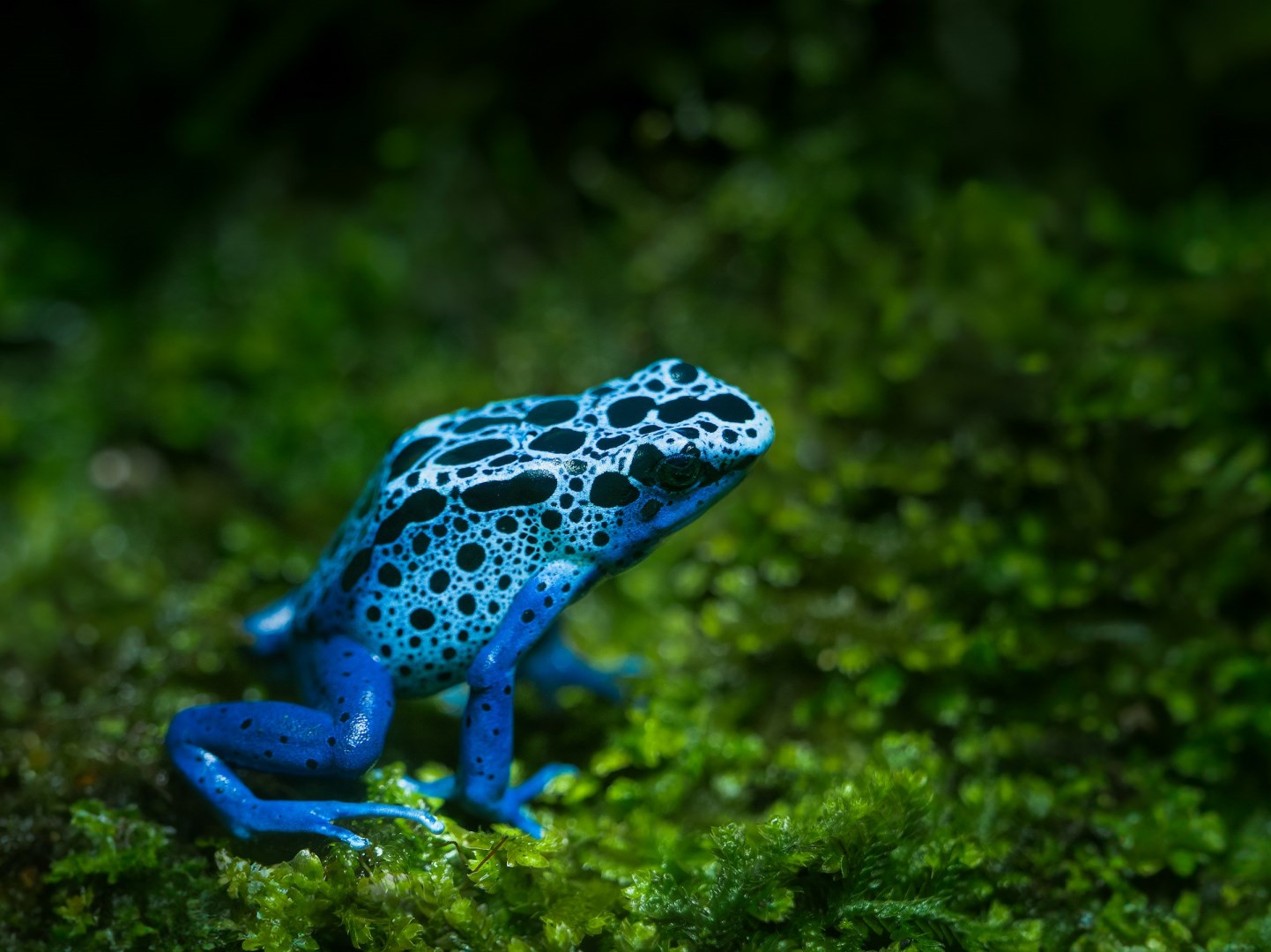
Suriname
Suriname’s forests cover more than nine‑tenths of the country and house an astounding array of wildlife. The Central Suriname Nature Reserve, one of the largest rainforest sanctuaries on Earth, shelters jaguars, giant river otters, and hundreds of bird species. Nearer the capital, Brownsberg Nature Park offers forest trails and waterfalls amid 1,450 plant and 350 bird species, just a short drive from Paramaribo.
