
Adirondack Mountains
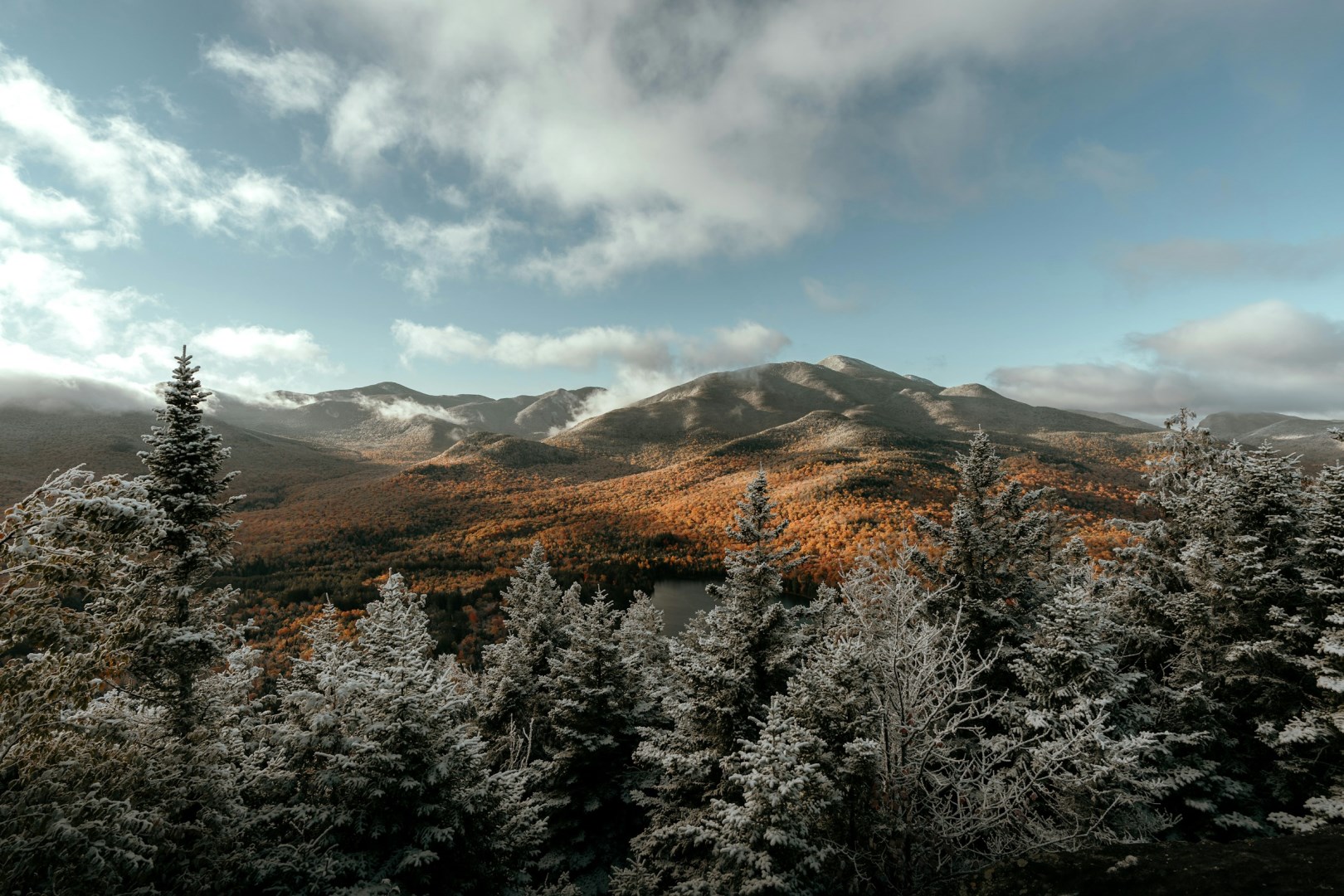
The Adirondack Mountains occupy a vast region of northern New York, surrounded by forests, lakes, rivers, and small communities. The mountains form part of the much larger Adirondack Park, which covers about six million acres and includes both public and private land. The landscape ranges from broad lake valleys to rugged high peaks, with Mount Marcy rising as New York’s highest summit. Towns such as Lake Placid, Saranac Lake, Keene, and Lake George provide gateways into the mountains, while the
Yogyakarta Java
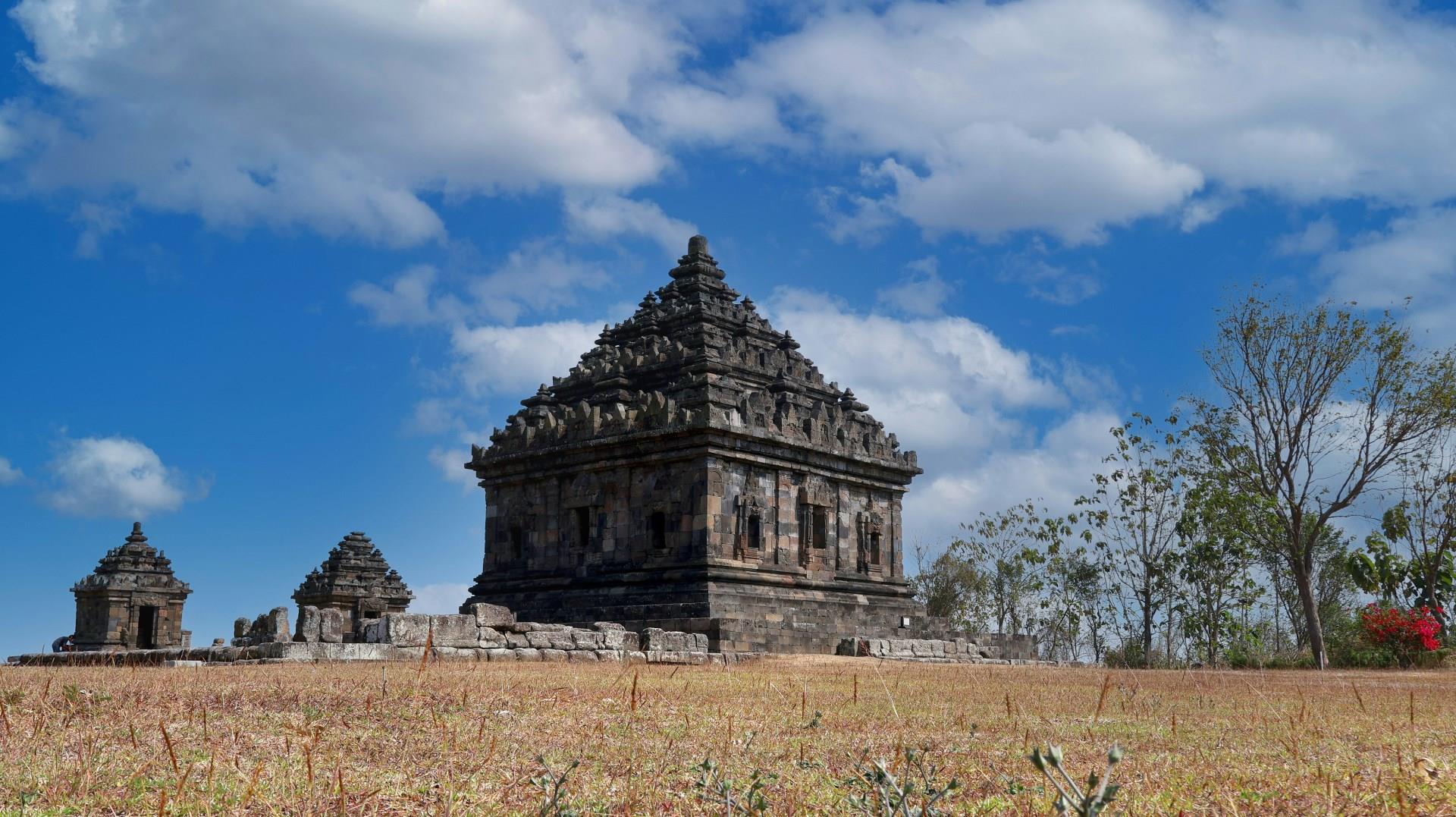
Yogyakarta, on the island of Java, is often described as Indonesia’s cultural capital, a reputation grounded in living tradition rather than nostalgia. It remains the seat of a functioning sultanate, and the royal palace, or kraton, anchors the city’s identity through ceremonies, crafts, and court arts that continue to shape everyday life. The city also played a key role in Indonesia’s struggle for independence, giving it a strong sense of civic pride and historical awareness.
Opatija
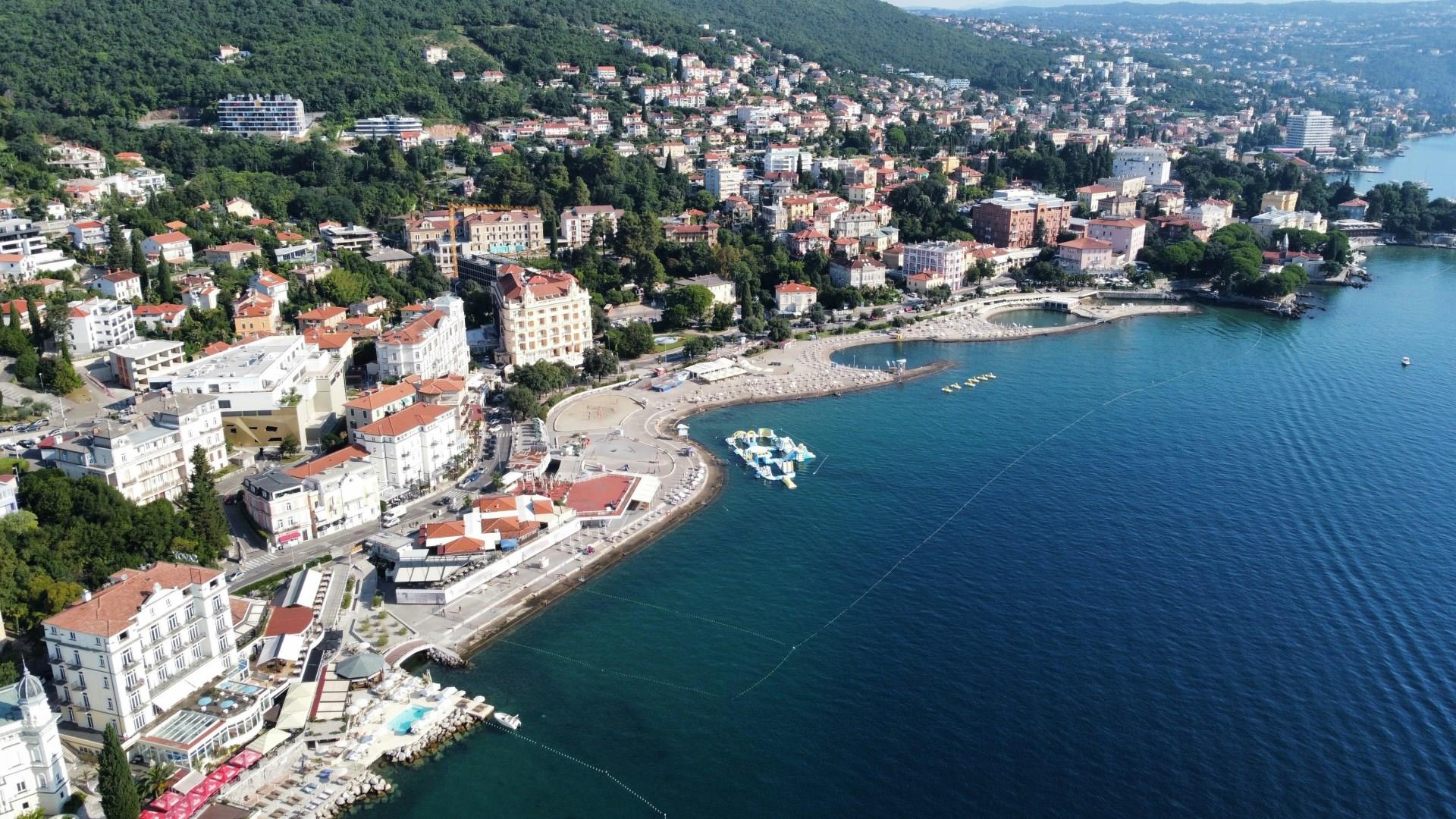
Opatija, located on Croatia’s Kvarner Bay, has been drawing visitors since the 19th century, when Austro-Hungarian aristocrats built grand villas along its Adriatic shoreline. Today, many of those same buildings still stand with some restored as luxury hotels and others preserved as cultural landmarks. The town’s most recognizable structure, Villa Angiolina, opened in 1844 and marked the start of Opatija’s rise as a fashionable seaside resort.
Sudan
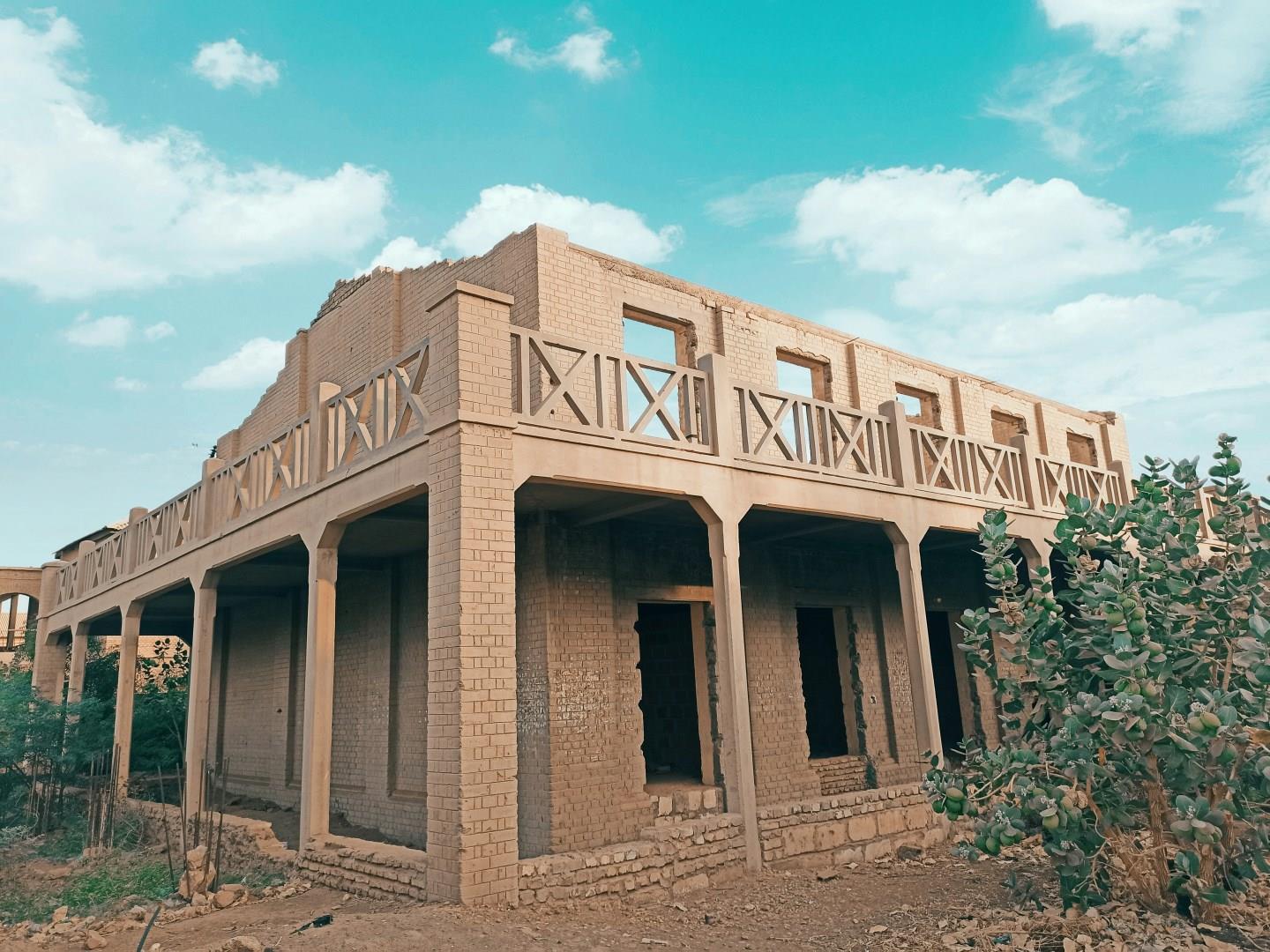
Sudan, located in northeastern Africa, is a country of diverse landscapes, from the vast Sahara Desert in the north to the fertile Nile Valley in the center. The Nile River, one of the world’s longest, runs through the country, shaping both its agriculture and history.

Chișinău
Chișinău, the capital of Moldova, is a city rich in history and full of surprises for travelers seeking a blend of culture, architecture, and natural beauty. As you wander the tree-lined boulevards, you’ll discover the city’s intriguing mix of Soviet-era buildings, elegant Orthodox churches, and modern structures.
