
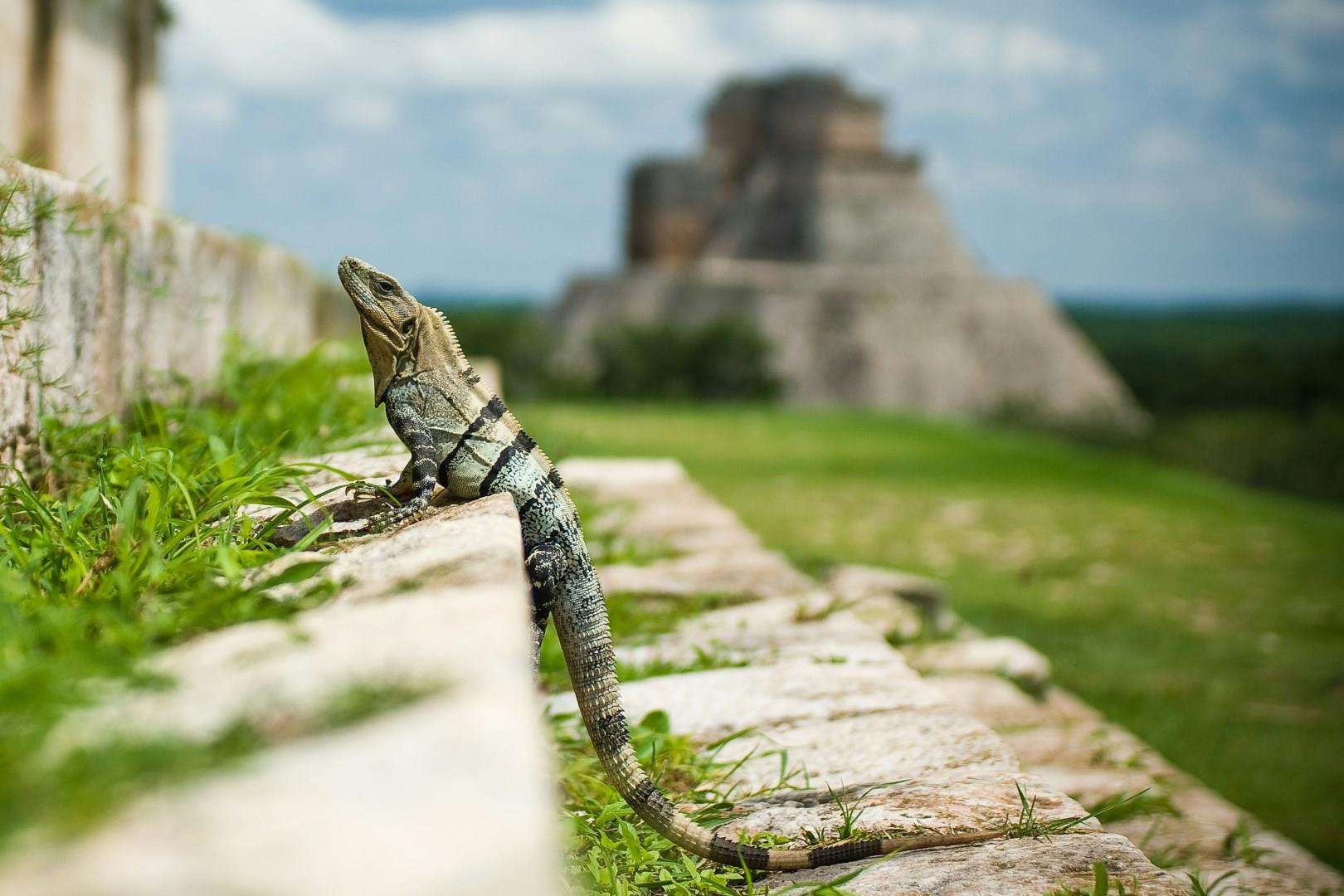
Uxmal
Uxmal, located about 80 kilometers south of Mérida in the Puuc region of Yucatán, is one of the most architecturally refined ancient Maya cities. Unlike other major Maya sites built with steep pyramids and narrow passageways, Uxmal is known for its smooth limestone structures, wide plazas, and intricate stone mosaics. One unique experience available to visitors is the nightly light and sound show, which uses colored projections to highlight carvings and narrate local legends and Maya cosmology.

Las Vegas
Las Vegas, Nevada, is an electrifying city where glitz and glamour meet entertainment and excitement. Known as "The Entertainment Capital of the World," Las Vegas offers an unparalleled array of attractions, from its iconic casinos and luxurious hotels to its world-class dining and live shows. The city's entertainment scene is second to none, featuring legendary headliners, cutting-edge performances, and an array of themed attractions.

Bali
Bali, an island province of Indonesia, has been shaped by centuries of Hindu influence, volcanic activity, and a deep connection between daily life and ritual. The island’s temples are a major part of its landscape as more than 20,000 exist across Bali. One of the most visited is Uluwatu Temple, perched dramatically on a cliff 70 meters above the Indian Ocean.

Cederberg
The Cederberg region in the Western Cape of South Africa is a striking land of rocky ridges, wide skies, and quiet valleys. Less than three hours’ drive from Cape Town, the jagged sandstone mountains rise in shapes that seem carved by giants, and shady kloofs hide wonders like ancient rock art that tell stories from thousands of years ago. Hikes to natural landmarks like Wolfberg Arch and the Maltese Cross take visitors deep into terrain shaped by time.
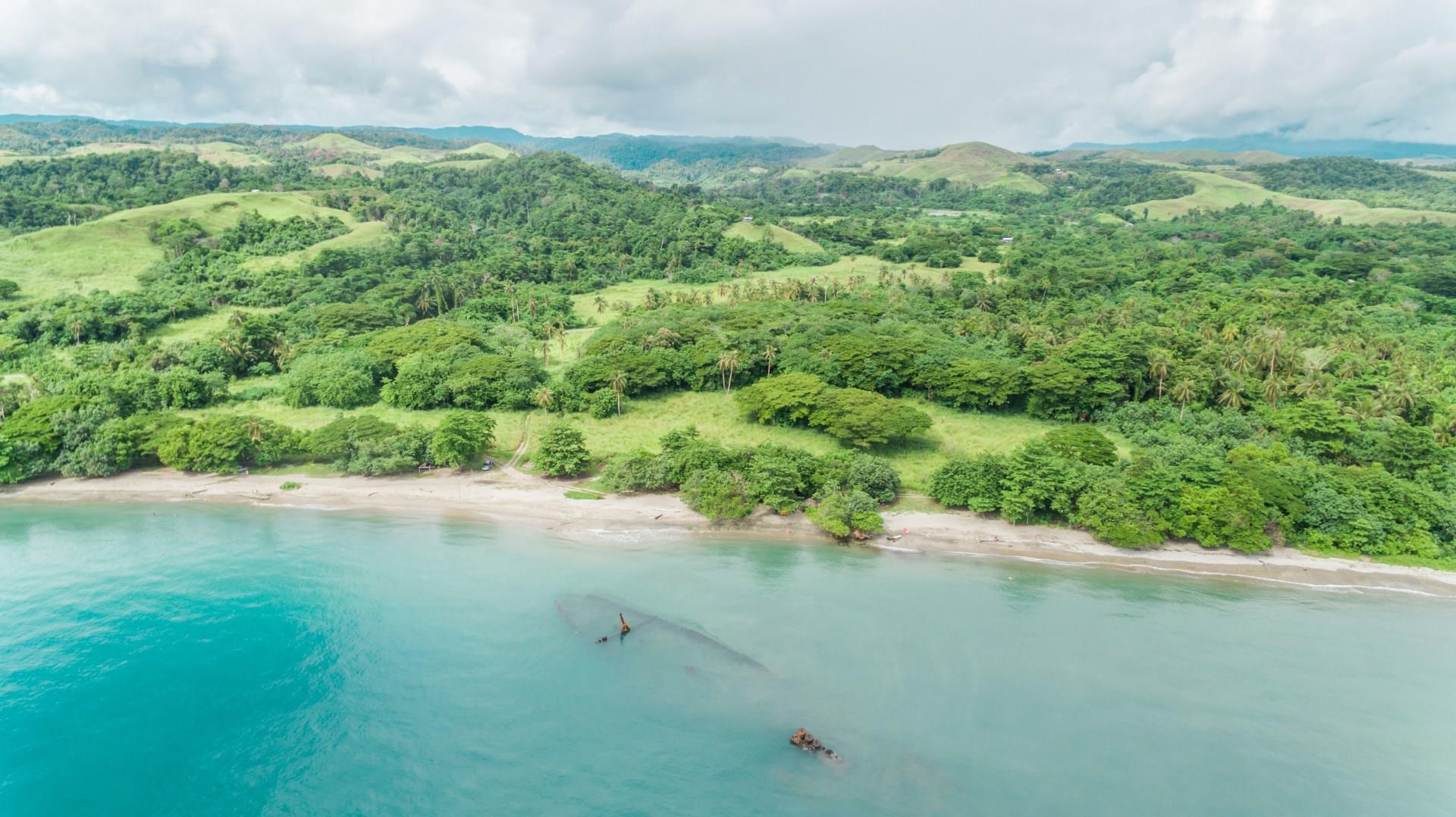
Guadalcanal Island
Guadalcanal, the largest island in the Solomon Islands, offers a captivating blend of history, natural beauty, and vibrant culture. This Pacific paradise is most famously known as the site of a pivotal World War II battle, where Allied forces fought fiercely against Japanese troops. Visitors can explore this rich history at the Vilu War Museum, which houses relics, artifacts, and memorials that bring the island's past to life.
