
Tomar
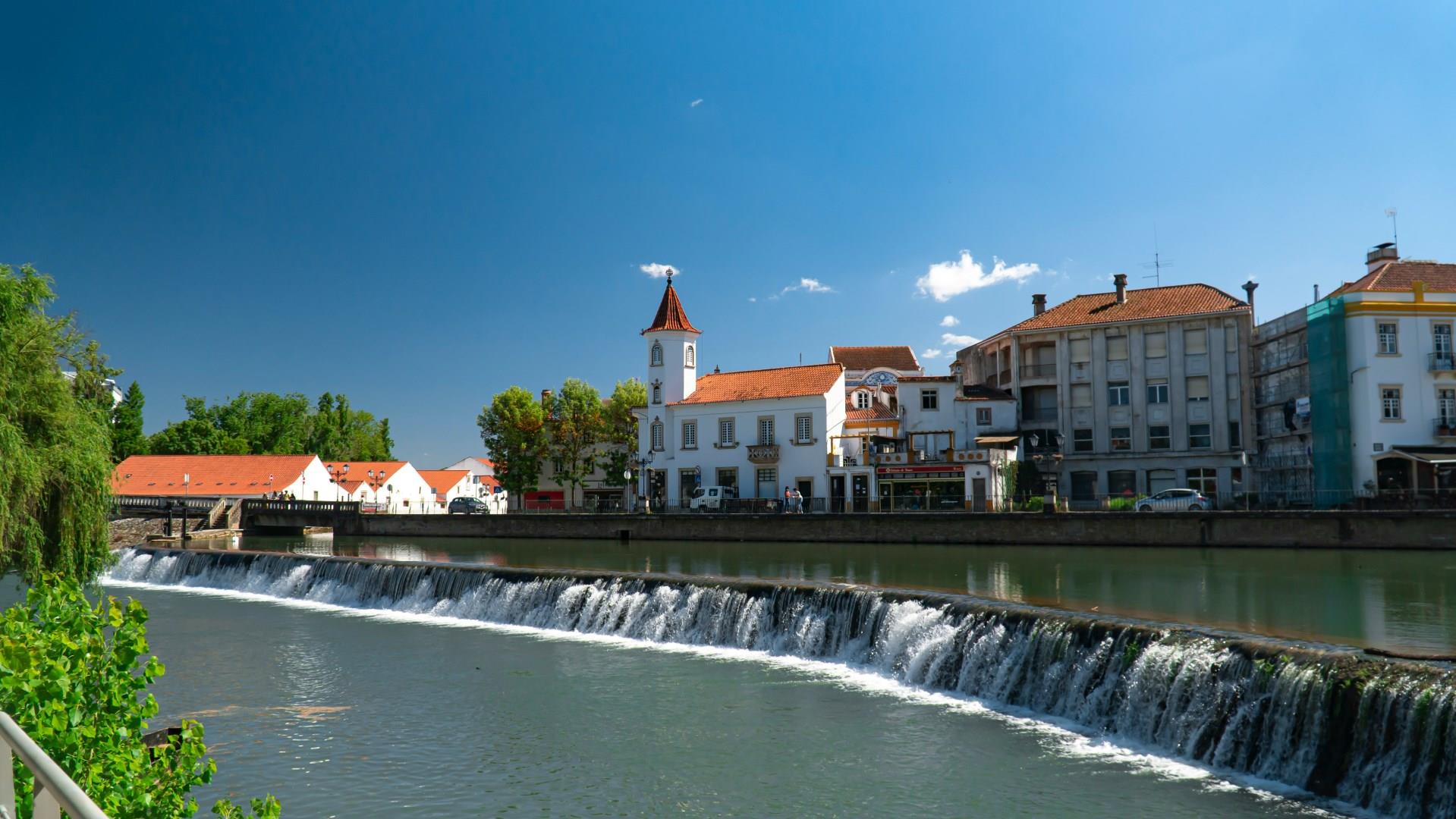
Tomar sits on the Nabão River in central Portugal as a place where medieval history and everyday life meet in welcoming streets and grand monuments. Just outside the convent walls lies the Pegões Aqueduct, an impressive feat of engineering more than 6 kilometers long that once carried water from distant springs to the hilltop site. Some sections of its arches rise more than 30 meters above the valley floor, making it a striking backdrop for photos.
Castro
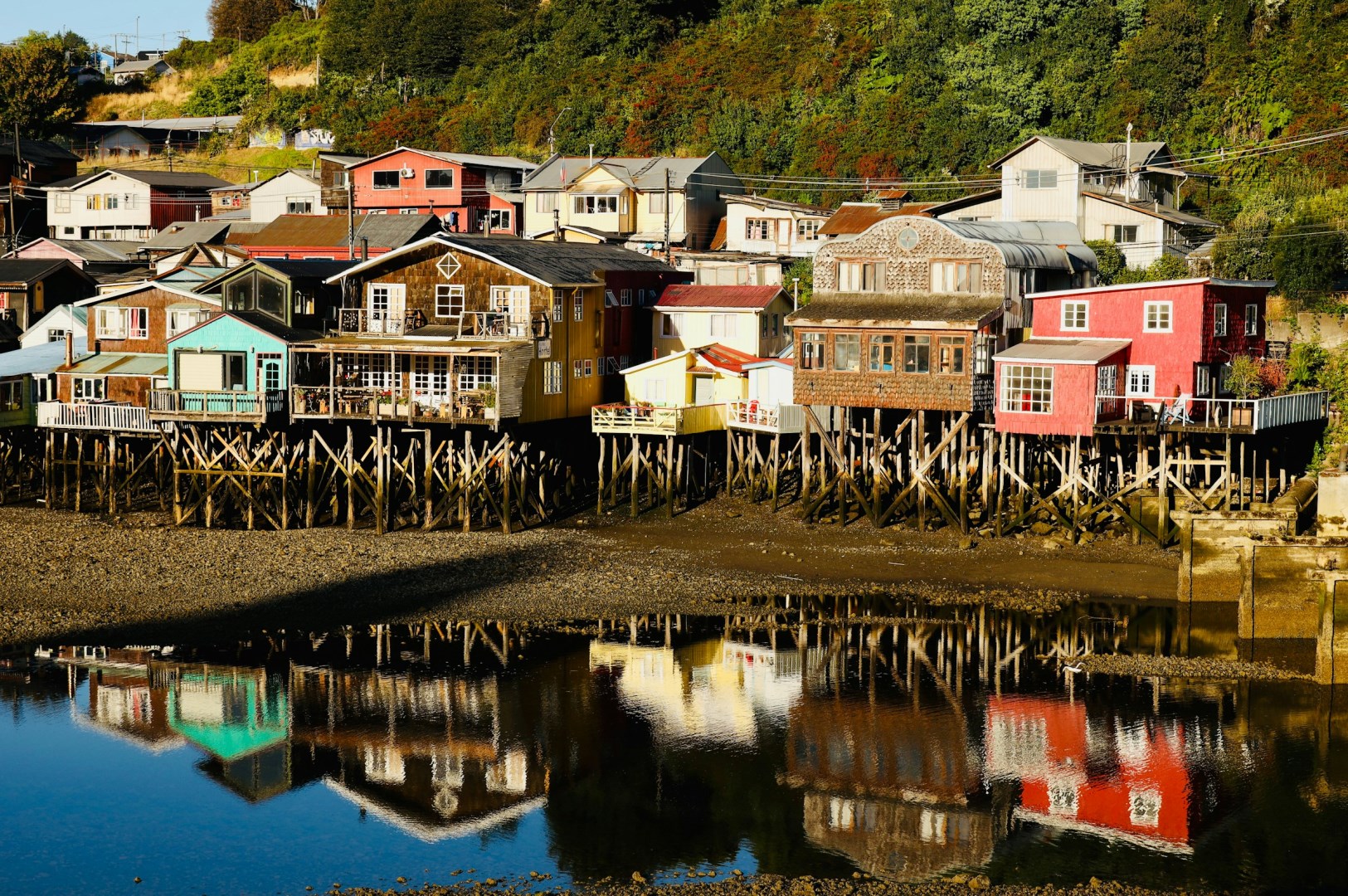
Castro is the capital of Chiloé Province on the island of Chiloé in southern Chile, set along the eastern shore of the Gulf of Corcovado. The city is recognized for its distinctive waterfront, hillside neighborhoods, and traditional wooden architecture. Its most recognizable feature is the palafitos, houses built on wooden stilts above the tidal edge, particularly around the Gamboa and Río neighborhoods.
Springdale
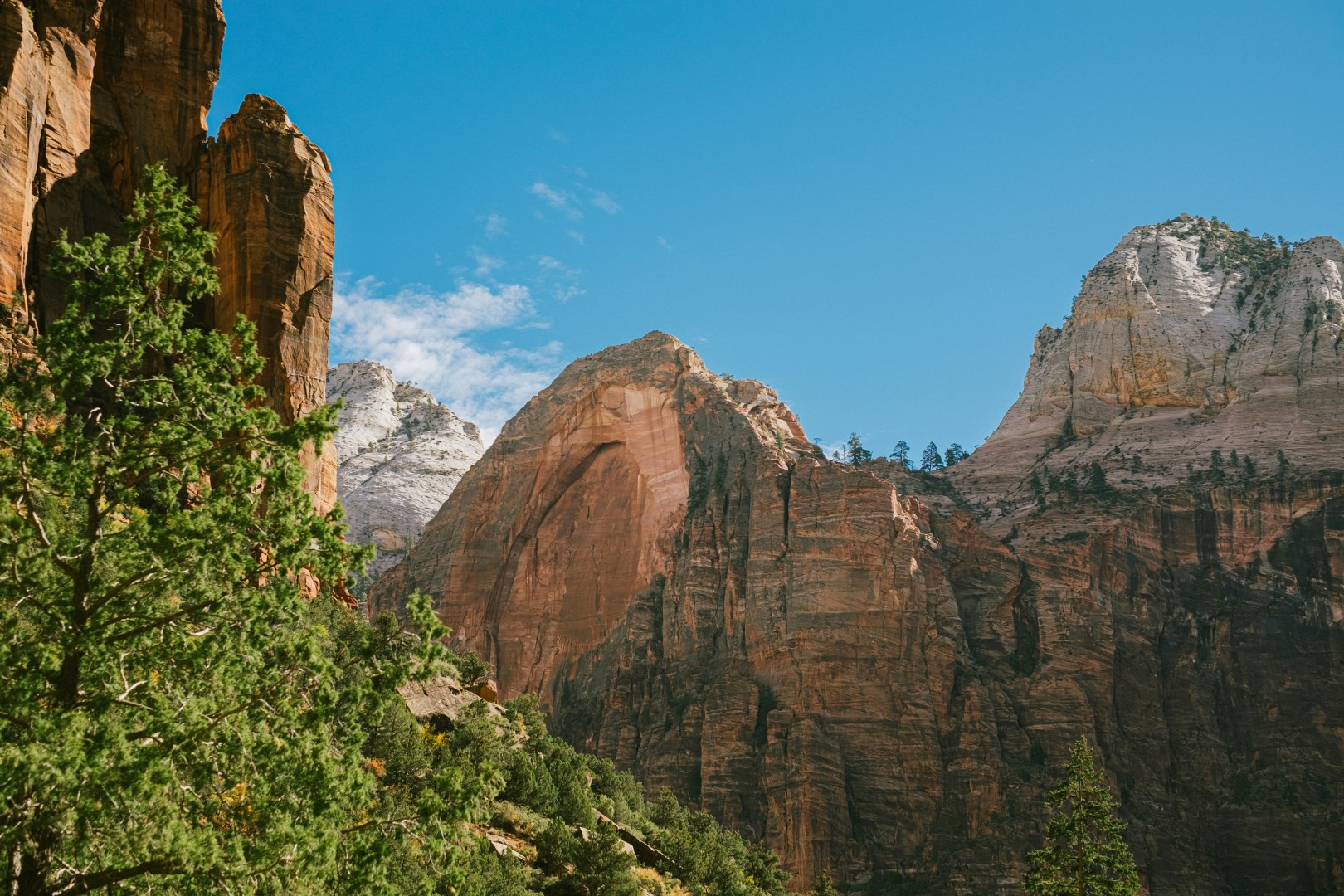
Springdale, Utah sits at the entrance to Zion Canyon, serving as the gateway to one of the most striking landscapes in the American Southwest. The town stretches along a scenic road framed by red rock cliffs that rise sharply on either side, creating a setting that feels closely tied to the land around it. Visitors often find that even a simple walk through town offers uninterrupted views of sandstone formations that shift in color throughout the day, from pale orange to deep red.
St. Helena
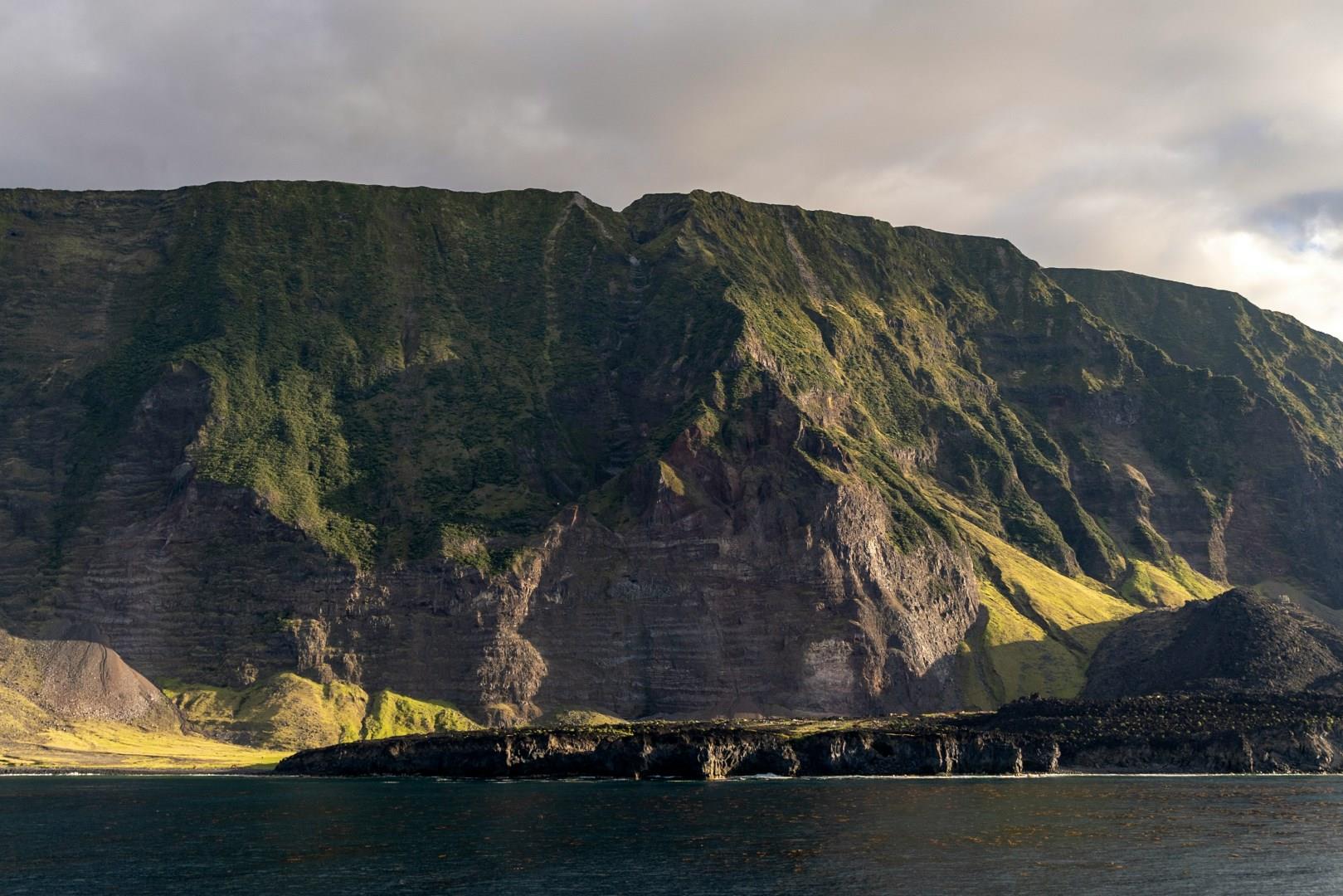
St. Helena is a remote island in the South Atlantic Ocean, known for its dramatic cliffs, volcanic landscapes, and rich history. It is most famous as the place where Napoleon Bonaparte spent his final years in exile, and visitors can explore Longwood House and other historic sites that tell the story of this period.

Mauritius
Mauritius, a jewel in the Indian Ocean, is known for its turquoise lagoons and coral reefs. The island is a haven for relaxation and adventure.
