
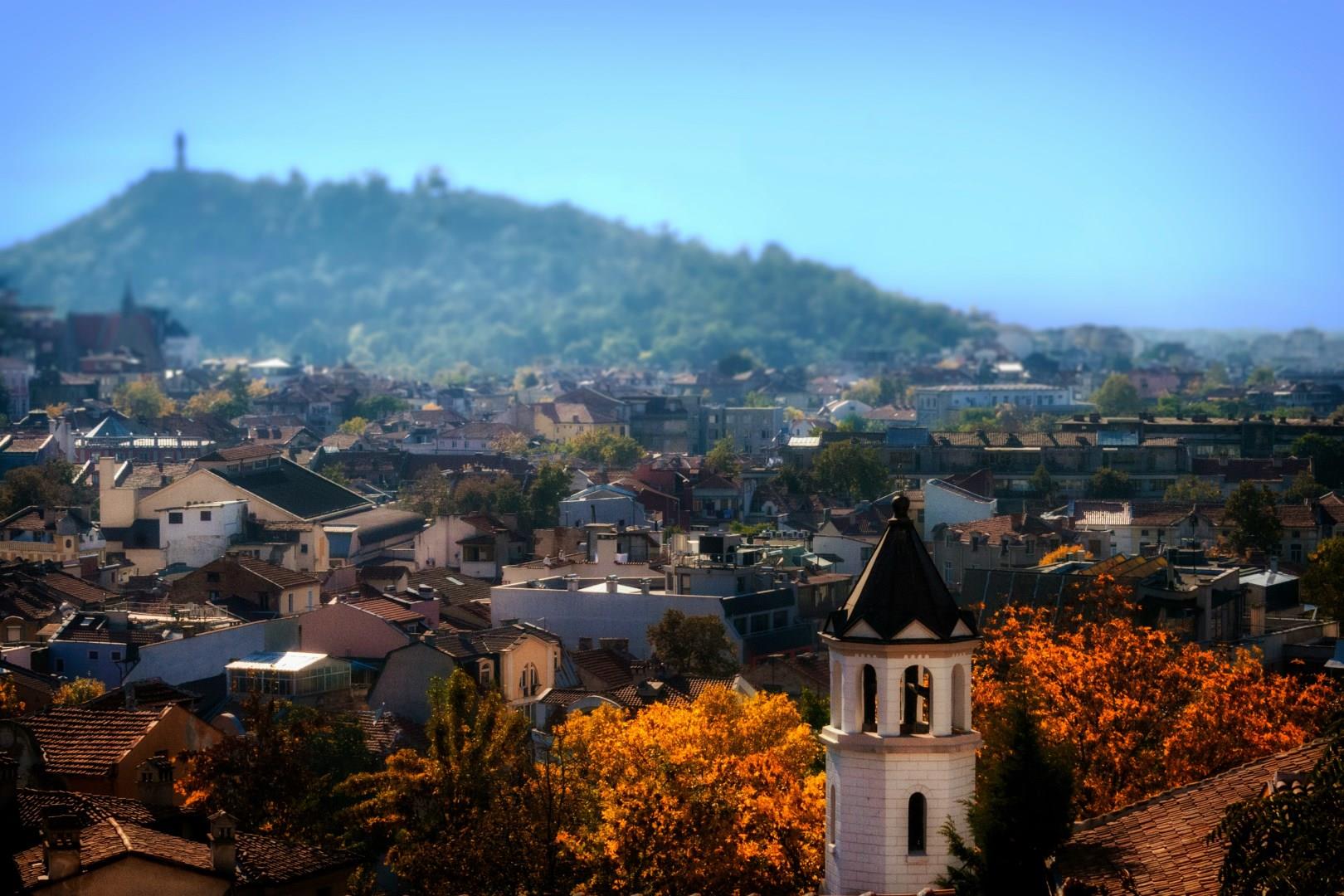
Plovdiv
Plovdiv, one of the oldest continuously inhabited cities in Europe, carries over 8,000 years of history layered into its streets. The Roman Theater, still in use today, was discovered by accident in the 1970s and now hosts operas and concerts overlooking the Rhodope Mountains. Nearby, visitors can walk the remains of a Roman stadium buried beneath the main pedestrian street, where modern shops and cafés stand above ancient foundations.
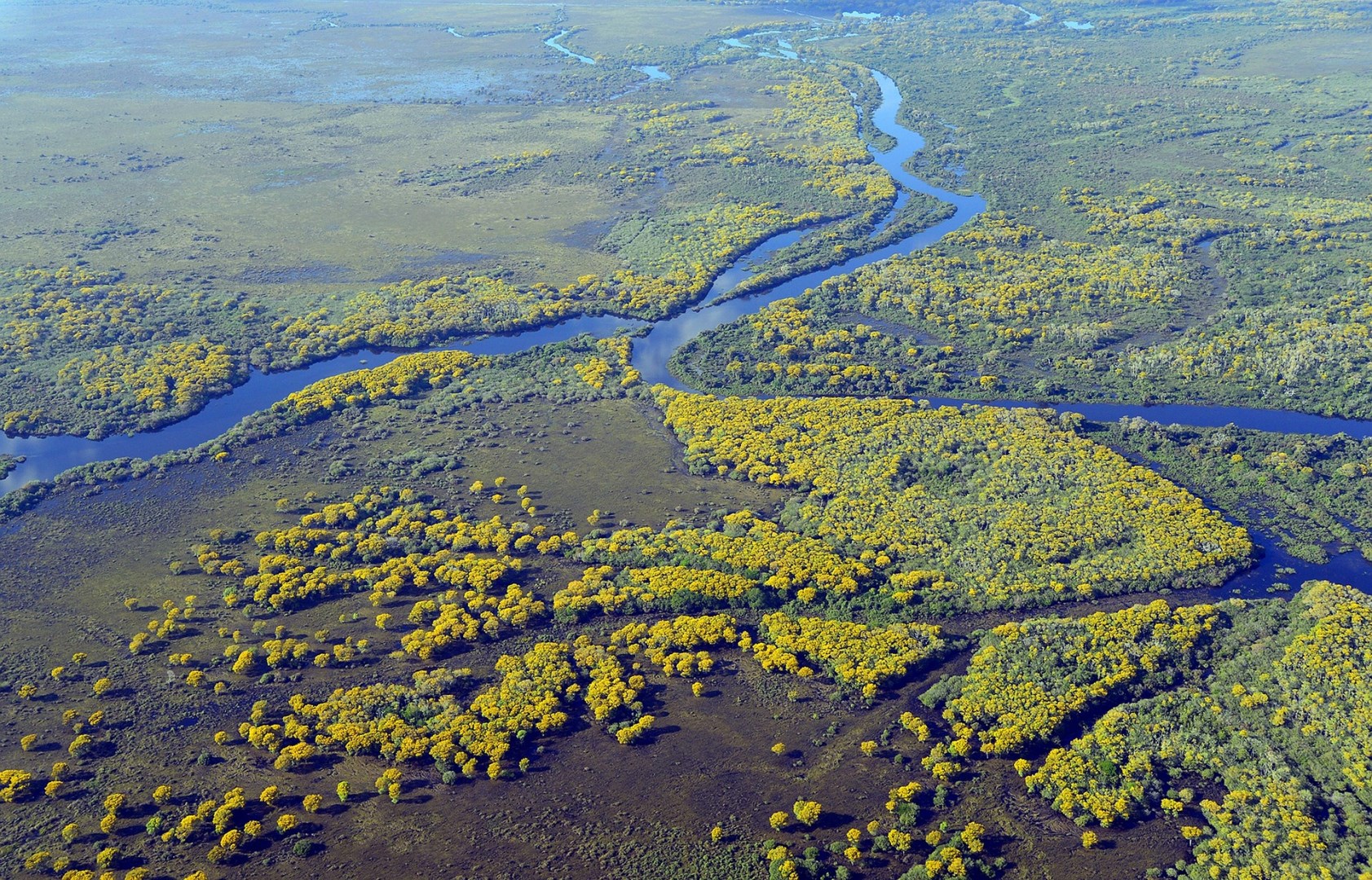
Pantanal
Pantanal, located on Brazil's western border, is a largely untouched paradise of savannah lowlands, seasonal wetlands and rich forested areas.
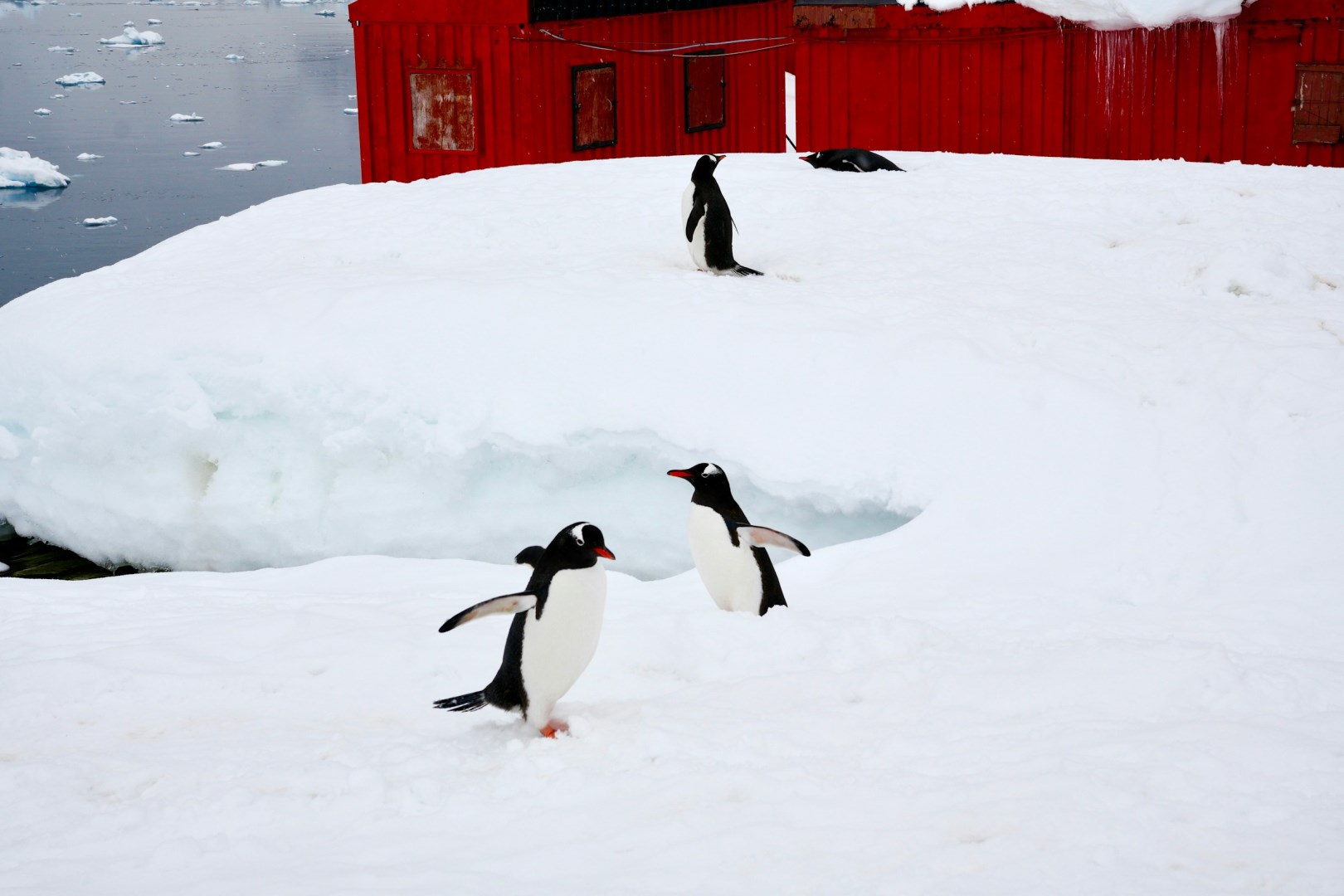
Paradise Bay
The name is not an exaggeration. Here 100-foot high glaciers and precipitous mountains present an incomparable panorama, a riot of color in white, red, yellow and blue.
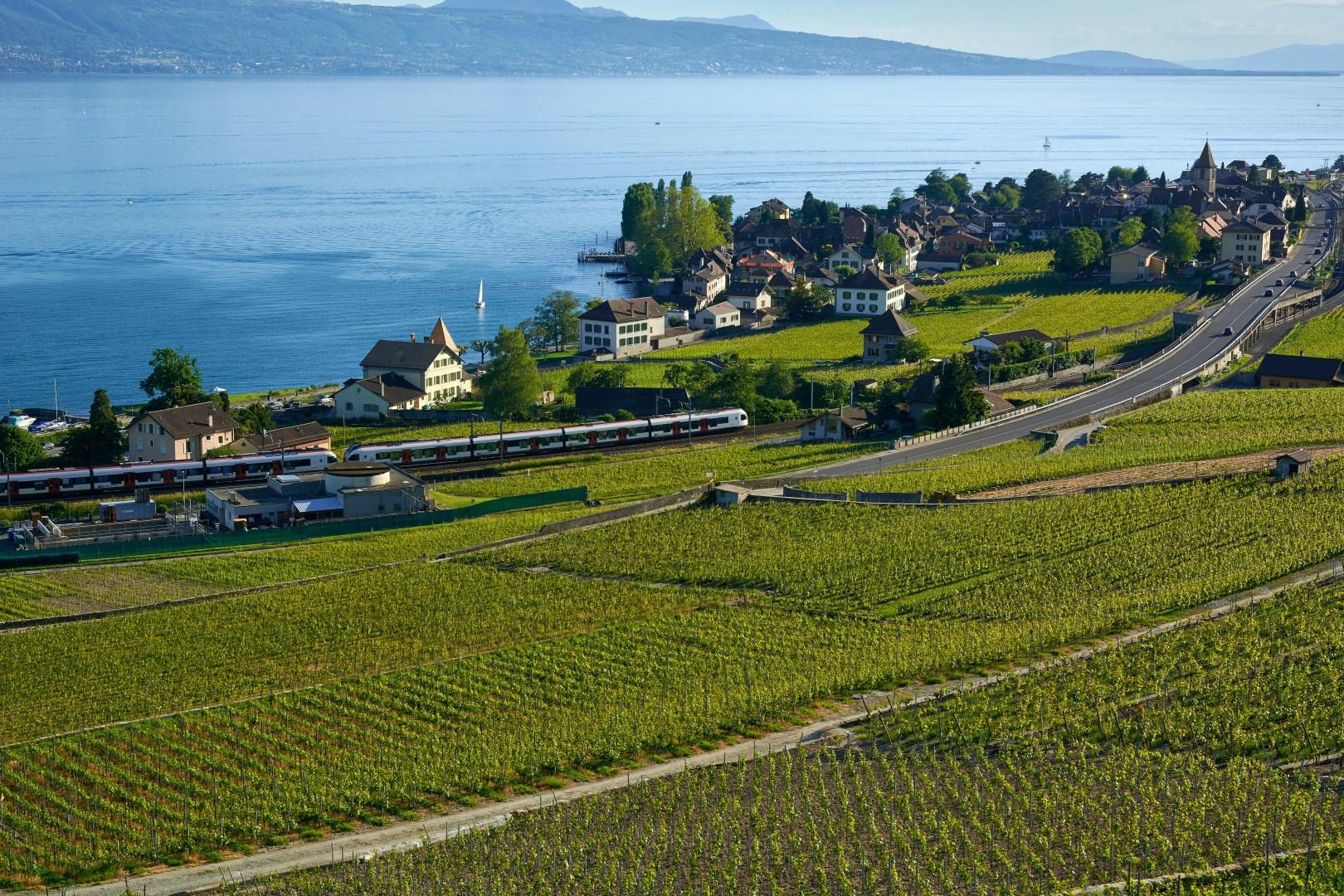
Lausanne
Perched on the northern shore of Lake Geneva, Lausanne is a city that blends centuries of history with a strong cultural identity. It served as a Roman military camp called Lousanna before evolving into a key medieval settlement. Today, visitors can still climb the tower of Lausanne Cathedral, widely regarded as the most impressive Gothic structure in Switzerland. From the top, the view stretches over the rooftops of the Old Town to the vineyards of Lavaux and across the lake to the French Alps.
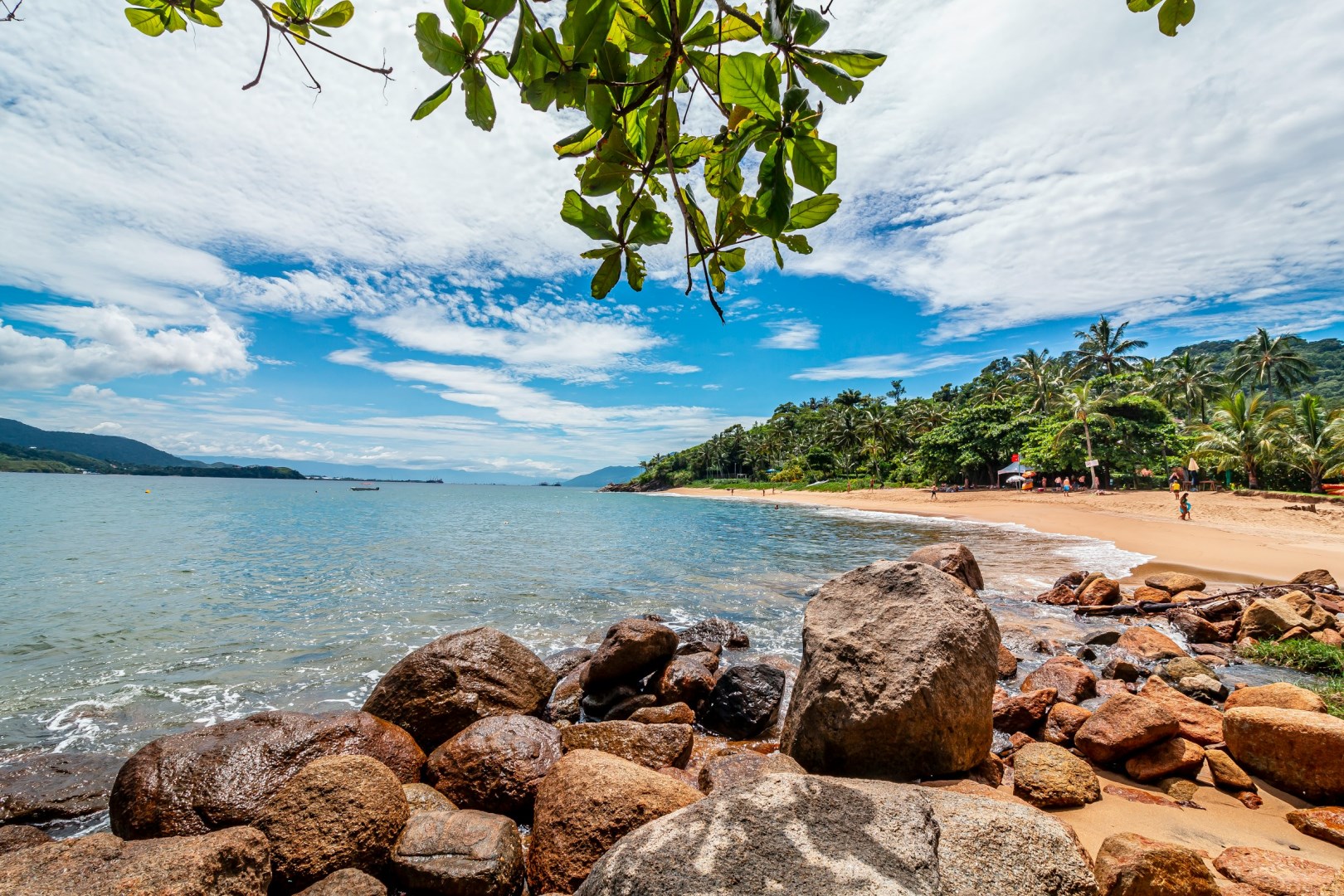
Ilhabela
Ilhabela is an archipelago municipality on the northern coast of São Paulo, separated from the mainland by the São Sebastião Channel. Its main island combines a developed coastal area with extensive Atlantic Forest, while smaller islands and islets form part of the same municipality. The town is known for sailing, beaches, waterfalls, and maritime activities, and it holds the official title of National Capital of Sailing.
