
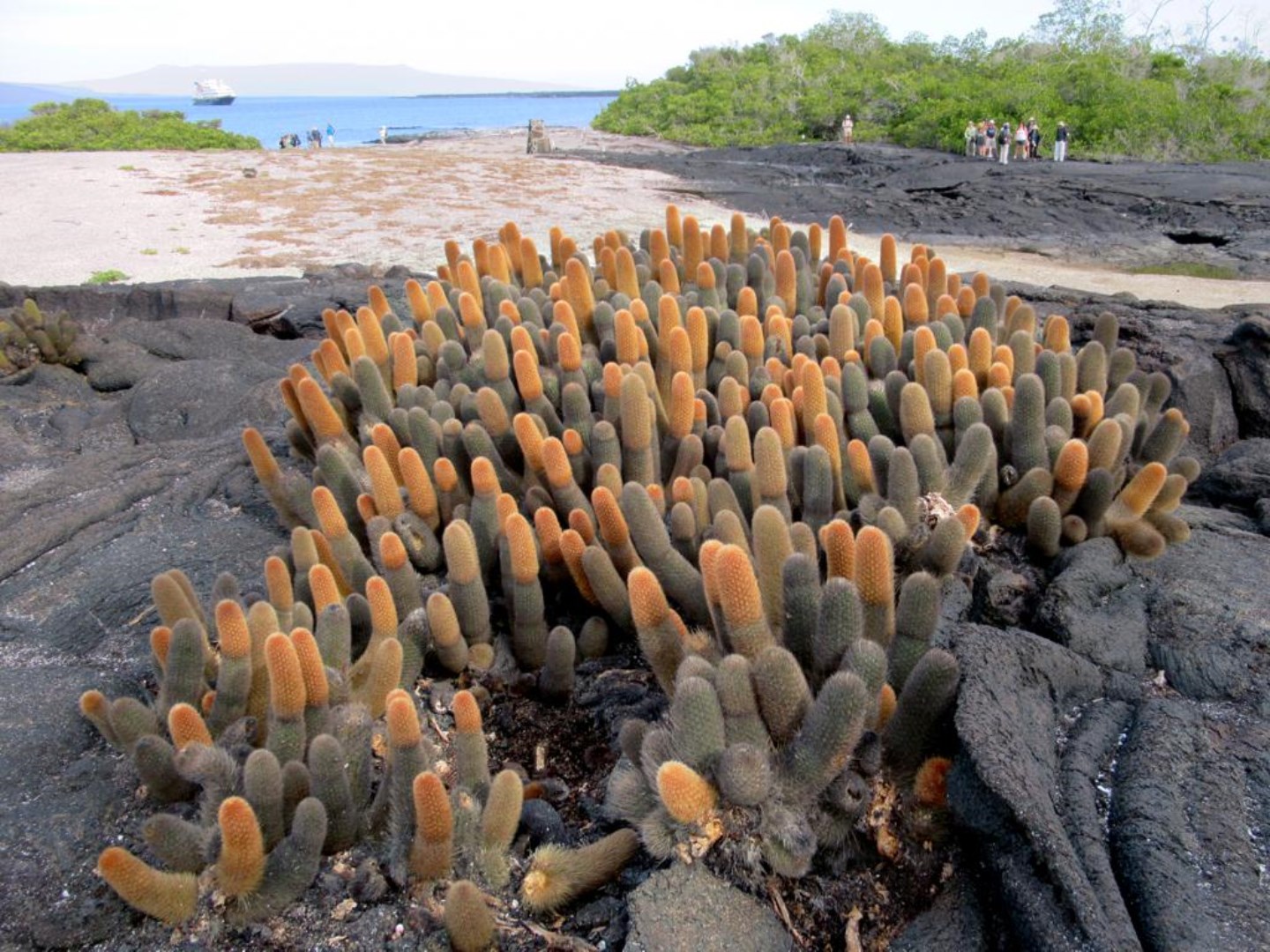
Punta Espinosa
Punta Espinosa is located on Fernandina Island in Ecuador’s Galápagos archipelago, an island shaped by recent volcanic activity and isolated landscapes. The site is known for its dark lava fields, sparse vegetation, and large populations of marine iguanas resting along the shoreline.
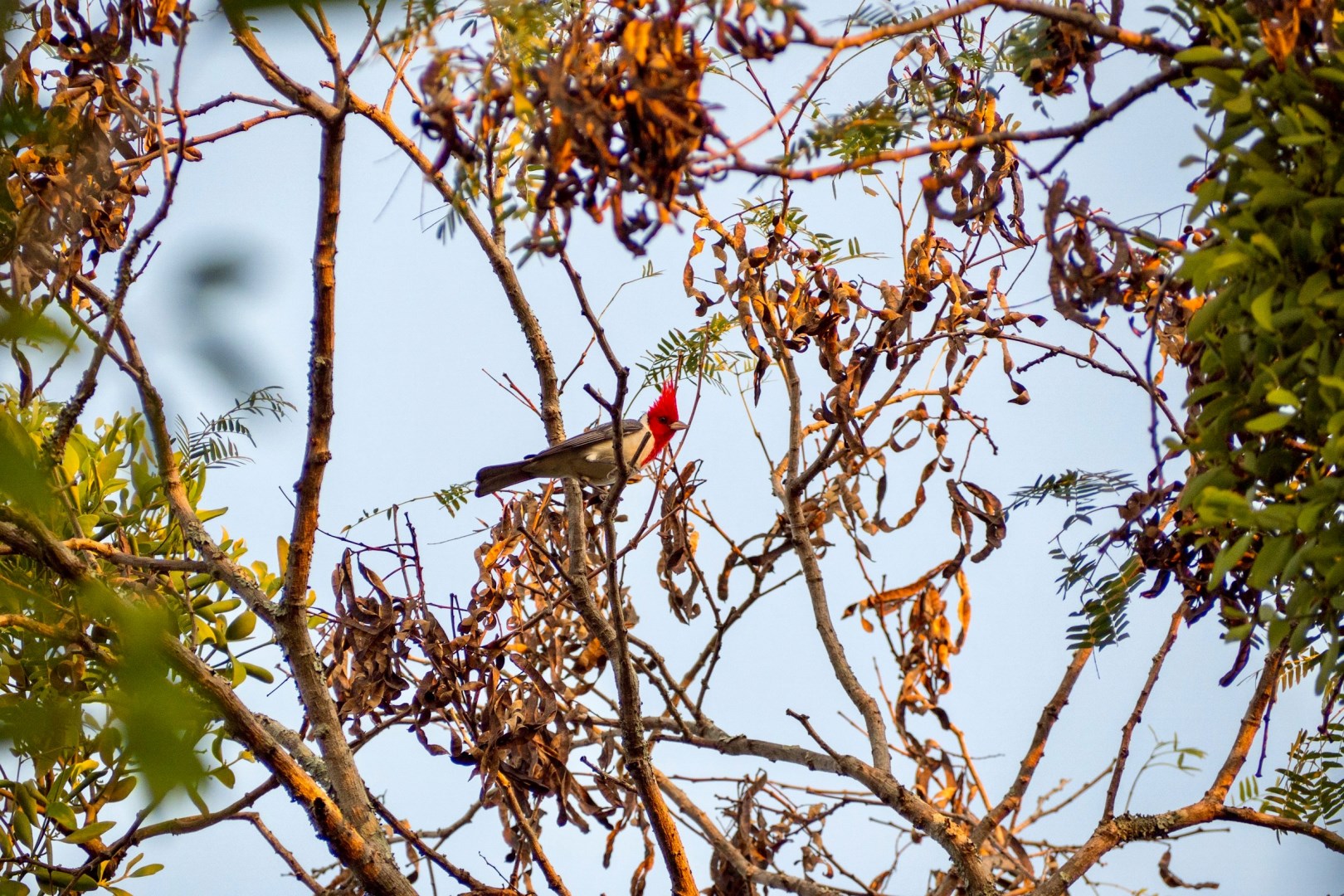
Paraguay
Paraguay is a country that moves to its own rhythm. Landlocked and often overlooked, it’s one of South America’s most culturally distinct destinations. With two official languages, Spanish and Guaraní, and a strong Indigenous heritage, Paraguay offers a travel experience shaped more by tradition than by trend. For travelers drawn to wild, open landscapes, Paraguay offers two distinct ecosystems: the lush, river-fed east and the remote, dry Chaco in the west.
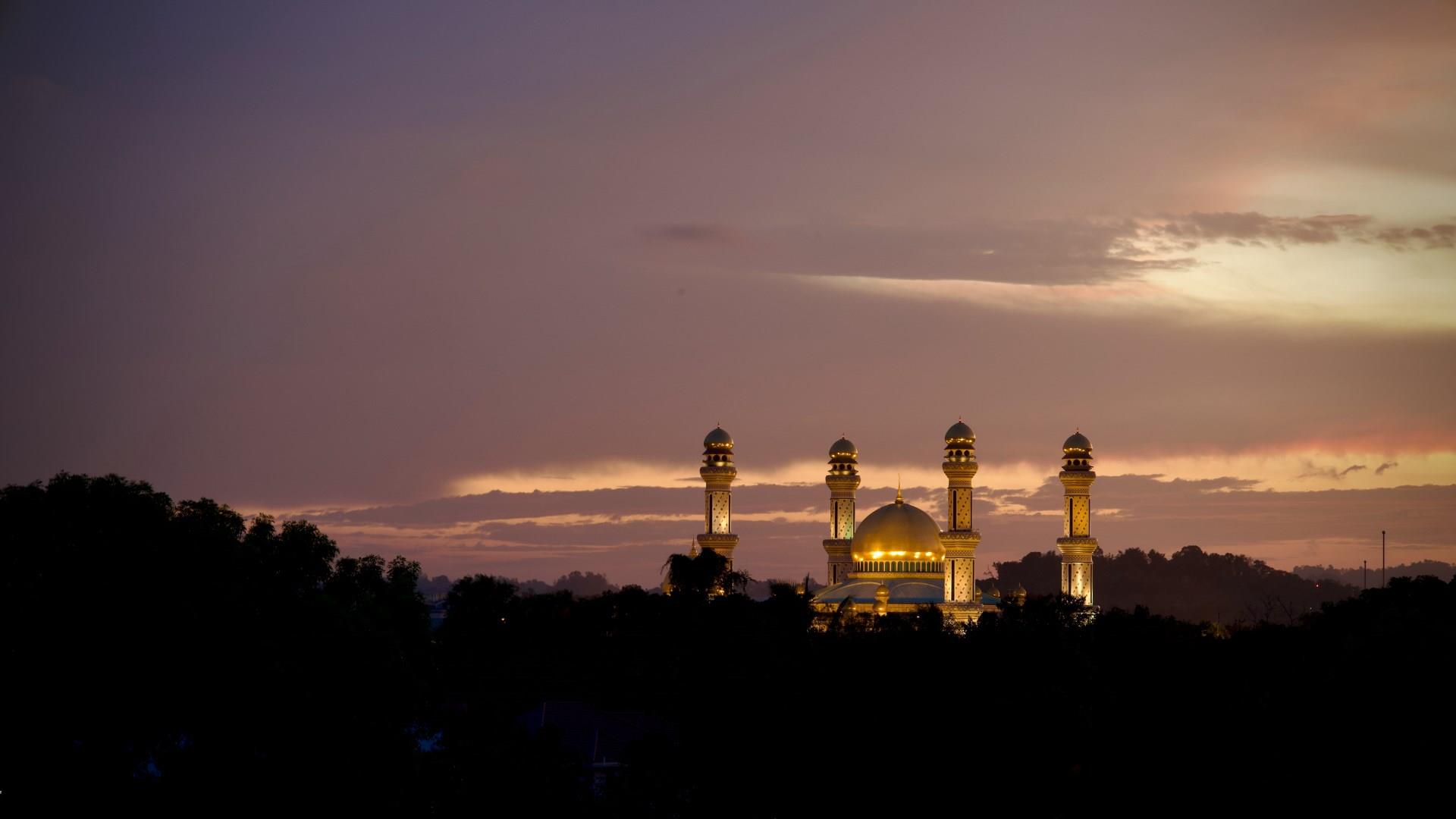
Bandar Seri Begawan
Bandar Seri Begawan, the capital of Brunei, sits along the Brunei River and combines traditional charm with modern infrastructure. The city is known for its stunning Islamic architecture, including the Sultan Omar Ali Saifuddien Mosque, with its golden dome and marble minarets reflecting in the surrounding water.
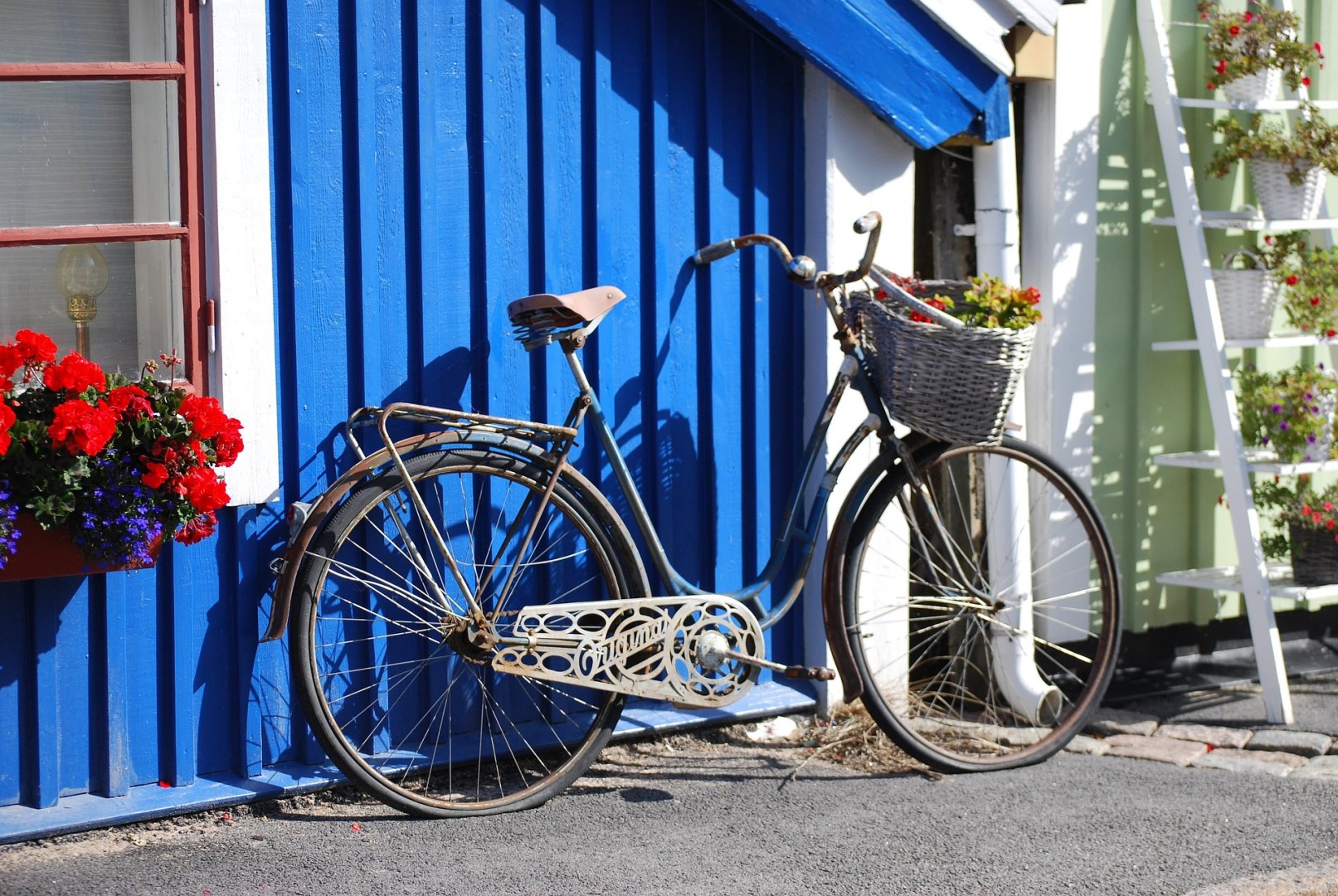
Karlskrona
Karlskrona is a coastal city in southeastern Sweden, spread across islands and peninsulas in the Blekinge archipelago. Founded as a naval base, it was carefully planned around the needs of Sweden’s fleet, and its historic naval environment remains central to the city’s identity. The central island of Trossö contains the main urban district, while nearby islands and waterfronts provide a close connection to the Baltic Sea.

Phnom Penh
Phnom Penh, the capital of Cambodia, is a city where history, culture, and riverside life intersect. Situated at the confluence of the Mekong and Tonle Sap rivers, the city has a lively riverfront that serves as both a social gathering place and a hub for commerce.
