
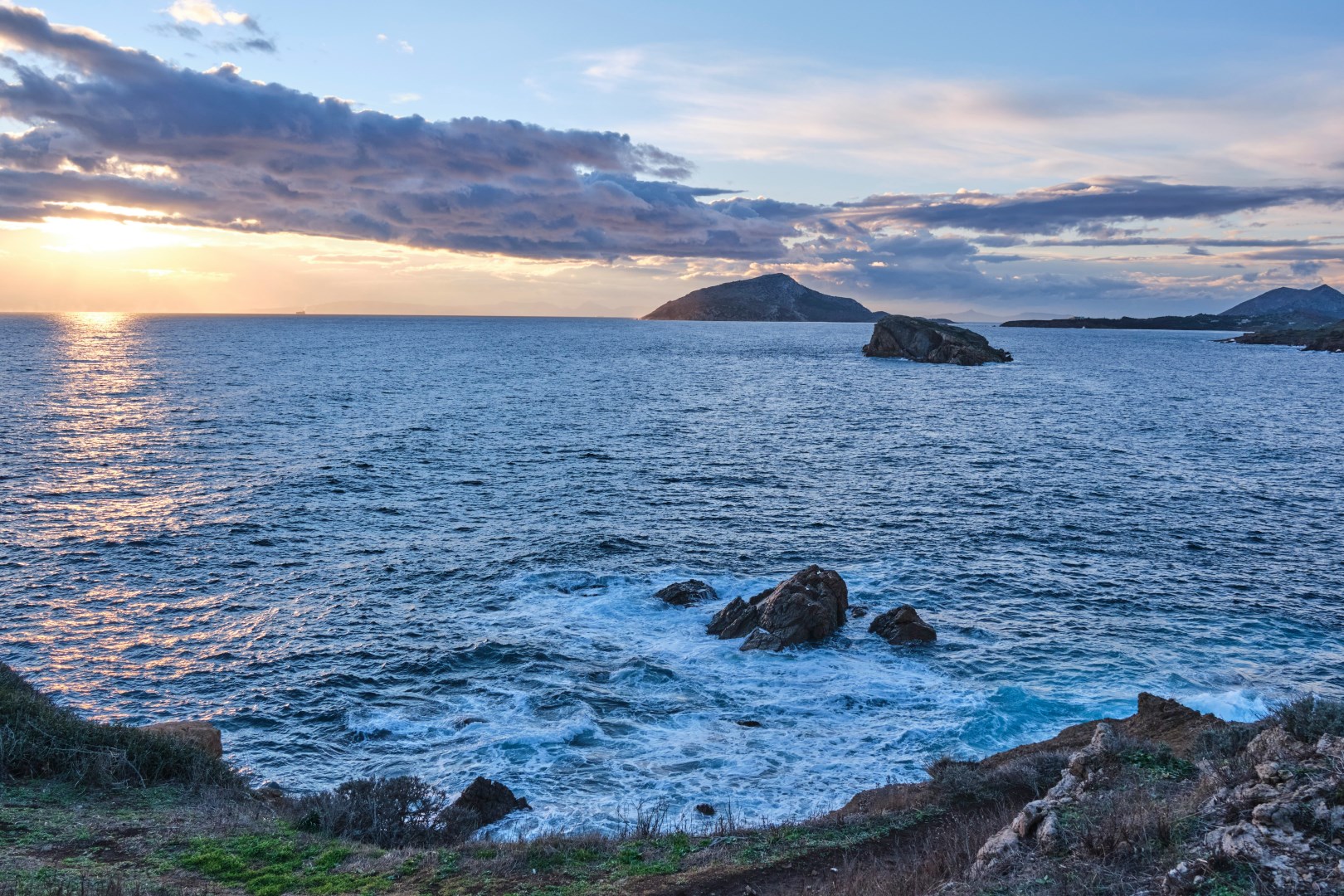
Lavrio
Lavrio is a port town on the southeastern coast of Attica, Greece, facing the Aegean Sea. Its harbour handles ferries, fishing vessels and recreational boats, while the surrounding hills contain extensive traces of mining.
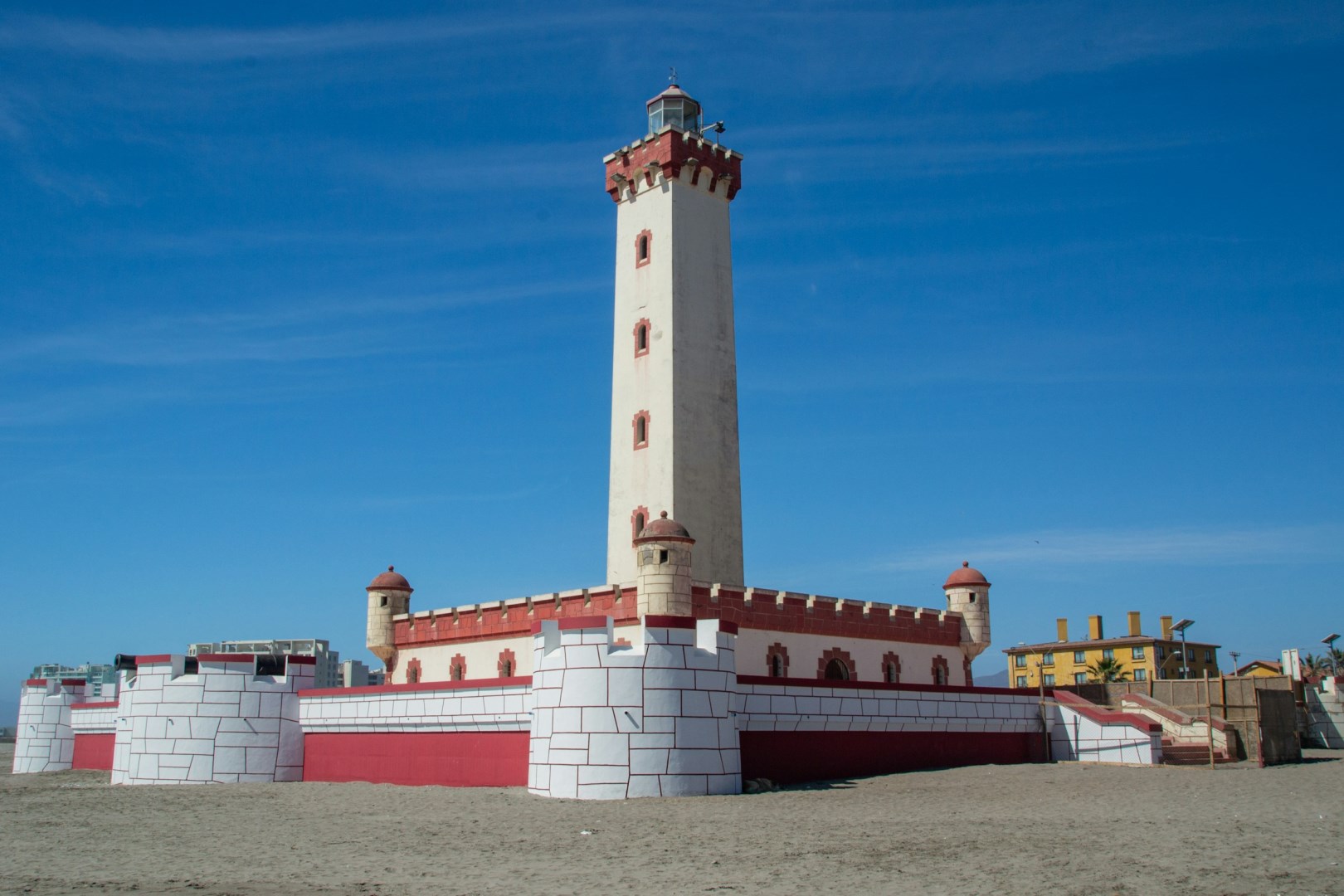
La Serena
Important both historically and economically, the beachside city of La Serena is one of Chile's oldest post-Columbian cities. The region's silver, copper and agriculture were so important that the city had its own mint. Today, La Serena maintains a colonial air, although it is threatening Viña del Mar's supremacy as premier beach resort. Apart from a string of beautiful beaches, attractions include a handful of museums and a number of nearby quaint villages and vineyards.

Belize City
A frequent stop for Caribbean cruises, this Central American destination will delight you with local flea markets, museums, and delicious eats.
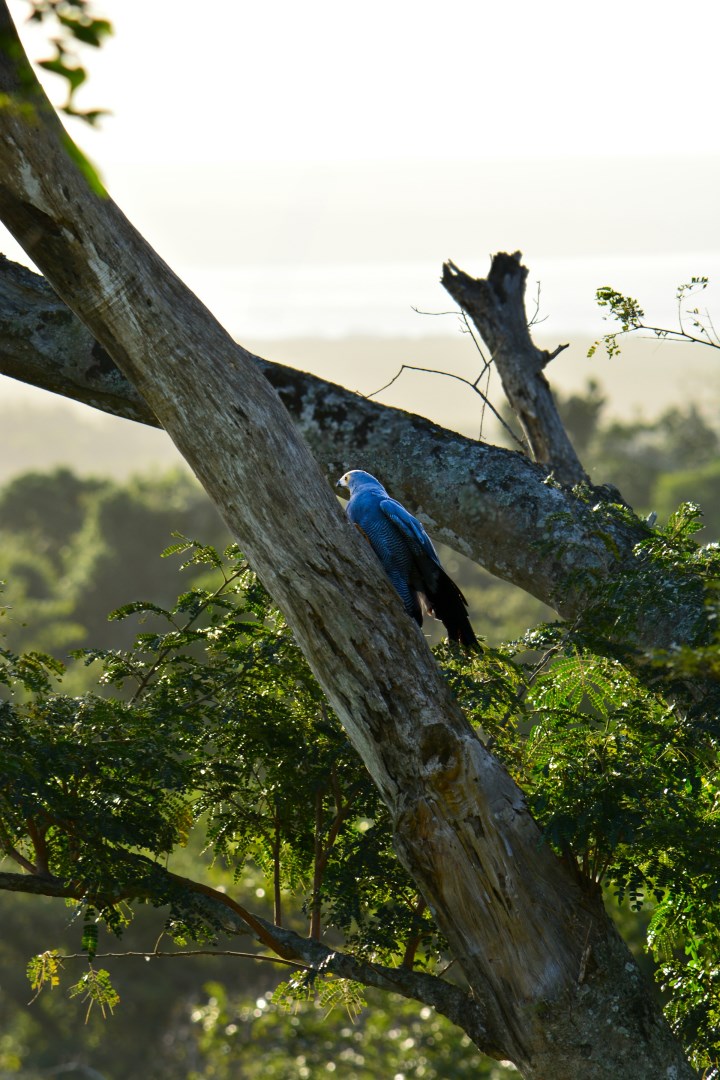
St. Lucia
St Lucia is a small coastal town in northern KwaZulu-Natal, positioned beside the St Lucia Estuary and within the iSimangaliso Wetland Park. The town is surrounded by a landscape of wetlands, coastal forests, grasslands, dunes, lakes, and the Indian Ocean. Its location makes it a base for exploring one of South Africa’s most diverse protected areas, where freshwater and marine environments occur close together.
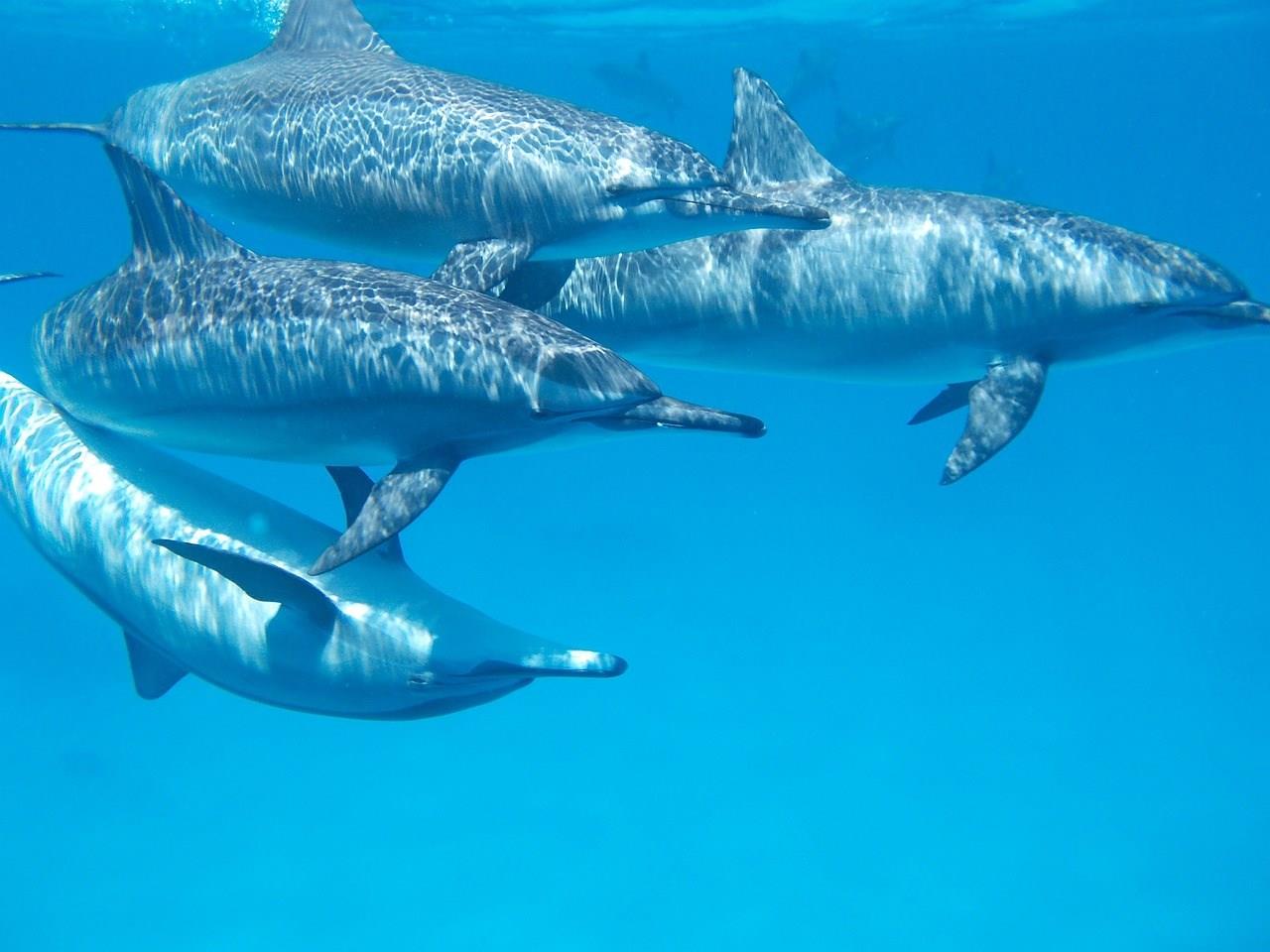
Pacific Ocean
The Pacific Ocean is both the largest and the deepest ocean on Earth. It extends from the Americas in the east to Asia and Australia in the west, and from the Artic Ocean in the north to Antarctica in the south.
