
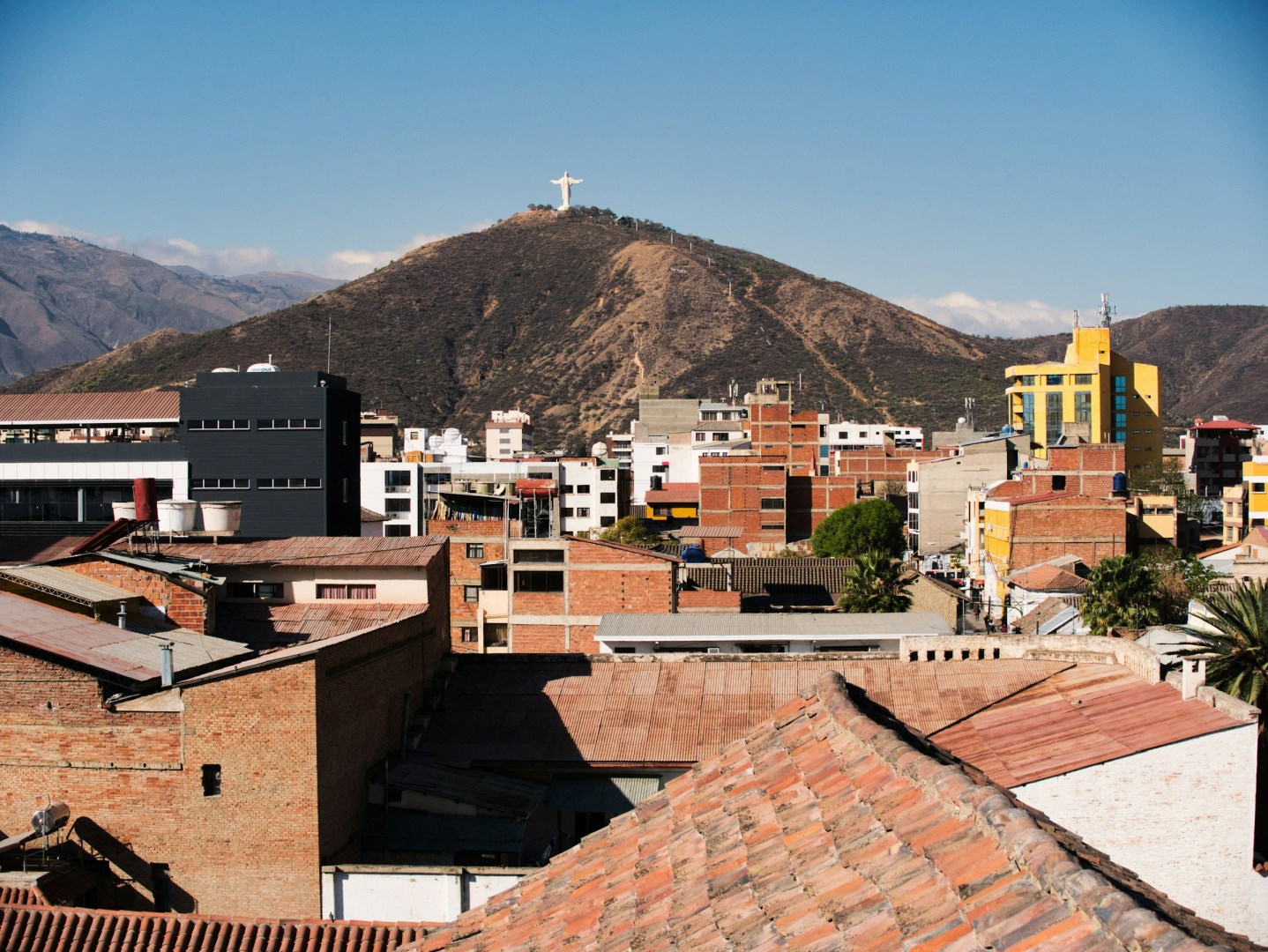
Cochabamba
Bolivia's third largest city, it lies high in the valley of Cordillera Oriental. It is an agricultural hub of the country, especially for grains. Founded in 1574 by a conquistador, it is the home of an excellent archeological museum.
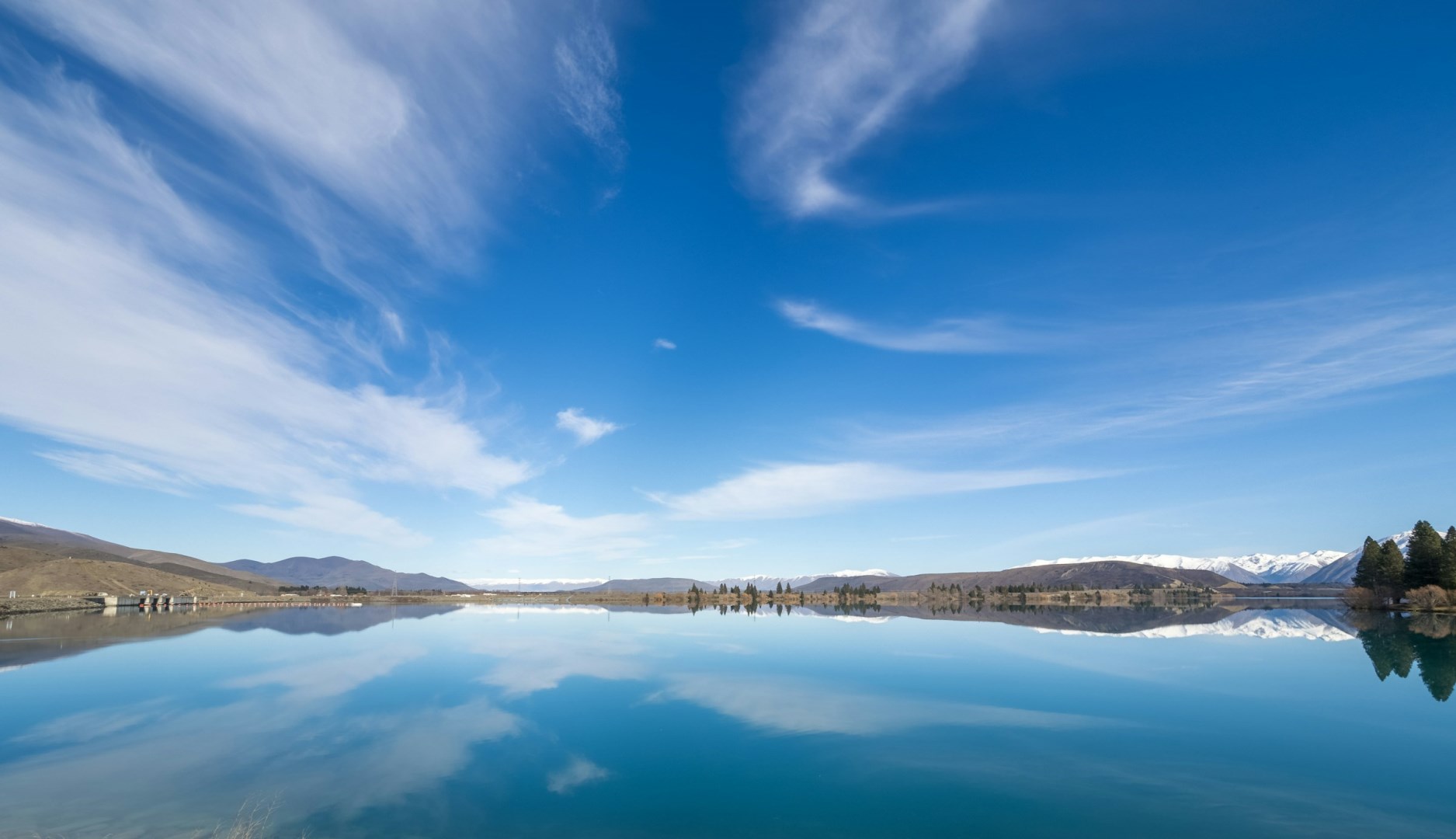
Lake Ōhau
Lake Ōhau, nestled in the Mackenzie Basin of New Zealand’s South Island, is a serene and striking alpine lake framed by the Southern Alps. Its clear, turquoise waters reflect the surrounding mountains, creating vistas that captivate visitors at every turn. The lake’s remote location and relatively low visitor numbers make it an ideal destination for those seeking a peaceful retreat, with opportunities to fish, kayak, or simply take in the sweeping scenery along its shores.
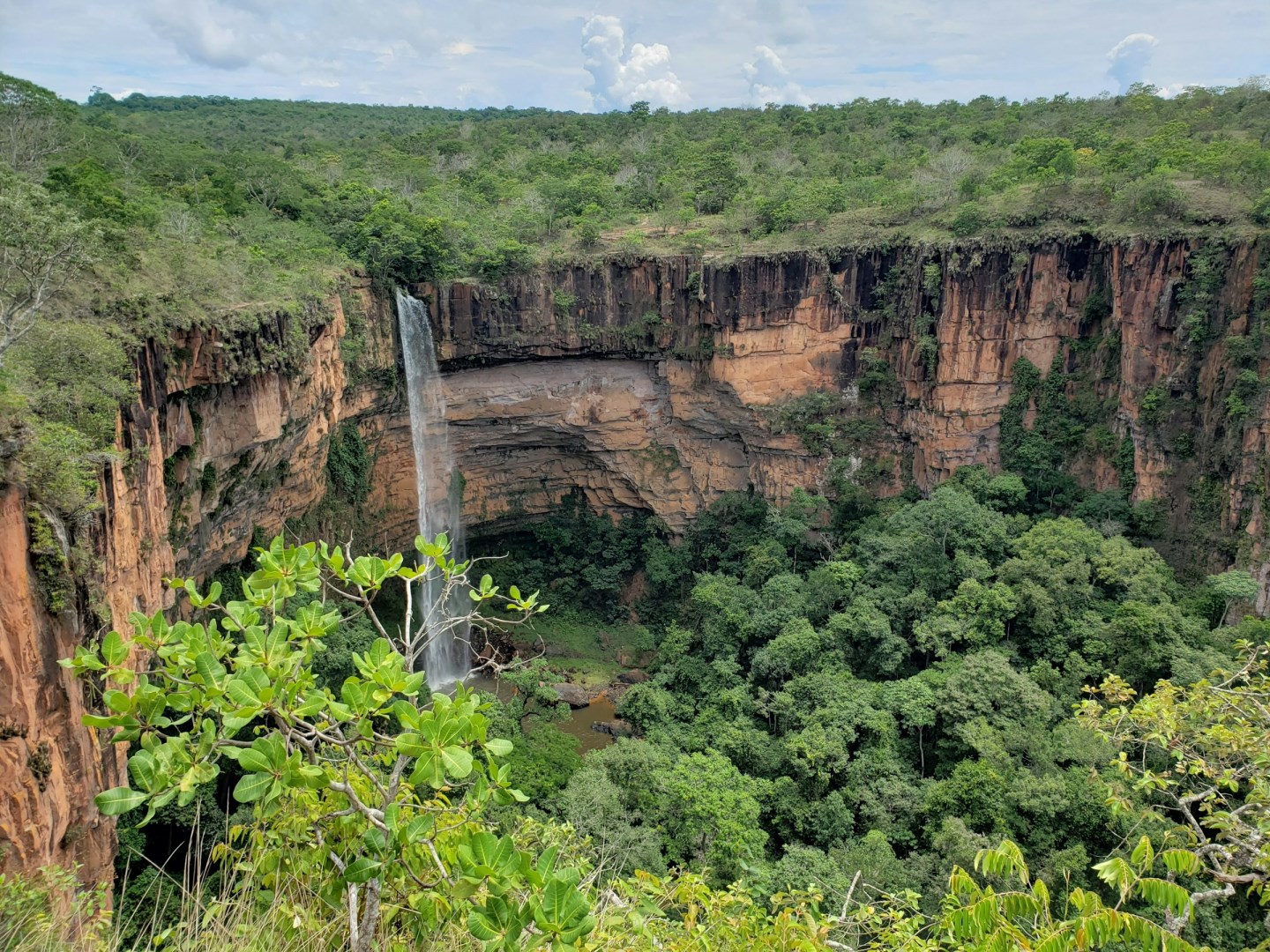
Cuiabá
Cuiabá is the capital of Mato Grosso in central-western Brazil and an important gateway to the Pantanal, Chapada dos Guimarães, and other natural areas of the state. The city developed around gold mining and later became an important regional center along the Cuiabá River. Its historic center contains colonial churches, traditional houses, and public squares, while newer districts extend well beyond the old city.
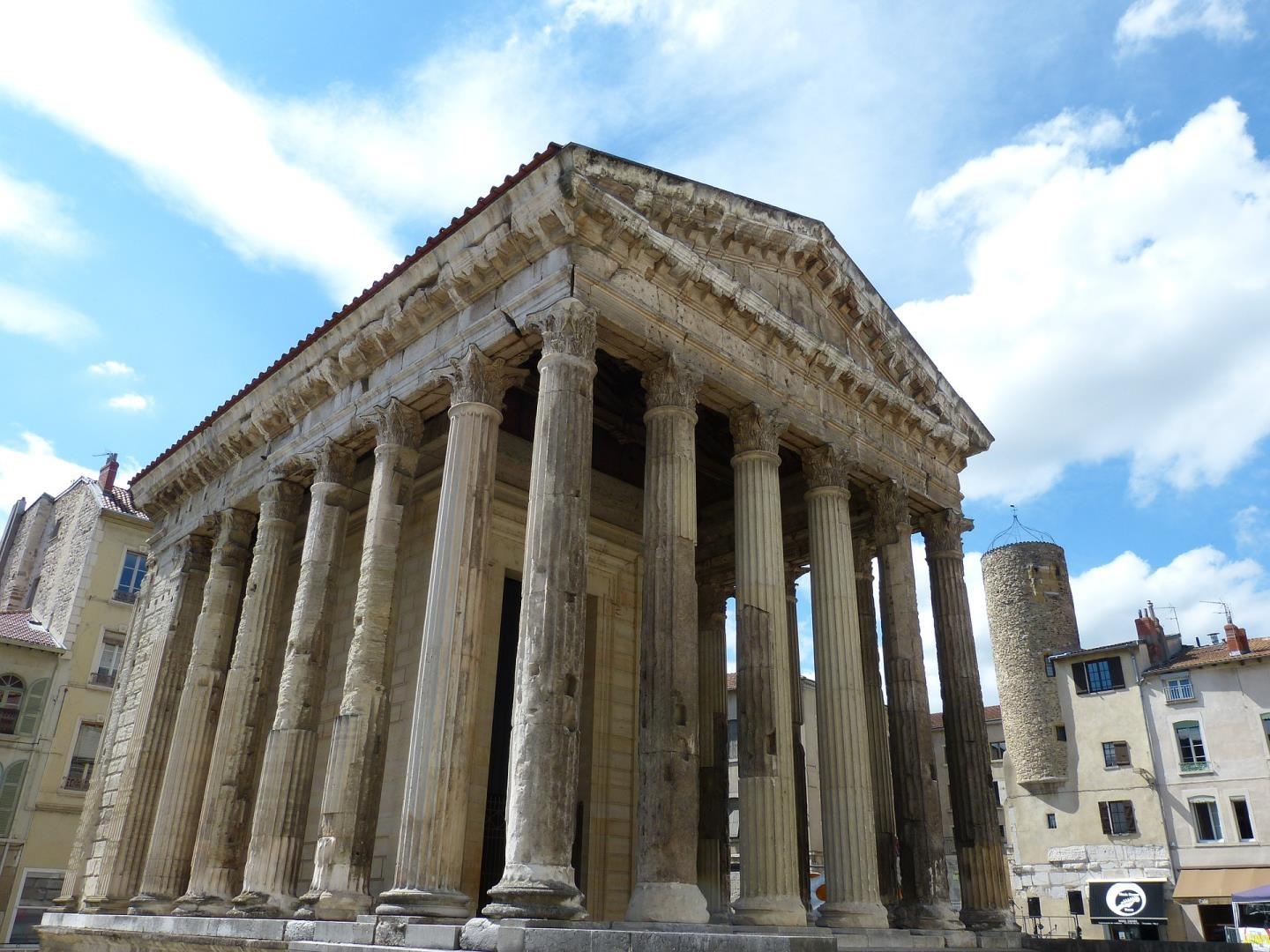
Vienne
Vienne, France sits along the wide bend of the Rhône River in southeastern France, where stone bridges, riverbanks, and steep hills shape the view from nearly every angle. The old town is filled with narrow streets that open suddenly into squares lined with cafés and small shops. One of the most striking sights is how Roman ruins appear in unexpected places, blending into daily life rather than standing apart as distant monuments.
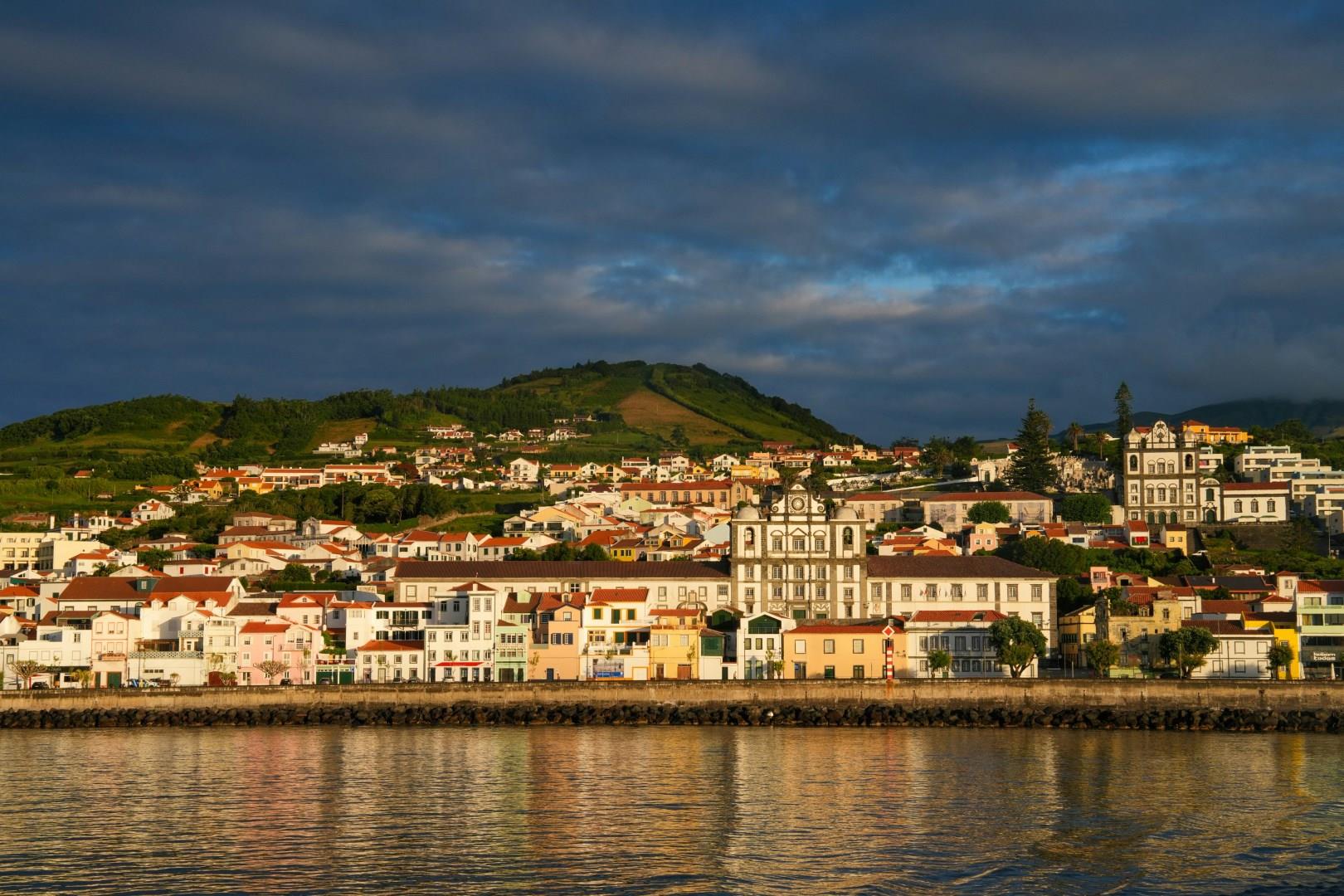
Horta Faial Island
Horta sits on the southeastern coast of Faial Island in the Azores, long defined by its position in the mid-Atlantic. For centuries it served as a critical stop for whaling ships, transatlantic sailors, and later yachts crossing between Europe and the Americas.
