
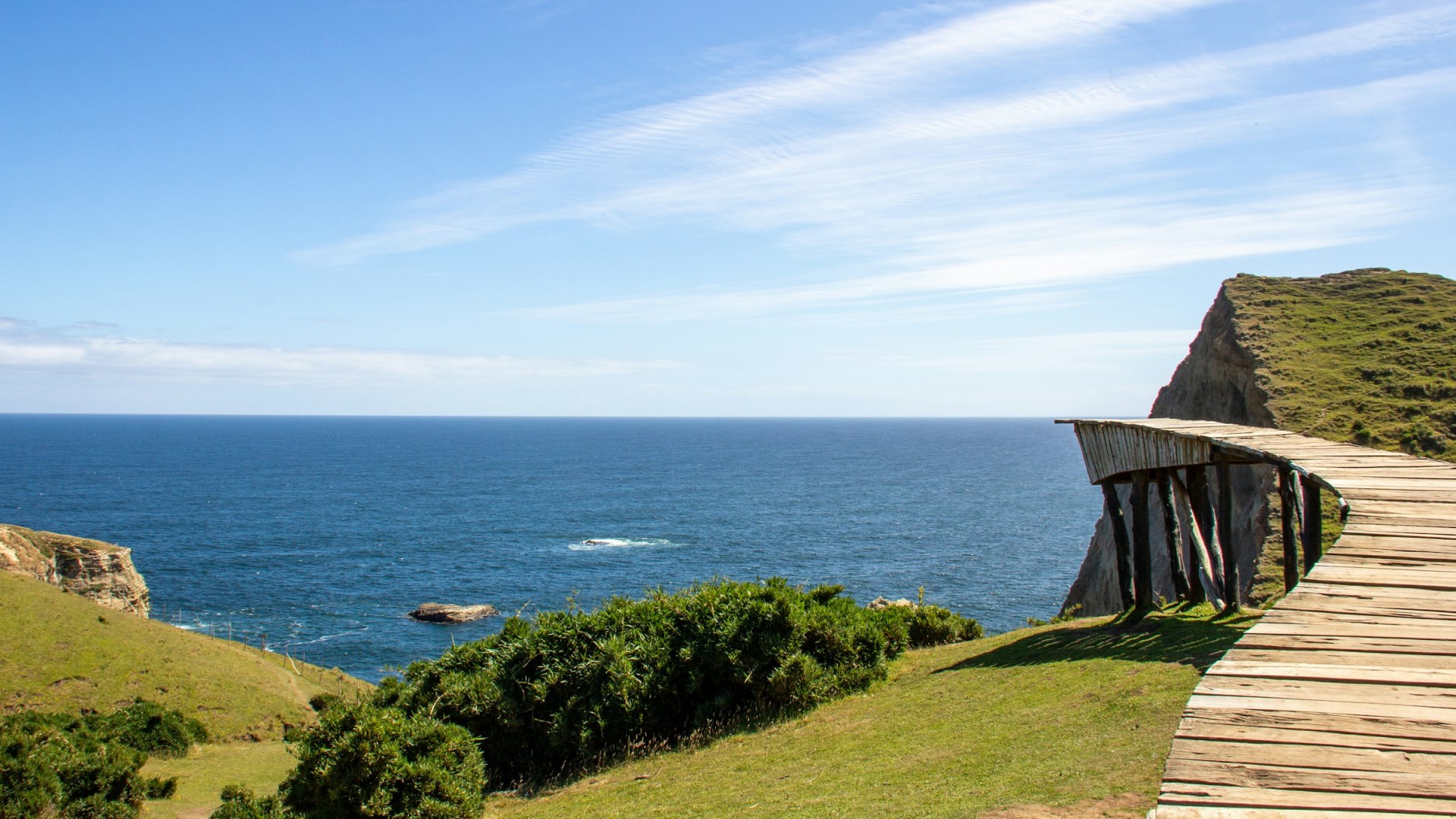
Chiloé Island
Chiloé Island is the largest island in the Chiloé Archipelago in southern Chile, separated from the mainland by the Chacao Channel and surrounded by the Gulf of Corcovado and the Pacific Ocean. Its landscape is shaped by wooded hills, farmland, wetlands, beaches, and a network of channels and smaller islands. Rural communities are scattered across the island, while towns such as Castro, Ancud, and Chonchi provide commercial and cultural centers.
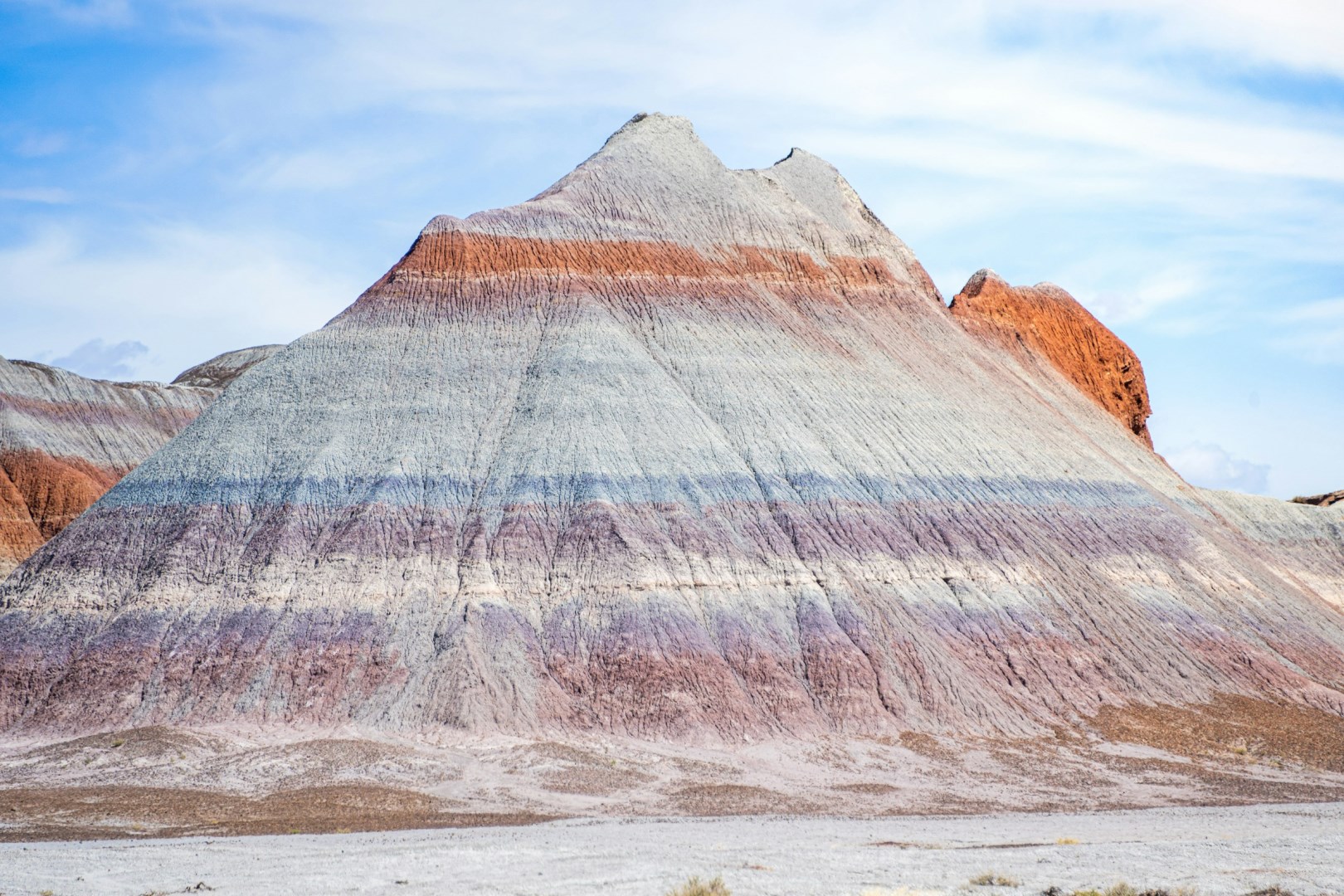
Petrified Forest National Park
Petrified Forest National Park stretches across the colorful high desert of northeastern Arizona, where grasslands, mesas, badlands, and ancient fossil deposits form an unusual landscape. The park is best known for its extensive petrified wood, much of it preserved from trees that lived in a river environment more than 200 million years ago.

Jalisco
Jalisco, a vibrant state on Mexico’s Pacific coast, offers a diverse tapestry of experiences that span history, culture, and natural beauty. The state capital, Guadalajara, is renowned for its rich cultural heritage and lively atmosphere
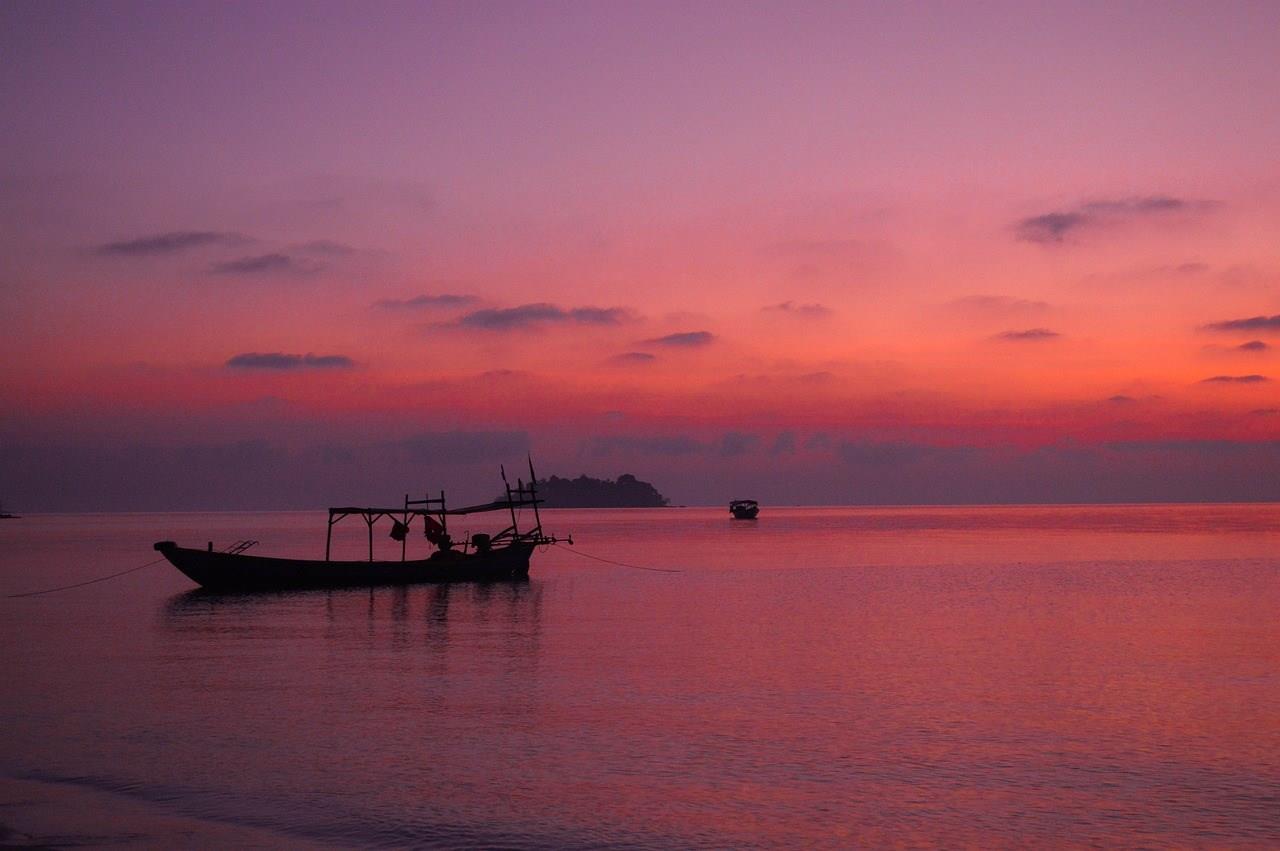
East and Southeast Asia
East and Southeast Asia encompass a vast and diverse region, stretching from the towering peaks of the Himalayas to the turquoise waters of the South China Sea. This area is home to some of the world’s most vibrant cities, tranquil rural landscapes, and a rich blend of traditions.
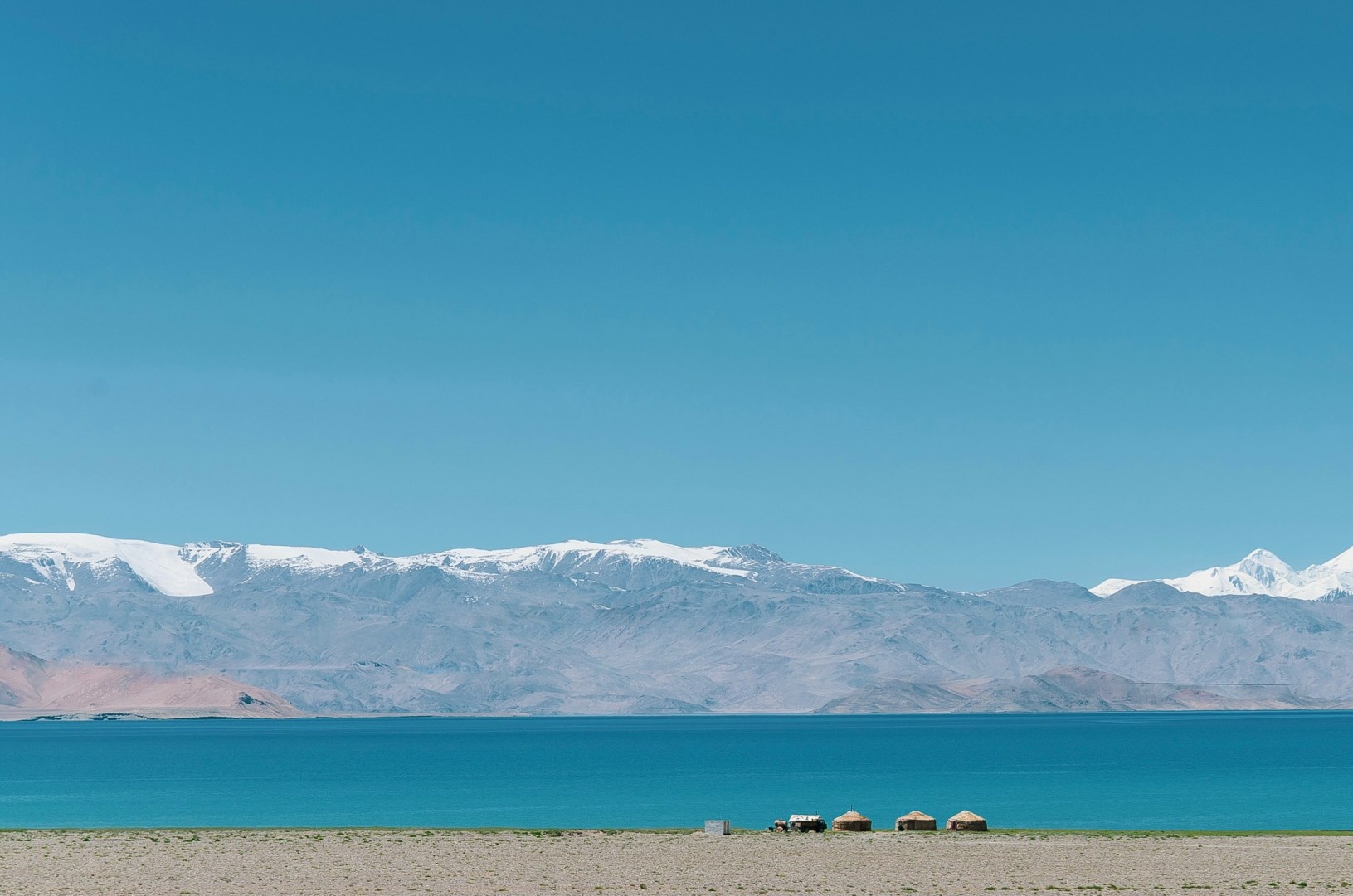
Karakul Lake
Karakul Lake is a high-altitude lake in eastern Tajikistan, situated in the Pamir Mountains near the village of Karakul. The lake lies at roughly 3,900 meters above sea level within a broad, treeless landscape of rocky plains and high mountain ranges. Its name means “Black Lake” in Turkic, although its water can appear deep blue, green, or turquoise depending on the light. Karakul is the largest lake by surface area in the Pamirs and is part of the wider Tajik National Park.
