
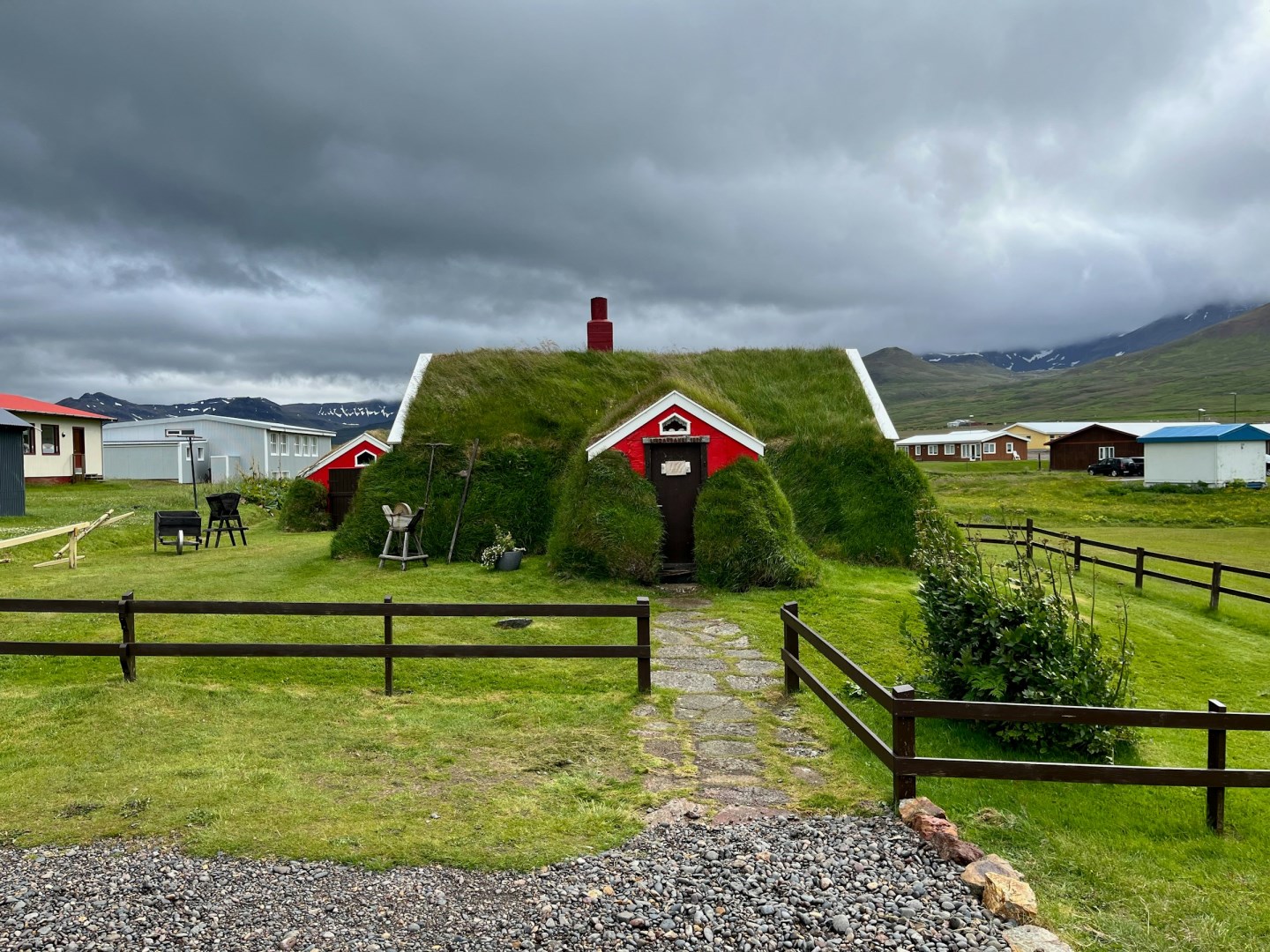
Bakkagerði
Bakkagerði is a small village in Borgarfjörður Eystri on Iceland’s remote east coast, surrounded by steep mountains, narrow valleys, and the North Atlantic. The village serves as the main settlement and service center for the fjord, with a small harbor and colorful houses scattered beneath the surrounding peaks. Its isolated location gives Bakkagerði a strong connection to the landscape and to traditional rural life.
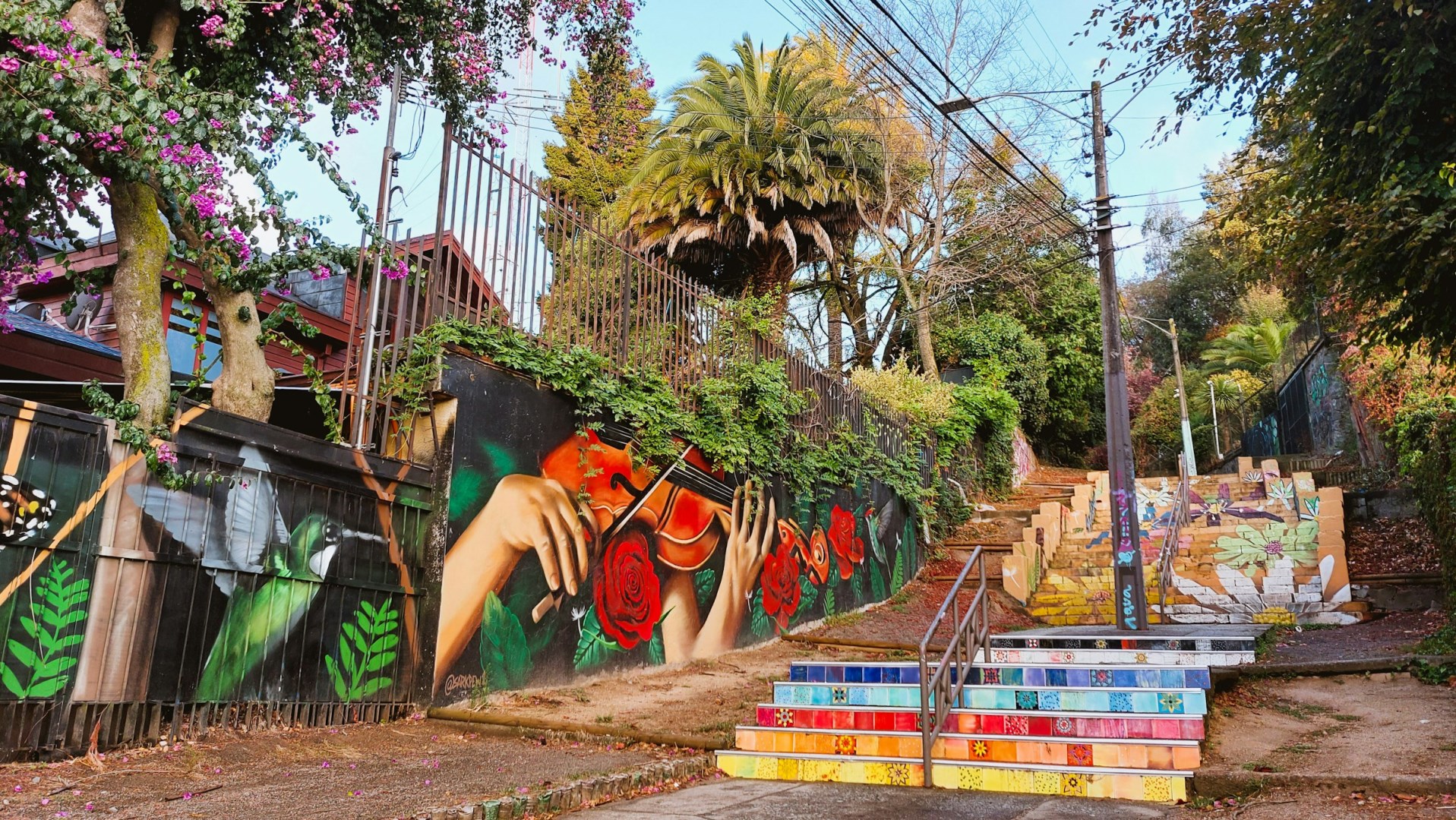
Concepción
The capital of Bio Bio Province, it was founded in 1550 and is Chile's third largest city. It is a major industrial and rail center.
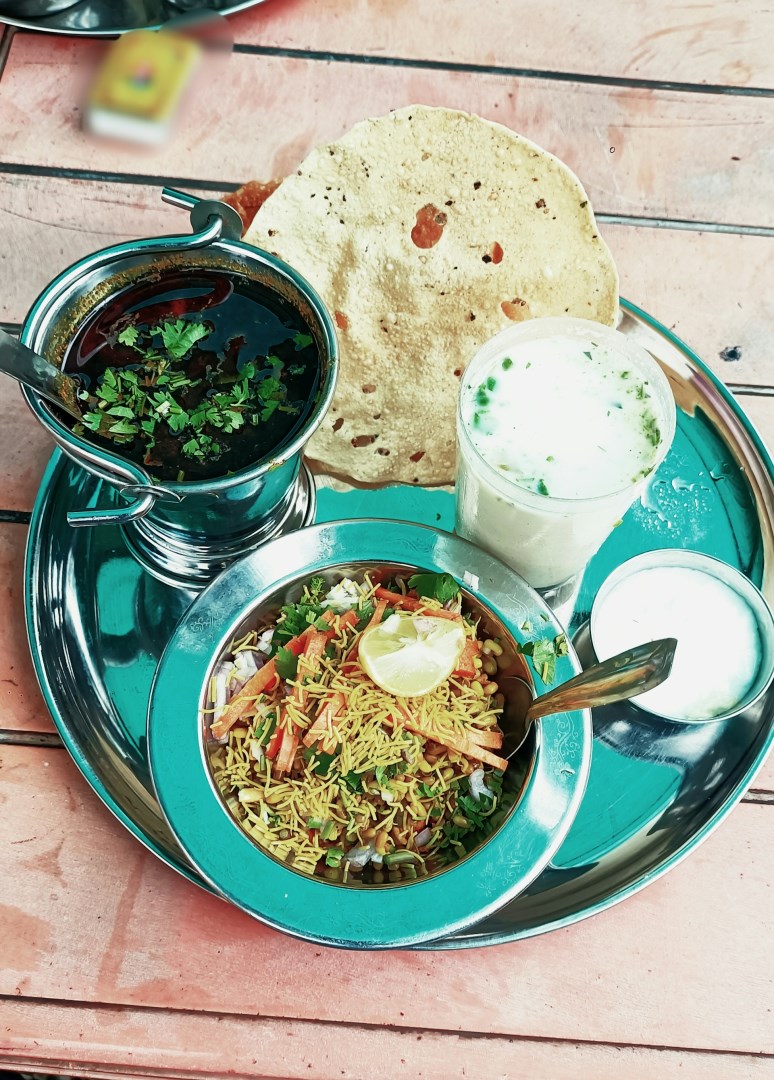
Aurangabad
Aurangabad, now officially known as Chhatrapati Sambhajinagar, is a historic city in Maharashtra’s Deccan region, surrounded by dry hills, agricultural land, and the basalt landscapes of the Deccan Plateau. It is best known as a gateway to some of India’s most important rock-cut monuments, including the UNESCO-listed Ajanta and Ellora Caves. The city itself combines Mughal-era architecture, Buddhist cave sites, historic gateways, and traditional craft industries. I
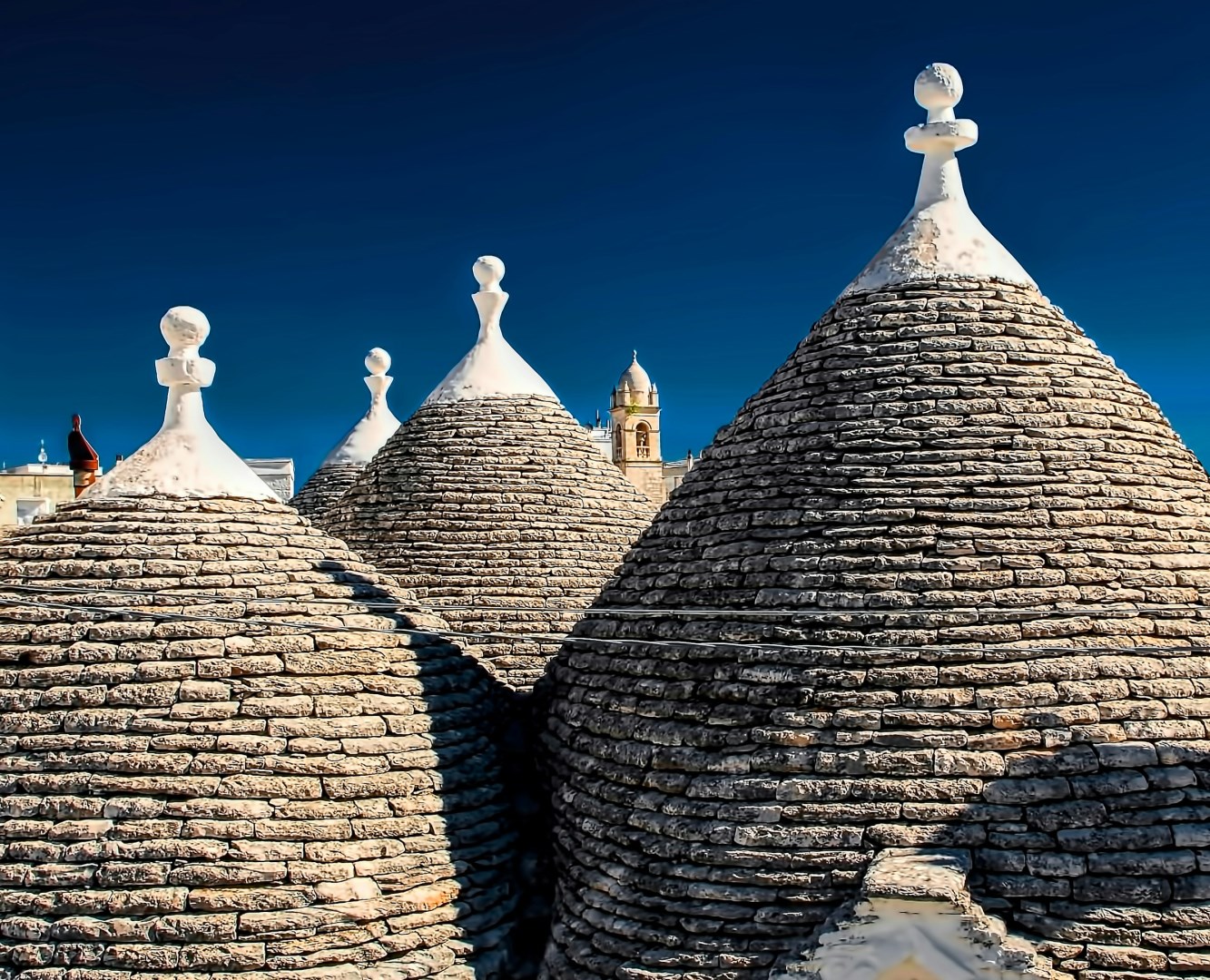
Alberobello
Alberobello in southern Italy’s Puglia region captures the imagination with its distinctive trulli houses. These structures were built using a dry-stone technique passed down over centuries, without mortar or cement, and their unique form comes from layer upon layer of limestone nestled from nearby fields. Alberobello’s trulli are so remarkable that in 1996 the historic center was inscribed as a UNESCO World Heritage Site, where more than 1,600 of these buildings still stand.
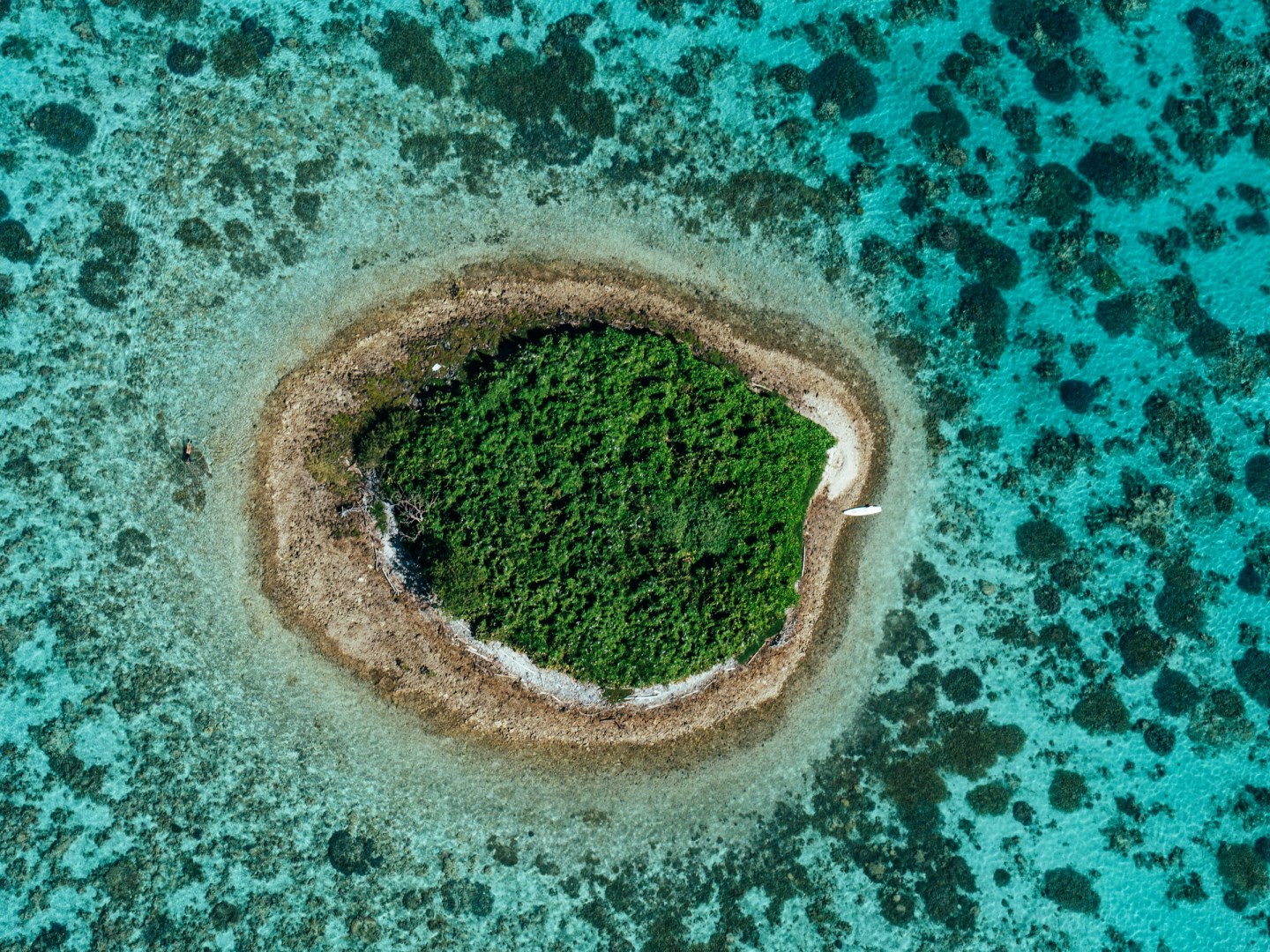
Bourail
Bourail is a rural commune on the west coast of Grande Terre, New Caledonia, known for its open landscapes, cattle farms, beaches, and distinctive coastal rock formations. The area extends from the foothills of the central mountain range toward the Pacific Ocean and includes several villages and farming communities
