
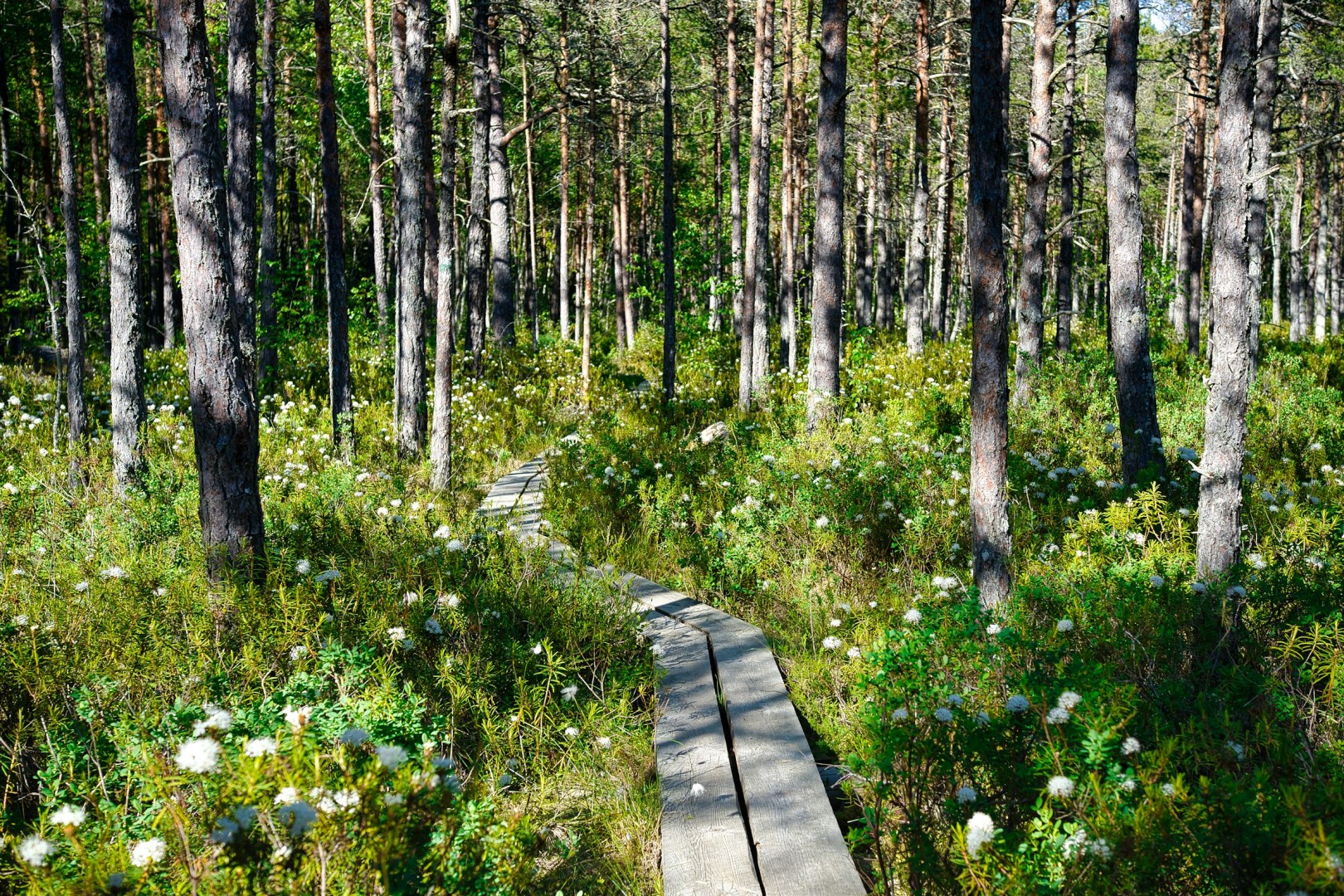
Lahemaa National Park
Lahemaa National Park is a large protected area on Estonia’s northern coast, facing the Gulf of Finland and combining forests, wetlands, rocky shores, sandy beaches, and small islands. It is Estonia’s oldest and largest national park, with landscapes that change noticeably between the coast and the inland forests. The park also protects cultural heritage, including traditional fishing villages, historic manor estates, and old farm landscapes.

Mâcon
Mâcon is a riverside town in the Saône et Loire department of southern Burgundy, set where the Saône River curves gently through the countryside. Walking through the town naturally leads visitors from the riverfront toward its historic streets, where the past seems to linger in every corner. In the heart of Mâcon’s historic district, pedestrians find streets lined with notable sites.

North Sea
The North Sea stretches between the coasts of Northern Europe, touching countries like the United Kingdom, Norway, Denmark, Germany, and the Netherlands
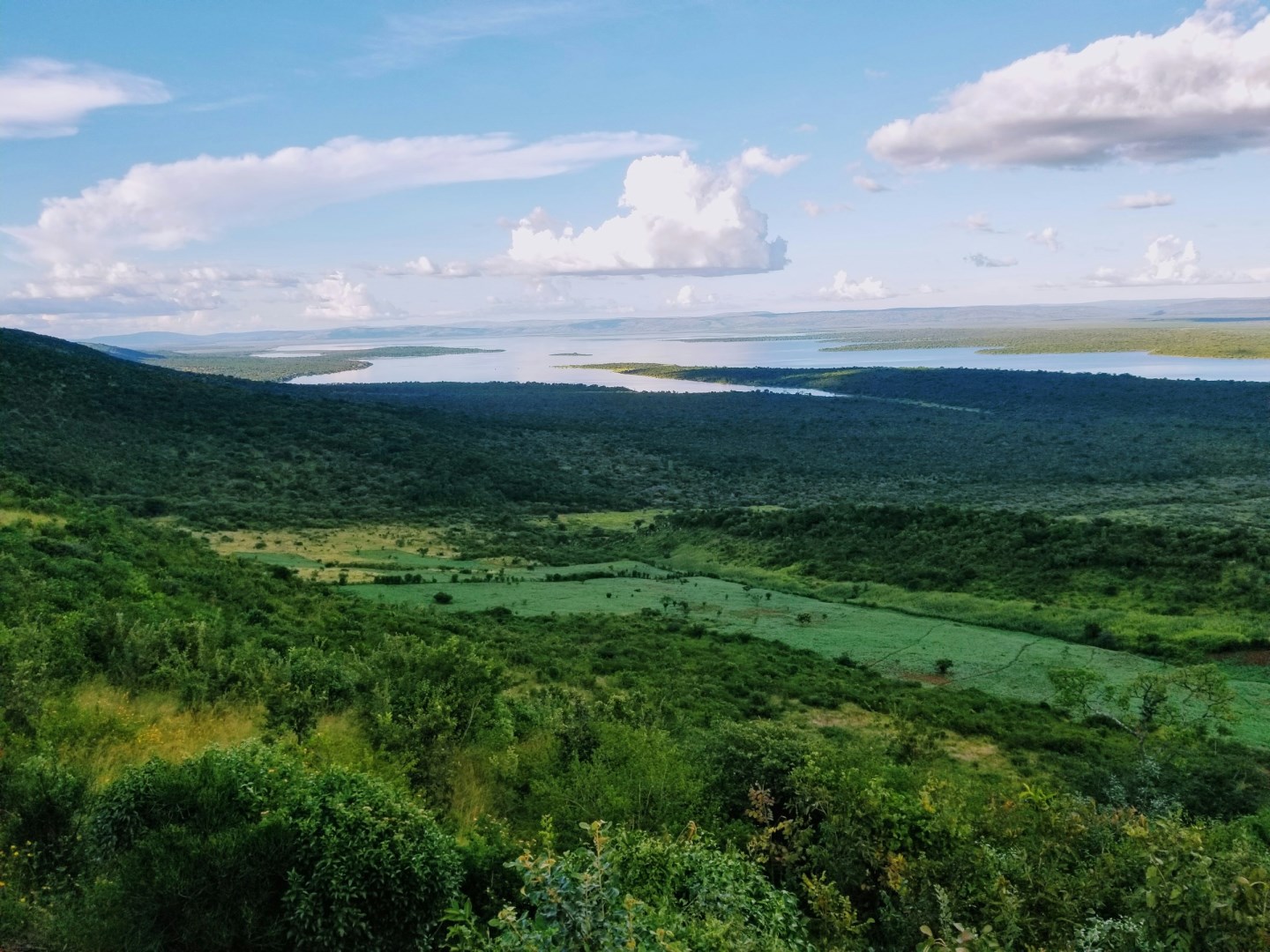
Akagera National Park
Akagera National Park occupies Rwanda’s northeastern corner along the border with Tanzania and is the country’s only protected savanna region. Its relatively low-lying landscape contains rolling hills, open grasslands, woodland, papyrus wetlands, and a chain of lakes connected by the Akagera River system.
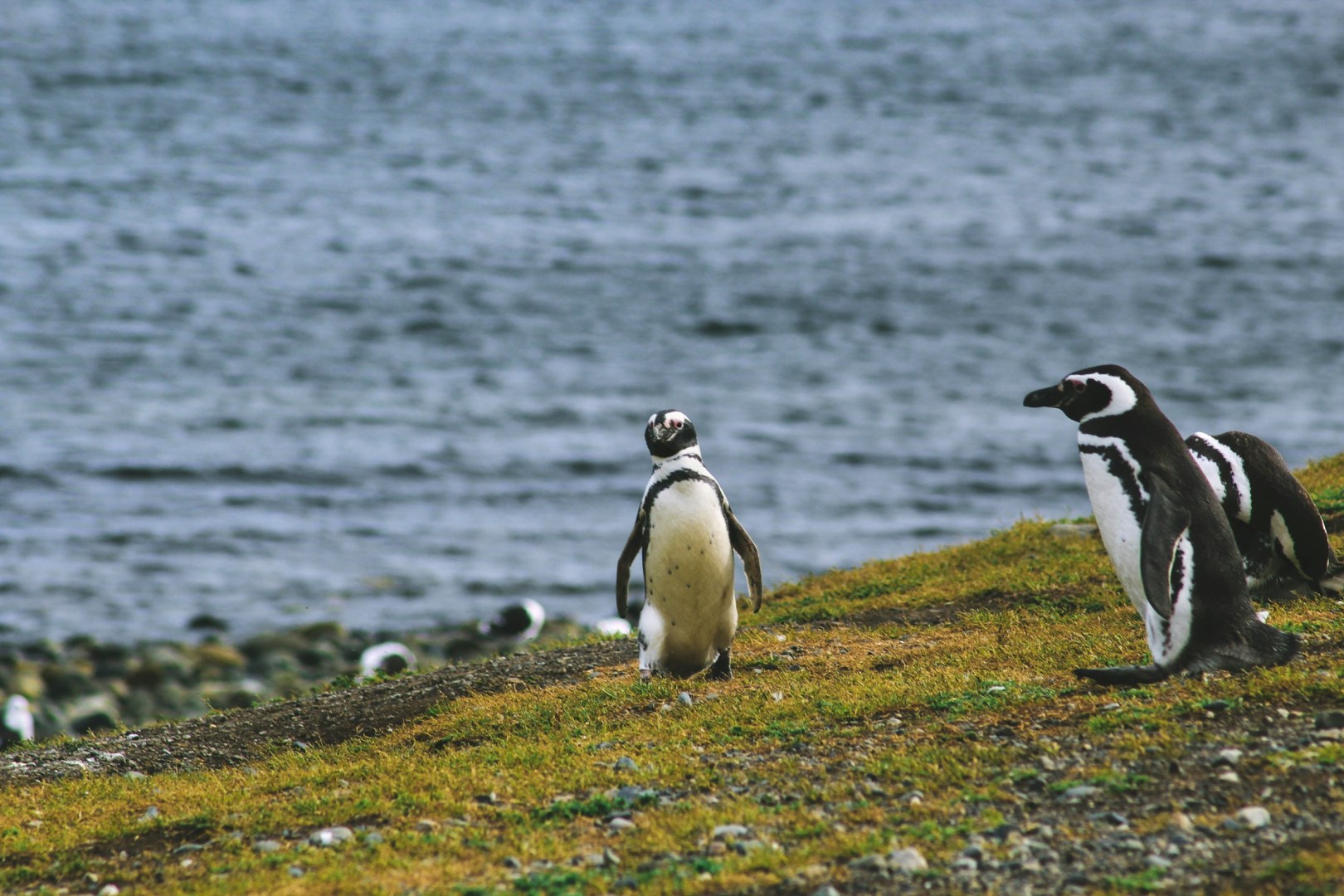
Magdalena Island
Magdalena Island is a small, uninhabited island in the Strait of Magellan, northeast of Punta Arenas in Chilean Patagonia. It forms part of the Magdalena Island National Park, together with nearby Marta Island, and is best known for its large colony of Magellanic penguins. The island consists largely of low, windswept terrain covered with grasses and other hardy vegetation, surrounded by cold waters and exposed to the strong weather of the strait.
