
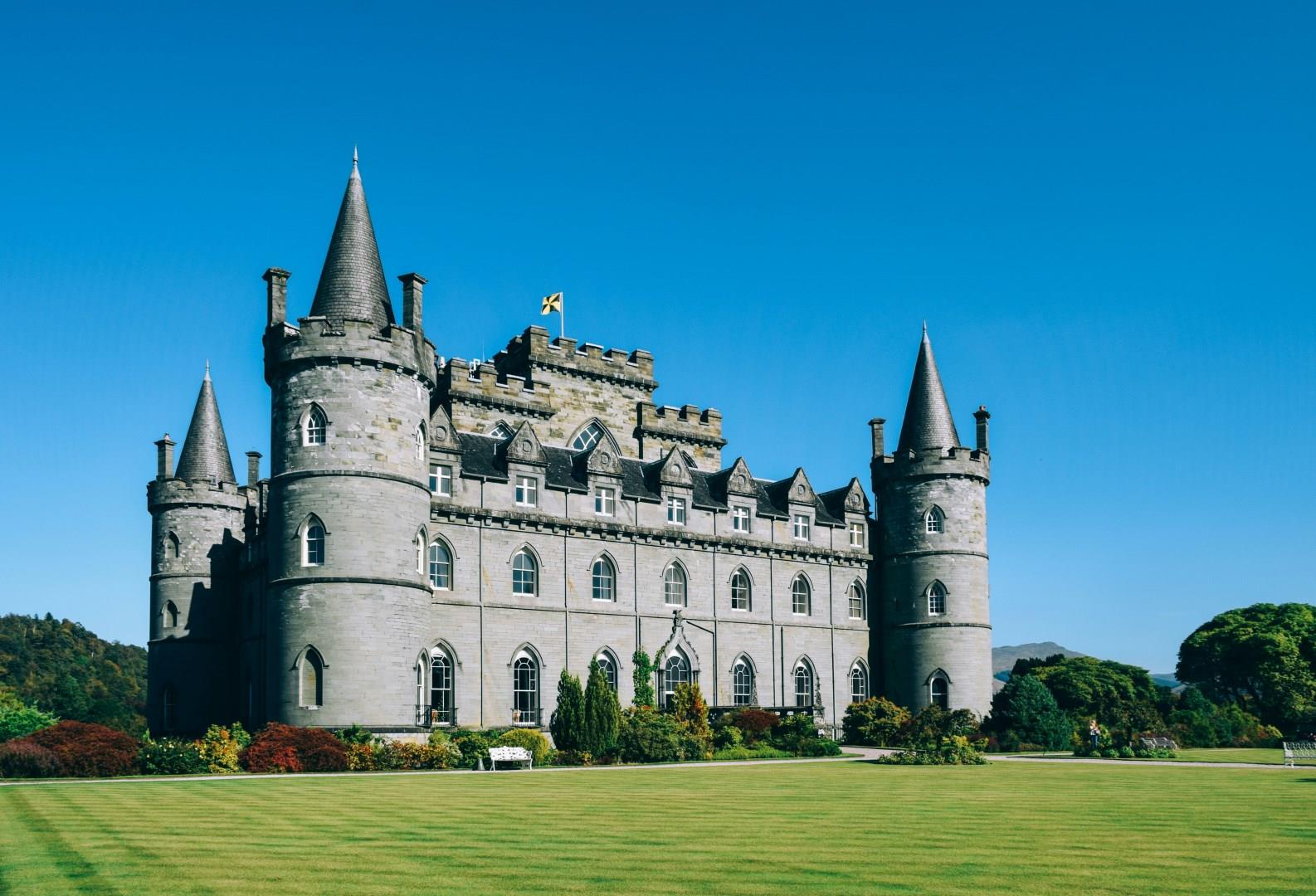
Inveraray
Inveraray, a small town on the western shore of Loch Fyne in Argyll and Bute, Scotland, offers visitors a glimpse into 18th-century planning and Highland heritage. Built largely in the mid-1700s under the direction of the 3rd Duke of Argyll, the town features Georgian architecture, wide streets, and an unusual level of symmetry for a rural Scottish settlement. The main street, lined with whitewashed buildings, leads down to the loch’s edge, where fishing boats and leisure vessels come and go.

Galway
Galway, on Ireland's picturesque west coast, offers a vibrant blend of culture, history, and natural beauty that enchants visitors from around the world. This historic city, often referred to as the "City of the Tribes," was shaped by the seven tribes that dominated it during the medieval period. The city's lively atmosphere is a fusion of traditional Irish charm and modern creativity, evident in its colorful streets and dynamic cultural scene.

Warsaw
Warsaw stands as one of Europe’s most resilient cities, having rebuilt itself almost entirely after World War II. The Old Town, meticulously reconstructed using paintings by Italian artist Bernardo Bellotto, feels centuries old but is, in fact, less than a hundred years in its current form. Behind the medieval facades lie stories of uprisings, resistance, and quiet defiance. Visitors walking through Castle Square can enter the Royal Castle, where Poland’s Constitution of May 3, 1791 was adopted.

Skagway
This small yet charming city in Alaska's panhandle is a throwback to the gold rush era. Skagway is a well-preserved part of Klondike Gold Rush National Historical Park.
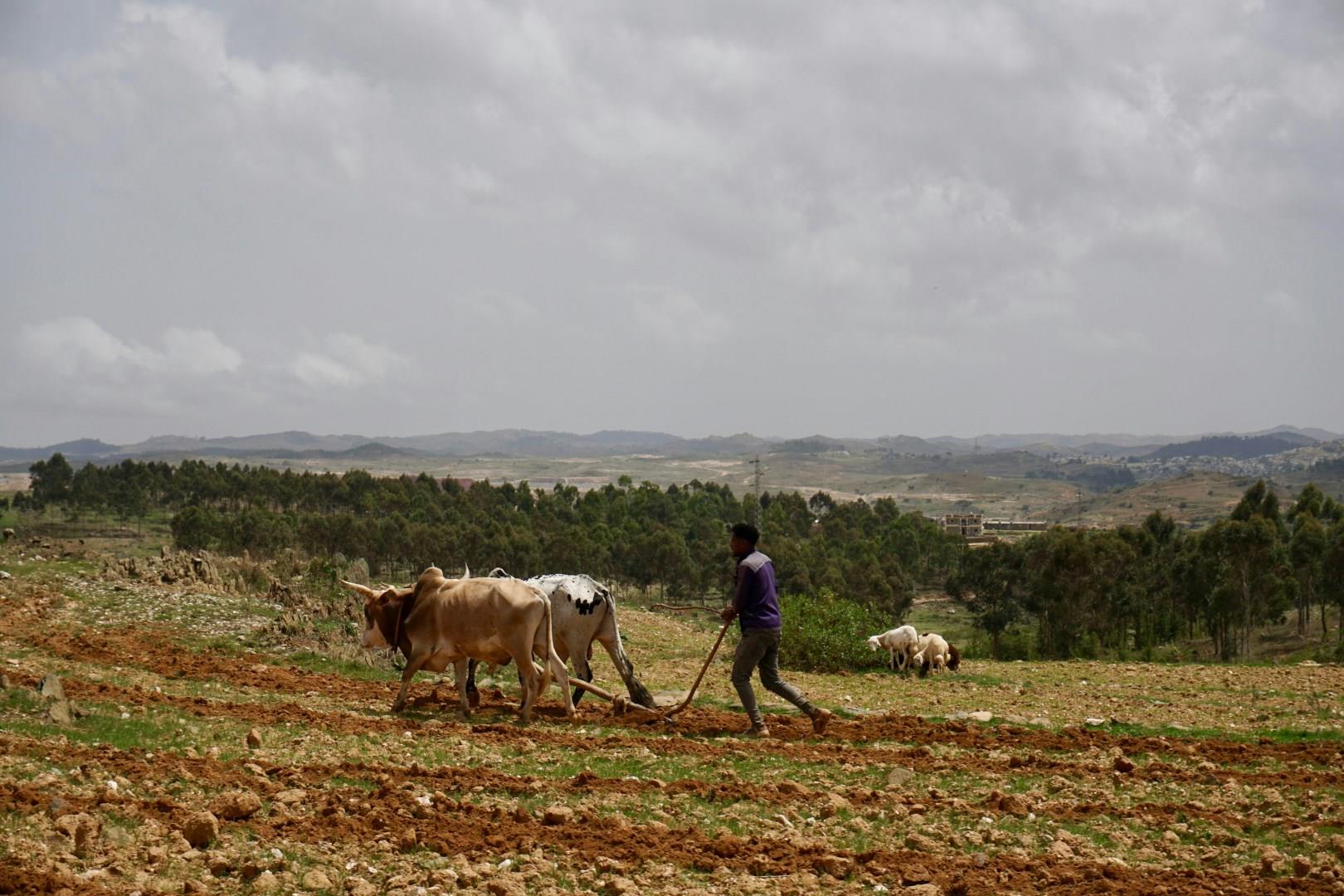
Asmara
Asmara, the capital of Eritrea, is a city where time seems to have paused in the mid-20th century. Known for its remarkably preserved Italian modernist architecture, the city has earned recognition as a UNESCO World Heritage Site.
