
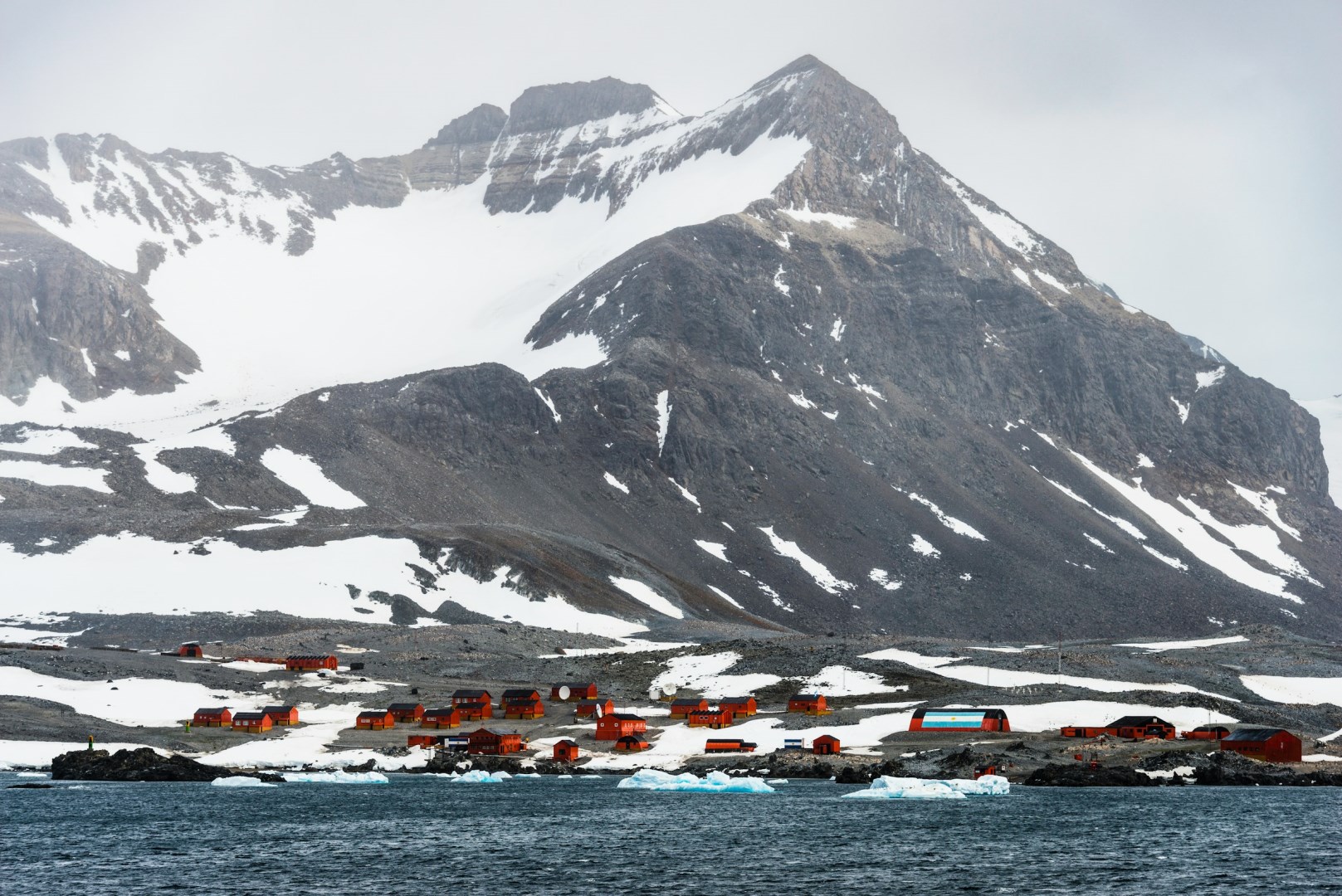
Hope Bay
The bay’s environment supports a variety of Antarctic wildlife. Gentoo penguins breed around the shoreline, while skuas and other seabirds can be seen near the colony. Weddell seals and Antarctic fur seals may also occur in the area, particularly around beaches and sea ice. Mount Flora and the surrounding slopes provide a striking backdrop, with exposed rock contrasting against snowfields and glaciers.
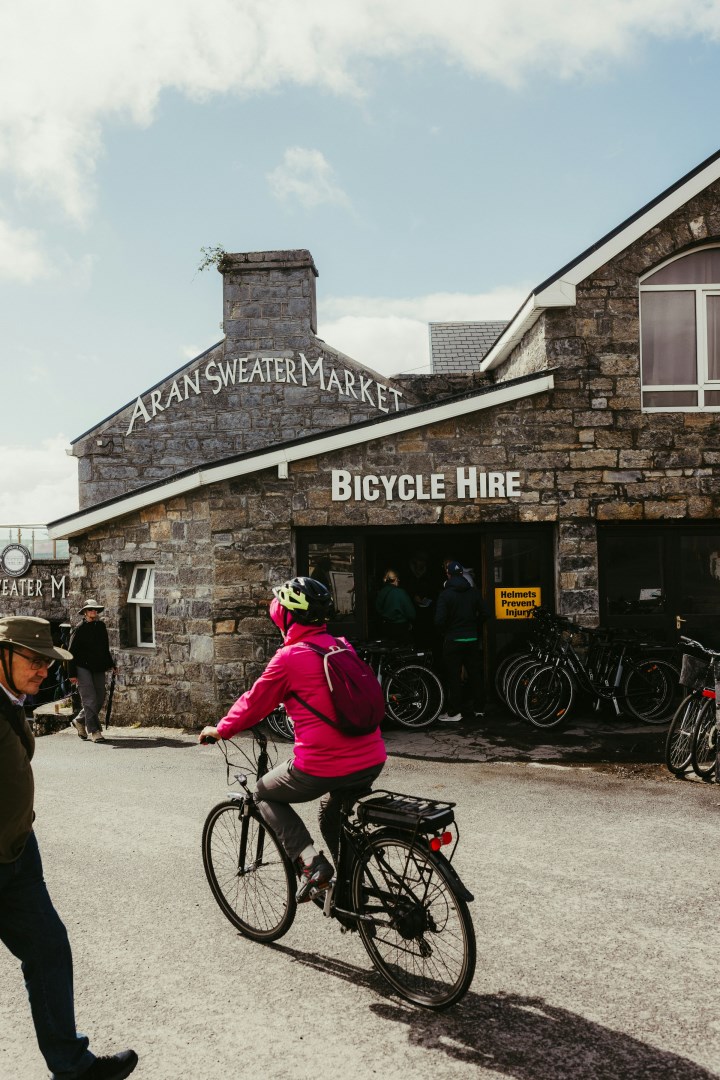
Aran Islands
The Aran Islands lie at the mouth of Galway Bay on Ireland’s west coast and comprise three inhabited islands: Inis Mór, Inis Meáin, and Inis Oírr. Their landscapes are defined by limestone terraces, stone walls, small fields, sea cliffs, and exposed coastal ground shaped by Atlantic weather. The islands are known for their distinctive dry-stone walls, which divide much of the farmland into small plots.
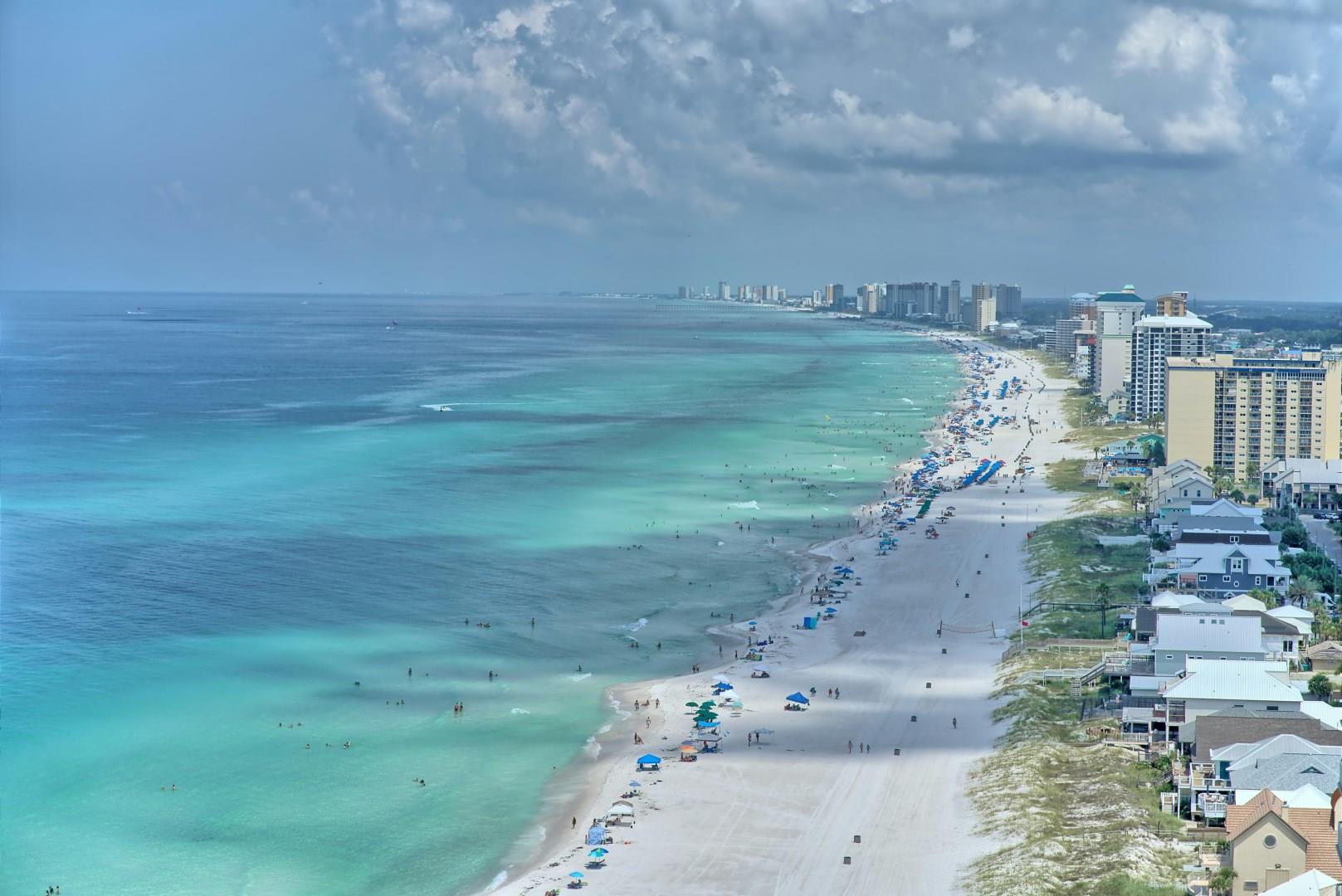
Panama City
Panama City, Florida, sits along the Gulf Coast where maritime history and modern beach culture intersect. Originally tied to shipbuilding and fishing, the city developed around St. Andrews Bay, which still anchors local identity through working marinas and long-established neighborhoods.
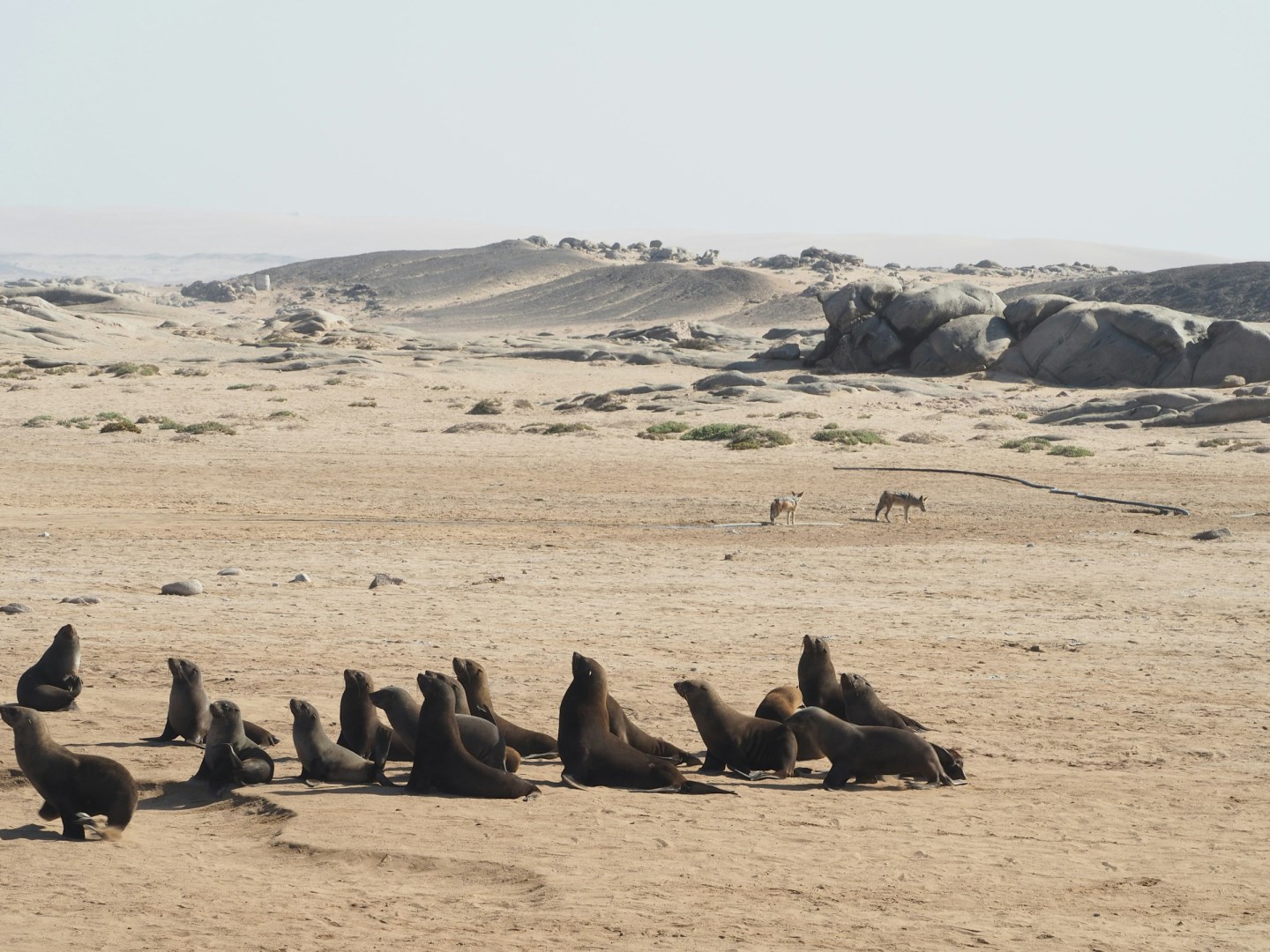
Skeleton Coast National Park
Skeleton Coast National Park stretches for about 500 kilometres along Namibia’s northwestern Atlantic coast, from the Ugab River toward the Kunene River. The park covers roughly 16,390 square kilometres of beaches, dunes, gravel plains, ephemeral riverbeds, canyons, and rugged mountain landscapes. Cold Atlantic water from the Benguela Current helps produce frequent coastal fog, which can extend inland across the desert.

Langkawi
Nestled in the Andaman Sea, Langkawi is an idyllic island escape renowned for its pristine beaches, lush landscapes, and vibrant culture. This Malaysian archipelago, comprising over 100 islands, boasts a range of natural wonders, including the Langkawi Sky Bridge, an architectural marvel suspended 700 meters above ground.
