
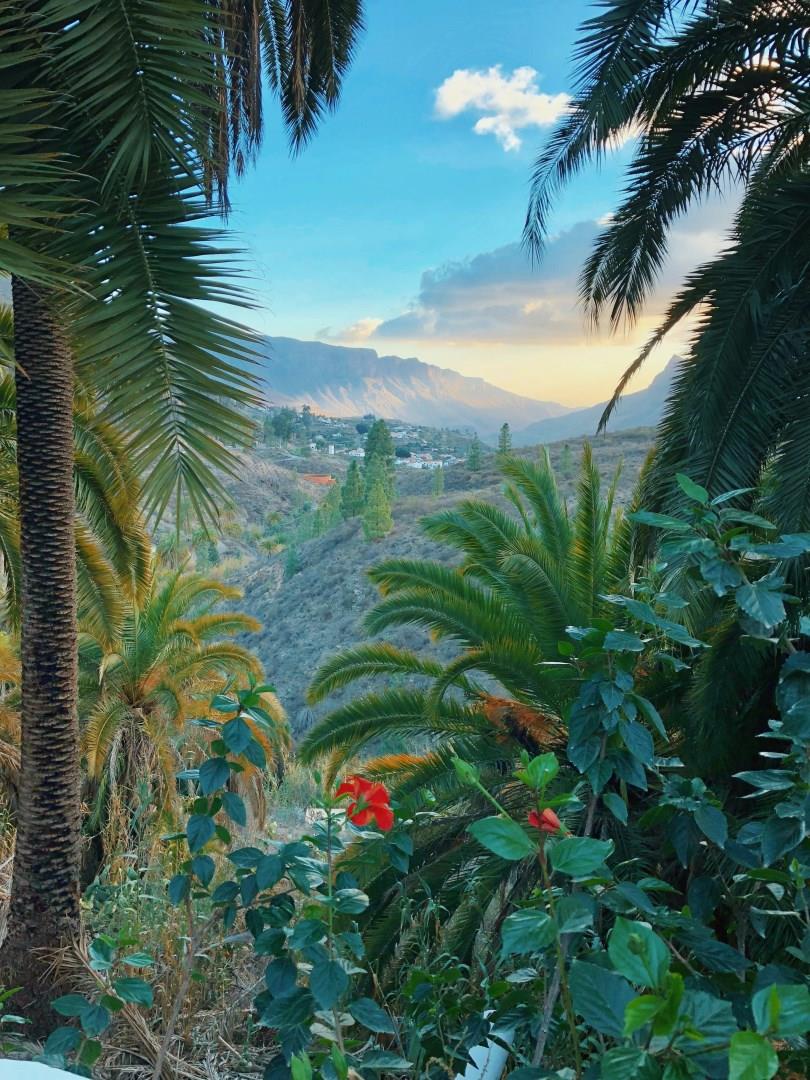
Gran Canaria
There is no other place with such a variety of scenery - deserts, mountains, lush tropical vegetation, and valleys filled with thousands of banana trees. Agriculture here offers everything: lime trees, vine-yards, coffee plantations, sugar cane, almond, tomato and banana crops, as well as, pine and palm forests.
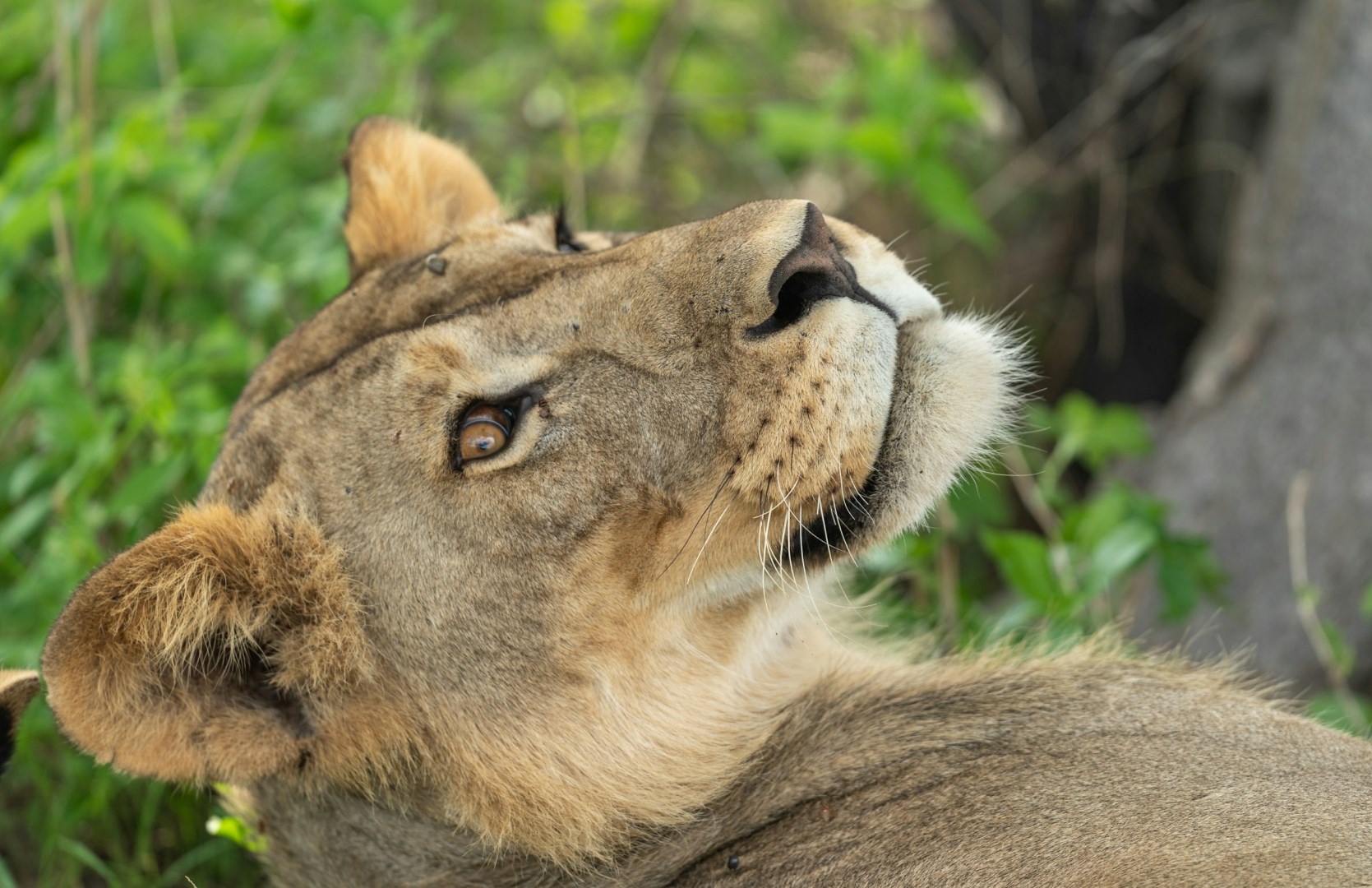
Ruaha National Park
Ruaha National Park is a vast protected area in south-central Tanzania, covering about 20,226 square kilometres. The park is defined by a varied landscape of open savanna, miombo woodland, rocky hills, seasonal rivers, and large baobab trees. The Great Ruaha River forms one of its most important natural features, providing water and supporting wildlife across the surrounding plains.
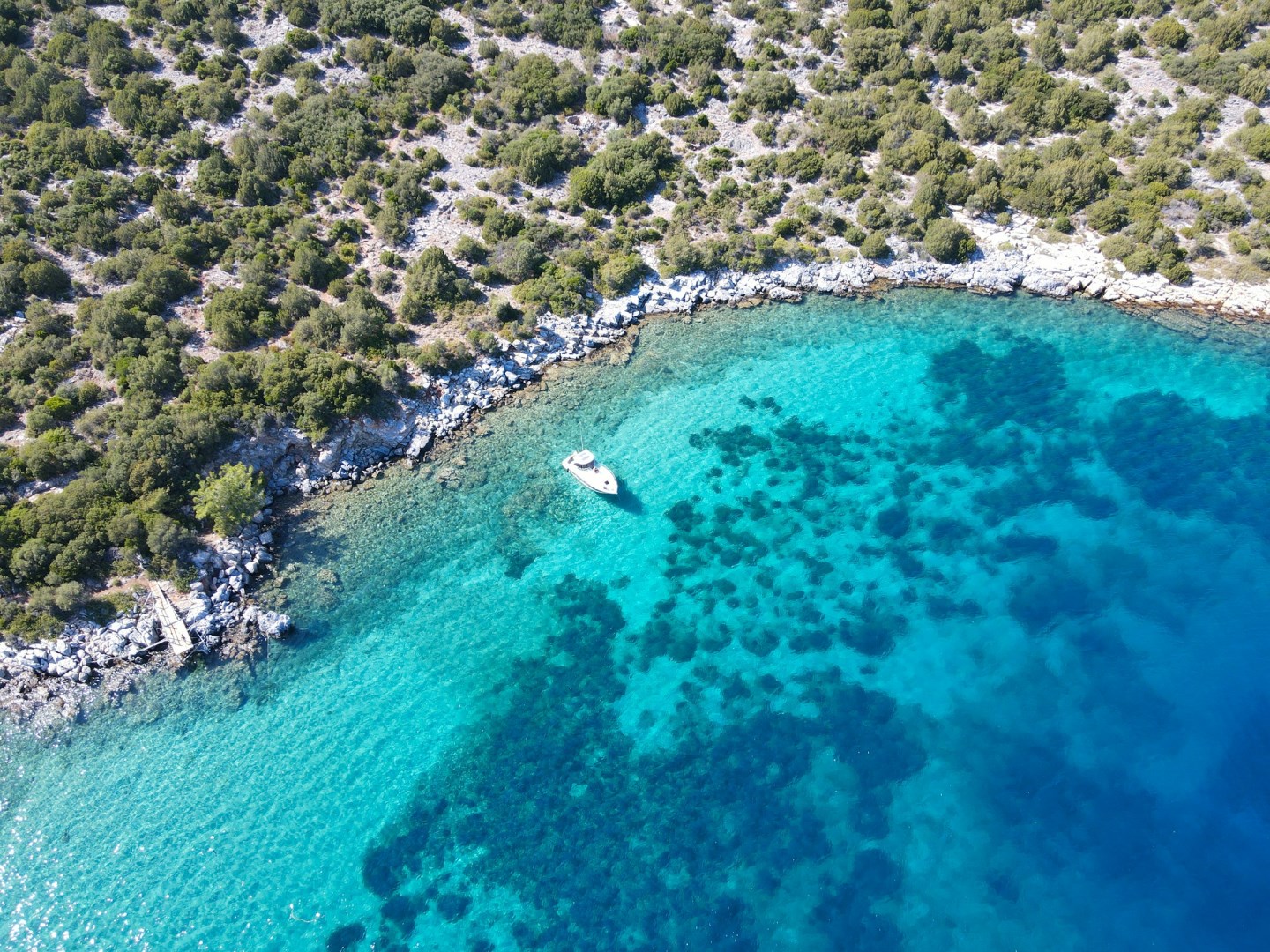
Samos
This hilly Aegean island, legendary birthplace of the goddess Hera, rests along a narrow strait across from the Turkish coast. Stroll through the streets of Old Town, lined with Turkish-style houses. Visit the Archarological Museum, housing artifacts from the Hearion, and be sure to view the lighted harbor at night. Also explore the 6th century AD Eupalina Tunnel, an enormous aqueduct built through the mountains to supply the city with water.
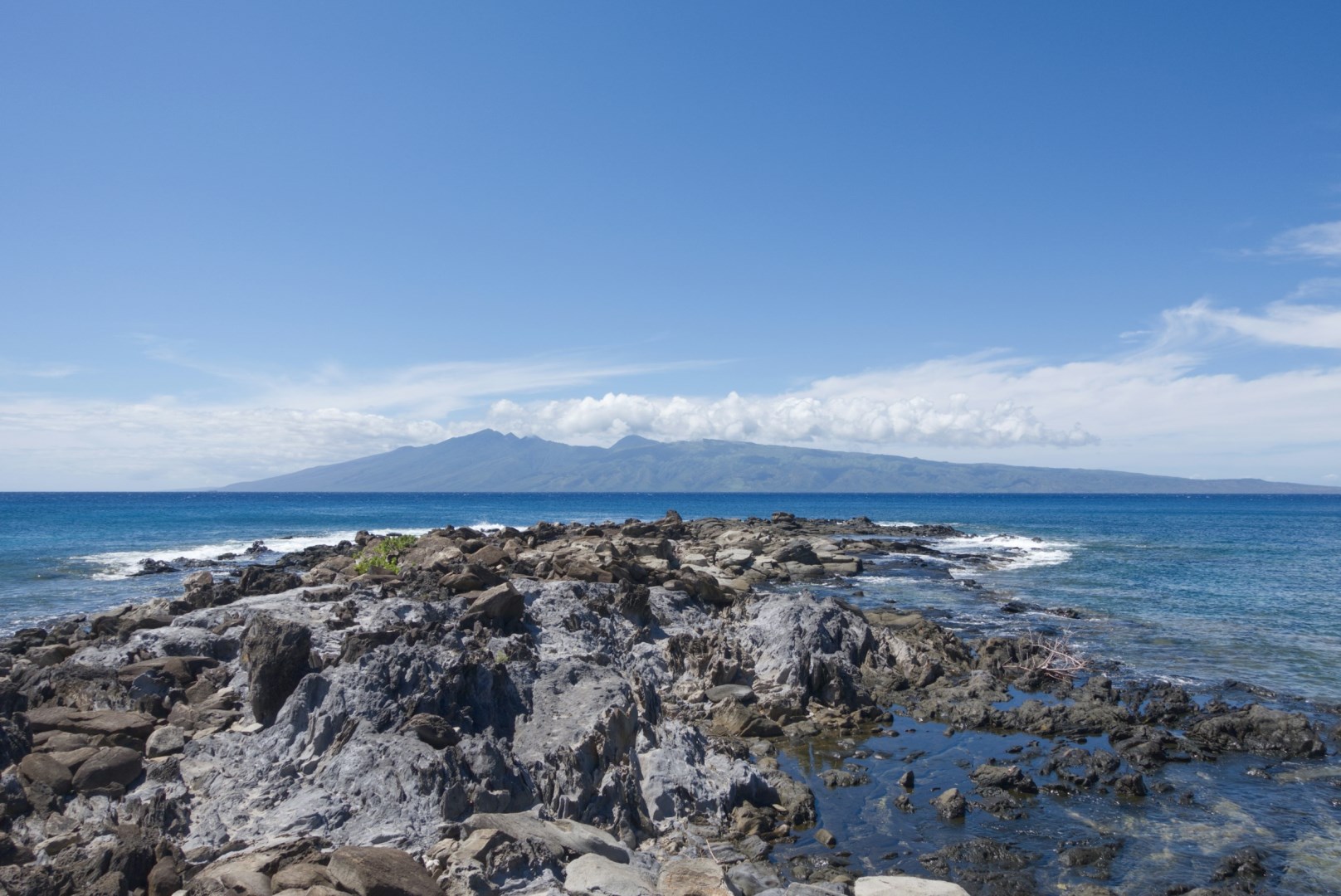
Molokai Island
Molokai, island, in Kalawao County, administered by Maui County, central Hawaii, between Oahu and Maui islands, known as the Friendly Island. On the southern coast of Molokai is the port of Kaunakakai. The island rises to 1512 m (4961 ft) in the east at Kamakou Peak. Pineapples, coffee, and cattle are raised. In 1873Father Damien, the Belgian Roman Catholic missionary, began his work in the leper colony of Kalawao on the Kalaupapa Peninsula of northern Molokai.

St. Jean de Luz
Nestled along the Basque coast in southwestern France, St-Jean-de-Luz is a picturesque fishing town that exudes a unique blend of French elegance and Basque charm. Known for its beautiful sandy beaches and its well-preserved old town, St-Jean-de-Luz is a gem of the French Basque Country.
