

Tata
Set along the edge of the Anti-Atlas and the northern reaches of the desert, Tata offers a landscape shaped by sun, stone, and water. The town sits within a wide oasis valley, where palm groves stretch across the land in sharp contrast to the surrounding dry hills. Life here depends on careful use of water, and visitors quickly notice how every field and garden is planned with purpose. The result is a setting that feels both remote and deeply connected to the land.
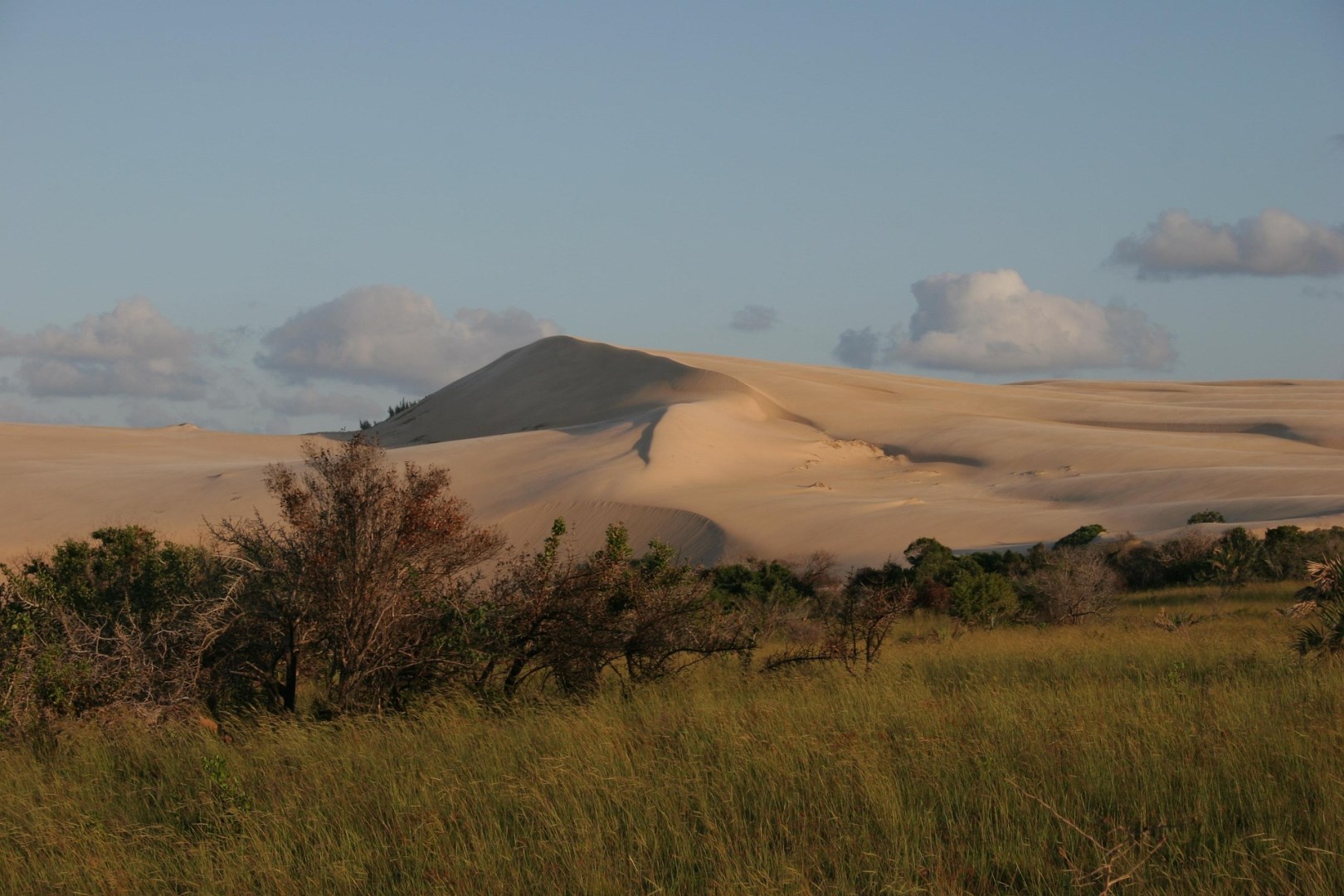
Bazaruto Archipelago
The islands have long been connected to coastal communities whose livelihoods include fishing and small-scale trade. Traditional dhow boats remain part of the maritime landscape, linking island and mainland communities across the archipelago. Local culture reflects the wider coastal heritage of Inhambane Province, where African, Swahili, and Indian Ocean influences have shaped food, language, music, and commerce.

Nuva Hiva
Nuku Hiva, the largest island in the Marquesas archipelago, offers an unparalleled escape into Polynesian paradise. This rugged island is renowned for its dramatic landscapes, characterized by lush valleys, towering cliffs, and volcanic peaks.

Marsaxlokk
Nestled along the southeastern coast of Malta, Marsaxlokk is a charming fishing village that offers an authentic glimpse into the island's maritime heritage. Renowned for its picturesque harbor filled with traditional "Luzzu" boats painted in vibrant blues, reds, and yellows, Marsaxlokk is a feast for the senses. These iconic boats, each adorned with the Eye of Osiris for protection, are a symbol of Malta’s deep-rooted cultural ties to the sea.

Constanta
Almost every modern scene in Constanta, Romania, is juxtaposed against 4th century Roman relics.
