
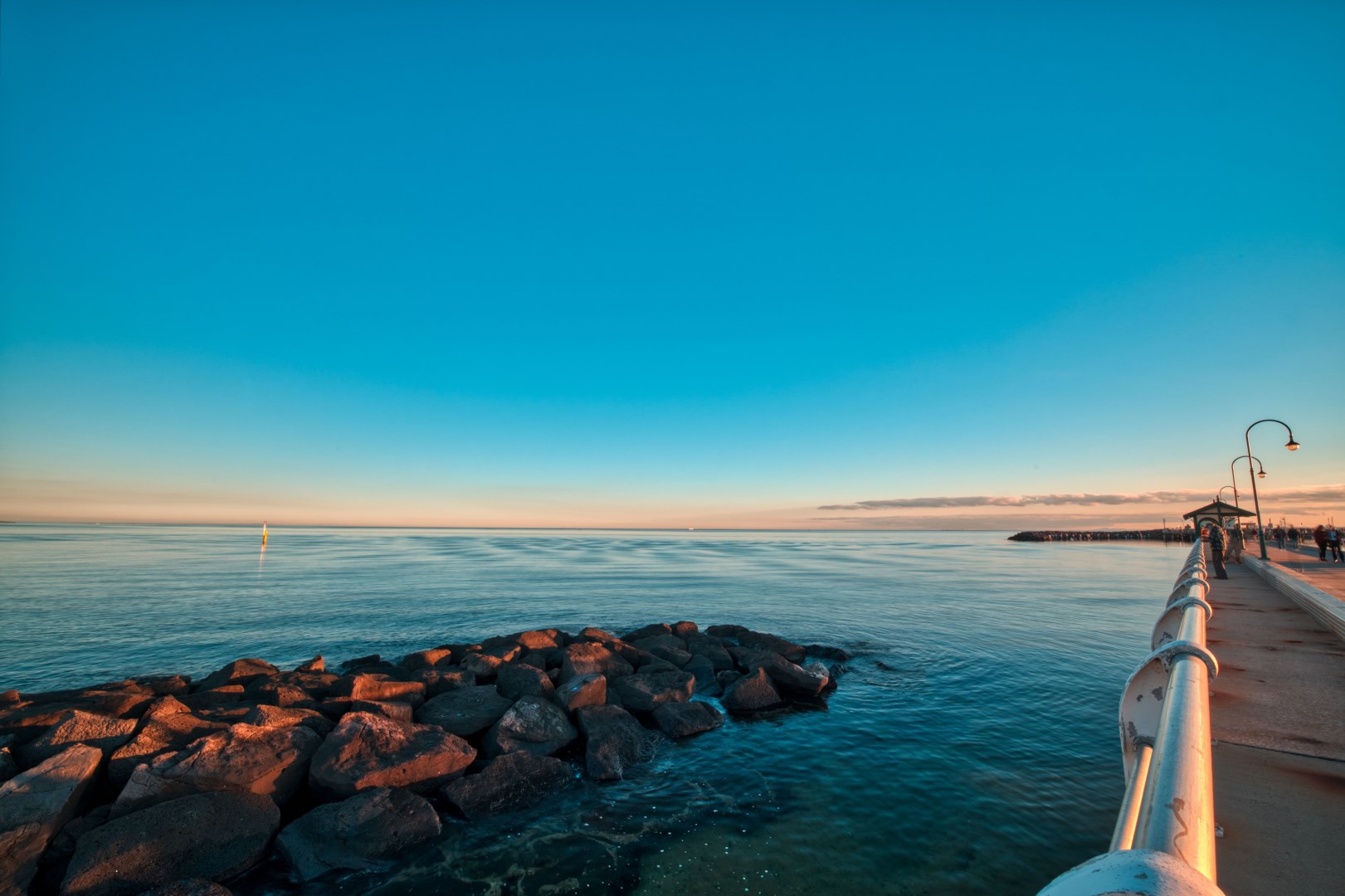
St. Kilda
Set along the shoreline of St Kilda, Victoria, Australia, this seaside suburb offers a relaxed coastal setting just minutes from central Melbourne, Victoria, Australia. Its wide promenade, lined with palm trees, draws both locals and visitors who come to walk, cycle, or simply watch the bay. The historic St Kilda Pier stretches into the water, offering open views of Port Phillip Bay and a steady breeze that carries the scent of salt and sea.
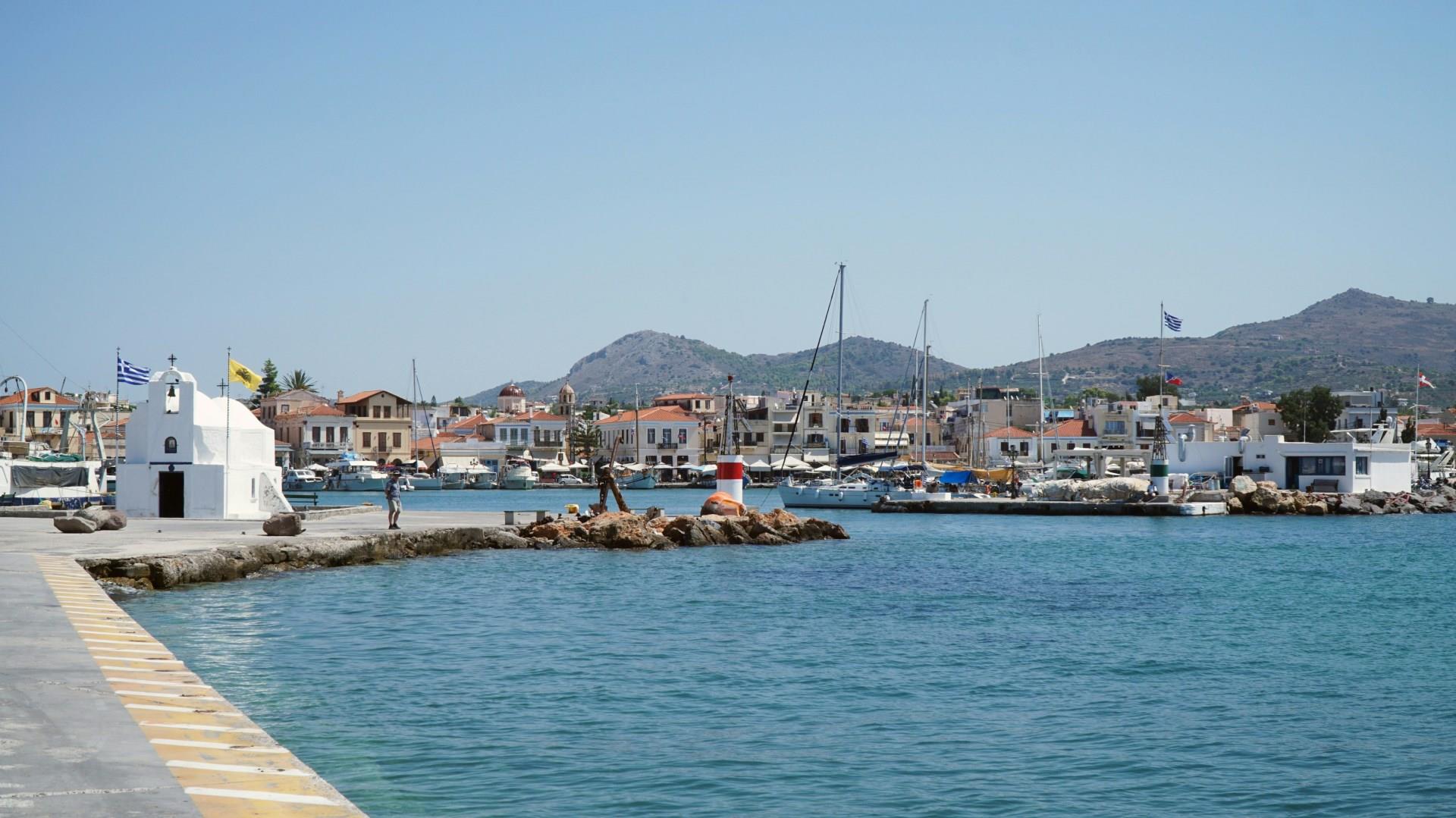
Aegina
Aegina, one of the Saronic Islands of Greece, is a short ferry ride from Athens yet feels far removed from the capital’s energy. Known since antiquity as a thriving maritime and cultural center, the island still preserves echoes of its past in archaeological sites and traditional villages.
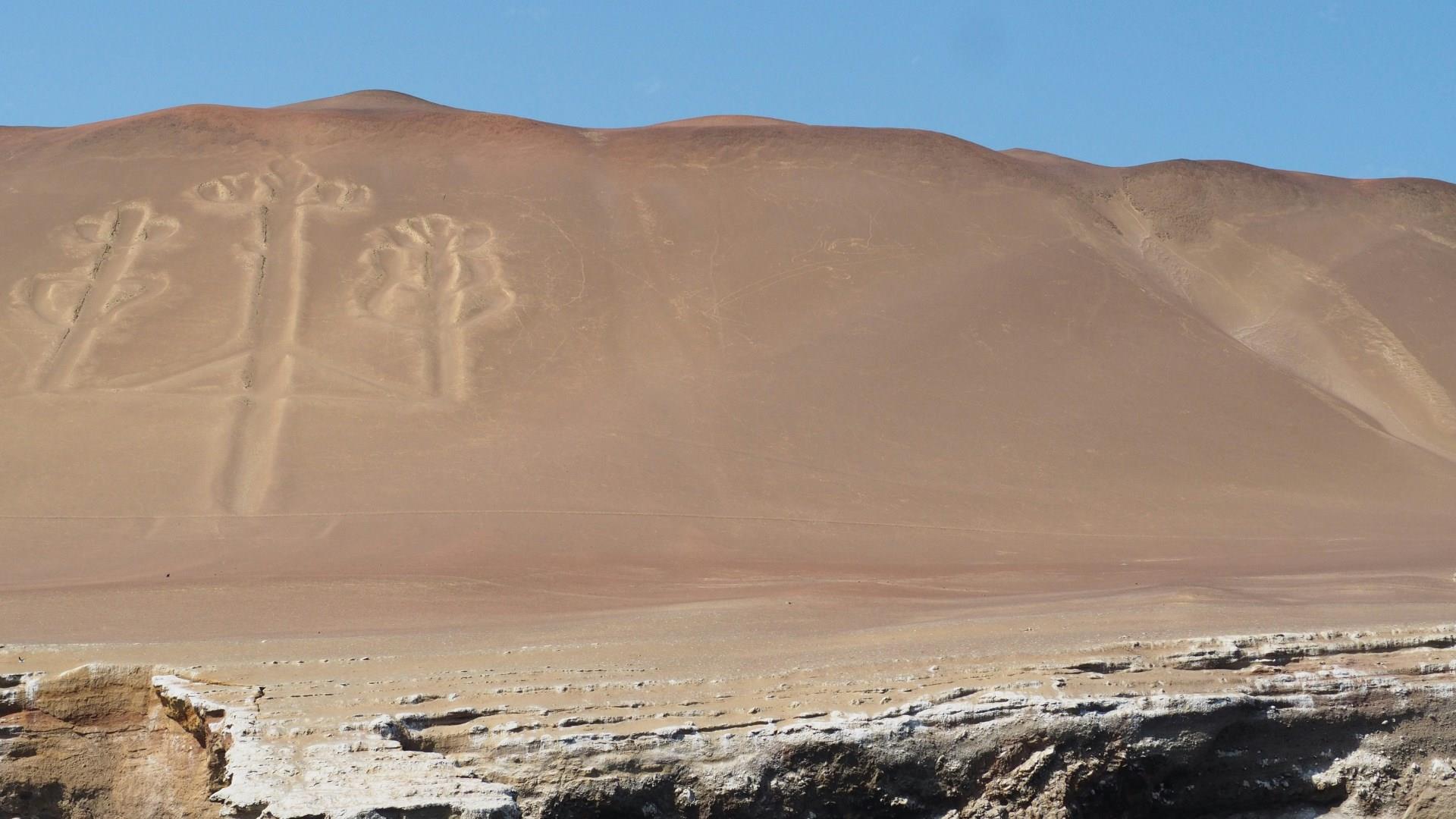
Paracas
Paracas, a small coastal town in southern Peru, offers a mix of desert landscapes, marine wildlife, and ancient history. Just three hours from Lima, it’s the gateway to the Paracas National Reserve, one of the country’s most important protected areas. This reserve includes both land and sea, making it home to dramatic cliffs, wind-carved rock formations, and waters where dolphins, sea lions, and Humboldt penguins are frequently seen.
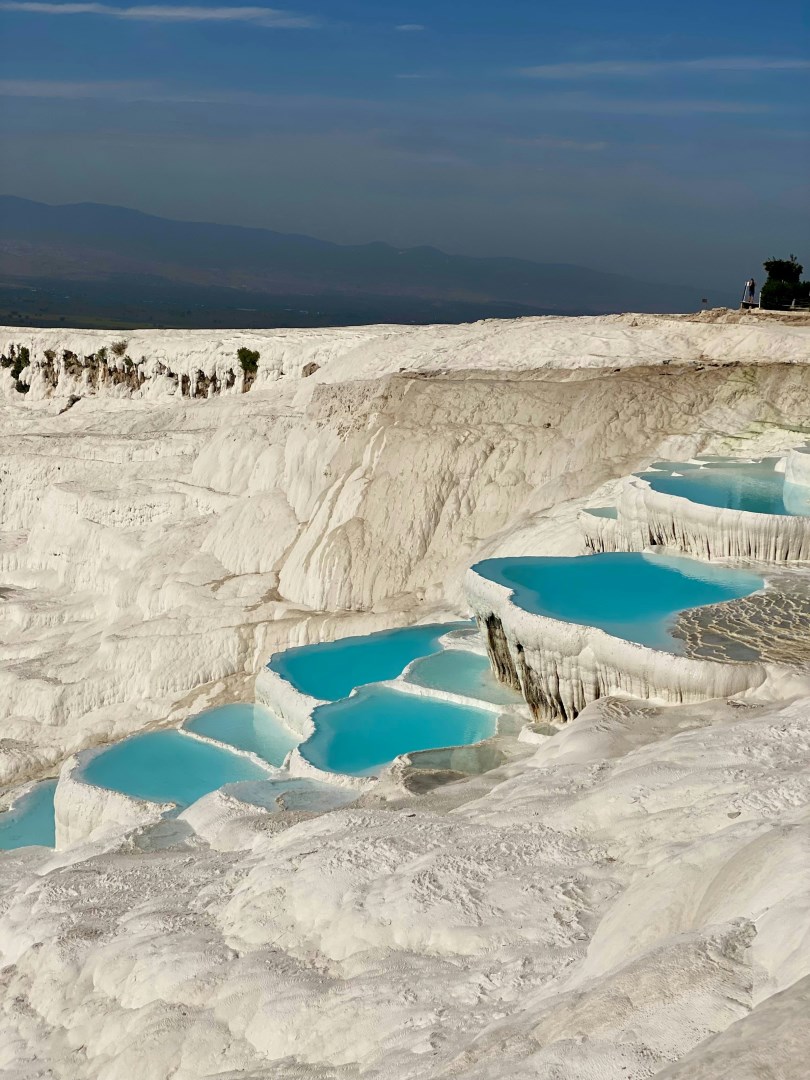
Pamukkale
Pamukkale is a fairyland of dazzling white, petrified castles. It is a magical and spectacular natural site, unique in the world. Thermal spring waters laden with calcareous salts running off the plateau's edge, have created this fantastic formation of stalactites, cataracts and basins.
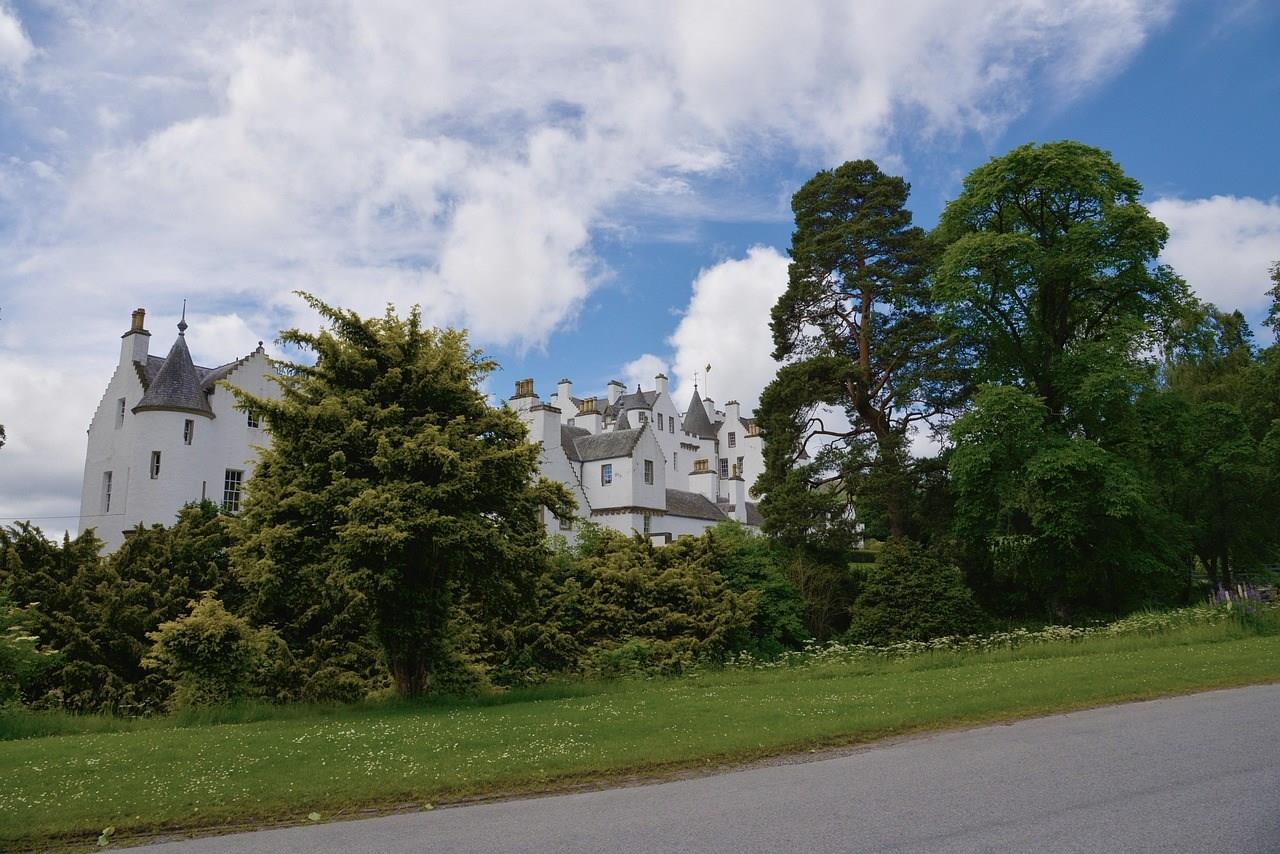
Blair Atholl
Blair Atholl, a village in the heart of Highland Perthshire, Scotland, is best known as the home of Blair Castle, a striking white-walled fortress that has stood for over seven centuries.
