

Vukovar
Vukovar, a city in eastern Croatia, stands as a poignant symbol of resilience and beauty. Its rich history is etched into its architecture and monuments, telling the story of its resilience during the Croatian War of Independence.
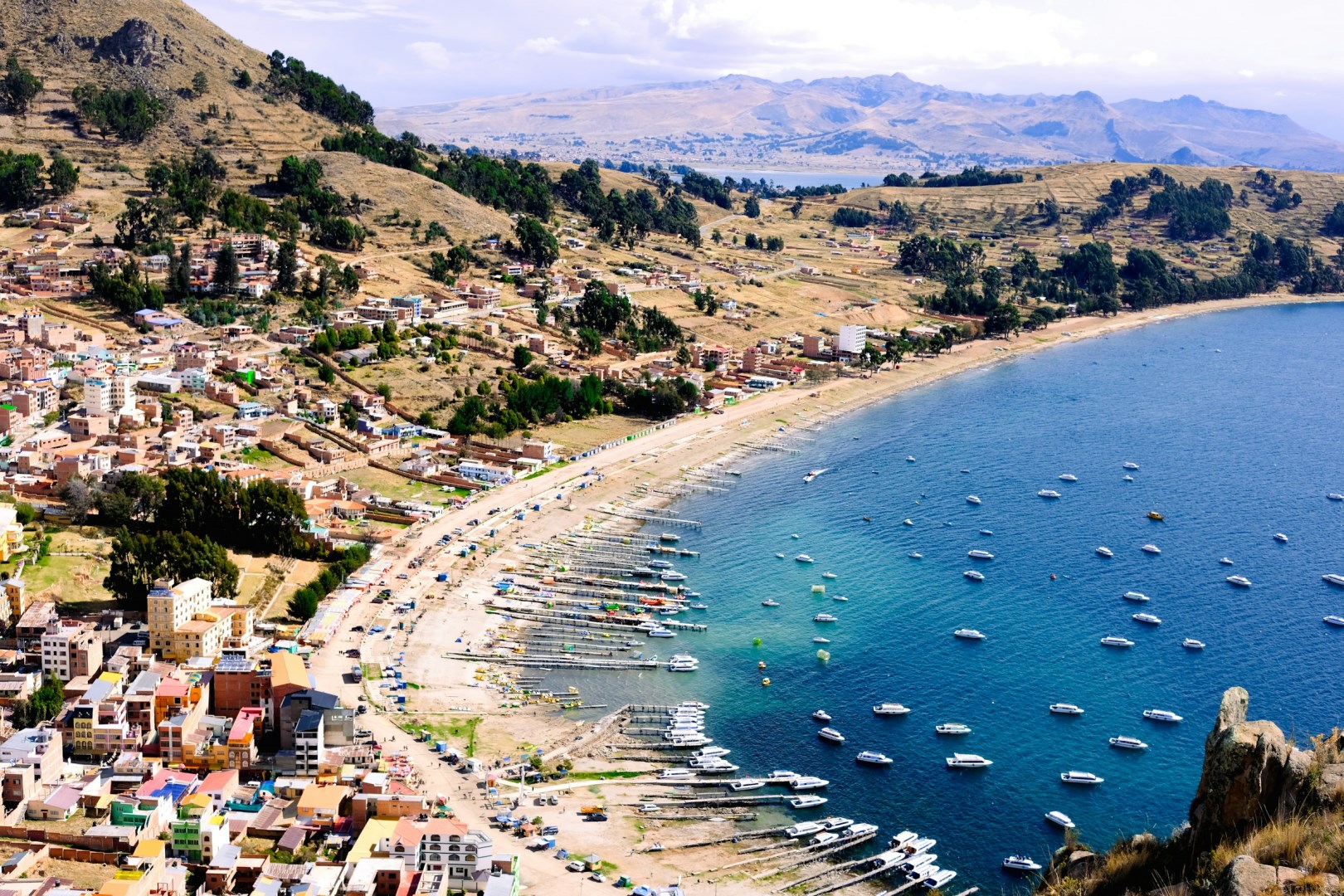
Copacabana
Copacabana is a lakeside town in western Bolivia, situated on the shores of Lake Titicaca near the Peruvian border. Its setting between the lake and the surrounding hills gives it a distinctive highland landscape, with views extending across the deep blue waters toward the distant mountains. Copacabana is one of Bolivia’s main gateways to Lake Titicaca and serves as a starting point for boat trips to Isla del Sol and nearby islands.
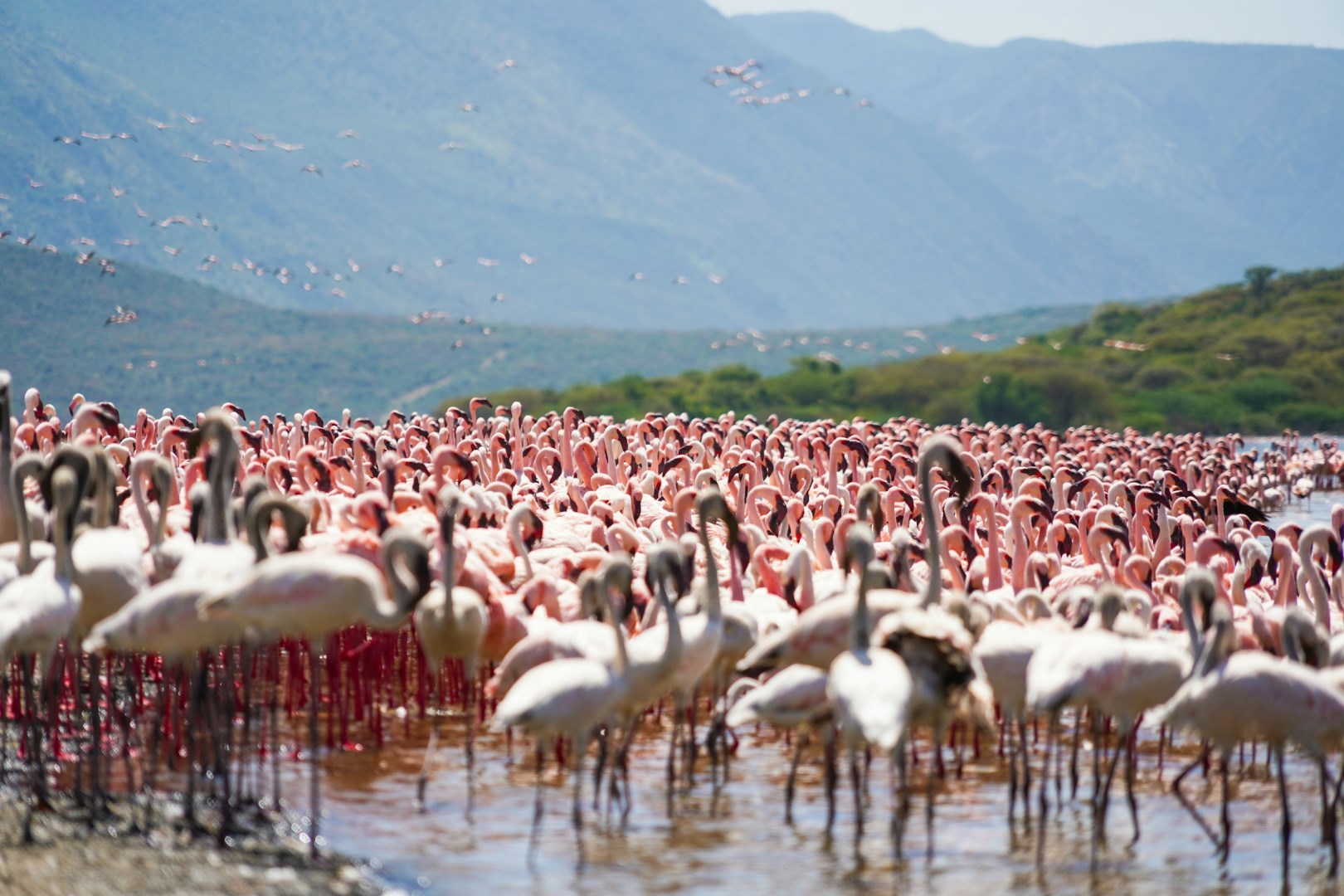
Lake Bogoria
Lake Bogoria is a saline lake in Kenya’s Great Rift Valley, lying south of Lake Baringo and surrounded by volcanic hills and escarpments. The lake occupies a long, narrow basin with no permanent surface outlet, allowing minerals to accumulate in its waters. Its shoreline contains hot springs, geysers, mud pools, and other geothermal features created by the region’s volcanic activity. The combination of a shallow alkaline lake and an active geothermal landscape makes Lake Bogoria one of the most
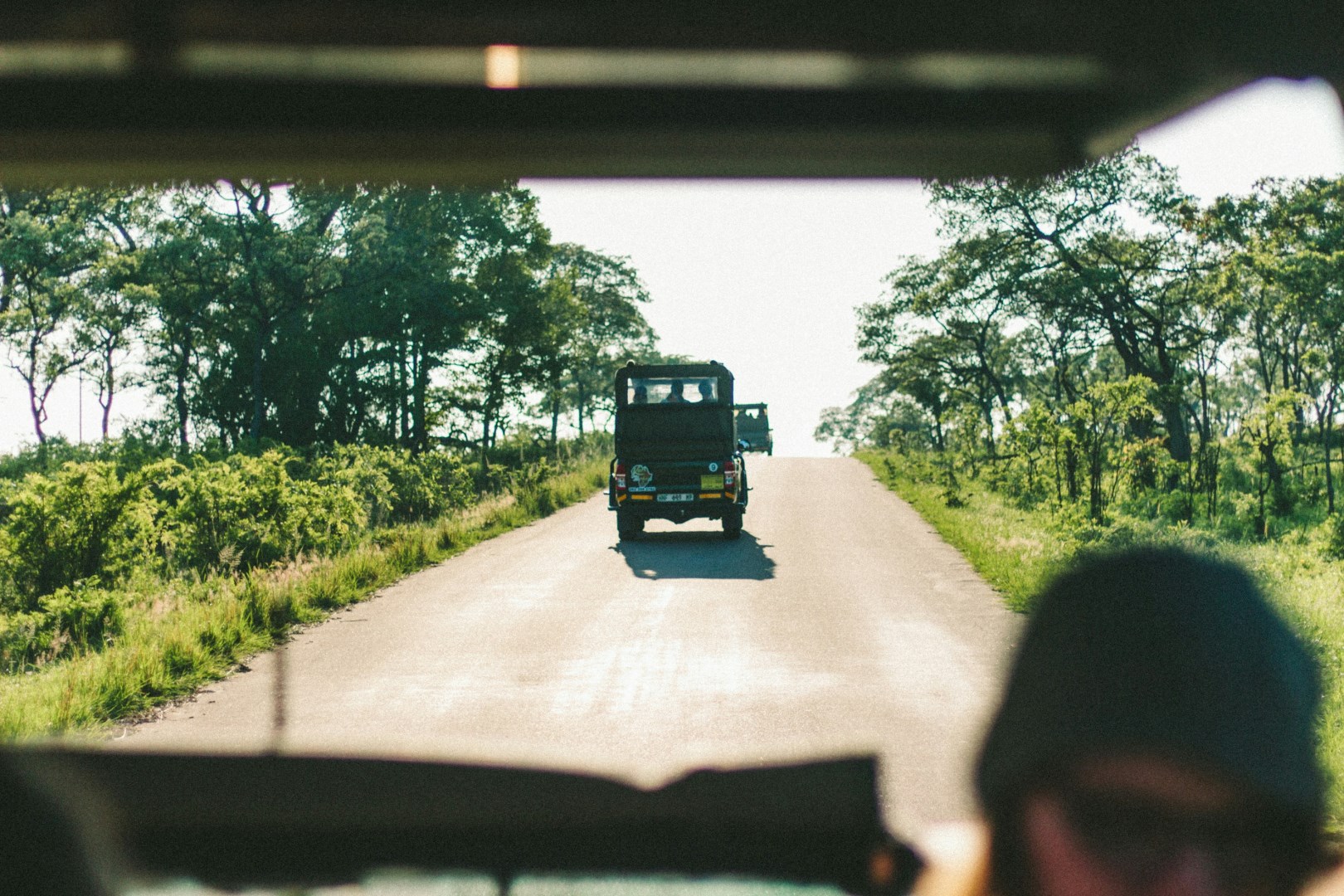
Hazyview
Hazyview is a small town in Mpumalanga Province in northeastern South Africa, positioned near the southern entrance of Kruger National Park.
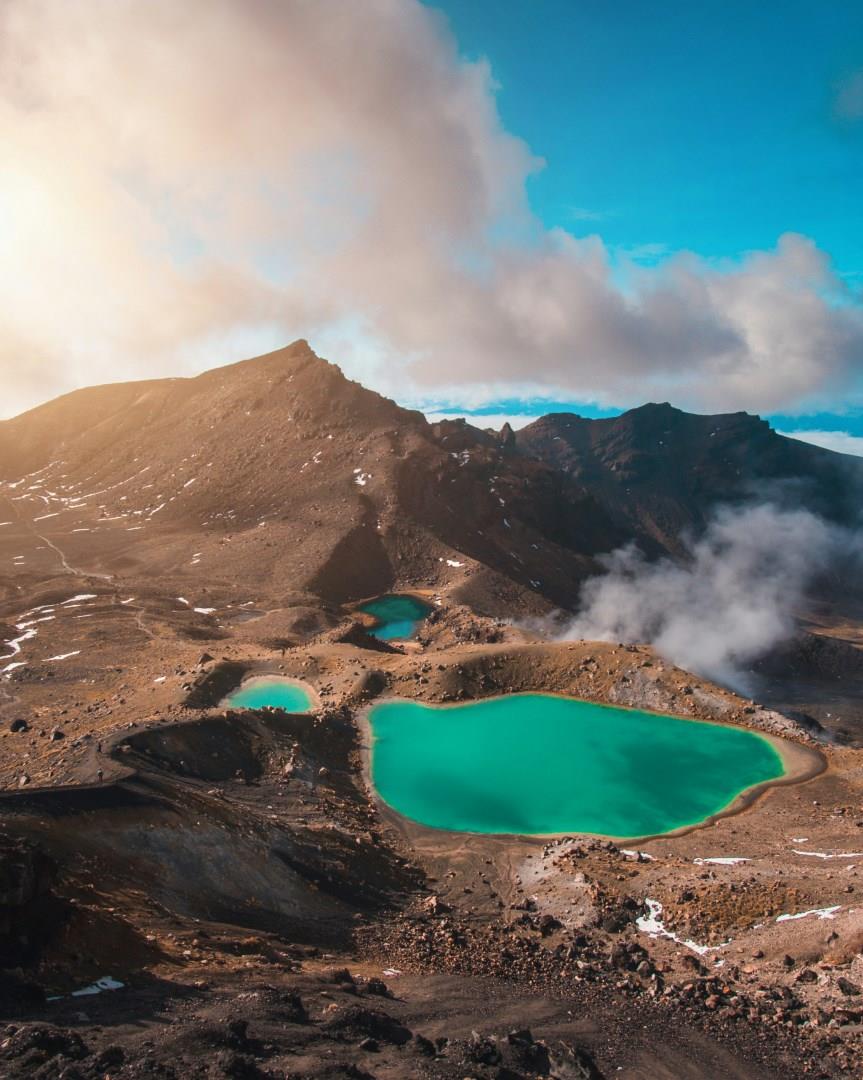
Tongariro National Park
Tongariro National Park, on New Zealand’s North Island, holds deep cultural meaning as well as striking geological presence. It was the country’s first national park, gifted to the nation by Ngāti Tūwharetoa chiefs in the 19th century, establishing a model that tied conservation to Māori guardianship. The volcanic peaks of Tongariro, Ngāuruhoe, and Ruapehu are considered ancestors, giving the landscape a living cultural identity rather than a purely scenic one.
