

Palenque
Palenque, nestled in the lush jungles of Chiapas, Mexico, offers an enthralling glimpse into the grandeur of the ancient Maya civilization. The city is renowned for its well-preserved ruins, which include the majestic Temple of the Inscriptions, where the tomb of the ruler Pakal the Great was discovered in 1952.
Kaziranga National Park
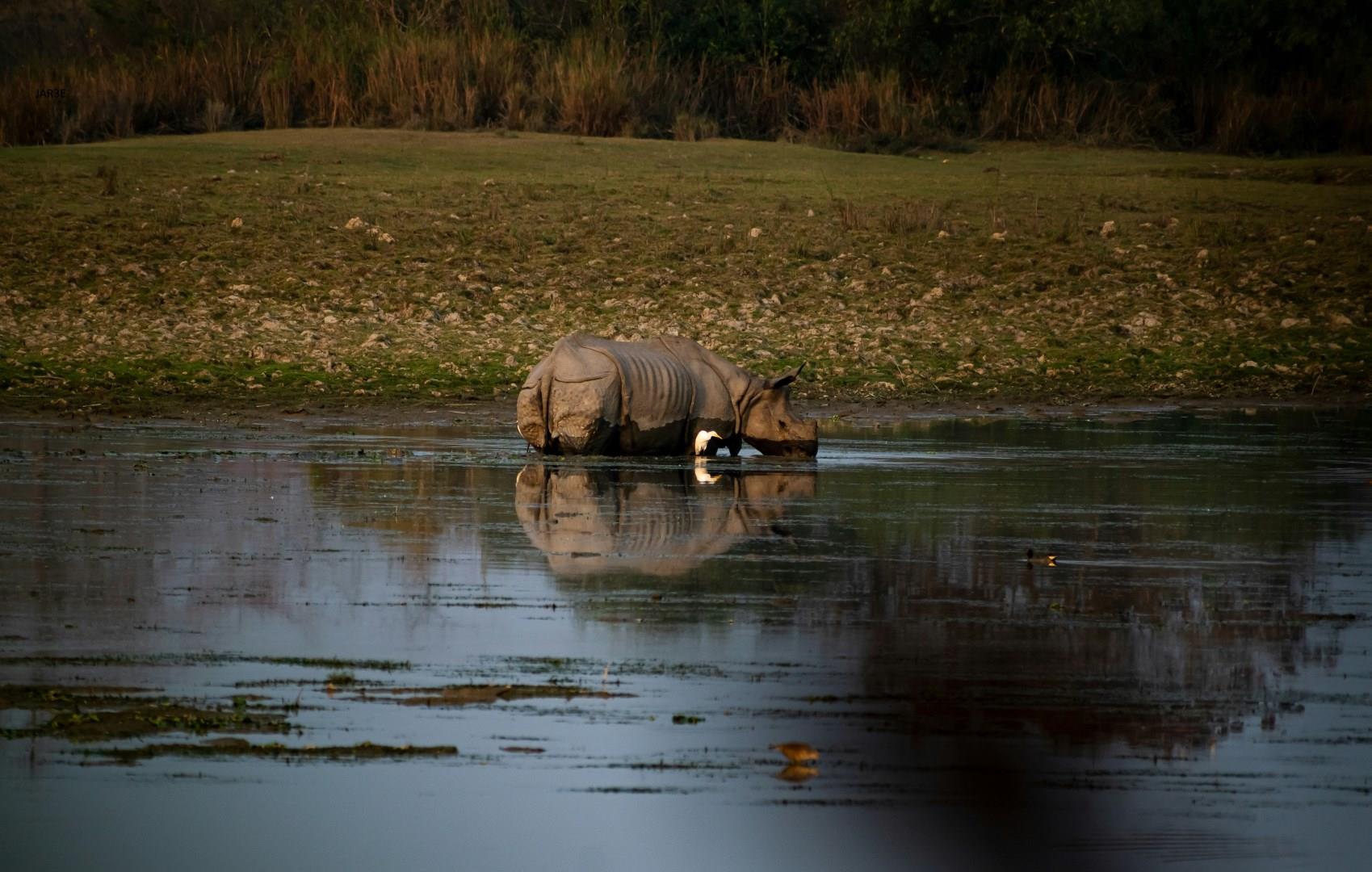
Kaziranga National Park stretches across the floodplains of the Brahmaputra River in Assam, shaped as much by water as by wildlife. Established in the early 20th century, it became central to conservation efforts in India, most notably for the greater one-horned rhinoceros. The park’s history reflects a long negotiation between protection, seasonal flooding, and the human communities that live around its edges.
Vatican City
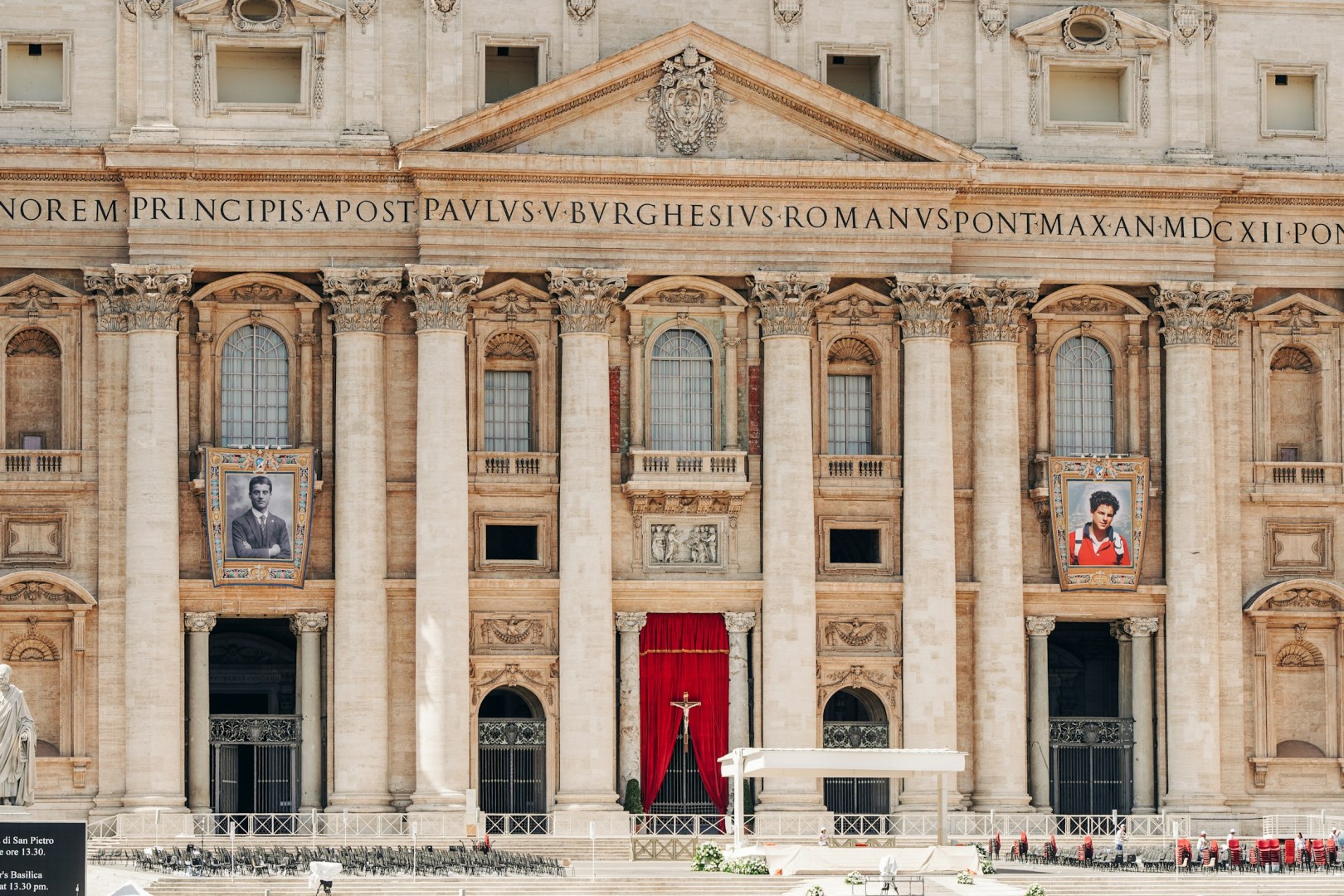
Vatican City is a sovereign city-state enclosed within Rome and the smallest independent state in the world by territory. Its compact area contains major religious, artistic, and architectural landmarks associated with the Catholic Church. At its center is St Peter’s Square, framed by the sweeping colonnade designed by Gian Lorenzo Bernini and leading to St Peter’s Basilica, built over the traditional site of the tomb of the Apostle Peter.
Kilauea, Hawaii
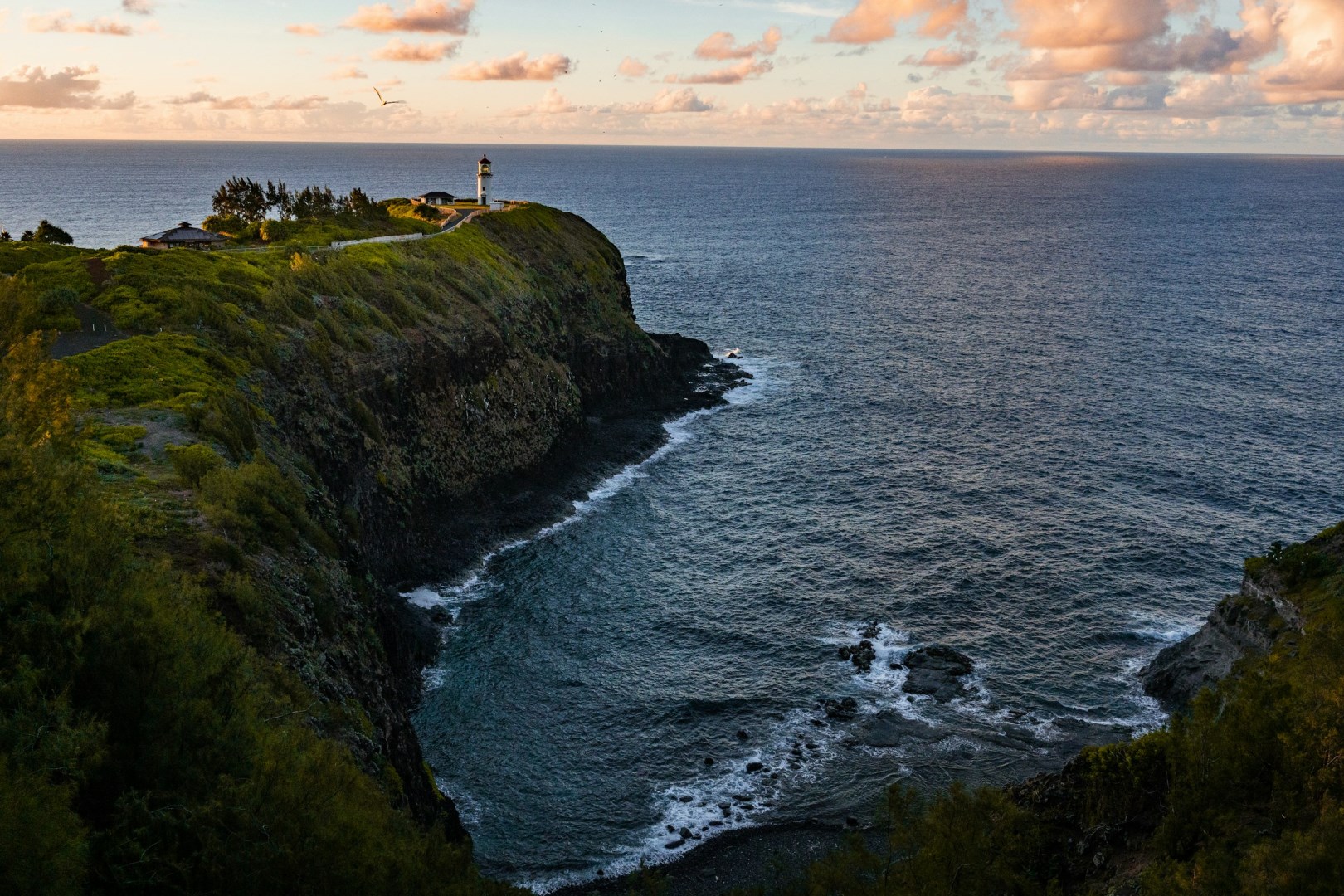
Kilauea is the world's largest active volcanic mass, located southeastern Hawaii Island. The central feature of Hawaii Volcanoes National Park is an elongated dome built of lava eruptions from a central crater and from lines of craters extending along east and southwest riffs or fissures.

Rhinebeck
Rhinebeck is a village in Dutchess County in the Hudson Valley, set among rolling farmland, wooded hills, and communities along the eastern side of the Hudson River. Its compact center is known for historic buildings, independent shops, restaurants, galleries, and the long-established Beekman Arms. The surrounding town extends toward the river through rural landscapes and the hamlet of Rhinecliff, where rail service connects the area with destinations along the Hudson.
