

Angkor Ban
A visit to Angkor Ban offers a unique opportunity to step back in time and witness a Cambodia that remains untouched by modern development. Whether admiring the historic wooden houses, visiting the temple, or engaging with friendly locals, travelers will find this riverside village a rewarding cultural experience.
Tongariro National Park
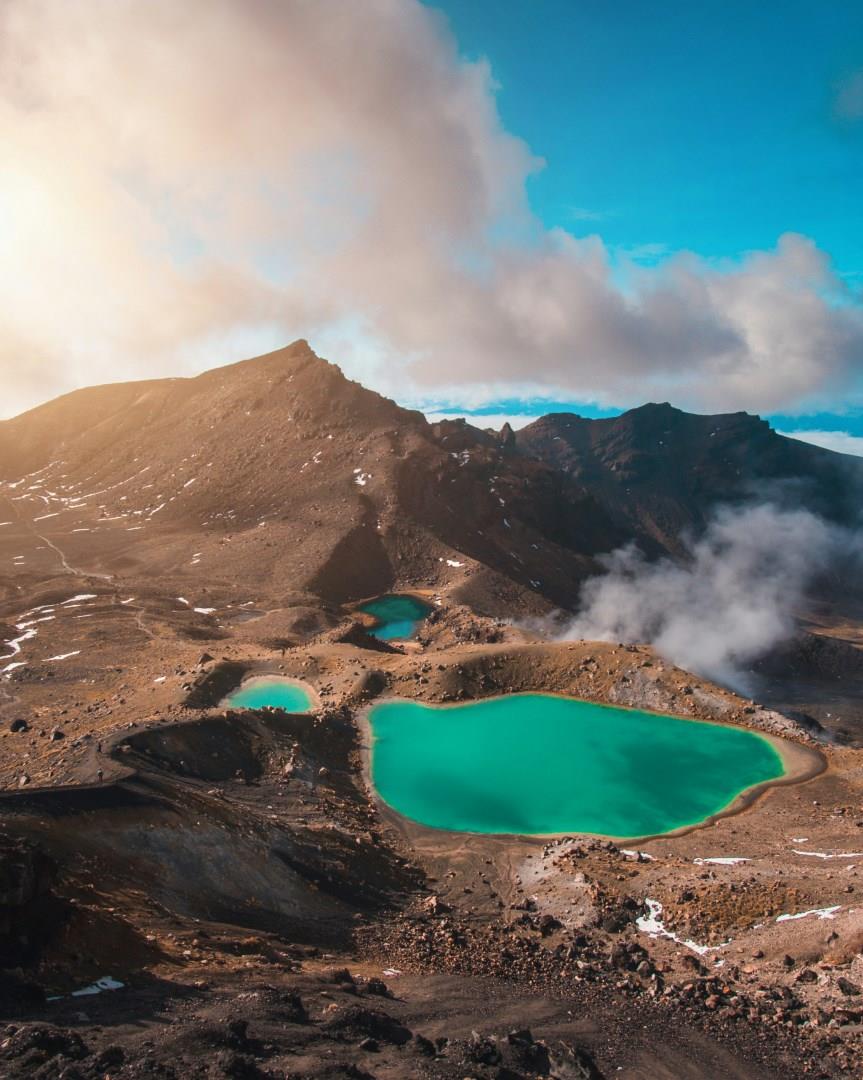
Tongariro National Park, on New Zealand’s North Island, holds deep cultural meaning as well as striking geological presence. It was the country’s first national park, gifted to the nation by Ngāti Tūwharetoa chiefs in the 19th century, establishing a model that tied conservation to Māori guardianship. The volcanic peaks of Tongariro, Ngāuruhoe, and Ruapehu are considered ancestors, giving the landscape a living cultural identity rather than a purely scenic one.
Lac Abbe
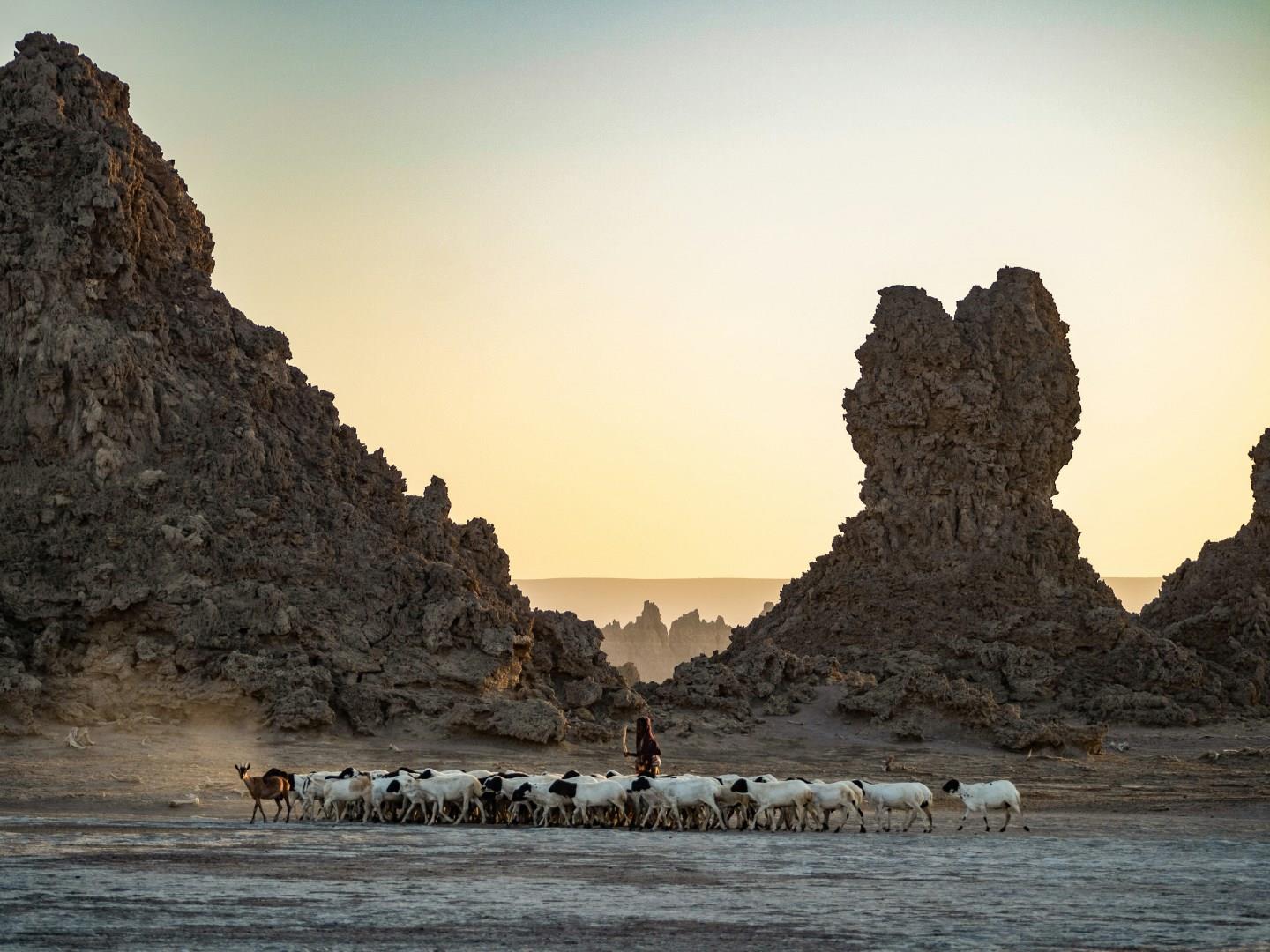
Lac Abbe, straddling the border between Djibouti and Ethiopia, is one of East Africa’s most otherworldly landscapes.
Cape Perpetua
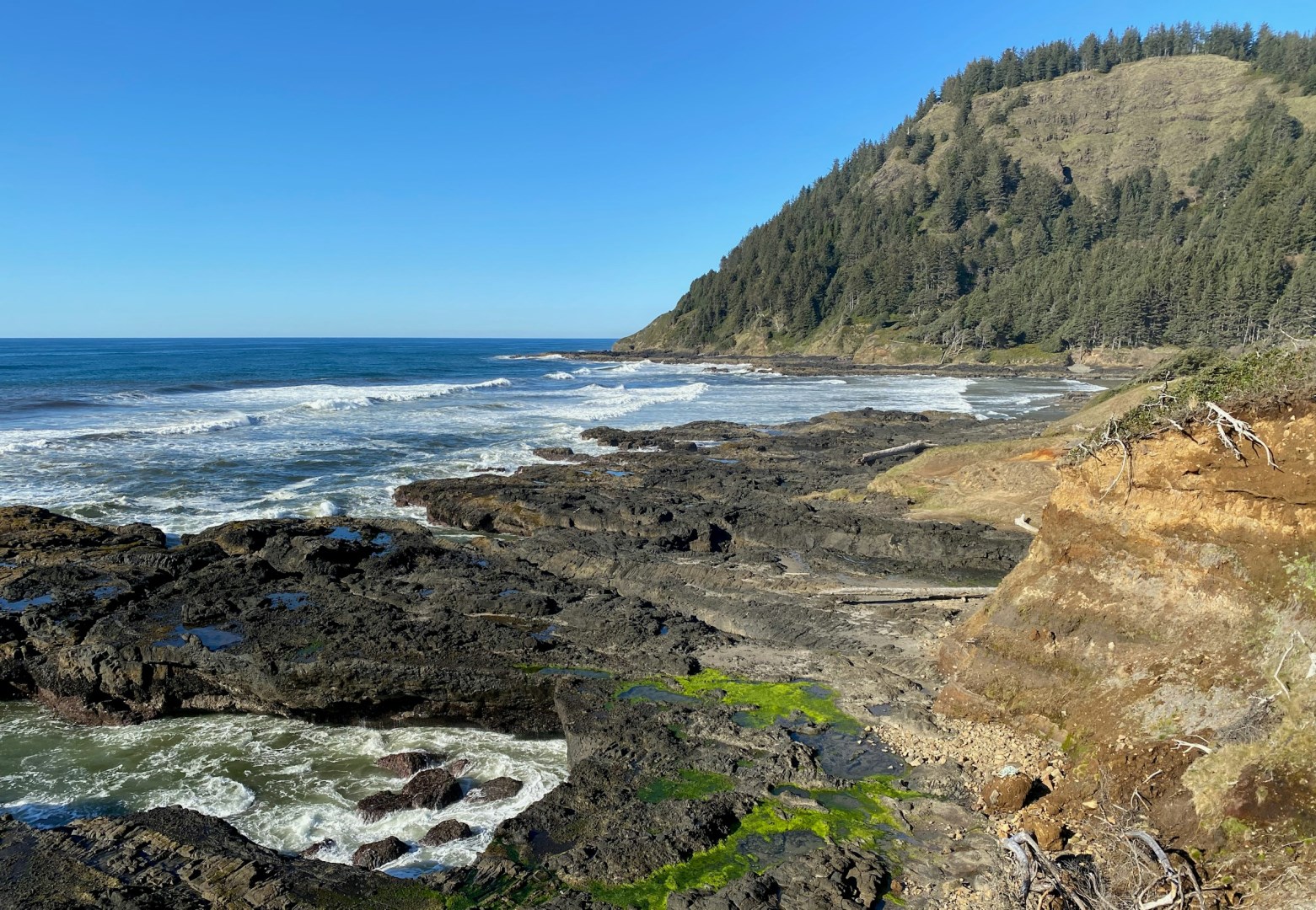
Cape Perpetua is a rugged headland on the central Oregon Coast, rising above the Pacific Ocean south of Yachats. The area is part of the Siuslaw National Forest and combines dense coastal forest with steep cliffs, rocky beaches, tide pools, and open ocean views.
Mole National Park
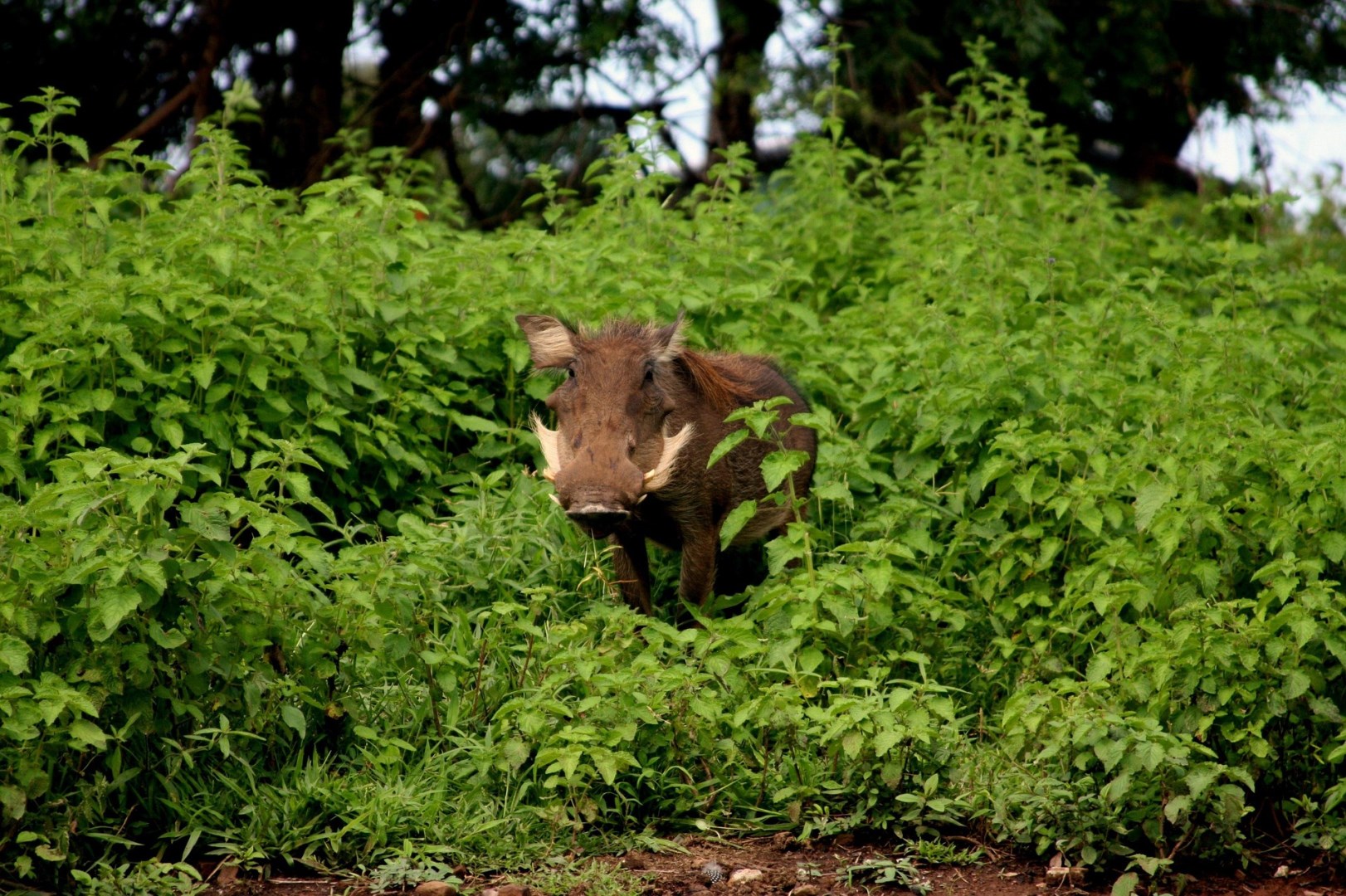
Mole National Park is Ghana’s largest protected terrestrial area, covering a broad landscape of savanna woodland and grassland in the country’s northern region. The park lies near Larabanga and stretches across gently rolling terrain marked by seasonal streams, rocky outcrops, and wooded valleys. Its open habitats provide a clear contrast with the tropical forests of southern Ghana.
