
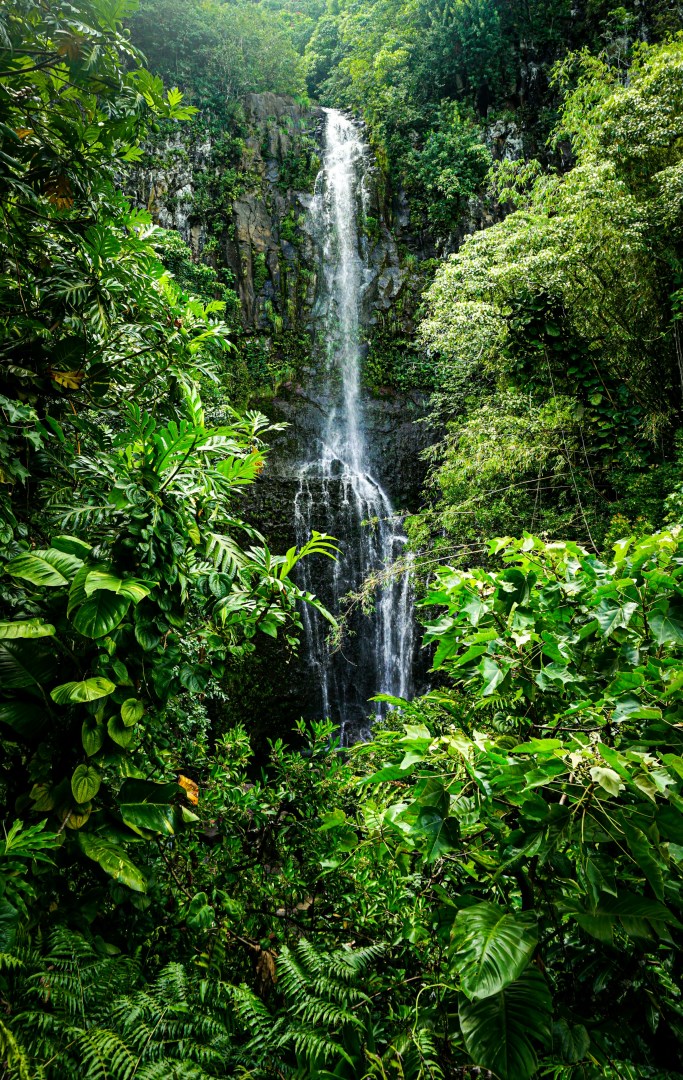
Hana, Maui
Located on the Island of Maui, Hawaii in the Pacfic Ocean, Hana is noted for its isolated location and quiet atmosphere.
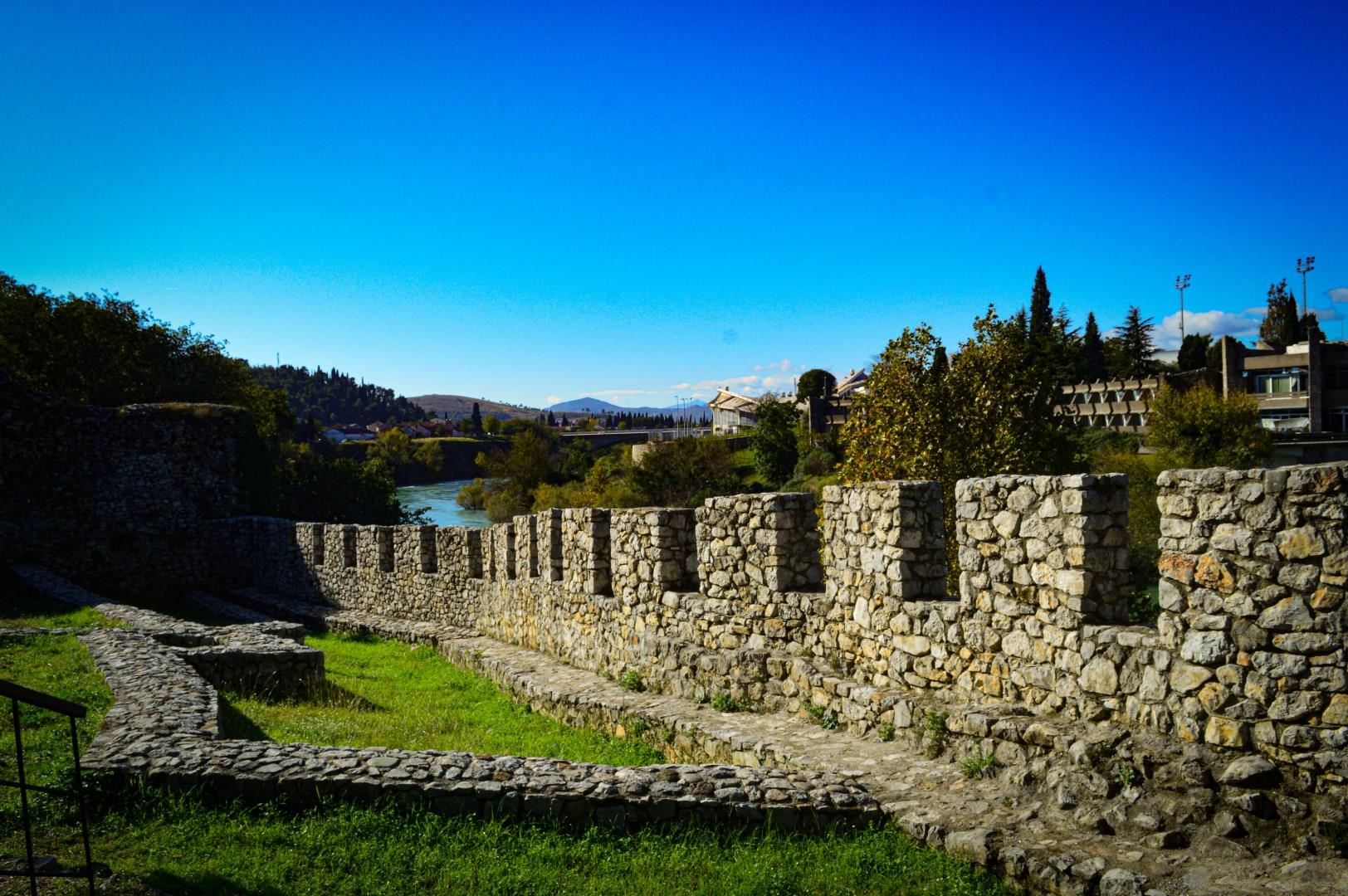
Podgorica
Podgorica, the capital of Montenegro, showcases the country’s contrasting landscapes and deep-rooted history. Although much of the city was rebuilt after World War II, traces of its Roman and Ottoman past still remain. Visitors can explore the ruins of Doclea, a Roman settlement just outside the city, where surviving columns and mosaics give a glimpse into life nearly two millennia ago.

Seligman
Seligman is a small community in northwestern Arizona, located along the historic route of U.S. Route 66 in Yavapai County. The town sits on a high plateau surrounded by open grassland, juniper, and pinyon pine, with the rugged terrain of northern Arizona extending in every direction. Seligman is closely associated with Route 66 and is recognized as one of the places that helped preserve the character and traditions of the old highway.
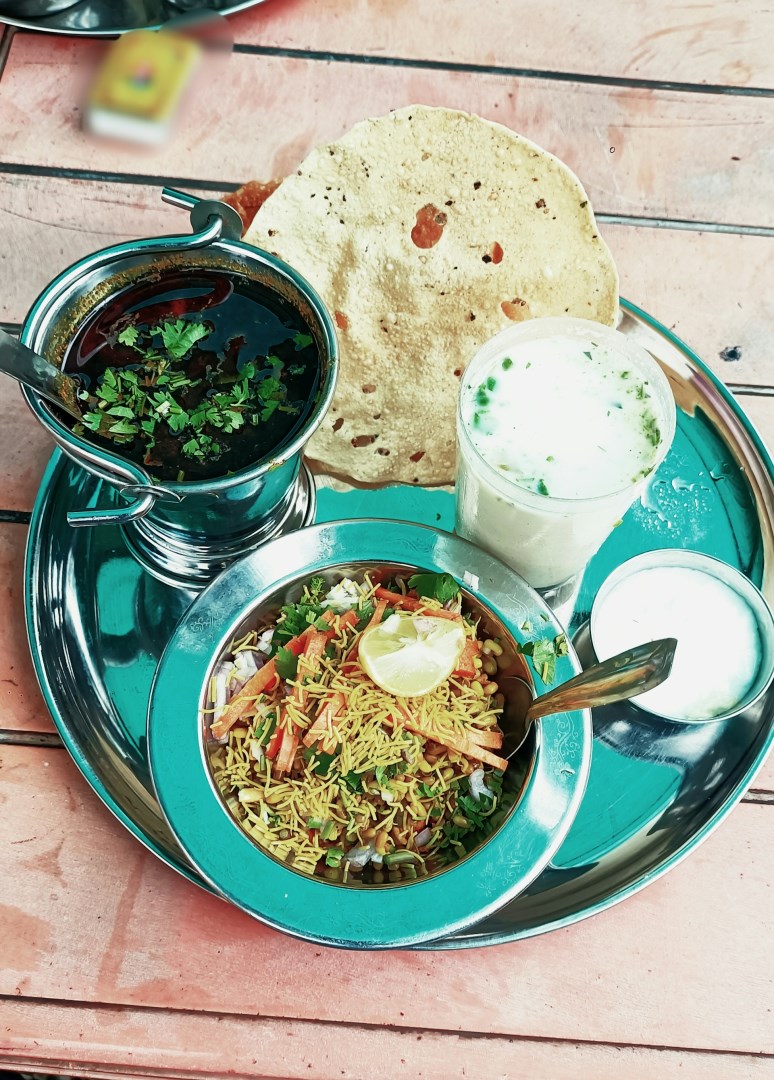
Aurangabad
Aurangabad, now officially known as Chhatrapati Sambhajinagar, is a historic city in Maharashtra’s Deccan region, surrounded by dry hills, agricultural land, and the basalt landscapes of the Deccan Plateau. It is best known as a gateway to some of India’s most important rock-cut monuments, including the UNESCO-listed Ajanta and Ellora Caves. The city itself combines Mughal-era architecture, Buddhist cave sites, historic gateways, and traditional craft industries. I
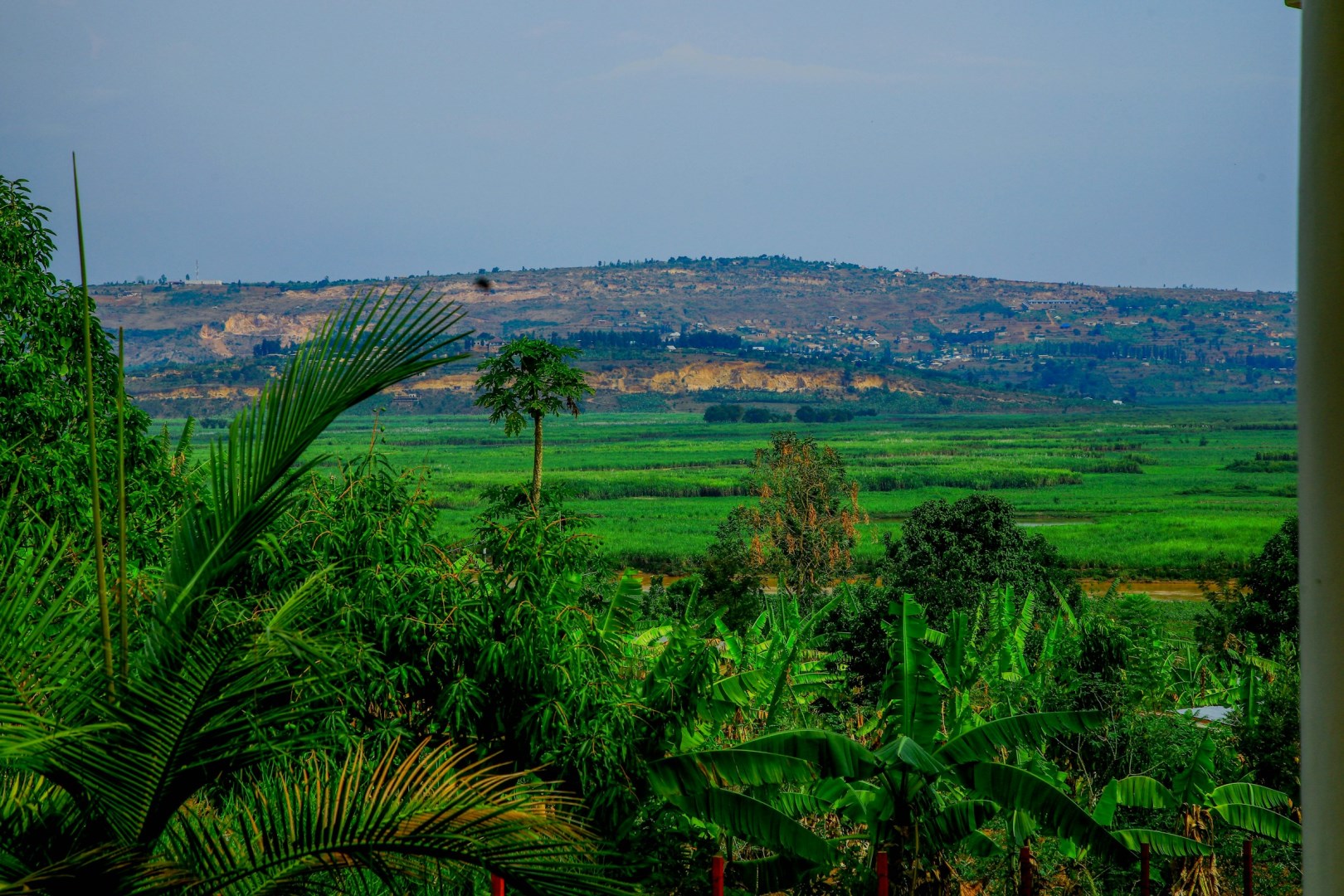
Nyabarongo
Nyabarongo is one of Rwanda’s principal rivers, flowing through the country’s central and southern landscapes and forming an important part of the Nile River basin.
