
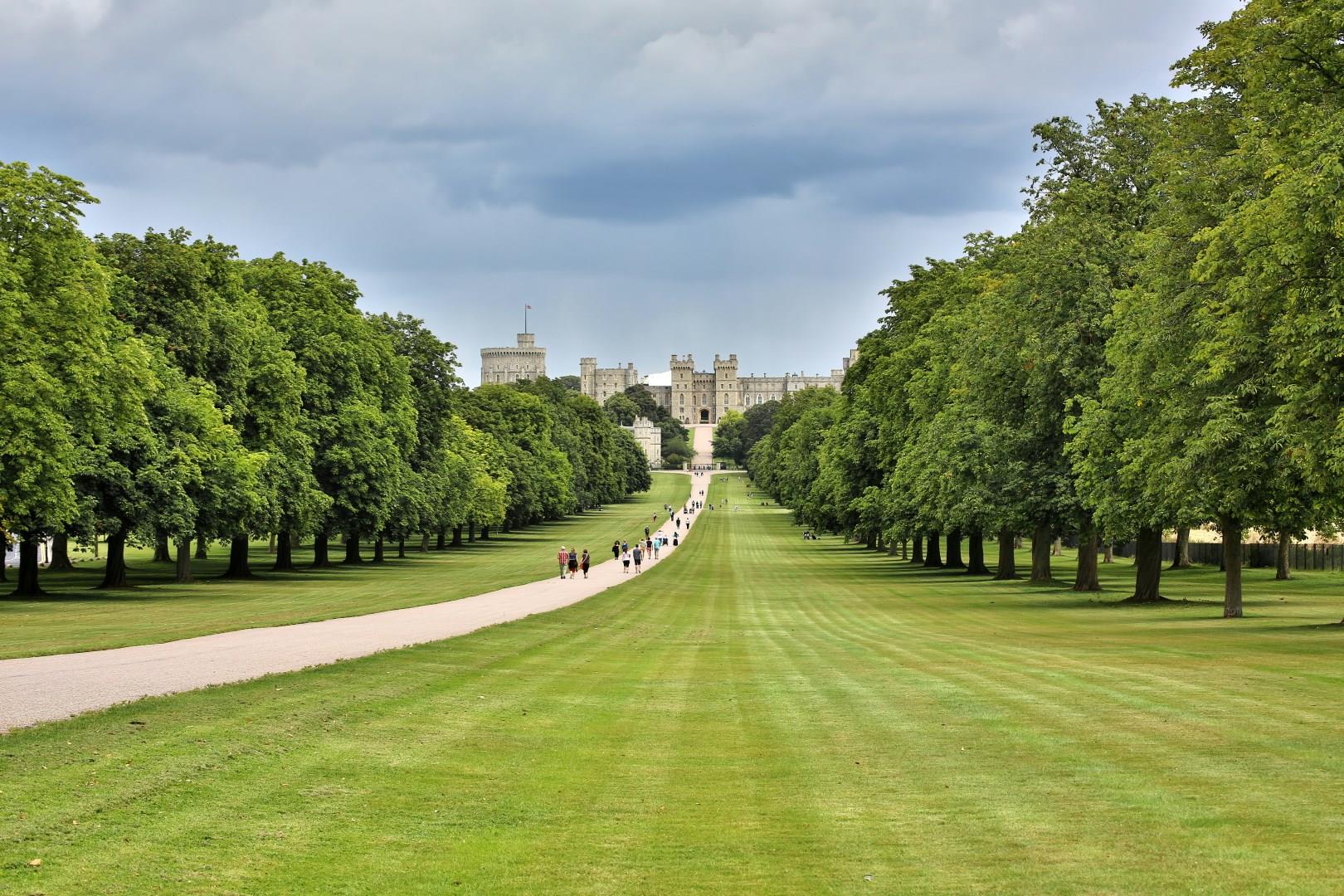
Windsor
Windsor sits along a bend in the River Thames, its identity shaped by nearly a thousand years of royal presence. Windsor Castle, the world’s oldest continuously inhabited royal residence, dominates the town and anchors its historical significance, but the surrounding streets and parks reveal a place that has long supported court life, trade, and everyday routines alongside ceremony.
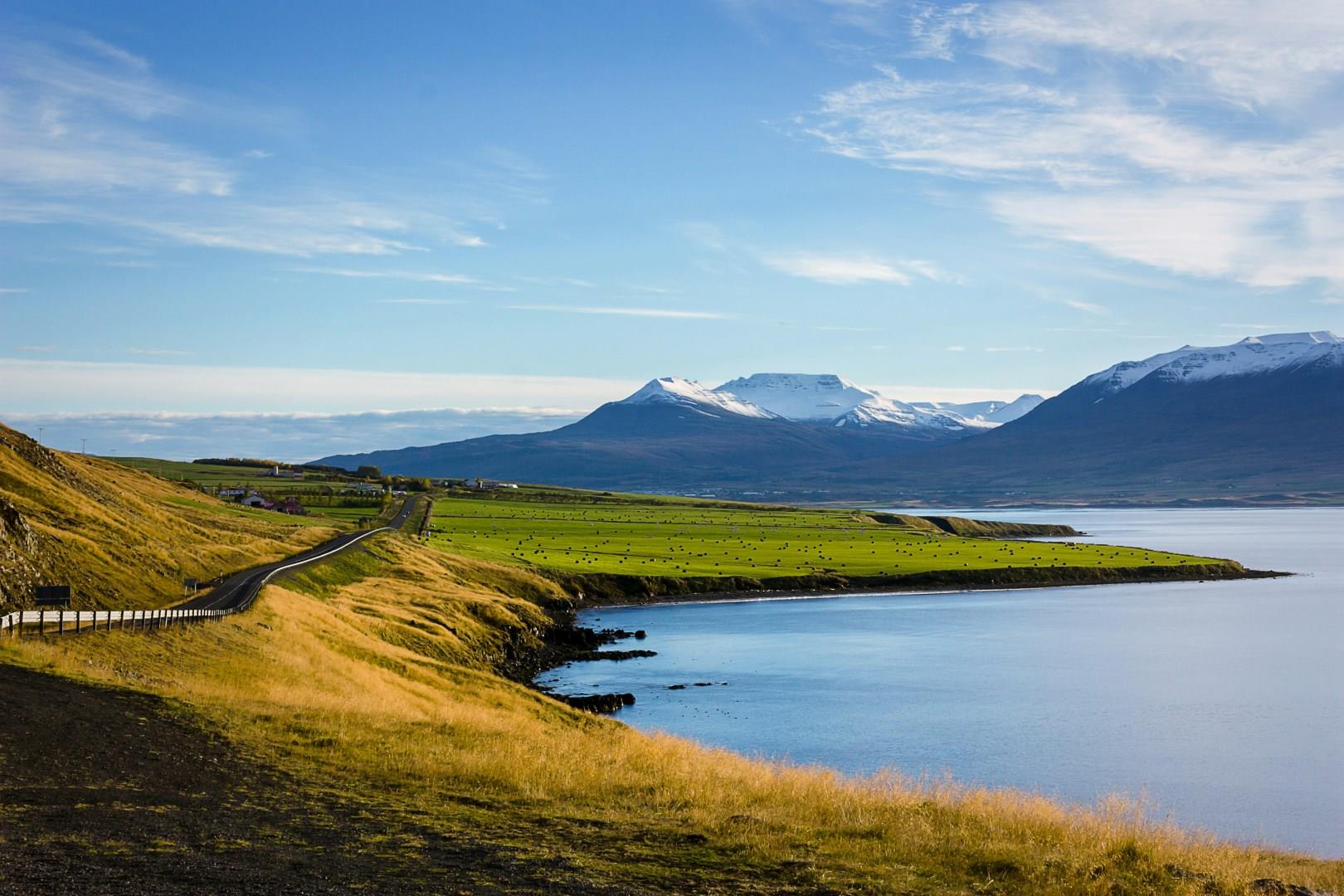
Akureyri
Akureyri, often referred to as the capital of North Iceland, offers travelers a distinct experience shaped by its Arctic location and rich local culture. Nestled at the base of Eyjafjörður fjord, the town has served as a trading center since the 1600s and continues to thrive with a mix of fishing, arts, and tourism. Within a few hours’ drive, visitors can reach the geothermal fields of Hverir, the volcanic craters at Lake Mývatn, and the powerful Goðafoss waterfall.
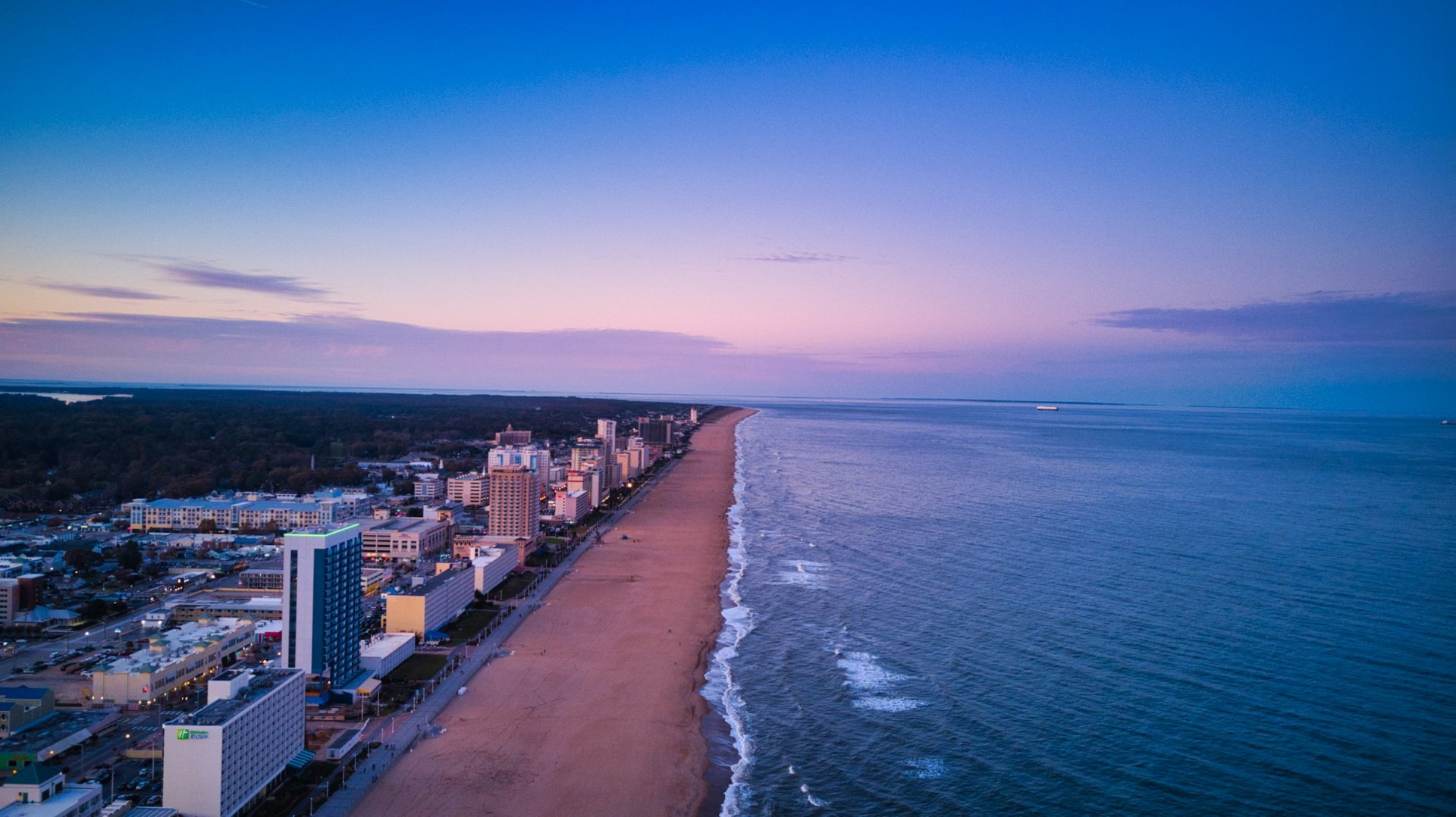
Virginia Beach
Virginia Beach is a coastal city in southeastern Virginia where the Atlantic Ocean meets the Chesapeake Bay and a network of rivers, marshes, and inland waterways. Its long oceanfront includes sandy beaches, dunes, and a busy boardwalk, while the southern part of the city contains broad wetlands, forests, and agricultural land. The city is geographically large and includes several distinct communities beyond the resort district.
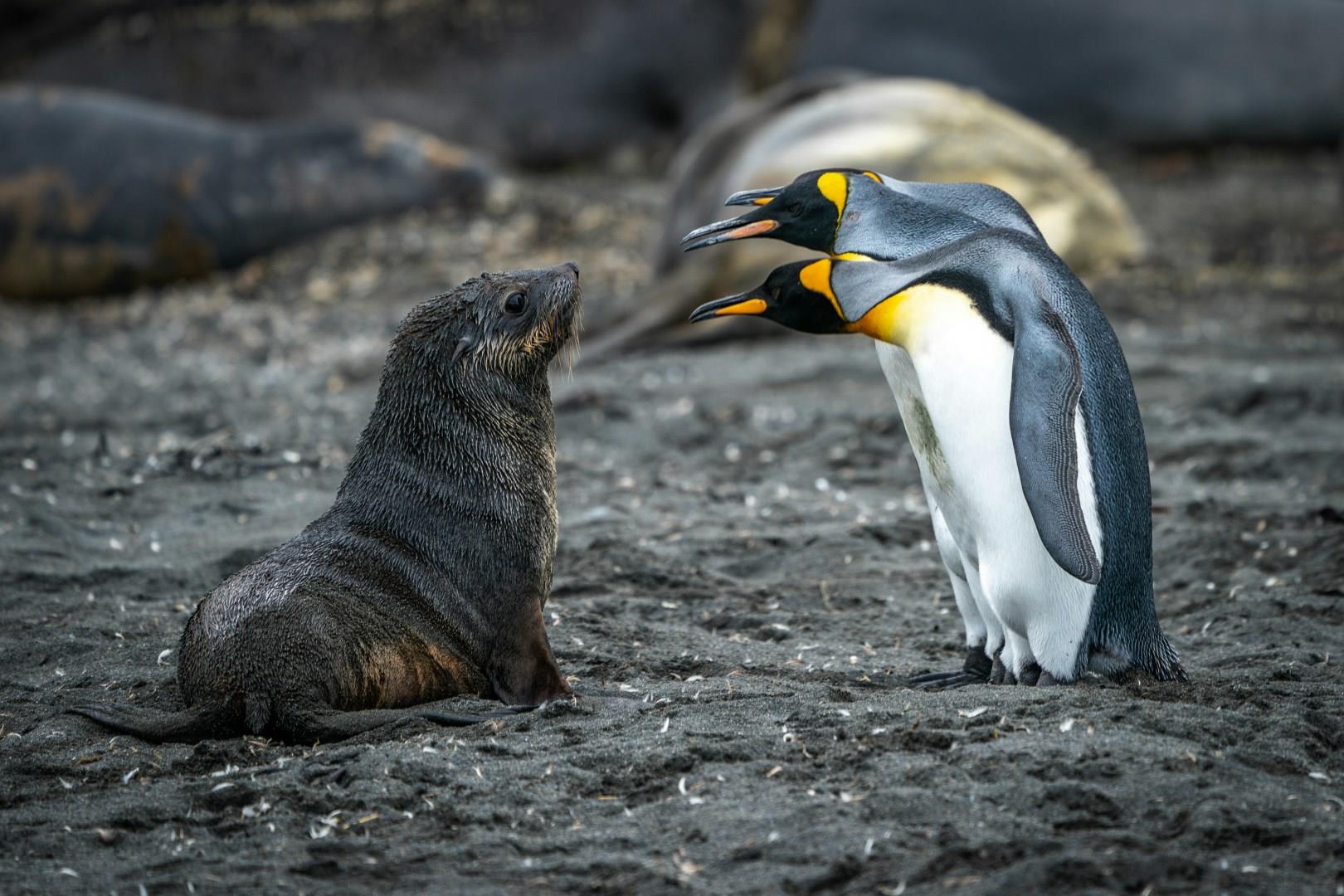
South Sandwich Islands
The South Sandwich Islands are among the most remote places on Earth, a chain of volcanic peaks rising from the Southern Ocean, over 1,300 kilometers southeast of South Georgia. With no permanent residents, no ports, and no infrastructure, these islands remain untouched by tourism in the conventional sense. What they offer instead is a rare glimpse into one of the planet’s most extreme and least disturbed environments.
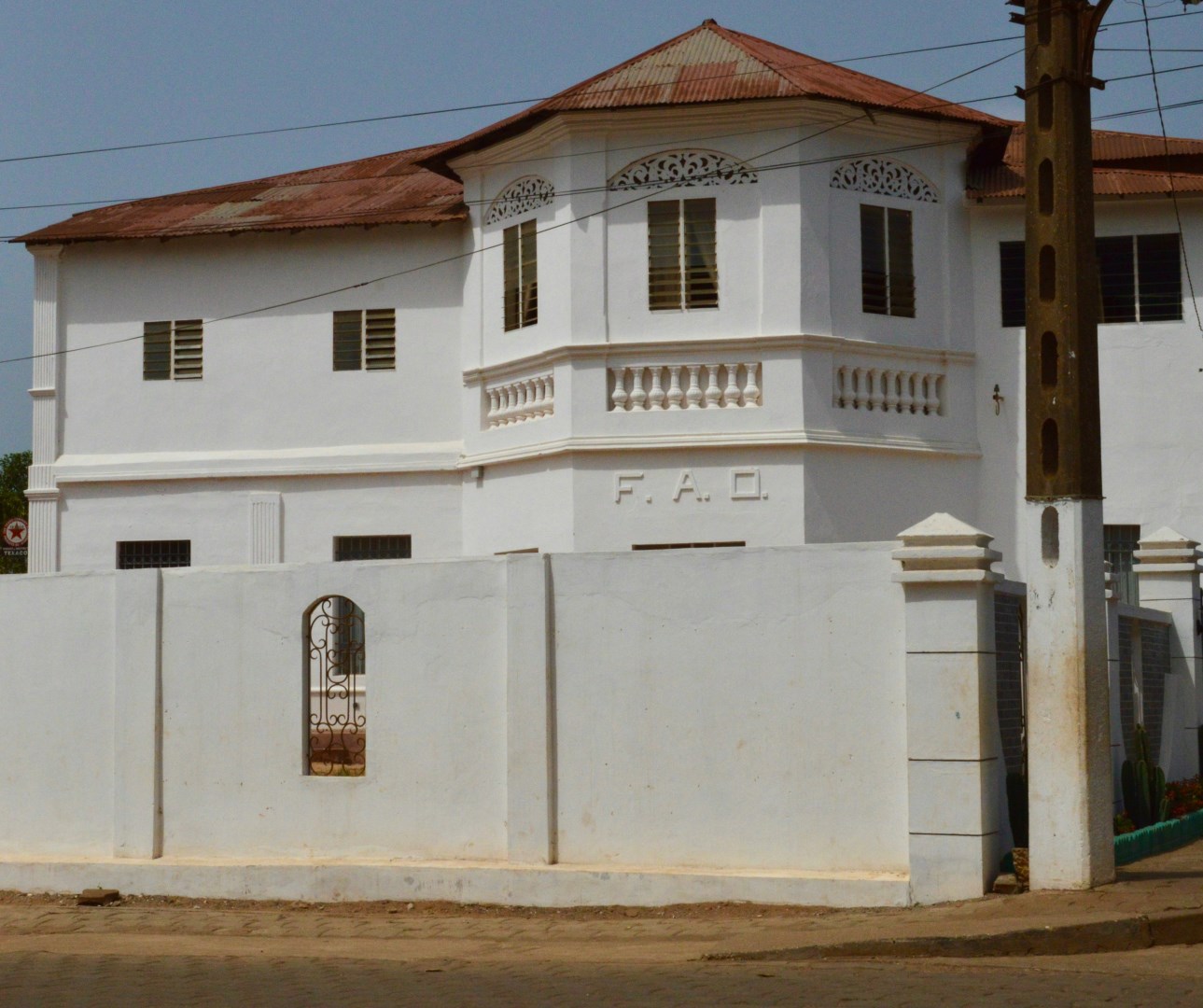
Ouidah
Ouidah is a coastal city in southern Benin, situated between the Atlantic Ocean and a network of lagoons and wetlands. It is one of the country’s most historically significant destinations and is known for its connections to the Atlantic slave trade, religious traditions, and cultural heritage.
