
Cuiabá
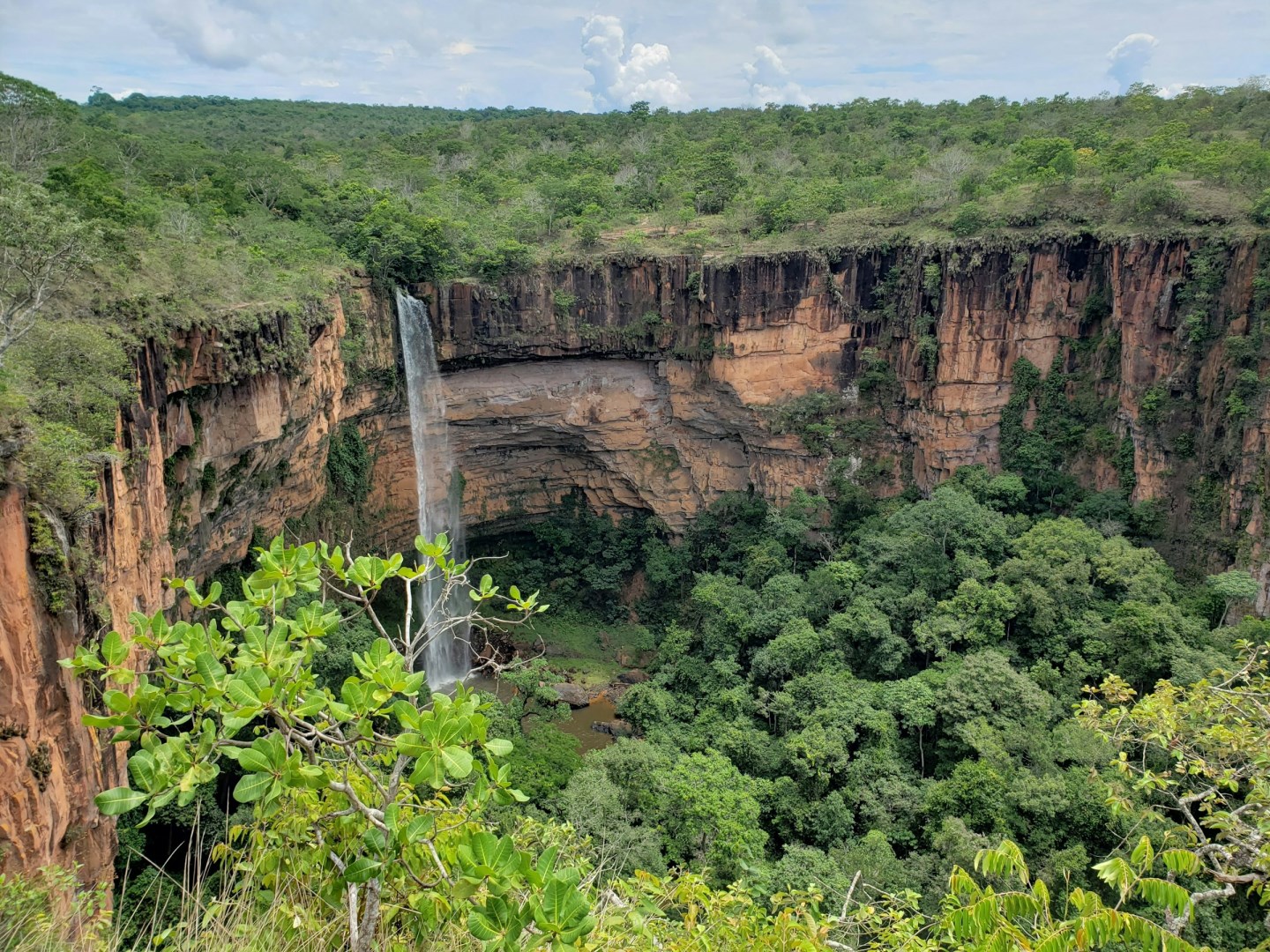
Cuiabá is the capital of Mato Grosso in central-western Brazil and an important gateway to the Pantanal, Chapada dos Guimarães, and other natural areas of the state. The city developed around gold mining and later became an important regional center along the Cuiabá River. Its historic center contains colonial churches, traditional houses, and public squares, while newer districts extend well beyond the old city.
Hope Bay
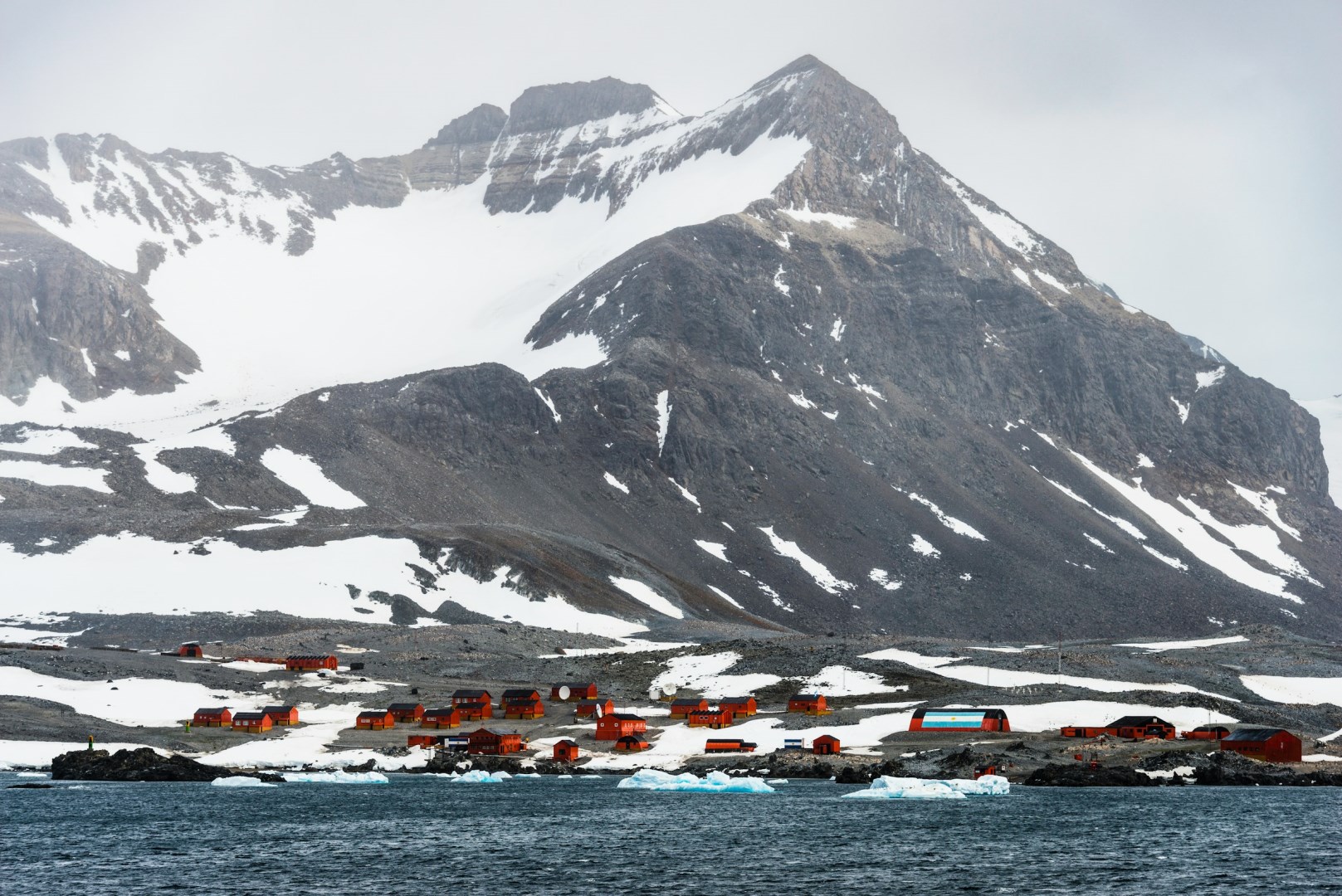
The bay’s environment supports a variety of Antarctic wildlife. Gentoo penguins breed around the shoreline, while skuas and other seabirds can be seen near the colony. Weddell seals and Antarctic fur seals may also occur in the area, particularly around beaches and sea ice. Mount Flora and the surrounding slopes provide a striking backdrop, with exposed rock contrasting against snowfields and glaciers.
Surfers Paradise
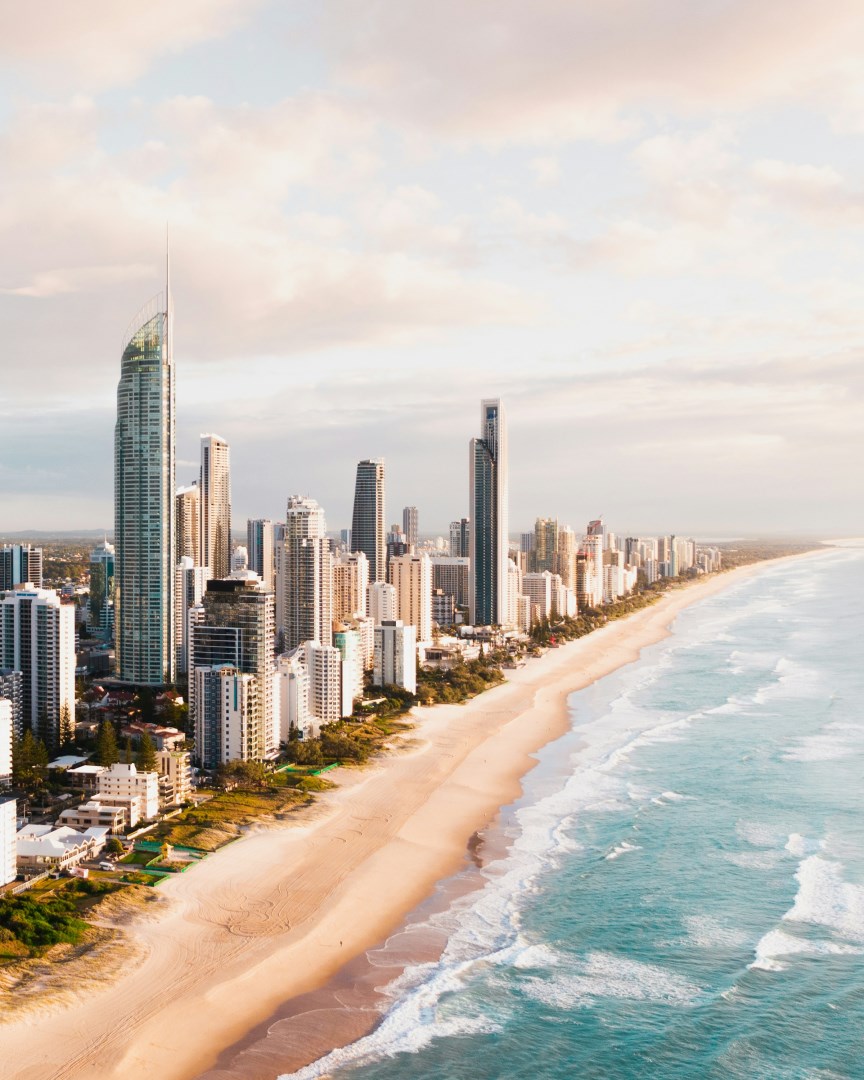
Surfers Paradise is located along the Gold Coast. The 300 days of sunshine throughout the year make it perfect for enjoying the beach. Golfing, wildlife parks and theme parks are just a few of the many things to do.
Kyle of Lochalsh
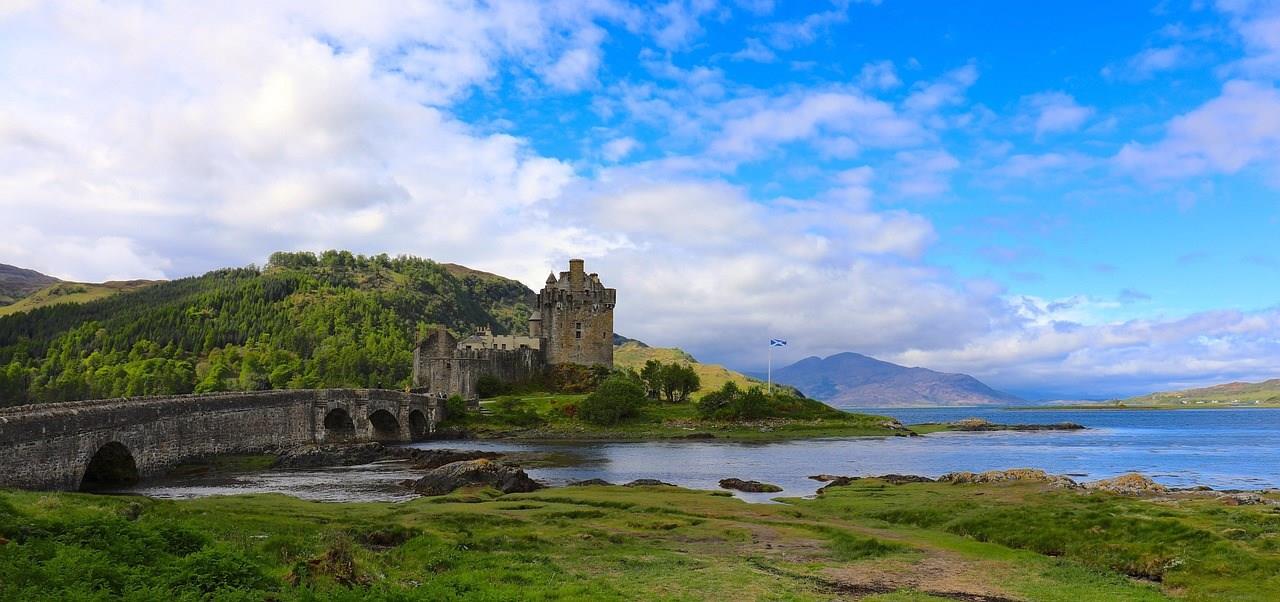
Kyle of Lochalsh, located on the west coast of the Scottish Highlands, serves as a gateway to the Isle of Skye via the Skye Bridge, but the village itself deserves more than a passing glance. Once the terminus of the Highland Railway, the town still welcomes visitors by train on one of the UK’s most scenic routes. The line from Inverness to Kyle passes through remote glens, past lochs and mountain ranges, ending just steps from the waterfront.
iSimangaliso Wetland Park
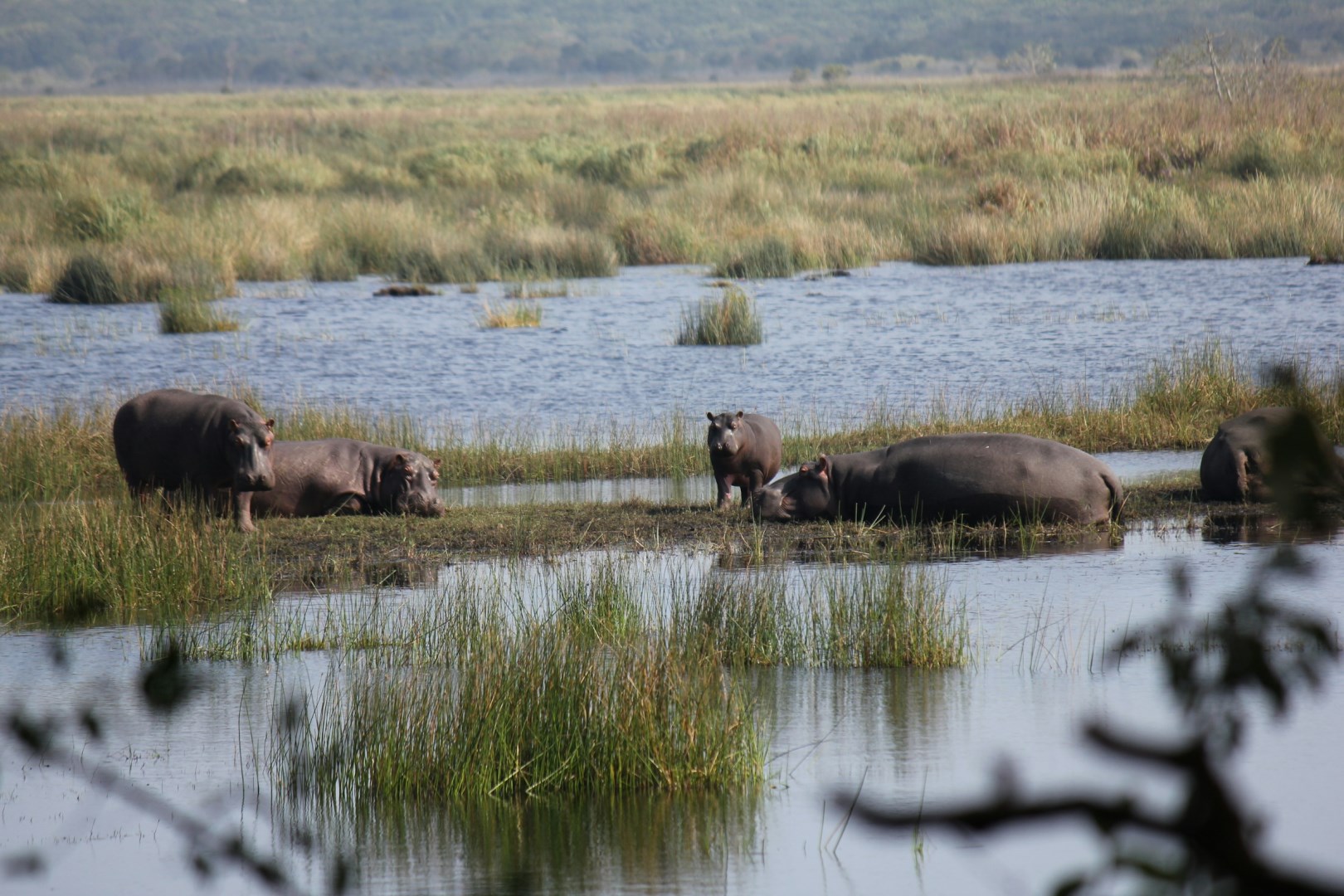
iSimangaliso Wetland Park stretches along the northern KwaZulu-Natal coast from Maphelane to the Mozambique border. It brings together beaches, coral reefs, coastal forests, dunes, lakes, wetlands, estuaries, grasslands, and savanna within one protected landscape. The park is South Africa’s first UNESCO World Heritage Site and includes several separate conservation areas linked by their ecological systems. Its name, iSimangaliso, is an isiZulu word associated with miracles and wonders.
