
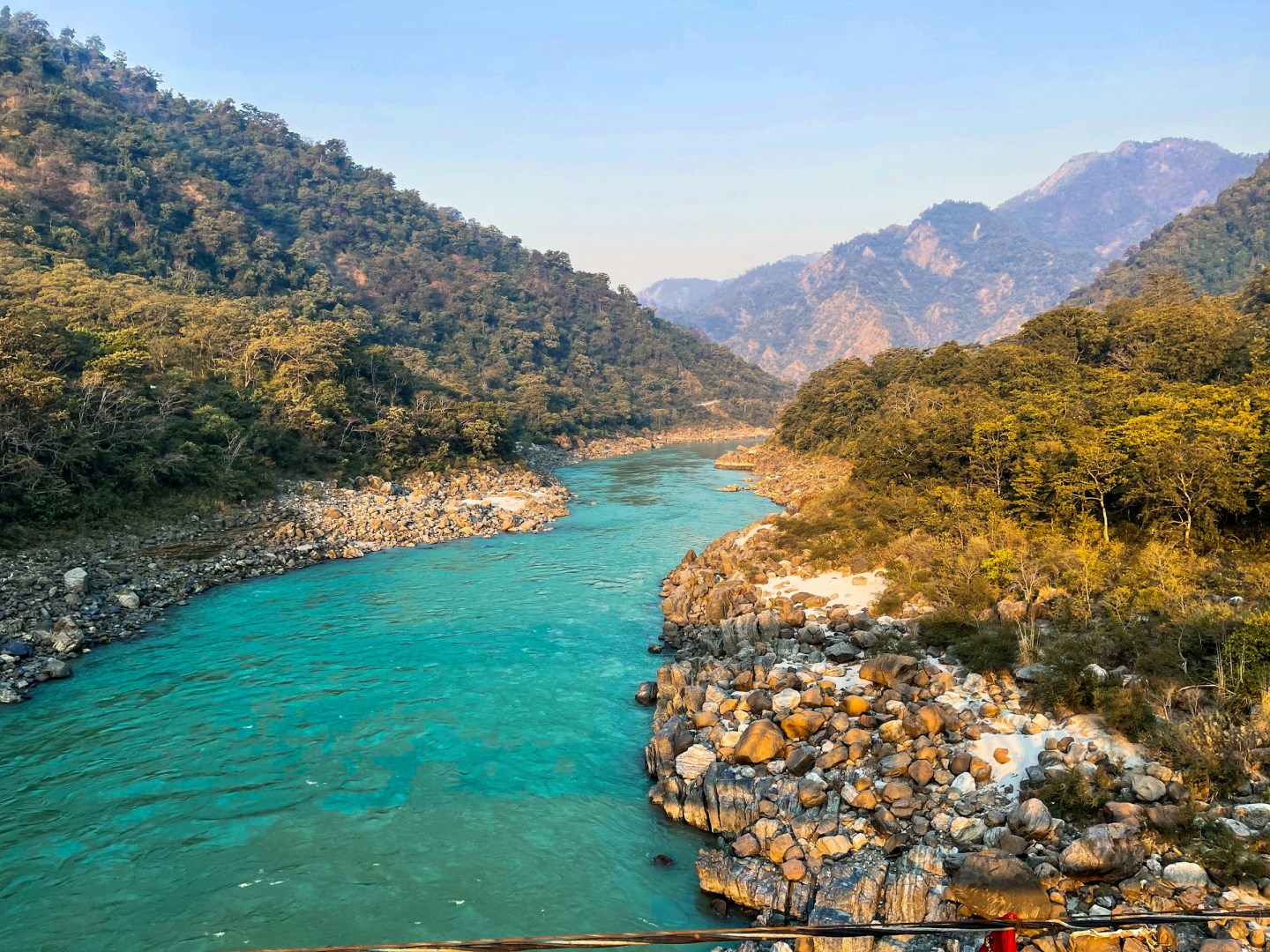
Ganges River
The River Ganges, flowing through India and Bangladesh, supports millions of people living in the river basin. In Hinduism, the river is considered the most sacred, and as a result it is in important element of many Hindu rituals and festivals.
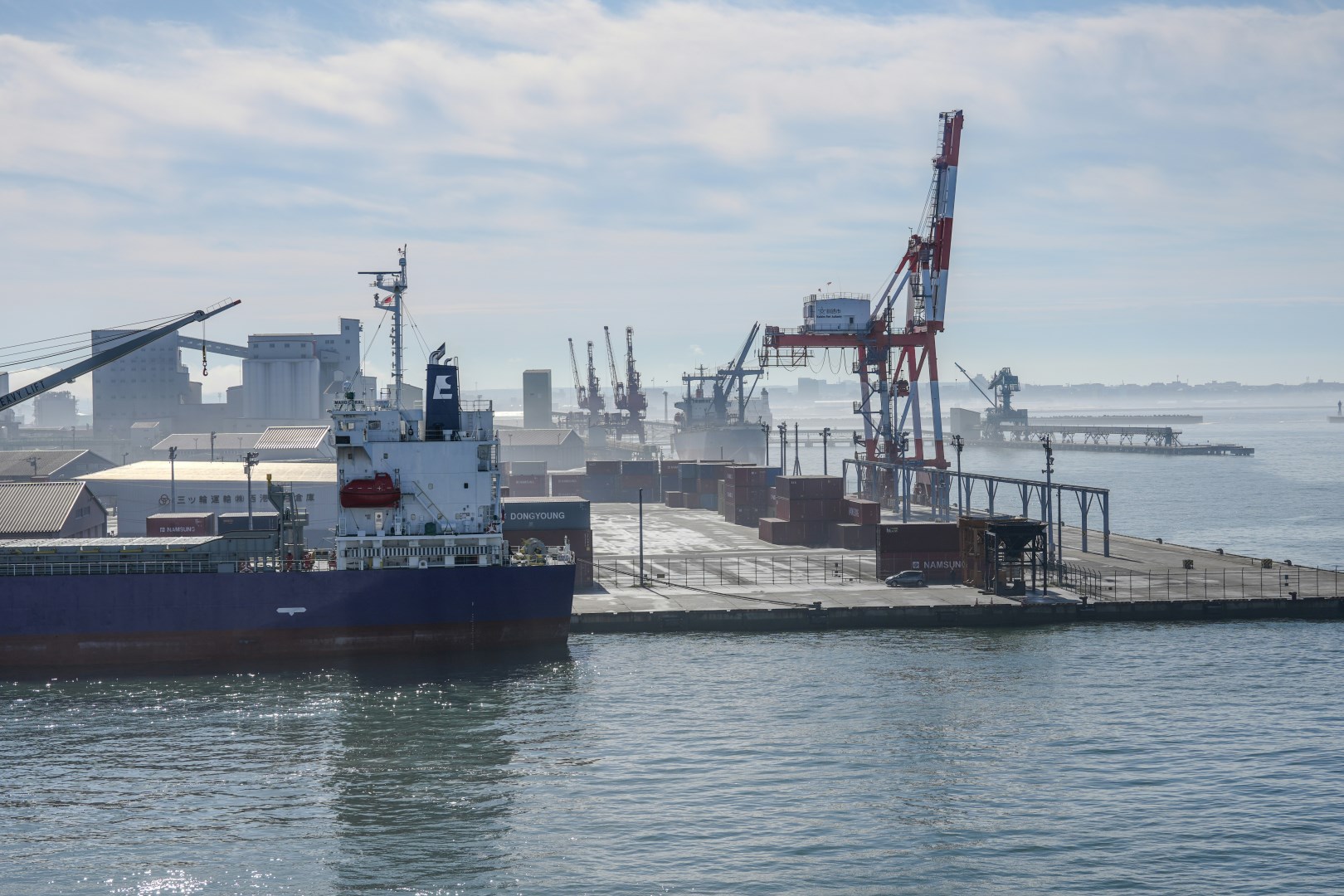
Kushiro
Kushiro is a port city on the eastern coast of Hokkaido, Japan’s northernmost main island. The city faces the Pacific Ocean and is known for its fishing industry, wetlands, and cool maritime climate. Fog drifting in from the sea is common during warmer months and has become one of Kushiro’s defining natural features.
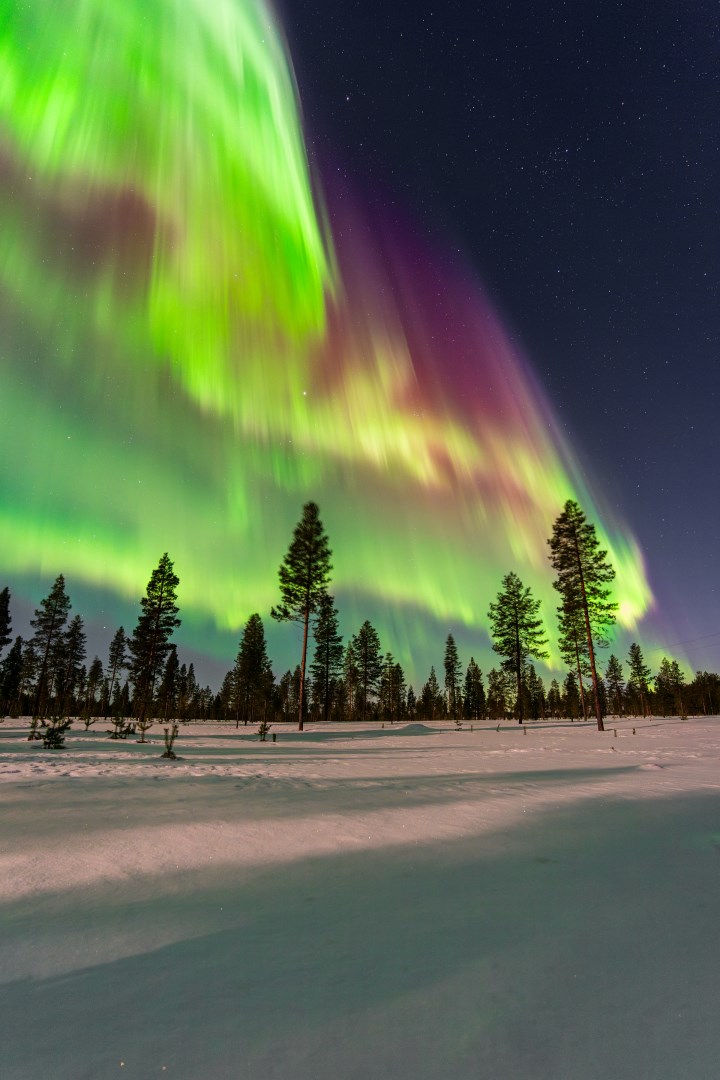
Kittilä
Kittilä is a municipality in Finnish Lapland, extending across a broad area of forests, rivers, wetlands, and open fells north of the Arctic Circle. The municipal center lies along the Ounasjoki River, while smaller villages and settlements are scattered through the surrounding wilderness. Kittilä is closely associated with Levi, one of Finland’s best-known fell resorts, but the municipality extends well beyond the resort area into quieter rural landscapes.

Kotor
This coastal town in Montenegro is part of the World Heritage Site dubbed the Natural and Culturo-Historical Region of Kotor. It holds several summer events, such as the Summer Carnival or Bokeljska Noc. One of the most notable and charming aspects of the town is the large population of cats that have become a symbol of the city.
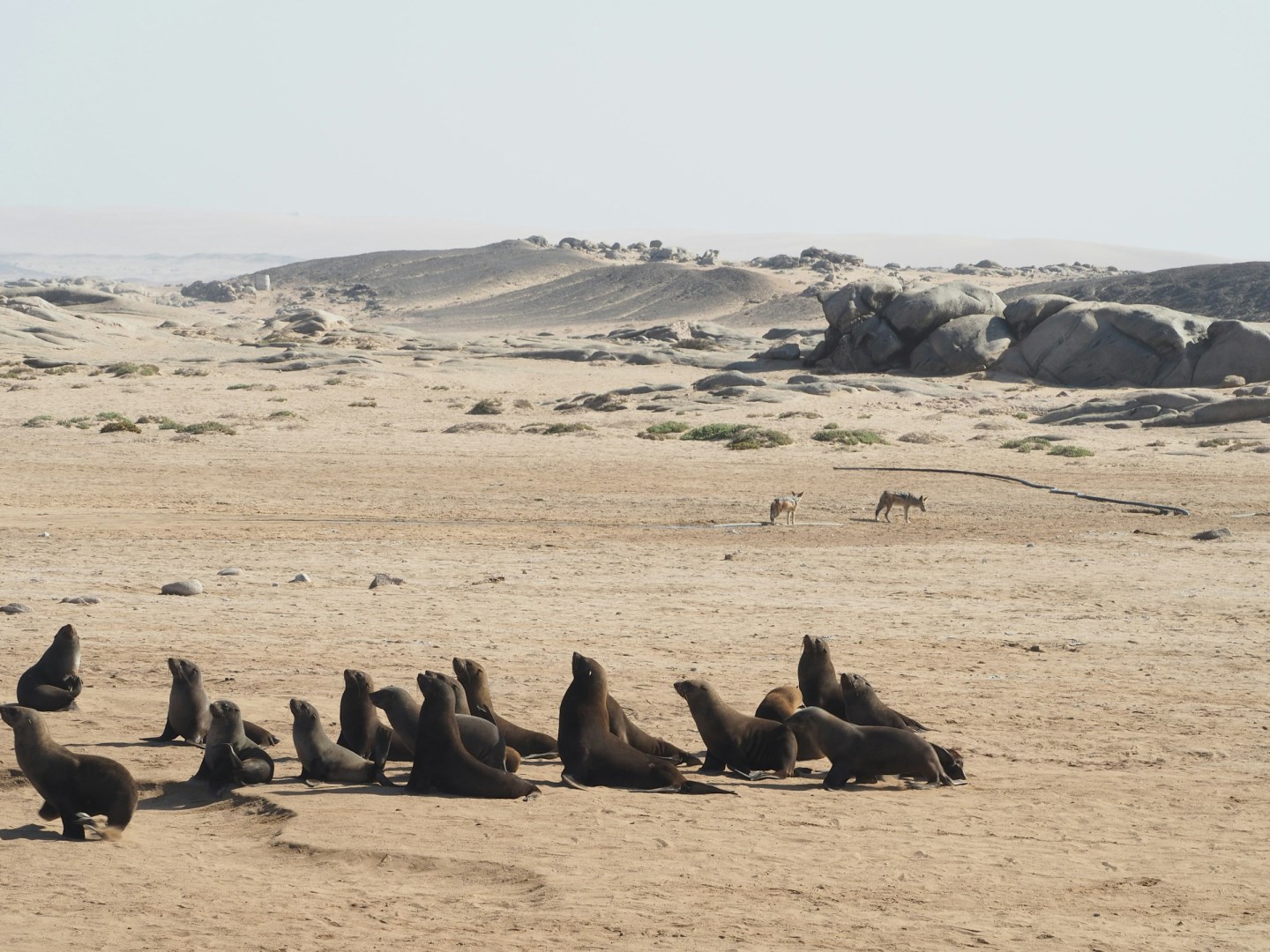
Skeleton Coast National Park
Skeleton Coast National Park stretches for about 500 kilometres along Namibia’s northwestern Atlantic coast, from the Ugab River toward the Kunene River. The park covers roughly 16,390 square kilometres of beaches, dunes, gravel plains, ephemeral riverbeds, canyons, and rugged mountain landscapes. Cold Atlantic water from the Benguela Current helps produce frequent coastal fog, which can extend inland across the desert.
